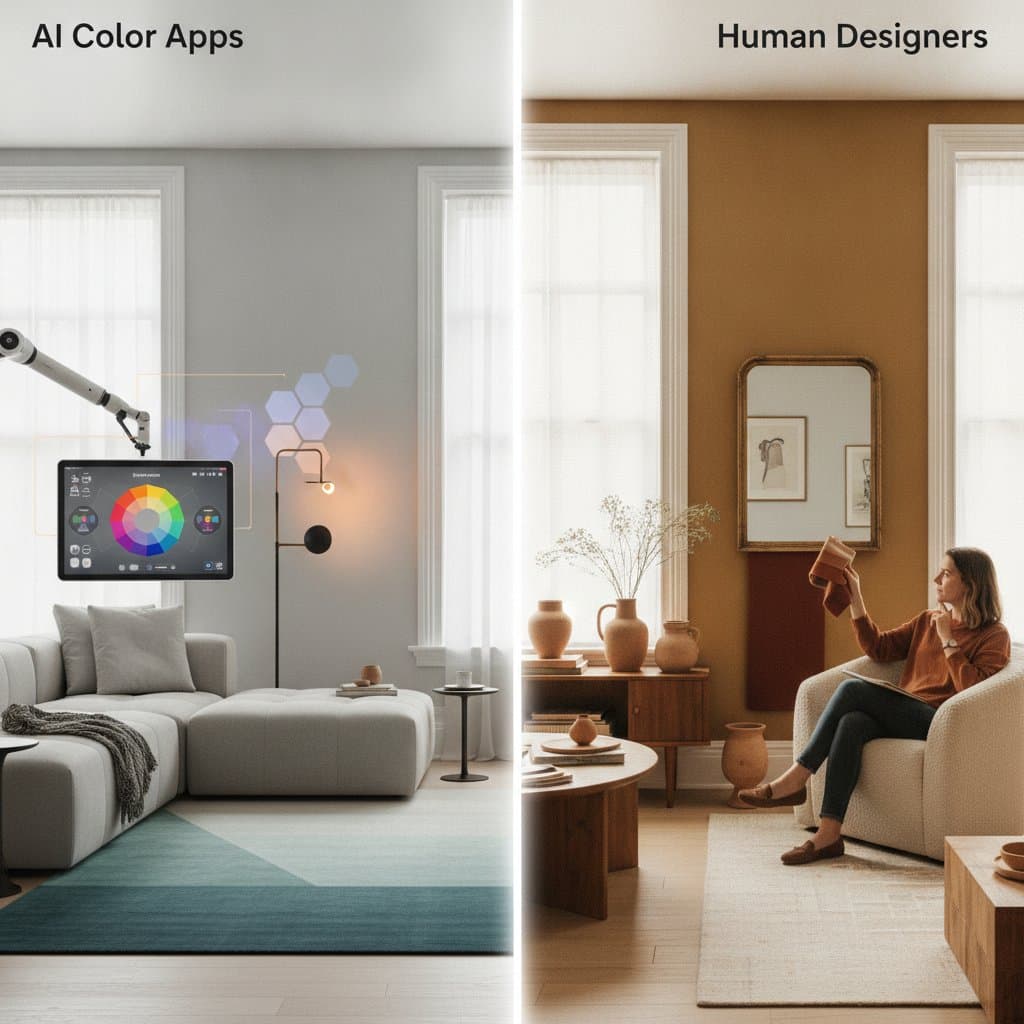
AI Tools Unlock Your Ideal Home Color Palette
Selecting paint colors for a home renovation often proves daunting. Homeowners face endless swatches that appear promising in the store yet shift under real lighting conditions. As a contractor with years of experience, I have observed numerous clients abandon their plans mid-project when colors fail to harmonize with actual materials and illumination.
AI-driven color tools address these challenges effectively. They remove uncertainty from color selection, matching, and evaluation processes. Proper application of these tools accelerates the discovery of suitable tones, prevents the need for repaints, and fosters a unified palette that enhances the entire home.
Success depends on recognizing the capabilities and limitations of these tools, then integrating them with practical testing and expert evaluation.
How AI Color Tools Function
These tools employ image recognition and data analytics to detect and propose complementary colors for specific spaces. Users upload photographs, and the software assesses lighting, current finishes, and ambient tones. It generates recommendations that balance aesthetics with intended design objectives.
From a contractor's viewpoint, effective AI tools perform three essential functions:
-
Color Extraction
The software detects primary and supporting hues from images of the existing room. This reveals how elements like flooring, furniture, and fixtures shape overall color dynamics. -
Palette Generation
It constructs a unified collection of colors suitable for various surfaces and illumination scenarios. -
Visualization
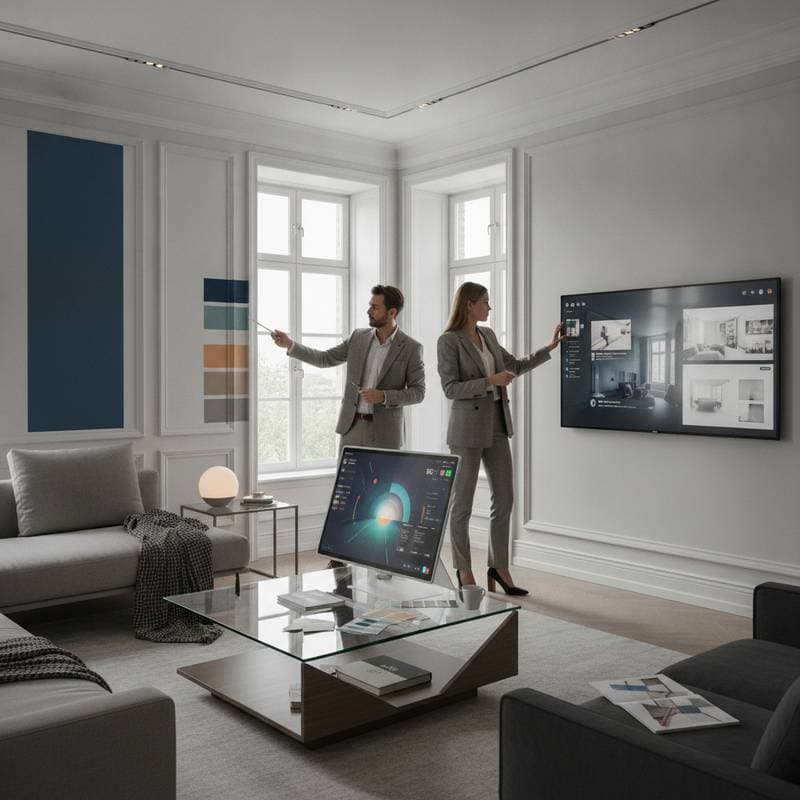
Users preview applications on walls, cabinets, or trim. This capability allows side-by-side comparisons prior to purchasing paint or materials.
In pre-construction consultations, I rely on these tools to illustrate finish proposals for clients. When supplemented by tangible paint samples and precise lighting simulations, outcomes align closely with physical results, surpassing reliance on static images or catalogs.
Integrating AI Color Tools into Your Process
While AI enhances efficiency in color selection, human discernment remains vital. Follow these steps to achieve dependable outcomes:
-
Capture Authentic Space Images
Photograph rooms under varied lighting, such as morning sunlight or evening lamps. This provides the AI with comprehensive data on illumination fluctuations for precise analysis. -
Incorporate Fixed Elements
Ensure floors, countertops, and cabinetry appear in photos. These surfaces significantly alter wall color perceptions. -
Define Room Functionality Clearly
Input mood descriptors like calming, vibrant, or inviting, linked to the space's daily use. For instance, a serene palette suits a bedroom, while bold tones energize a home office. -
Treat AI Suggestions as Starting Points
Use outputs to refine options, then validate with physical samples. Digital previews overlook nuances like texture, gloss levels, and color shifts from bulb types. -
Consult Professionals for Validation
Seek input from painters or designers familiar with undertones, application techniques, and finish interactions.
Homeowners who adhere to this approach reduce project timelines and budgets, securing colors that integrate seamlessly.
Pitfalls to Avoid When Using AI Color Tools
Technology aids color planning, yet errors persist without caution. Contractors frequently encounter these issues:
-
Overdependence on Digital Displays
Screens vary in color accuracy across devices. Procure sample paints to verify selections in person. -
Overlooking Finish Variations
Matte, satin, and gloss sheens interact differently with light. A digitally ideal color may prove overly reflective or flat upon application. -
Neglecting Lighting Evaluations
Assess finalists under both natural and artificial light. Morning vibrancy might yield evening gloom. -
Excessive Color Variety
A restrained palette of four to five core shades, plus accents, promotes continuity. Overabundance disrupts harmony. -
Disregarding Spatial Transitions
Adjacent rooms demand tonal compatibility. Abrupt shifts create visual discord during movement.
Thoughtful use of AI, paired with verification, averts post-application corrections and their associated costs.
Steps to Confident Color Selection
Embarking on a repaint or remodel no longer requires speculation. Implement this structured approach with AI tools:
-
Collect Comprehensive Room Documentation
Photograph each area from diverse angles and times, capturing details like window orientations and fixture placements. -
Input Design Intentions Precisely
Specify room purposes, preferred moods, and existing elements to guide AI recommendations. -
Generate and Review Palettes
Produce multiple options, then eliminate those misaligned with practical needs or aesthetic goals. -
Simulate Applications Digitally
Visualize selections across surfaces, adjusting for scale and proportion. -
Test Physically and Refine
Apply samples to walls, observe over days, and iterate based on real interactions. -
Finalize with Expert Review
Confirm choices through professional consultation to address subtleties like humidity effects or aging.
Creating Lasting Harmony in Your Home
Integrating AI tools with deliberate testing yields spaces that endure and inspire. Homeowners gain assurance in decisions that reflect personal style without financial setbacks. This method transforms routine renovations into expressions of refined taste, ensuring every room contributes to a cohesive, welcoming environment.