AI-Powered Color Matching Transforms Home Paint Choices
Choosing the right paint color remains one of the most challenging aspects of any home improvement project. Homeowners often collect multiple swatches and test them under varying conditions yet still face uncertainty about the final result. AI-powered color matching addresses these issues by applying data analysis to deliver precise recommendations.
Limitations of Conventional Color Selection
Traditional methods rely on small paint chips or printed samples that fail to account for real-world variables. Lighting conditions, wall textures, and adjacent colors alter how a shade appears once applied to a surface. A gray that seems neutral on a card may shift toward blue tones in daylight or appear warmer under artificial bulbs.
These discrepancies frequently lead to full repaints after the initial application. Such corrections consume additional time and materials while disrupting project schedules. Reliance on visual judgment alone introduces consistent risks of mismatch.
Mechanics of AI Color Matching Systems
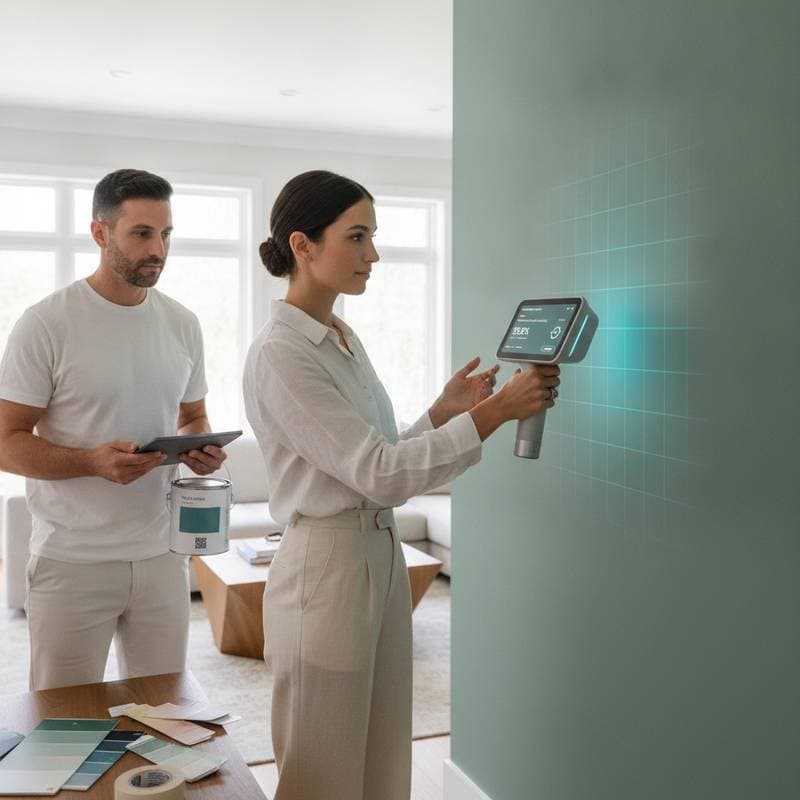
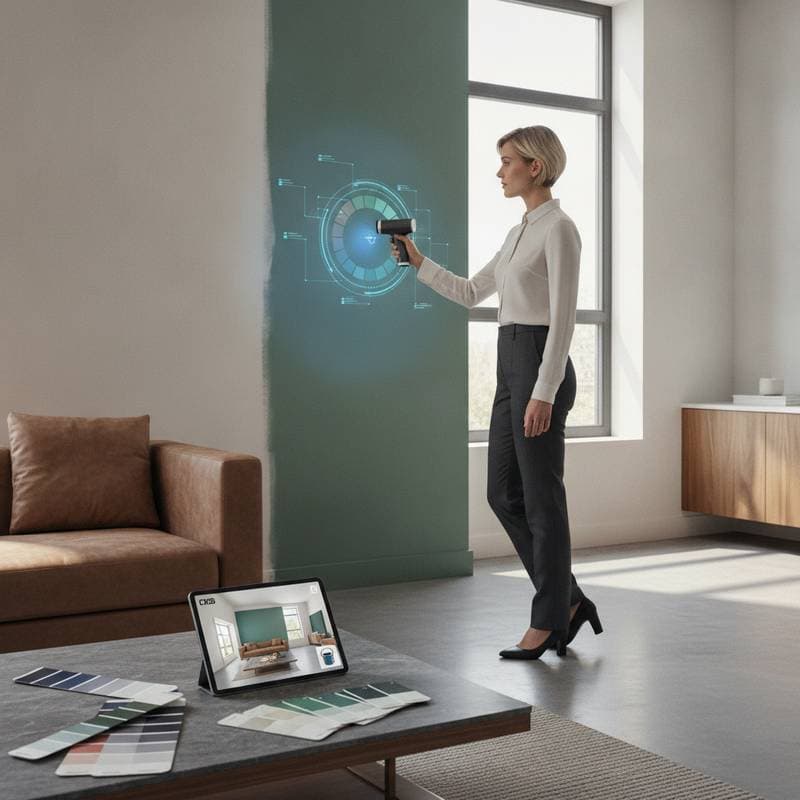
AI tools scan physical references such as walls, photographs, or fabric pieces and compare them against extensive paint formulation databases. The software identifies the nearest match or generates a custom blend based on exact spectral data. Advanced versions incorporate simulations of morning sunlight, evening lamplight, and surface sheen levels to preview outcomes accurately.
Users receive specific product codes and brand references rather than generic approximations. This process replaces repeated test applications with a single informed selection.
Adoption Among Painting Professionals
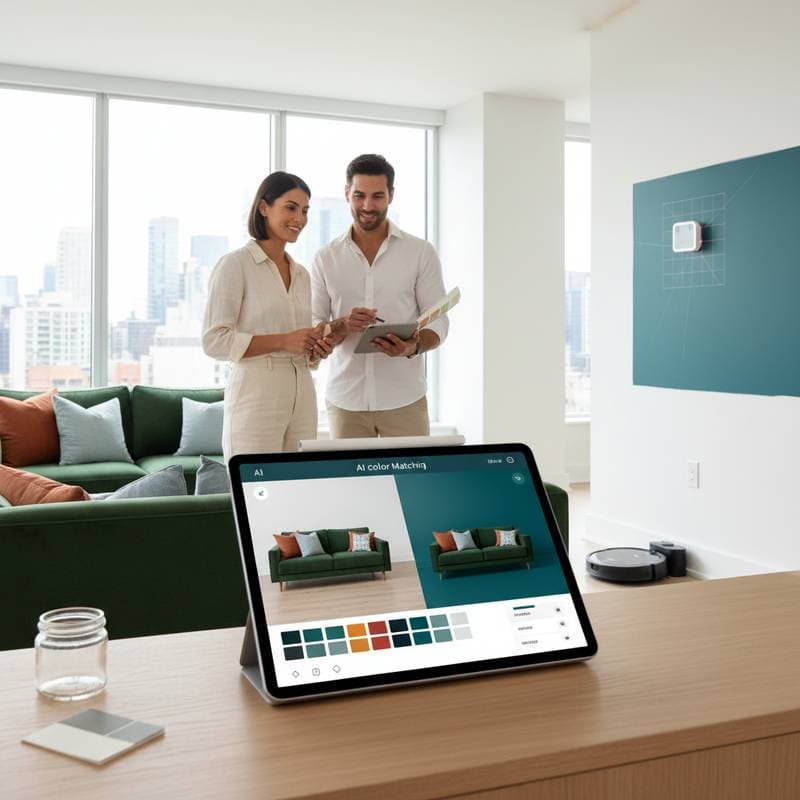
Contractors integrate these systems to accelerate client approvals and minimize follow-up visits. Digital previews allow homeowners to evaluate options within the actual room context before any product purchase. Suppliers use handheld scanners to match existing finishes during touch-up work or multi-room projects.
Consistency improves when the same formula applies across different lighting zones and substrates. Professionals report fewer disputes over final appearance when selections rest on verified data.
Advantages for Property Owners
Homeowners gain several measurable benefits from these tools.
- Precise replication of discontinued shades or existing trim colors through spectral analysis.
- Preview of color shifts across multiple light sources before application begins.
- Lower material waste by eliminating trial purchases and corrective coats.
- Side-by-side digital comparisons that support confident design decisions.
- Shorter overall timelines as selections finalize without extended deliberation.
Addressing Common Concerns
Some users question whether technology replaces skilled application practices. Proper surface preparation and quality paint remain essential regardless of color accuracy. Others worry about artificial results, yet reputable systems draw from manufacturer pigment libraries to ensure physical paint matches the digital representation.
Calibration of scanning devices requires regular verification by trained operators. Homeowners should confirm that any recommended tool connects directly to established paint brand databases.
Combining Technology with Craft Expertise
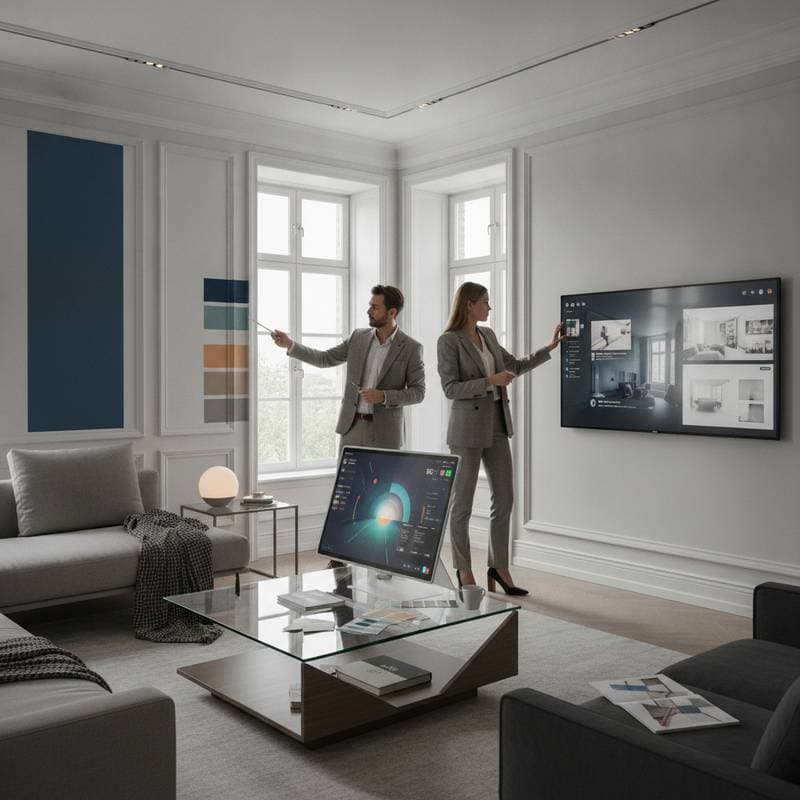
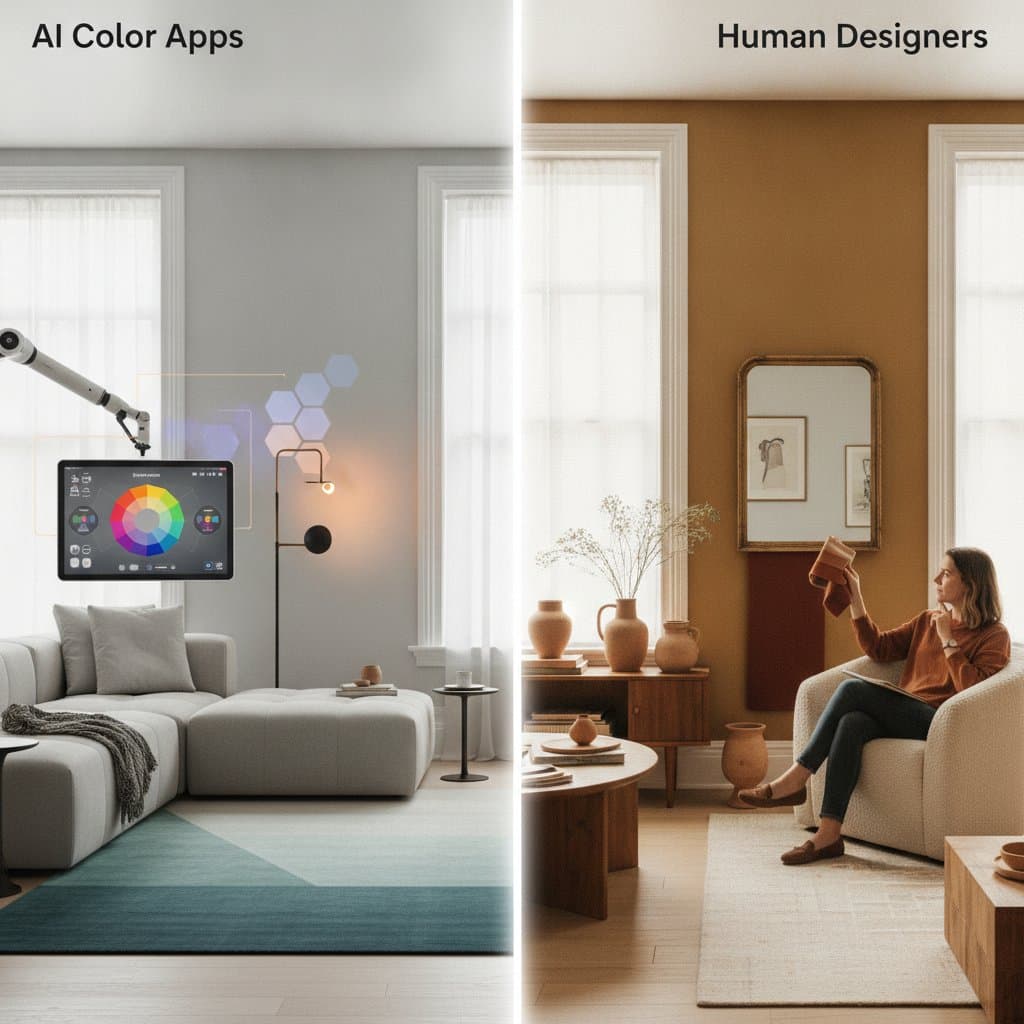
AI outputs serve as a starting point that experienced painters refine based on humidity, temperature, and substrate conditions. Design professionals still evaluate how a color supports the intended room atmosphere and personal preferences. Collaboration between the homeowner, designer, and contractor produces results that technology alone cannot achieve.
Implementing the Approach in Upcoming Projects
Request AI color matching services from contractors or paint retailers during initial consultations. Provide fabric samples, flooring pieces, or reference photographs for analysis. The resulting recommendations protect budgets, maintain schedules, and deliver finished spaces that align with original expectations.