Ditch Designers: AI Masters Home Color Matching
You select a new couch, but the wall color appears mismatched. The beige intended as warm now seems dull, and the trim takes on a yellow hue under evening light. Hiring a designer incurs costs of hundreds of dollars, while testing paint swatches often leads to poor results. How do you achieve color harmony without professional assistance or unnecessary expenses?
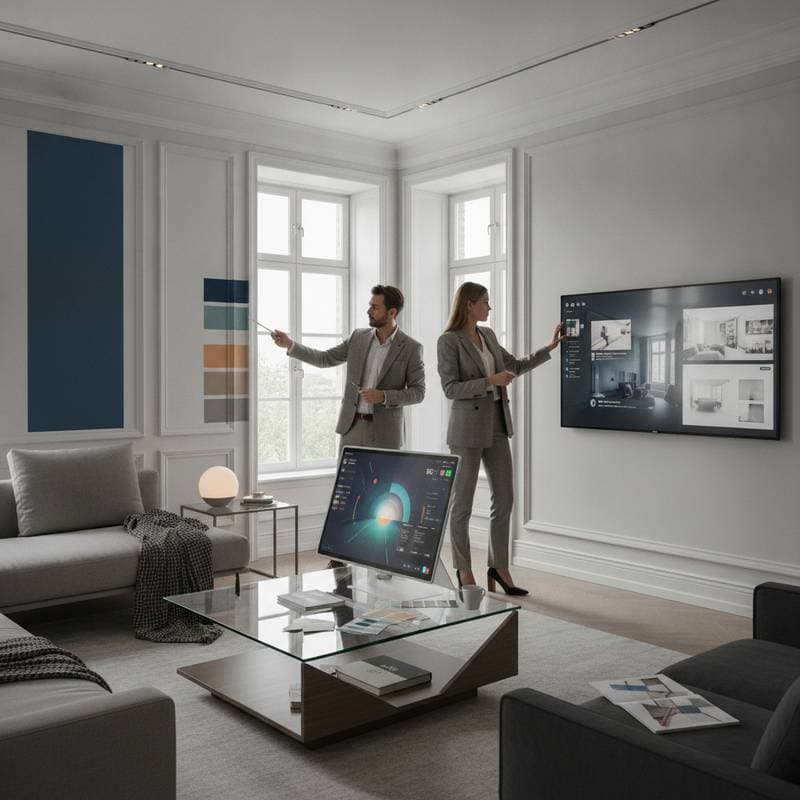
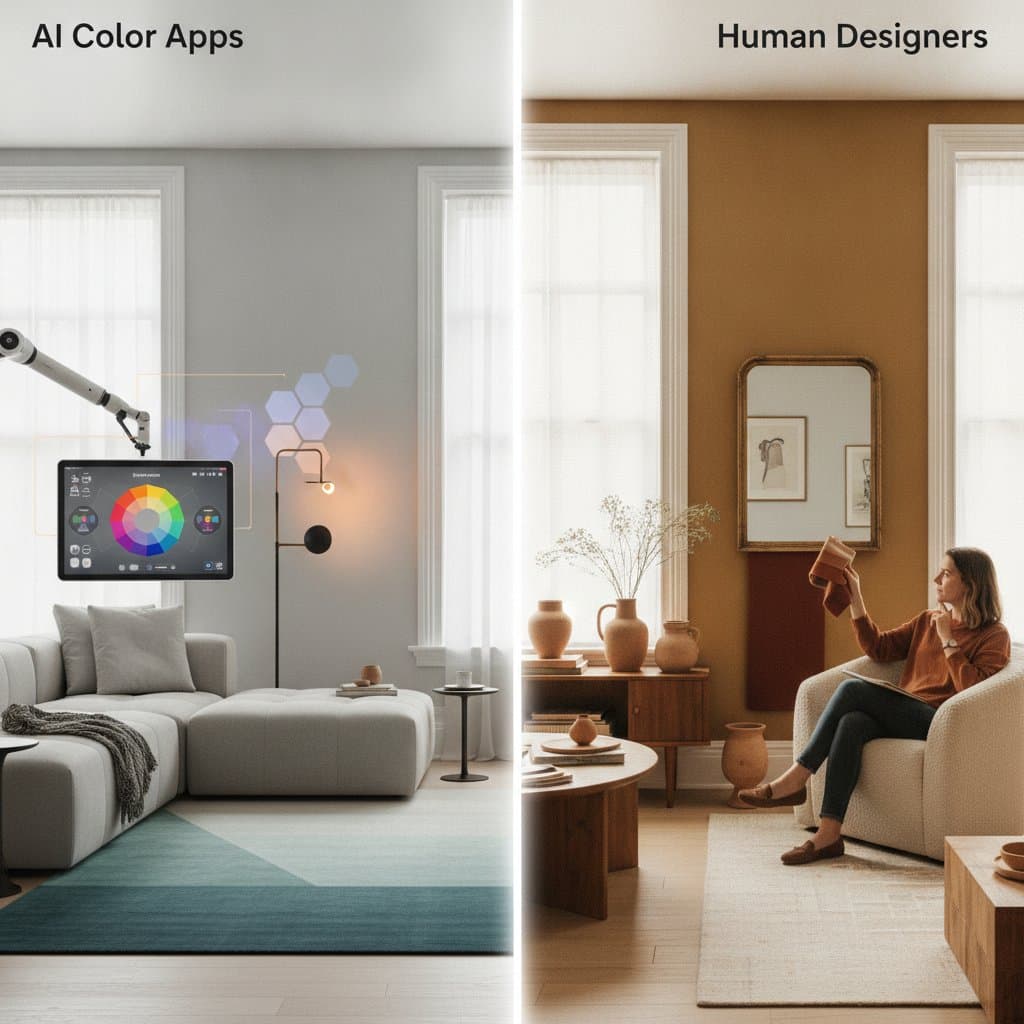
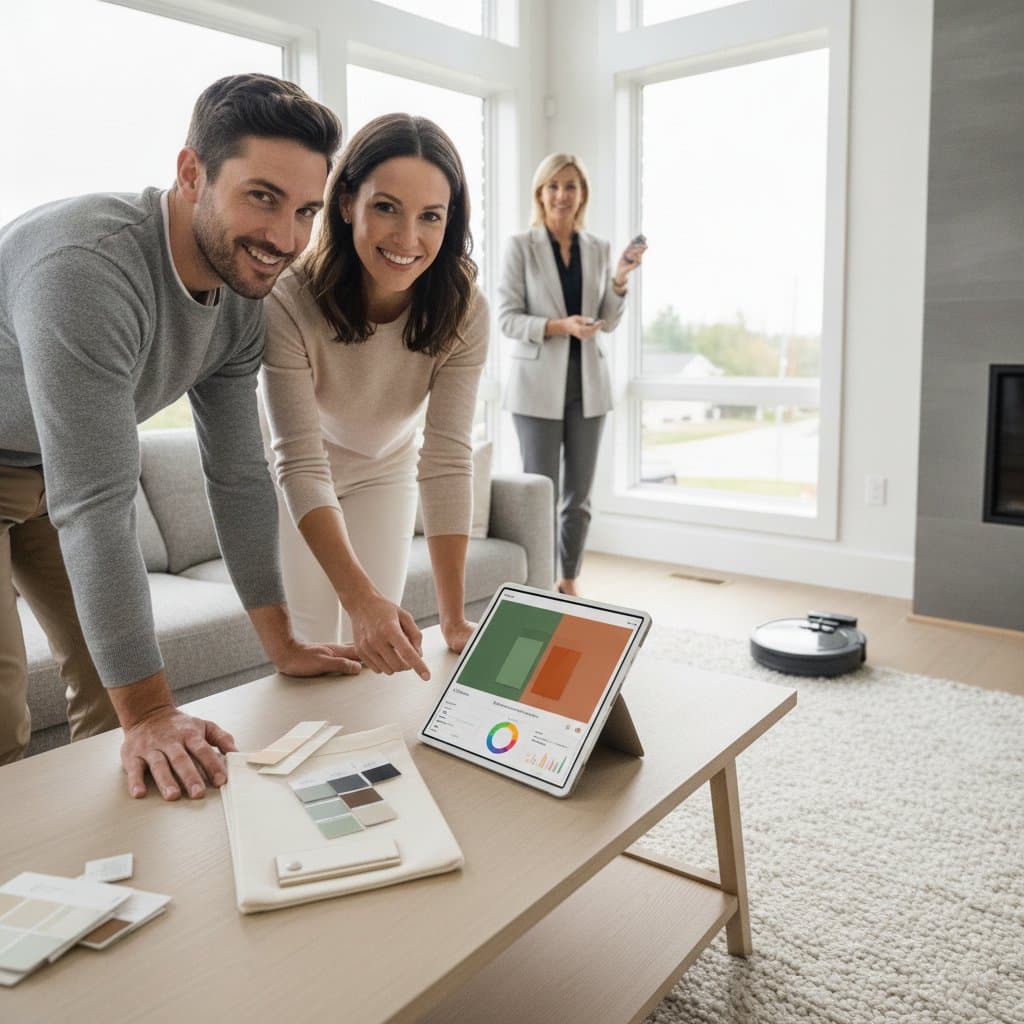
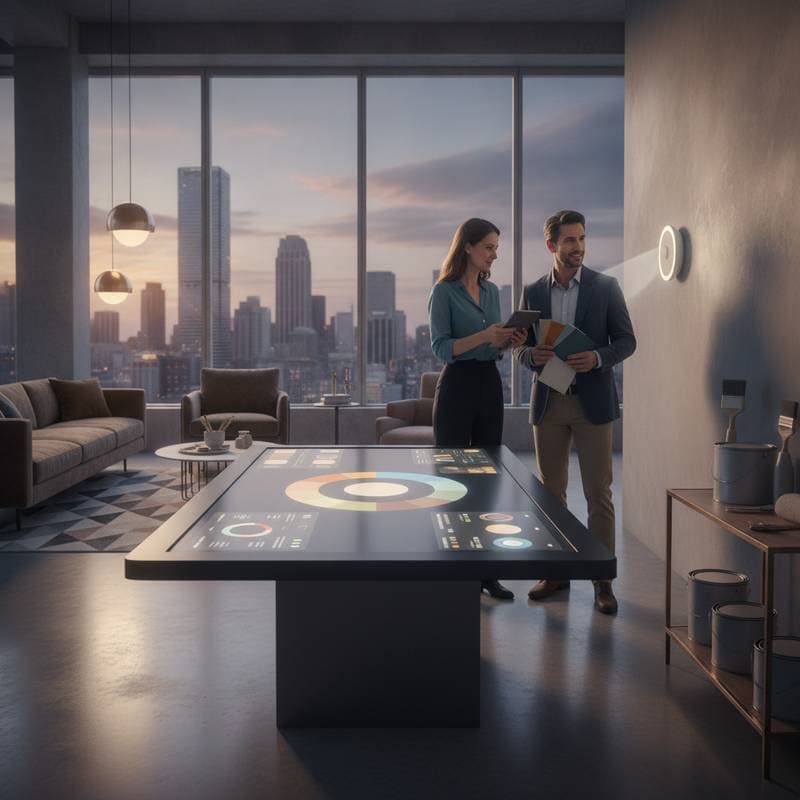
Artificial intelligence addresses this challenge. Advanced color matching tools employ AI to evaluate lighting, furniture, and finishes in your space, providing guidance comparable to expert advice at a minimal cost. If navigating paint chips has ever overwhelmed you, this technology offers clear direction and assurance.
Why AI Color Matching Succeeds
Traditional color matching depends on human perception, which remains subjective. Perceptions of color vary based on lighting, adjacent materials, and personal mood. AI tools deliver objective analysis through image processing and data evaluation. These systems examine room photographs, detect undertones, and propose complementary or contrasting colors aligned with your preferences.
The foundation of these tools lies in machine learning algorithms that refine accuracy with increased user data. As more individuals submit images, the system enhances its ability to recognize nuanced tone variations. For instance, it differentiates a cool gray from a warm gray, a distinction that challenges even experienced decorators.
Steps to Apply AI Color Tools in Your Home
Implementing AI for color matching proves straightforward. Most platforms adhere to a consistent workflow:
-
Capture Images or Activate Live View
Take a well-lit photograph of the room, incorporating both natural and artificial illumination. Certain applications enable real-time scanning via your smartphone camera. -
Identify the Target Element
Specify a wall, furniture item, or fabric for matching. The AI processes color information at the pixel level for precise extraction. -
Receive Palette Recommendations
In mere seconds, view curated color combinations. Suggestions encompass wall paints, trim hues, and accent tones. -
Simulate Changes Digitally
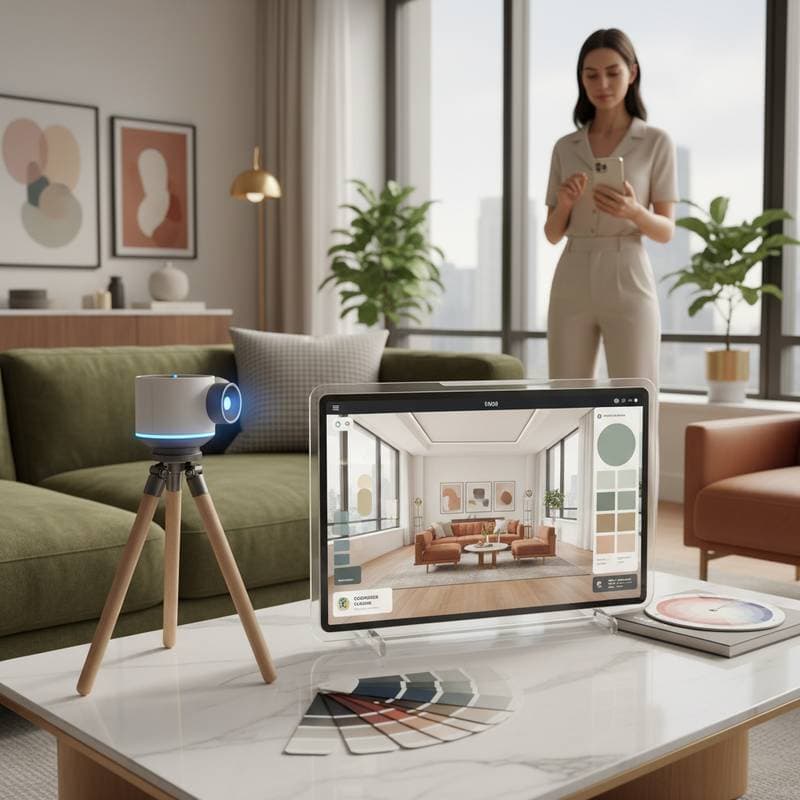
Utilize virtual previews to apply colors to walls or visualize new elements like rugs or cabinetry within your space. -
Procure and Test Samples
After selecting options, acquire small paint or fabric samples. Conduct physical tests prior to large-scale implementation.
Evaluation of Leading AI Color Tools
Multiple dependable tools exist, each suited to specific requirements and financial constraints.
-
Applications from Paint Manufacturers
Leading paint brands provide complimentary AI-driven matching features integrated with their product lines. These facilitate seamless ordering, though selections confine to the brand's offerings. Precision remains reliable for basic needs. -
Standalone Design Software
Subscription-based platforms offer extensive customization, including multi-brand suggestions, lighting assessments, and style guidance. Costs vary from free introductory periods to monthly fees of ten to twenty-five dollars. -
Portable Color Sensors
Compact devices scan surfaces directly and pair with mobile applications for exact matches. Initial purchase ranges from sixty to one hundred dollars, delivering accuracy akin to professional equipment.
Key Factors to Consider Prior to Implementation
Technology enhances decision-making, yet human oversight remains essential.
-
Illumination Variations
Photograph spaces under diverse lighting conditions. AI accounts for tonal changes, but actual settings influence final outcomes. -
Material Textures
Reflective or irregular surfaces alter light interaction. Apply tests to limited areas before full-room transformations. -
Financial Allocation
Basic AI applications incur no cost, while advanced features involve modest investments. Such options typically undercut a single designer session, priced at one hundred to three hundred dollars. -
Physical Validation
Virtual simulations aid visualization, but actual materials interact uniquely with environments. Sample applications ensure accuracy. -
Regulatory Compliance
Community associations or permits may govern exterior modifications. Verify requirements for enduring alterations.
Benefits of AI Color Matching for Efficiency and Savings
Homeowners gain from minimized experimentation. Targeted recommendations reduce the need for multiple paint purchases and reapplications, conserving resources and effort. Systems retain project histories, simplifying subsequent endeavors.
Creative exploration expands as well. Virtual trials allow bold experimentation without risk. Integrated suggestions for accents and trims harmonize with current elements, revealing innovative combinations previously overlooked.
Implement AI Color Matching Effectively
Initiate the process with a no-cost application to assess your environment and identify suitable palettes. If results prove valuable, upgrade to a sensor or subscription for enhanced capabilities. Confirm selections under real-world lighting, and document codes for ongoing maintenance.
AI serves as a reliable advisor, complementing your aesthetic vision to foster unified designs. Transition from uncertainty to assured, professional-quality results without prohibitive costs.