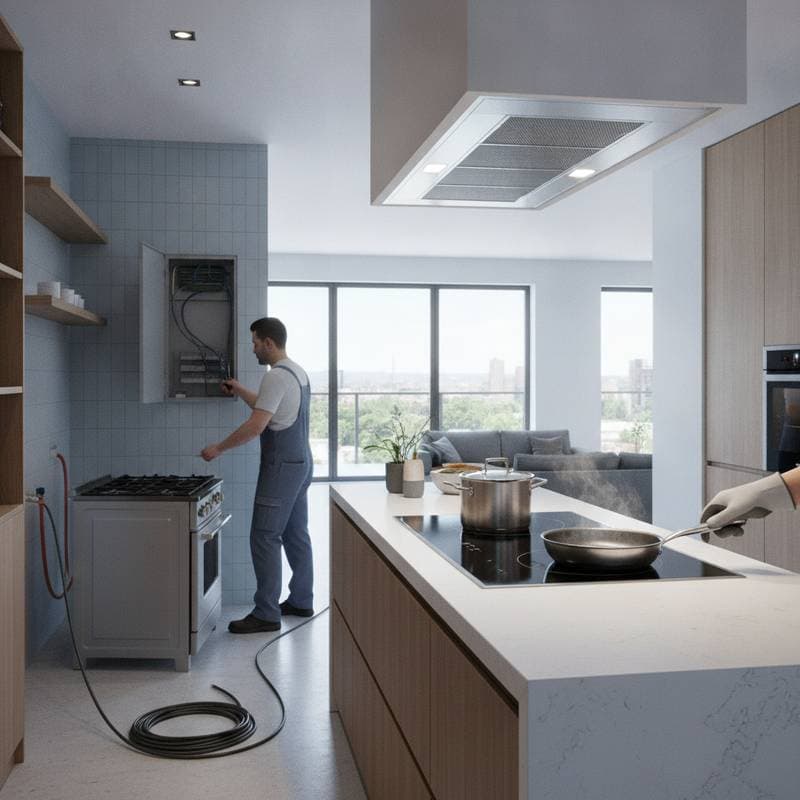
Understanding the 2026 Induction Mandate
The 2026 induction mandate represents a significant regulatory shift toward sustainable cooking technologies. Governments in various regions, including parts of the United States and Europe, enforce this policy to reduce emissions from fossil fuels. By that year, new constructions and major renovations must incorporate induction cooktops, eliminating reliance on gas appliances.
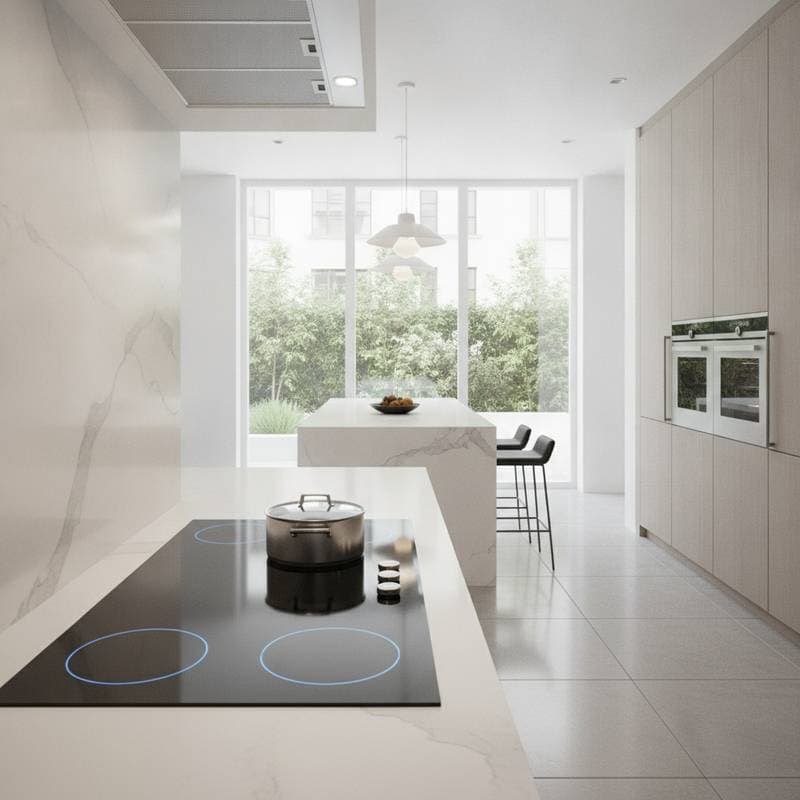
This transition aligns with broader environmental goals, such as lowering indoor air pollution and energy consumption. Induction cooking uses electromagnetic fields to heat cookware directly, offering precise control and rapid response. Homeowners face the challenge of adapting existing setups, but the benefits include safer, cleaner kitchens with minimal heat loss.
Key Impacts on Homeowners and Builders
For homeowners, the mandate disrupts traditional kitchen workflows centered on gas stoves. Existing gas installations become obsolete for new builds, prompting a reevaluation of appliance choices. Builders must integrate all-electric systems from the outset, influencing design decisions and material selections.
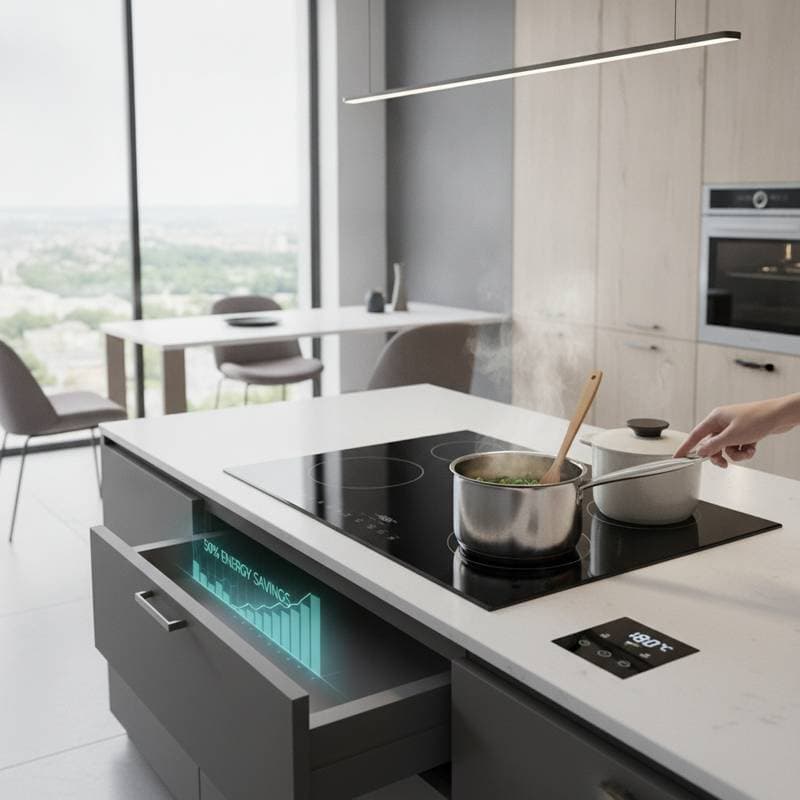
The policy accelerates the move to electrification, affecting not only cooking but also heating and hot water systems in some jurisdictions. Compliance ensures property value retention and avoids fines during inspections. Early awareness allows integration of smart features, like energy-monitoring appliances, into kitchen remodels.
Common Pitfalls to Avoid
Many homeowners encounter avoidable issues during the switch to induction. Awareness of these mistakes enables smoother transitions and prevents unexpected expenses.
-
Underestimating Electrical Capacity: Older homes often lack sufficient amperage for induction units, which draw more power than gas stoves. An inadequate panel leads to tripped breakers or failed inspections; conduct a load calculation early to identify needs.
-
Overlooking Ventilation Adjustments: Induction produces less ambient heat but may require updated exhaust systems for steam and odors. Retaining oversized gas hoods wastes space; opt for compact, efficient models suited to electric cooking.
-
Delaying Professional Assessments: Assuming a simple swap suffices ignores code variations by locality. Consult experts promptly to map out wiring paths and avoid rushed, error-prone installations.
-
Failing to Cap Gas Lines Properly: Turning off a gas valve alone does not suffice. Qualified technicians must cap lines securely and provide documentation for inspections, preventing hazards like leaks.
-
Not Planning for Cookware Changes: Post-installation, many realize that existing pans fail to work due to incompatible bases. Allocate budget for magnetic-compatible sets, such as cast iron or stainless steel with flat bottoms, to ensure functionality.
Cost Expectations
The conversion from gas to induction involves initial investments, primarily in electrical infrastructure. Homeowners upgrading older kitchens typically allocate four thousand to eight thousand dollars for panel enhancements, wiring, and circuit installations, influenced by service location and existing conditions.
Appliance costs range from one thousand to three thousand dollars for mid-range induction cooktops, with premium models offering additional features like built-in timers. These expenses diminish over time as induction efficiency lowers utility bills through faster heating and reduced waste.
Maintenance savings further justify the outlay, as electric systems eliminate gas-related repairs, such as igniter replacements or line inspections. Long-term, the setup supports renewable energy integration, potentially qualifying for rebates in incentive programs.
Steps to Implement the Transition
Effective preparation follows a structured approach to minimize disruptions.
-
Schedule a Panel Evaluation: Engage a licensed electrician to measure service capacity and recommend upgrades, ensuring the system handles induction demands without overload.
-
Consult a Design-Build Contractor: Select professionals versed in electric kitchens to orchestrate electricians, plumbers, and designers, streamlining the project timeline.
-
Budget for Comprehensive Upgrades: Factor in costs for wiring, new appliances, cookware, and ancillary items like countertop reinforcements to support heavier induction units.
-
Apply for Permits Early: Examine local building codes for induction-specific requirements and submit applications well in advance of any demolition or installation phases.
-
Document All Work: Maintain detailed records of electrical modifications and certifications, safeguarding against future disputes and facilitating home sales.
Realizing Long-Term Advantages
Homeowners who embrace the mandate early gain a competitive edge in energy efficiency and home value. Induction kitchens foster healthier environments by eliminating combustion byproducts, reducing risks of respiratory issues. The technology pairs seamlessly with solar panels or battery storage, positioning properties as leaders in sustainable living.
This proactive stance not only meets regulatory demands but also enhances daily cooking experiences with intuitive controls and consistent results. As the all-electric era unfolds, prepared kitchens deliver reliability and innovation for years ahead.