Why Wet Rooms Are Becoming the New Bathroom Standard
As a contractor who has remodeled hundreds of bathrooms, I can tell you that wet rooms are no longer a niche design choice reserved for high-end homes. They are quickly becoming the preferred standard for modern bathrooms. Homeowners are drawn to the open, barrier-free design. Builders appreciate the durability and practicality of a properly executed system.
When done right, a wet room adds real value to a home. When done wrong, it becomes a maintenance nightmare. Understanding both sides of that equation is the key to making the right decisions before you start tearing out tile.
What Makes a Wet Room Different
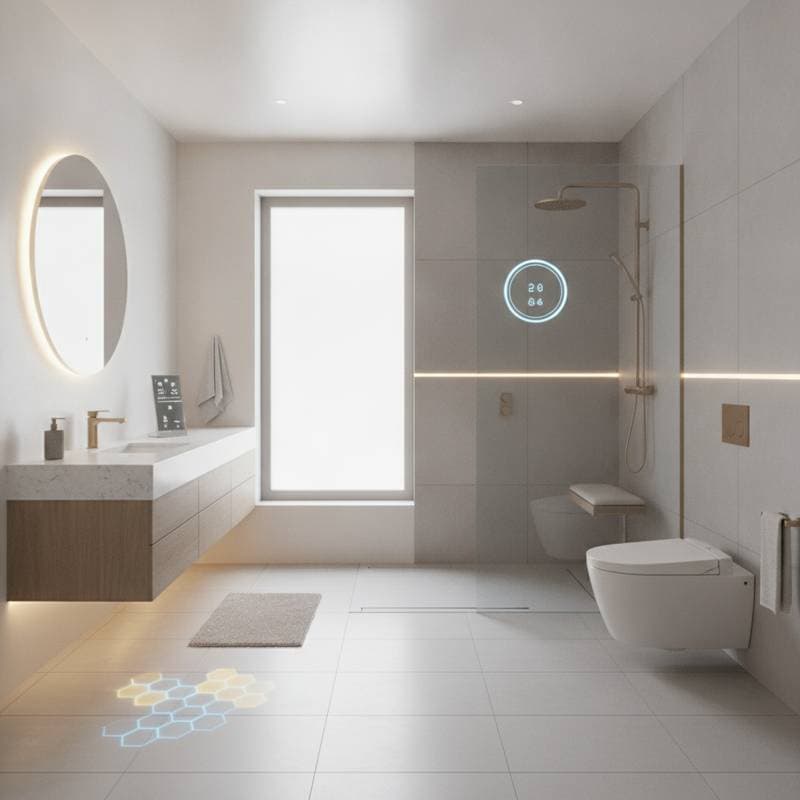
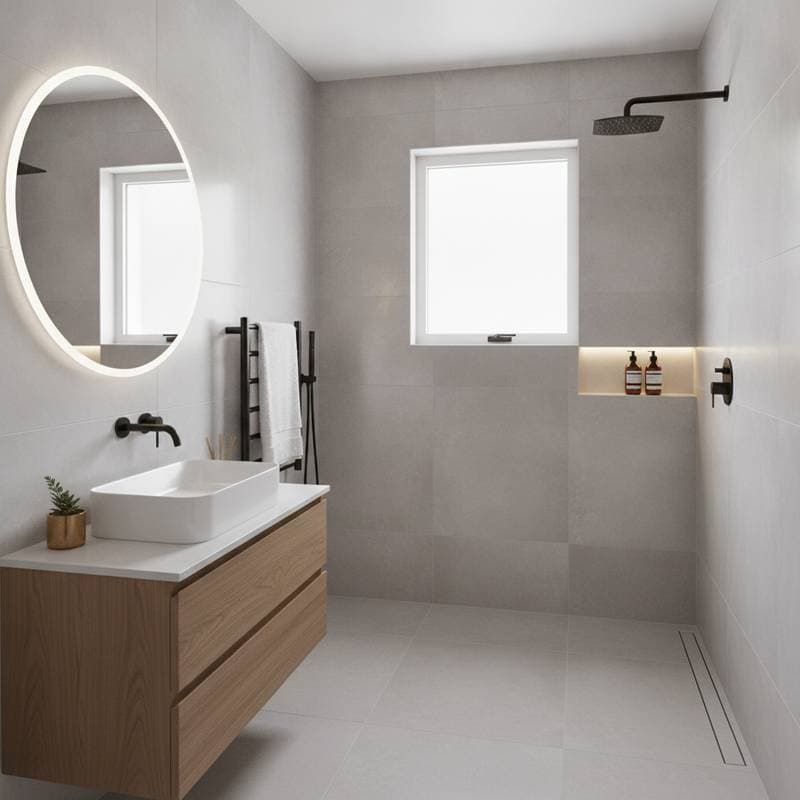
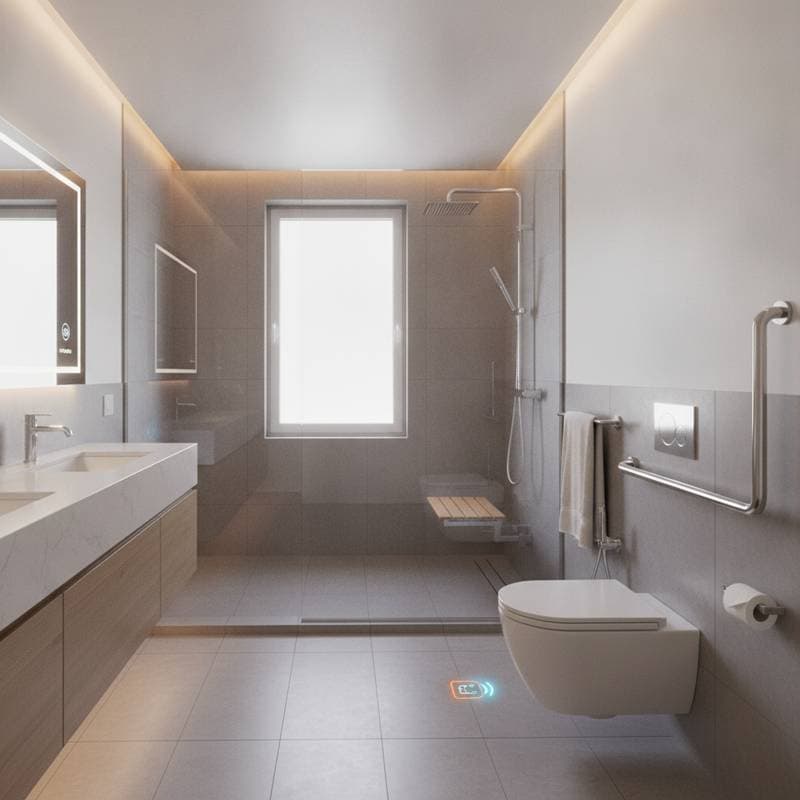
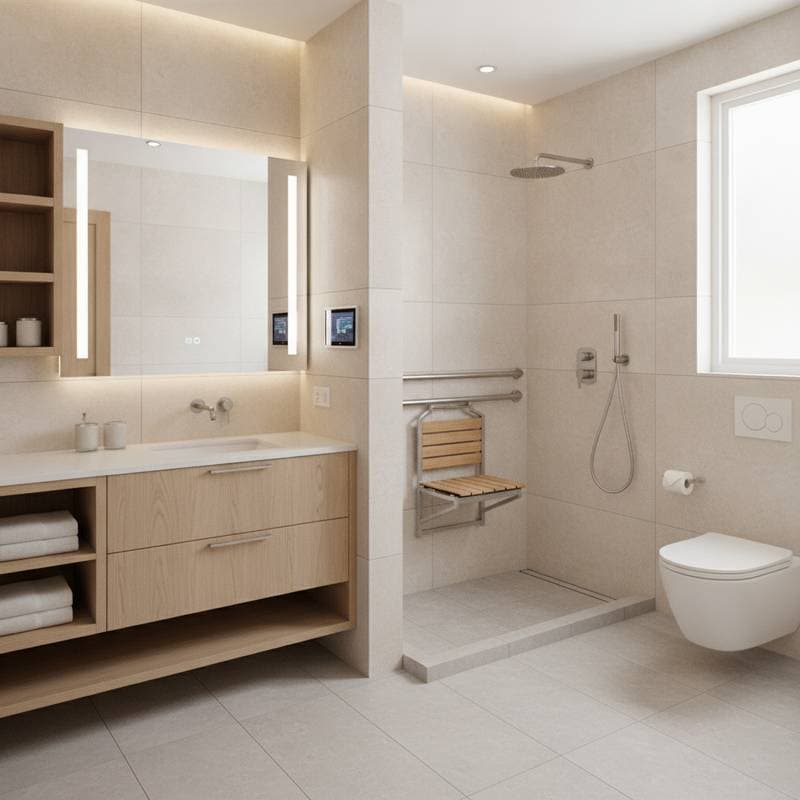
A wet room is essentially a fully waterproofed bathroom where the shower area is level with the rest of the floor. There is no raised shower tray or enclosed cubicle. Water flows directly onto the tiled floor and into a carefully designed drain system. Every surface, from the floor to the lower walls, is sealed against moisture.
The layout creates a seamless transition between wet and dry zones. This gives the space a larger, more open feel. The main appeal for homeowners is the visual simplicity and accessibility. For contractors, the attraction lies in the functionality and longevity of a properly waterproofed system.
Why Wet Rooms Are Gaining Popularity
Homeowners are moving toward wet rooms for several practical reasons.
-
Accessibility and Aging in Place: The barrier-free entry makes wet rooms ideal for anyone with mobility challenges. There are no thresholds to step over. The open layout allows for wheelchair access if needed. Many families now plan their homes for long-term use.
-
Space Efficiency: Even small bathrooms benefit from a wet room design. Removing bulky shower enclosures creates visual openness. This makes the space feel less confined. In compact homes or apartments, this can transform the overall usability of the room.
-
Ease of Cleaning: With fewer joints, edges, and glass panels, wet rooms are easier to maintain. The continuous surfaces reduce mold and grime buildup. A quality waterproofing system prevents water damage beneath the surface.
-
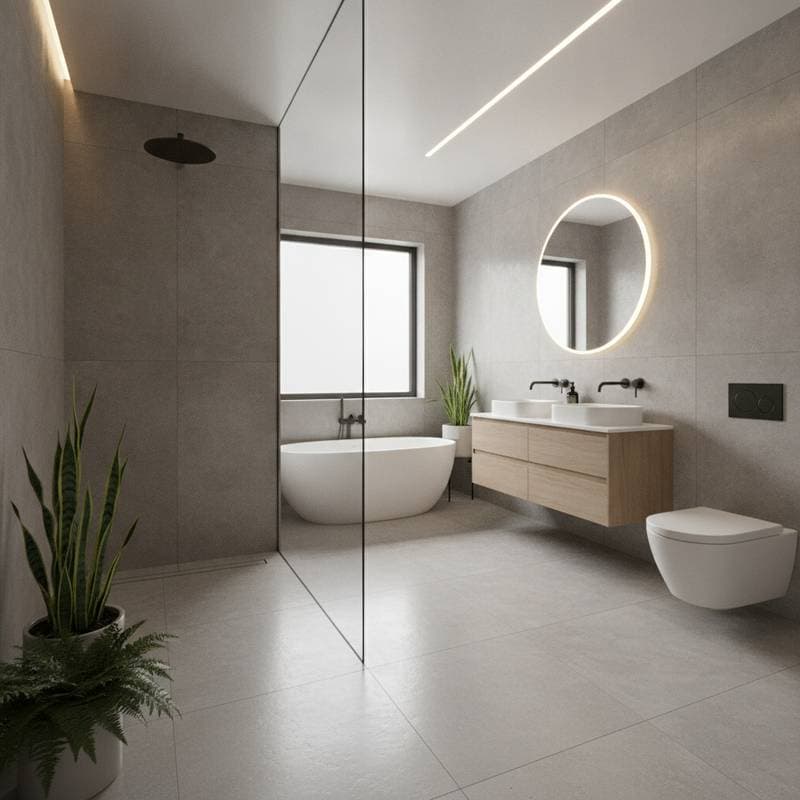
Modern Design Appeal: Open-shower designs align with current trends toward minimalist living. Natural stone, porcelain, and large-format tiles enhance that clean, uninterrupted look. The aesthetic fits both contemporary and traditional homes with the right finishes.
-
Long-Term Durability: When correctly built, a wet room is one of the most durable bathroom formats available. Every surface is sealed. This means fewer opportunities for leaks and structural damage over time.
The Hidden Risks of Poor Construction
I have repaired enough failed wet rooms to know that the excitement of a sleek design often fades when corners are cut during construction. The most common issues include improper waterproofing, inadequate drainage, wrong material choices, ventilation neglect, and unlicensed contractors.
Many homeowners assume tiles themselves are waterproof. They are not. The waterproofing layer beneath the tile is what protects the structure. Skipping or misapplying this step invites leaks that can ruin flooring, drywall, and framing.
A wet room relies on precise slope and drain placement. If the floor is not correctly graded, water will pool in corners or seep under walls. Once that happens, one faces a full rebuild, not a quick fix.
Porous stone or improperly sealed grout can absorb water. This weakens adhesives and causes tiles to lift. Every component, from backer board to sealant, must be rated for continuous wet exposure.
A wet room without proper ventilation creates a humid environment that encourages mold growth. Waterproofing keeps water out of the structure, but ventilation keeps moisture out of the air.
Wet rooms demand more skill than a traditional shower installation. Hiring an installer who does not understand waterproofing systems is one of the fastest ways to waste money. Always verify that your contractor has experience with full wet room installations.
The Correct Way to Build a Wet Room
A solid wet room starts long before tile installation. Every phase requires precision and adherence to building standards.
-
Subfloor Assessment and Preparation: The floor must be structurally sound and capable of supporting a waterproofing system. In older homes, this may involve reinforcing joists or replacing subfloor panels. Leveling is critical, as even small irregularities affect drainage later.
-
Waterproof Membrane Installation: The entire floor and lower wall sections are coated or lined with a continuous waterproof membrane. This can be a liquid-applied system or a sheet membrane. Every joint, corner, and penetration must be sealed correctly.
-
Slope Formation: The shower area needs a precise fall toward the drain, typically around a quarter inch per foot. Too much slope creates an uncomfortable surface. Too little prevents proper water flow.
-
Drain Placement and Integration: Linear drains are popular in wet rooms because they collect water efficiently along one edge. This allows for larger tiles and a cleaner look. The drain must be securely bonded to the membrane so water cannot escape underneath.
-
Tile and Grout Selection: Choose non-slip tiles for the floor and water-resistant grout. Epoxy grout is a strong choice for durability and stain resistance. Larger tiles require more precision in slope creation but reduce the number of joints.
-
Ventilation and Heating: Include an exhaust fan rated for continuous moisture and consider underfloor heating. Heated floors help dry surfaces faster. This reduces moisture accumulation and improves comfort.
-
Final Testing and Finishing: Before tile installation, the waterproofing system should be flood-tested for at least twenty-four hours to confirm there are no leaks. A professional contractor will never skip this step.
Cost and Value Considerations
A well-built wet room can cost more upfront than a standard shower, but the long-term benefits justify the investment. The waterproofing materials, slope preparation, and specialized labor add to the budget. Yet they protect against expensive repairs later. In my experience, the cost of repairing a failed shower often exceeds the price difference between doing it right and cutting corners initially.
From a resale perspective, wet rooms are appealing to buyers who value accessibility and modern design. They also signal that the home has been updated with premium finishes and careful craftsmanship. A properly executed wet room can stand up to heavy use for decades with minimal maintenance.
Common Misconceptions
Many homeowners hesitate to consider wet rooms due to misunderstanding the construction or maintenance involved.
Water will not flood the entire bathroom if the space is designed correctly. The graded floor and proper drain placement keep water contained within the intended area. Wet rooms often work best in smaller spaces where removing barriers creates more usable area.
The cost difference largely comes from waterproofing materials and labor. When you factor in longevity and reduced maintenance, the overall value is strong. Smooth surfaces and minimal joints actually make cleaning easier. A quick rinse and wipe are usually enough to maintain the space.
Selecting Your Installation Team
If you decide to move forward with a wet room, the most important decision is who builds it. Ask for photos and references from previous wet room projects. General bathroom experience is not enough.
Verify that the contractor holds the required licenses and carries liability and workers compensation insurance. This protects both parties if something goes wrong. Many waterproofing systems require certified installers. Using a trained professional ensures warranty coverage and compliance with product specifications.
Your contractor should explain each phase clearly and provide written estimates and timelines. Avoid anyone who brushes off questions or hesitates to document the process.
Maintaining Your Investment
Once your wet room is complete, basic maintenance keeps it performing as designed. Keep drains clean. Inspect grout lines annually. Run the exhaust fan during and after showers to control humidity. Avoid harsh cleaners that damage sealants. Reseal grout if recommended by the installer.