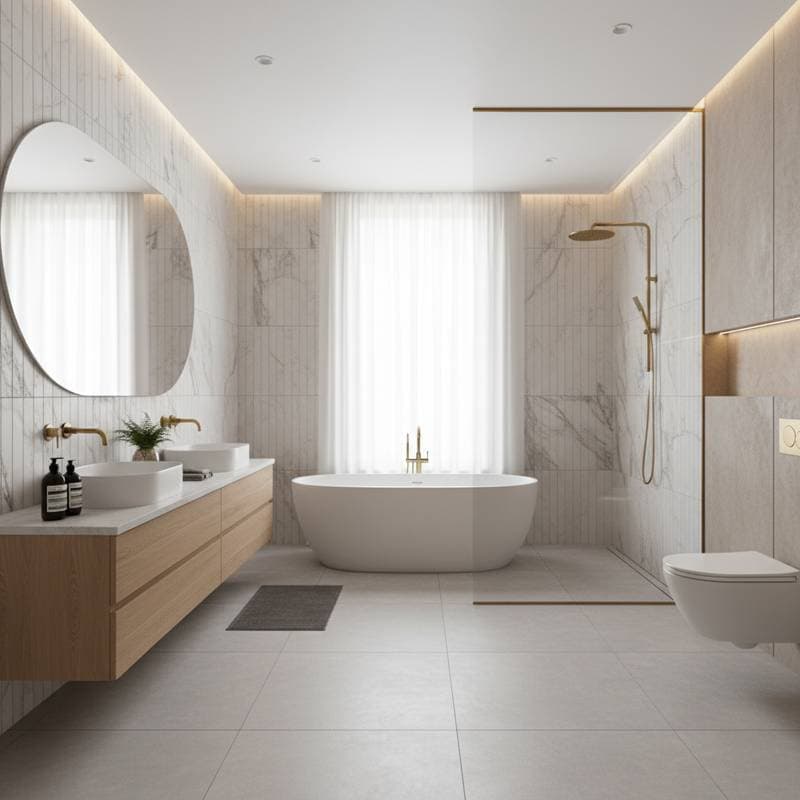
Why Wet Room Bathrooms Create the Illusion of Greater Space
Bathrooms have transformed from mere functional areas into immersive environments that prioritize experience and ambiance. Homeowners and designers increasingly adopt the wet room bathroom, which eliminates barriers between the shower and the rest of the space. This approach features open, seamless surfaces and doorless designs, fostering a serene atmosphere that combines contemporary style with enduring appeal.
Seamless Design Enhances Perceived Size
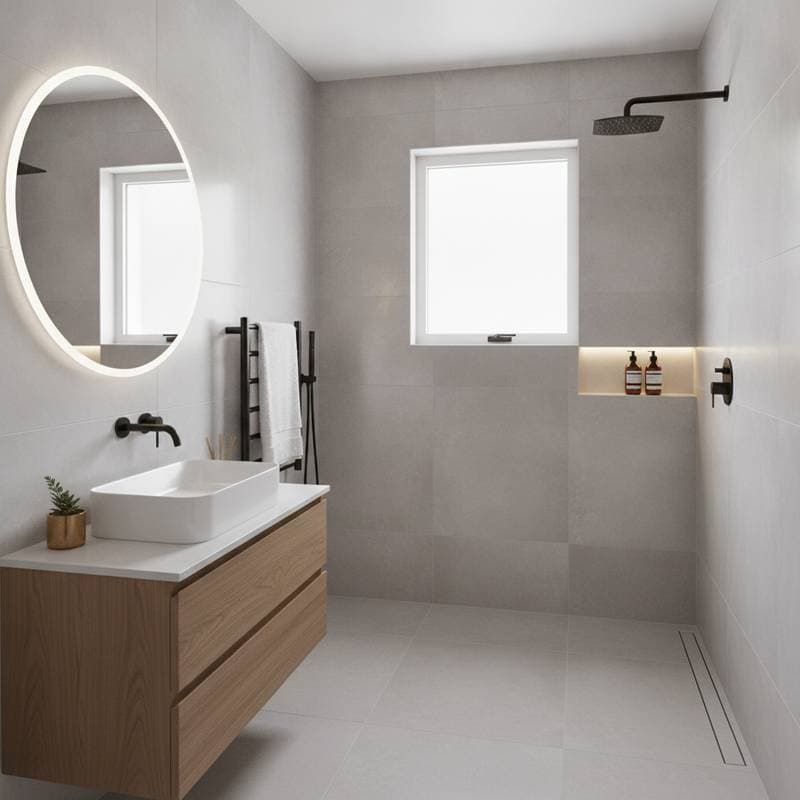
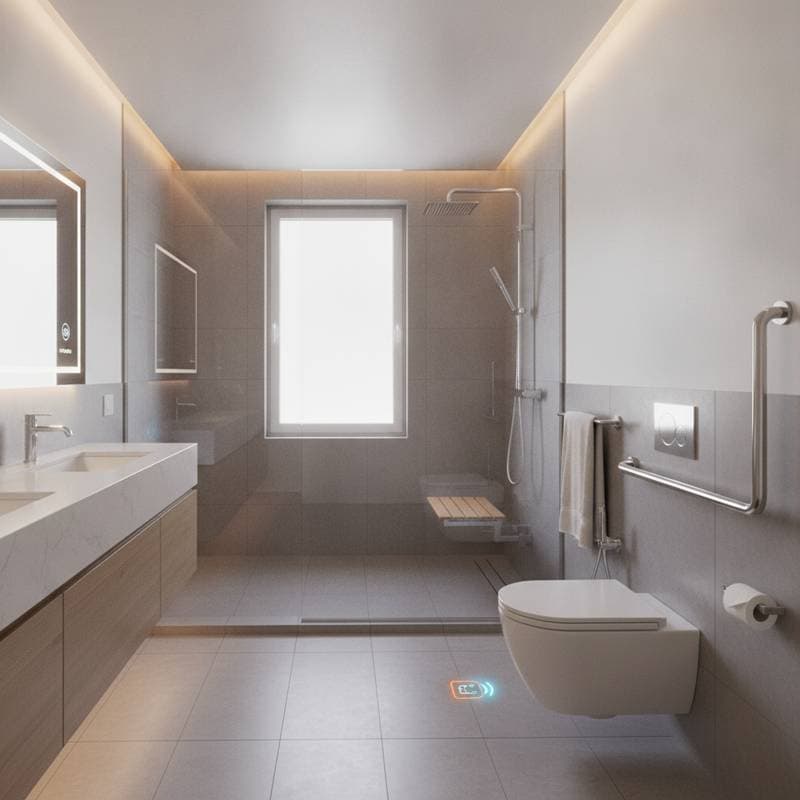
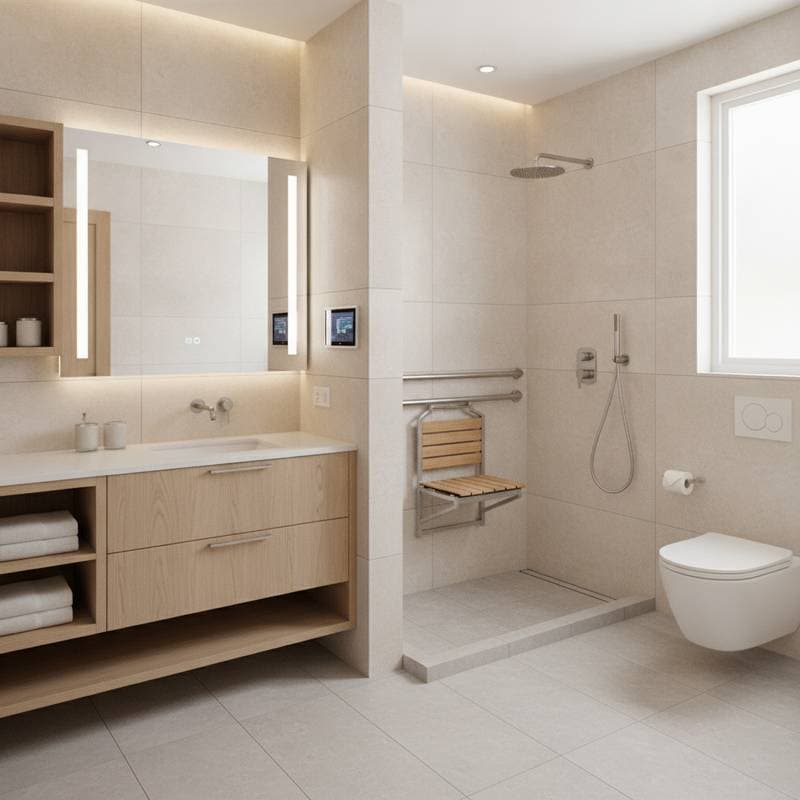
The hallmark of a wet room is its fluid visual continuity. By removing traditional shower trays and doors, the space appears more expansive, airy, and tranquil. Designers such as Helen Tully of Atelier H Interiors characterize the wet room as a space that breathes freely.
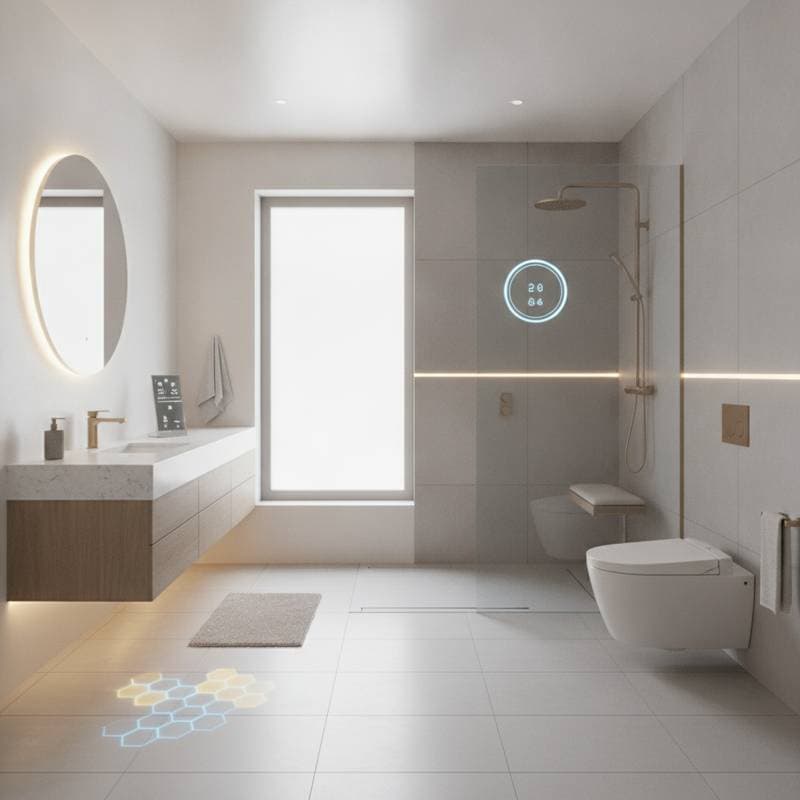
Large-format porcelain tiles, like Graphite by Porcelanosa or Warm Gray by Farrow & Ball, form a unified surface across the floor. Subtle slopes in the flooring direct water toward drains without disrupting the eye. Architectural practices including Studio McGee and Redfern Design Group incorporate linear drains, recessed LED lighting, and matte brass fixtures to preserve this seamless sightline. Attention to details, such as tile grout alignment and light reflections on honed marble, amplifies the sense of openness.
Practical Benefits Complement Luxurious Appeal
The wet room balances aesthetic elegance with everyday utility. Threshold-free entry and absence of doors enhance accessibility, supporting aging in place and streamlining routines. Waterproof membranes under tile or microcement finishes ensure resilience against moisture.
Professionals frequently pair European oak vanities with tumbled limestone floors to harmonize warm and cool elements. Maintenance proves straightforward due to the design's simplicity, and underfloor heating promotes quick drying and added comfort. Families appreciate the reduced cleaning effort and elimination of mold risks associated with enclosed showers.
Materials Foster Sensory Engagement
Wet rooms emphasize tactile and visual qualities in their material choices. Textures encourage interaction, while tones promote relaxation. Sophie Baines Studio, for instance, integrates Brushed Nickel fixtures from Waterworks with hand-glazed zellige tiles to achieve dynamic light effects.
Natural stone provides a solid foundation, complemented by polished plaster or microcement for subtle sheen. Strategic lighting, such as LED strips concealed behind mirrors or under vanities, generates a soft illumination that dances across damp surfaces. This setup allows the ambiance to adapt, energizing mornings and soothing evenings, with minimal visual distractions letting materials dominate the narrative.
Customization Unlocks Design Versatility
Wet rooms liberate designers to tailor spaces to individual lifestyles rather than rigid conventions. In compact urban settings, they generate an impression of vastness; in larger homes, they serve as bold focal points. Eleanor Park of Forma Studio employs fluted glass panels or recessed thresholds to delineate wet and dry areas smoothly.
Creative explorations include color blocking, such as deep green terrazzo floors against pale Venetian plaster walls. This flexibility accommodates minimalist restraint or maximalist expression, positioning wet rooms as a adaptable trend in modern bathroom design.
Sustainable Choices Ensure Enduring Value
Wet rooms embody forward-thinking environmental practices. They minimize use of plastic components and obsolete enclosures, opting instead for durable natural materials. Effective waterproofing and ventilation prolong the life of surfaces, decreasing renovation frequency.
Fewer elements mean reduced waste and simpler upkeep. Options like ceramic tiles with recycled content, paired with low-flow showerheads, deliver eco-friendly performance alongside sophistication. Designers favor eco-certified microcements from Topciment for a polished, conscientious result.
Integrating a Wet Room into Your Home
Installing a wet room elevates routine activities into moments of respite. The expansive layout promotes unwinding, with steam dissipating evenly and sounds muffled for a secluded sanctuary. Many residents report extended stays in these spaces, captivated by the cohesive interplay of elements.
To embark on a renovation, prioritize a robust waterproofing system, efficient drainage, and time-tested materials. Collaborate with specialists versed in wet room builds to secure both aesthetic excellence and lasting functionality. This design reimagines the integration of water, illumination, and architecture in personal sanctuaries.