Why Modular Induction Zones Outperform Fixed Cooktops
Homeowners planning kitchen remodels encounter a clear shift in cooking surface options. Traditional full cooktops give way to modular induction zones because of measurable gains in performance and adaptability. This transition stems from practical needs rather than fleeting style preferences.
Limitations of Fixed Cooktops
A single full cooktop locks the layout into one rigid unit. Failure in any section often requires service for the entire appliance. Many households use only two burners regularly yet pay for unused surface area that adds to both initial cost and ongoing energy draw.
Core Advantages of Modular Induction Units
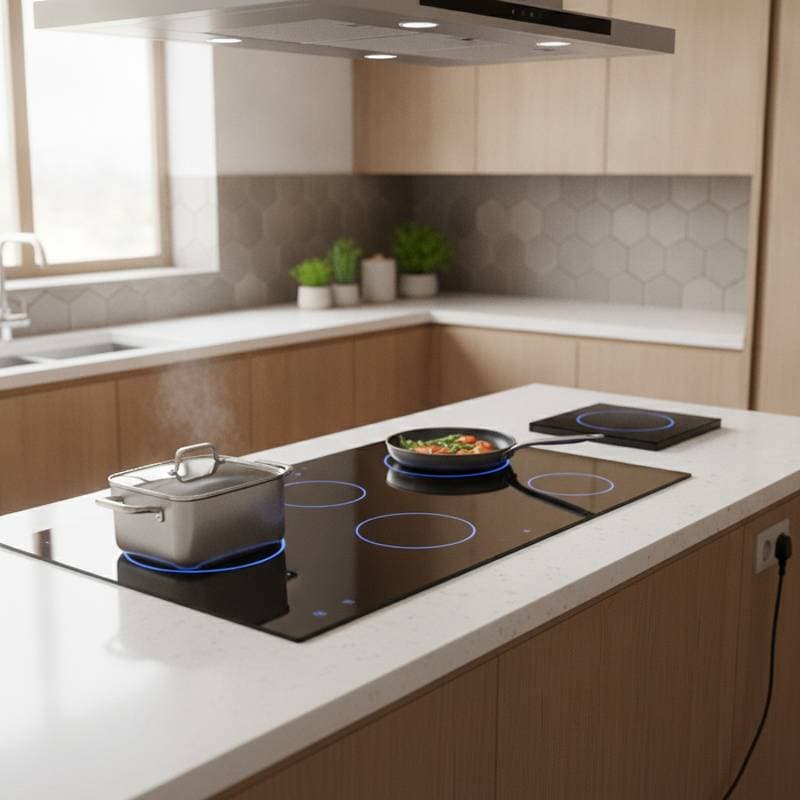
Each induction module operates independently through electromagnetic energy transfer directly to compatible cookware. This approach produces rapid heat, minimal waste, and a surface that stays cool to the touch. Contractors value the ability to service or replace one module without disturbing surrounding countertop or cabinetry.
Homeowners gain several concrete benefits from the modular approach.
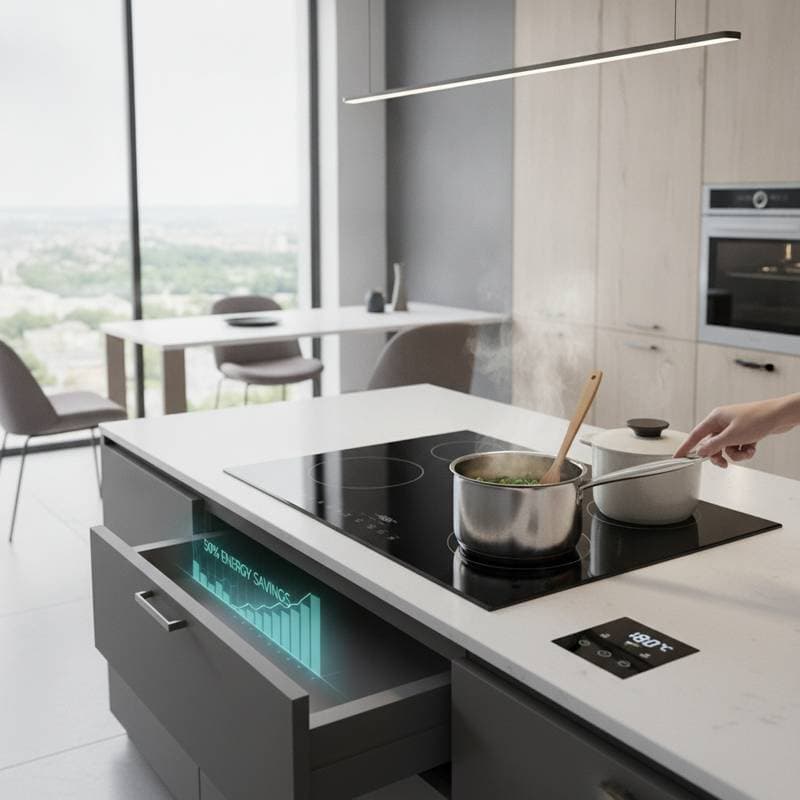
- Energy performance - Induction transfers nearly all input power into the pan, which lowers utility bills and reduces kitchen heat output.
- Safety features - Zones activate only with magnetic cookware and stop the moment the pan lifts away, eliminating open flames and hot exposed elements.
- Layout options - Modules install in linear runs, clusters, or mixed with gas units to match actual cooking patterns.
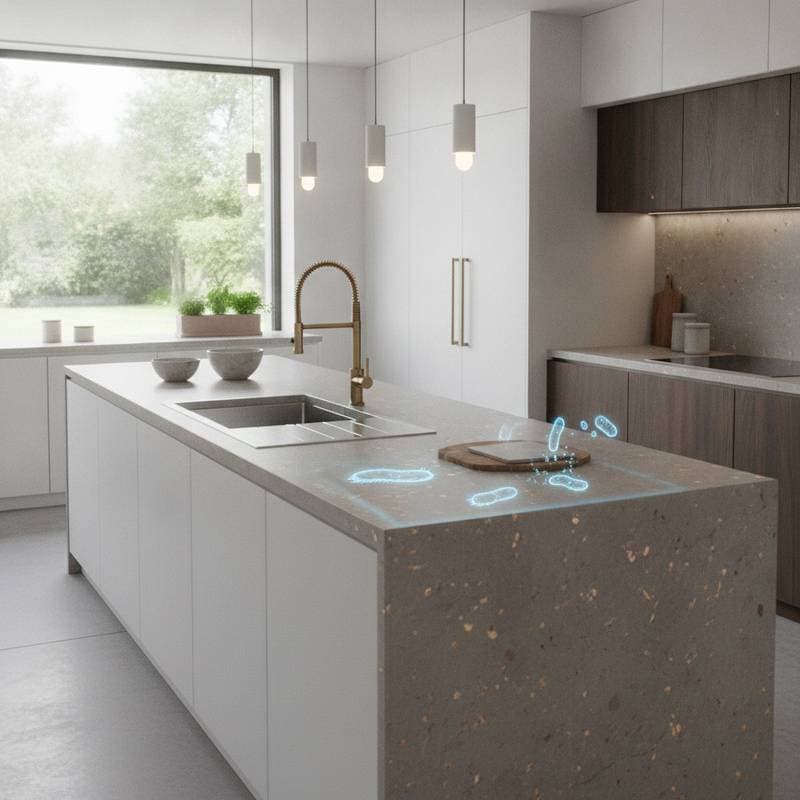
- Maintenance access - Spills wipe away easily, and individual units allow targeted repairs without full countertop removal.
- Future expansion - Start with one or two zones and add capacity later without new demolition.
Installation Considerations for Professionals
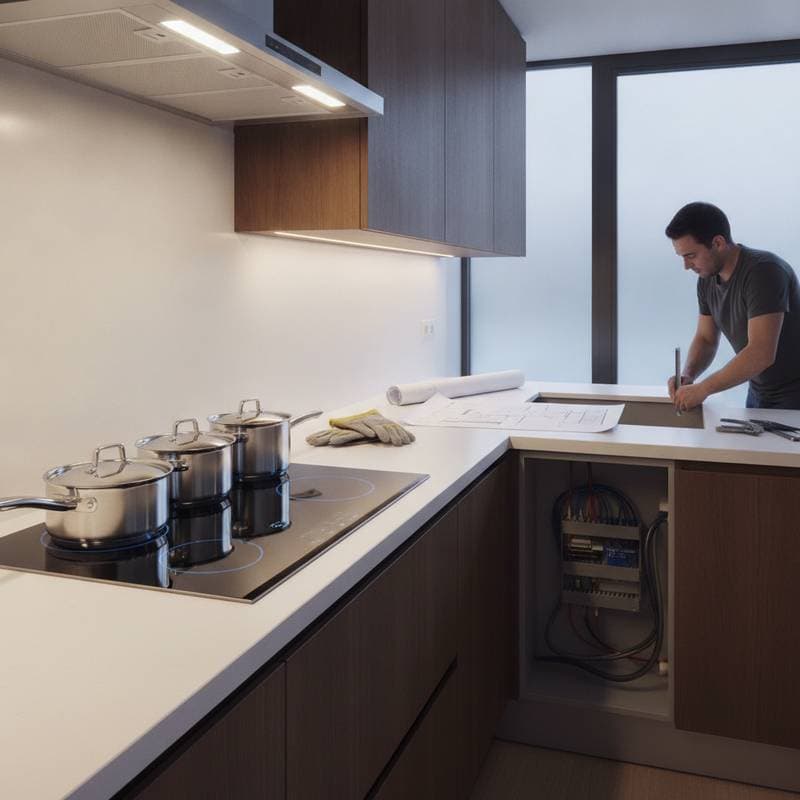
Each module connects through its own wiring harness on standard circuits. This setup simplifies load calculations and code compliance. Staged installation becomes feasible: place the countertop once, then add zones as budgets allow.
Addressing Common Concerns
Induction requires magnetic cookware, yet most stainless steel and cast iron pieces already meet this standard. Users report a short adjustment period followed by appreciation for instant response and precise temperature settings. The tactile difference from gas fades quickly once the speed and consistency become familiar.
Cost and Value Over Time
Upfront module pricing exceeds basic electric cooktops, yet lower energy consumption and reduced service needs produce payback within several years. Real estate agents note that flexible induction layouts signal modern efficiency and support higher resale interest in energy-conscious markets.
Design and Sustainability Impacts
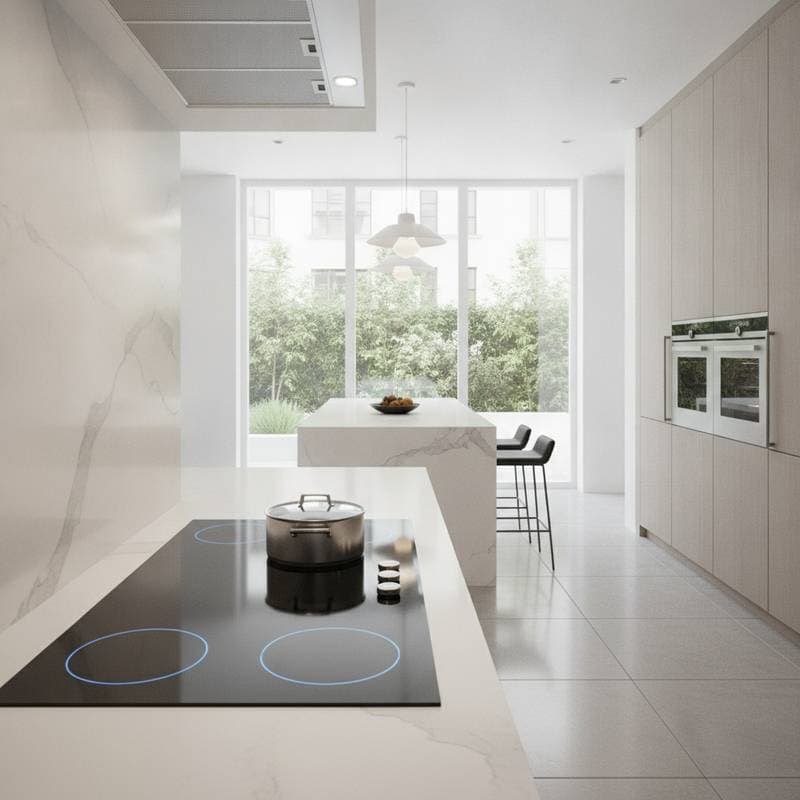
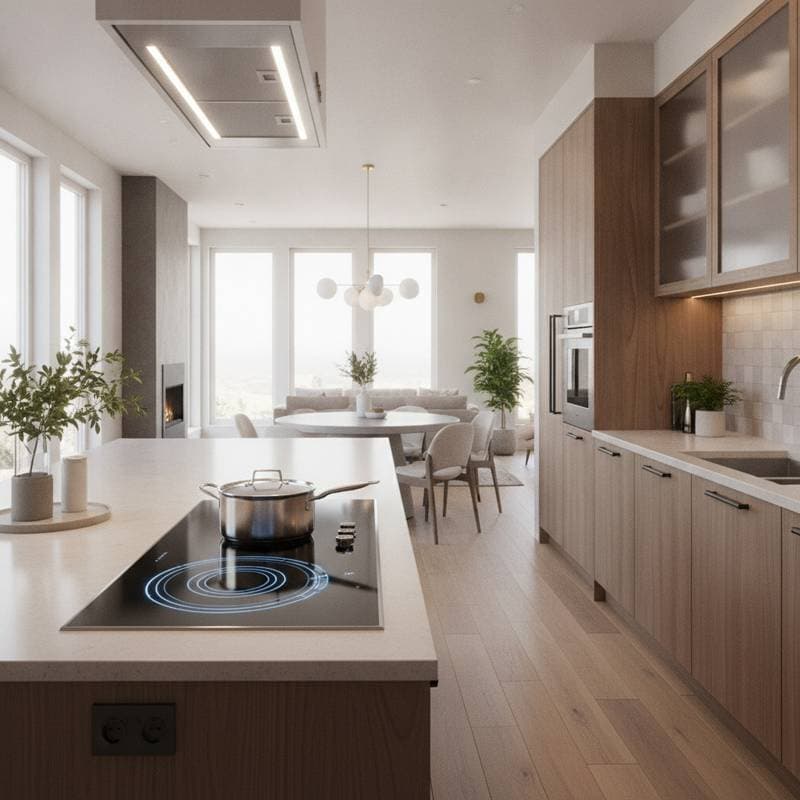
Flush mounting options free designers from fixed cutout sizes and allow creative integration with stone or solid-surface counters. Lower heat output relaxes ventilation demands and permits more open upper storage. Pairing with solar systems removes on-site fossil fuel use entirely.
Planning Steps to Avoid Common Errors
Verify circuit capacity with a licensed electrician before purchase. Confirm countertop thickness and support at every module location. Maintain manufacturer-specified clearances for airflow and future service. Test each unit under power prior to final sealing.
Matching Contemporary Kitchen Use
Kitchens now serve as shared workspaces where multiple cooks operate simultaneously. Portable or island-mounted zones support this pattern and allow quick reconfiguration for gatherings. One recent project used two flush zones beneath matching covers that preserve a clean bar surface when idle yet deliver full professional capacity on demand.
Long-Term Performance Outlook
Fewer mechanical components reduce wear points compared with gas systems. Independent module operation limits downtime to a single unit when service is required. Replacement parts remain available, and clean surfaces extend operational life. Households that adopt modular induction consistently retain the configuration through subsequent remodels.