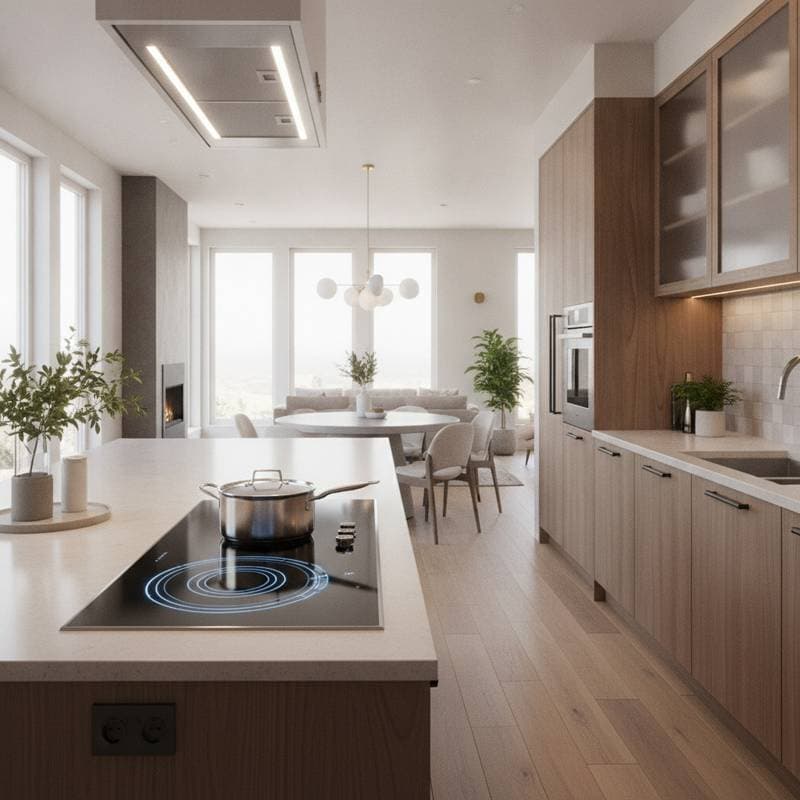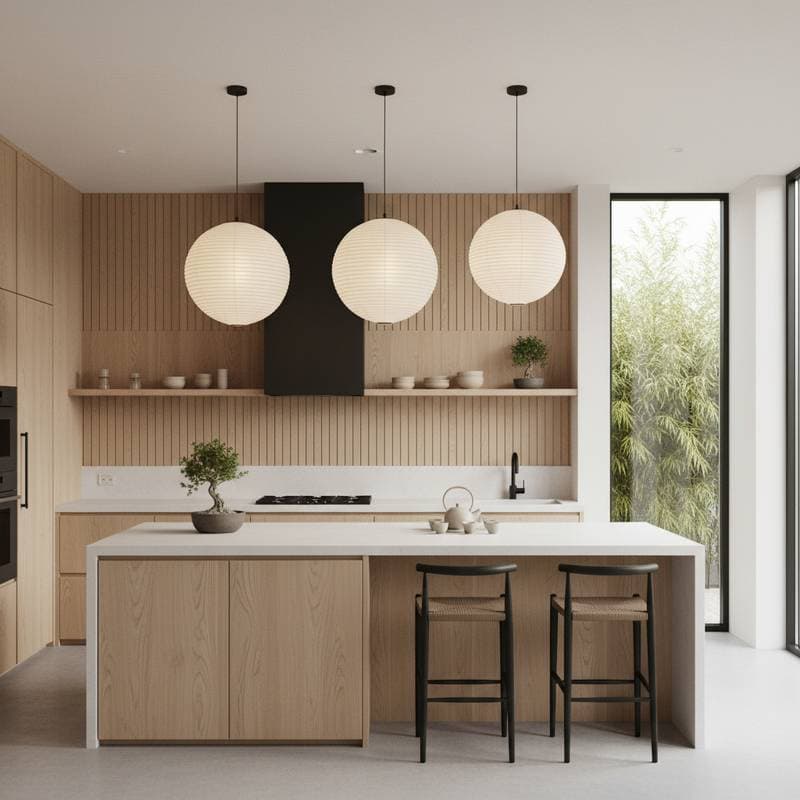
Why Japandi Rules 2025 Kitchen Remodels
Imagine entering your kitchen and immediately sensing overwhelm from cluttered counters, mismatched finishes, and outdated fixtures. You desire calm, simplicity, and practicality, yet the right design path remains unclear. For a kitchen that balances peace with utility, Japandi emerges as an ideal choice.
Japandi merges Japanese minimalism with Scandinavian coziness. This approach emphasizes clean lines, natural textures, and an organized warmth. The style gains prominence in kitchen remodels for its ability to blend aesthetics with everyday usability. Explore the reasons behind its dominance and practical ways to incorporate it into your home.
What Makes Japandi Distinct
Japandi transcends fleeting trends; it represents a philosophy rooted in two traditions renowned for deliberate craftsmanship and intentional design. Japanese wabi-sabi embraces imperfection and organic beauty, while Scandinavian principles highlight functionality and illumination. Combined, these elements create an atmosphere of serenity, purpose, and longevity.
Unlike styles that pursue dramatic flourishes or elaborate details, Japandi prioritizes restraint. Each component serves a clear function. Surfaces remain unadorned and free of excess. Materials such as oak, bamboo, and matte stone prevail. Neutral colors provide subtle variations through warm woods alongside soft grays or beiges. The outcome yields a grounded, restorative environment that supports efficient daily routines.
Reasons Homeowners Select Japandi Kitchens
The kitchen evolves beyond a mere preparation area; it serves as the core of family activities, meals, work, and social moments. Individuals seek layouts that diminish distractions and foster tranquility. Japandi fulfills this demand through equilibrium and moderation.
Consider these primary factors driving its popularity in renovations:
-
Calm and Organization
Japandi layouts promote order by assigning dedicated spaces to essentials. Open shelving appears selectively, with most storage concealed in sleek, flat-panel cabinets. Such arrangements simplify maintenance and cultivate psychological ease. -
Organic Warmth
Japanese austerity softens through Scandinavian influences via tactile elements and hues. Envision oak floors, rattan seating, and linen accents. The result conveys gentleness without excess ornamentation. -
Eco-Conscious Choices
Both heritages prioritize sustainable options. Reclaimed timber, bamboo, and natural stone feature prominently. These selections enhance visual appeal while minimizing ecological footprints. -
Enduring Elegance
Japandi eschews transient fads in favor of versatile neutrals and straightforward shapes. This design matures gracefully, safeguarding long-term value.
Essential Features of a Japandi Kitchen
Prior to initiating any overhaul, familiarize yourself with the core attributes that characterize this aesthetic.
Clean Lines and Basic Forms
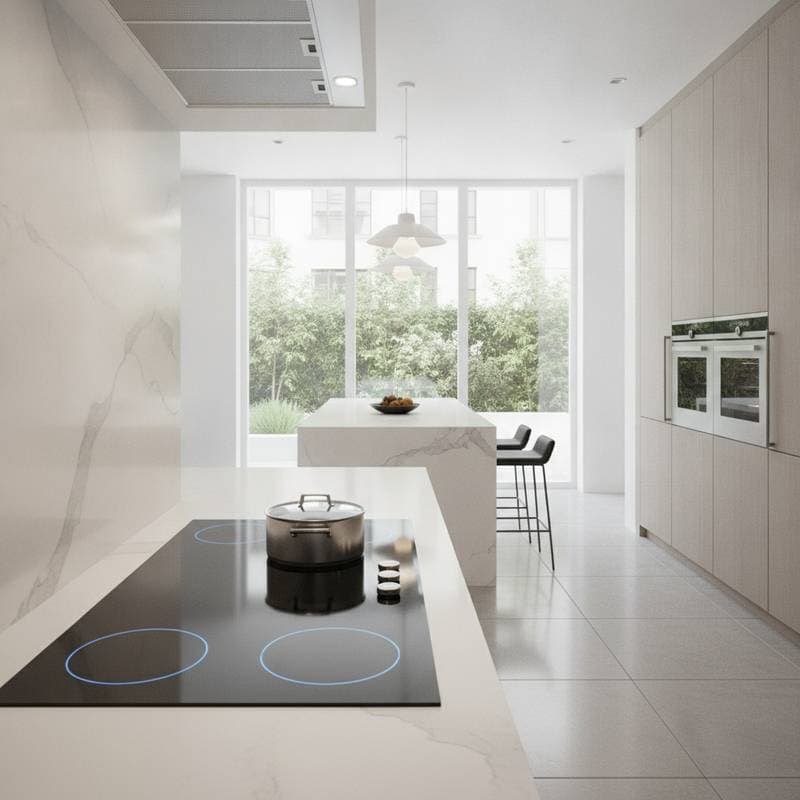
Cabinetry often incorporates flat panels devoid of decorative trim. Hardware integrates seamlessly or recedes into surfaces for a streamlined profile. Proportions and geometry provide the primary visual interest.
Organic Materials
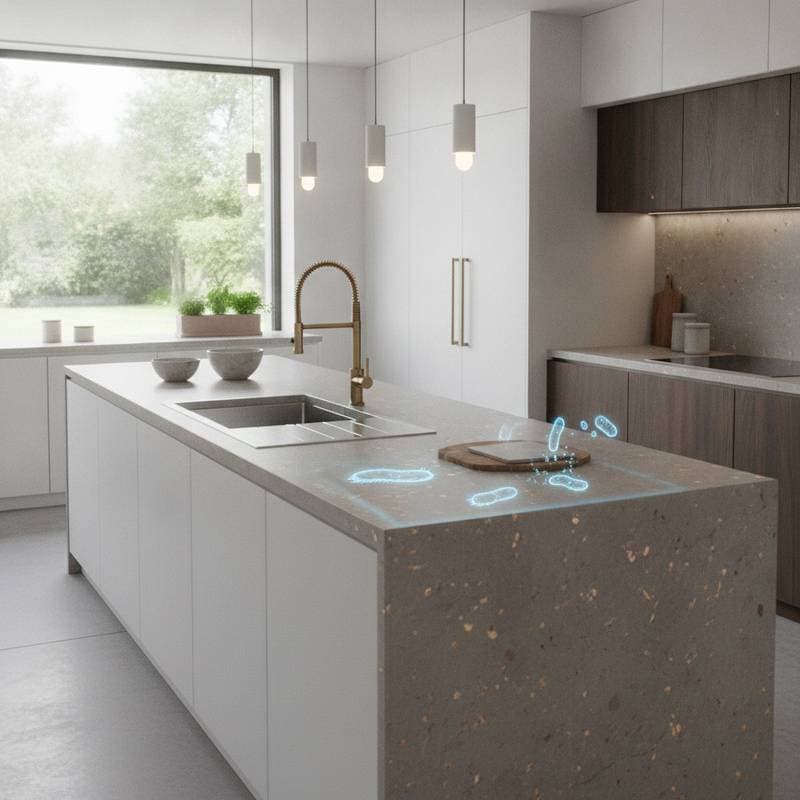
Wood, stone, and ceramics form the foundation. Pair light oak or ash with deeper walnut accents or charcoal-toned tiles for dimension. Opt for matte treatments over reflective ones to evoke authenticity.
Subdued, Grounded Palette
Employ a restrained spectrum of neutrals. Soft whites, beiges, taupes, and gentle grays establish cohesion. Introduce one understated hue, such as deep green or terracotta, for measured emphasis.
Inviting Illumination
Layered lighting proves essential. Incorporate under-cabinet LEDs, pendants shaded in linen or rice paper, and bulbs emitting warm tones. Steer clear of stark, cool whites that disrupt the serene ambiance.
Utility as Priority
Design every storage compartment and workspace with intent. Eliminate visible disarray. Reserve counters for active use; conceal infrequently accessed items.
Steps for Your Japandi Renovation
Begin the process by defining objectives. Evaluate current shortcomings in layout, storage, or illumination. With priorities established, determine the extent of stylistic integration.
Simplify the Floor Plan
Japandi thrives in fluid, uncluttered configurations. Galley or L-shaped arrangements facilitate movement while reducing visual density. Consider eliminating select upper cabinets in favor of expansive backsplashes or minimal shelving.
Select Materials Thoughtfully
Choose tactile, authentic substances. Bamboo or oak for cabinetry, soapstone or quartz for surfaces, and ceramic for splash zones introduce variety without overwhelming. Budget constraints permit natural-finish laminates or veneers as viable alternatives.
Emphasize Concealed Storage
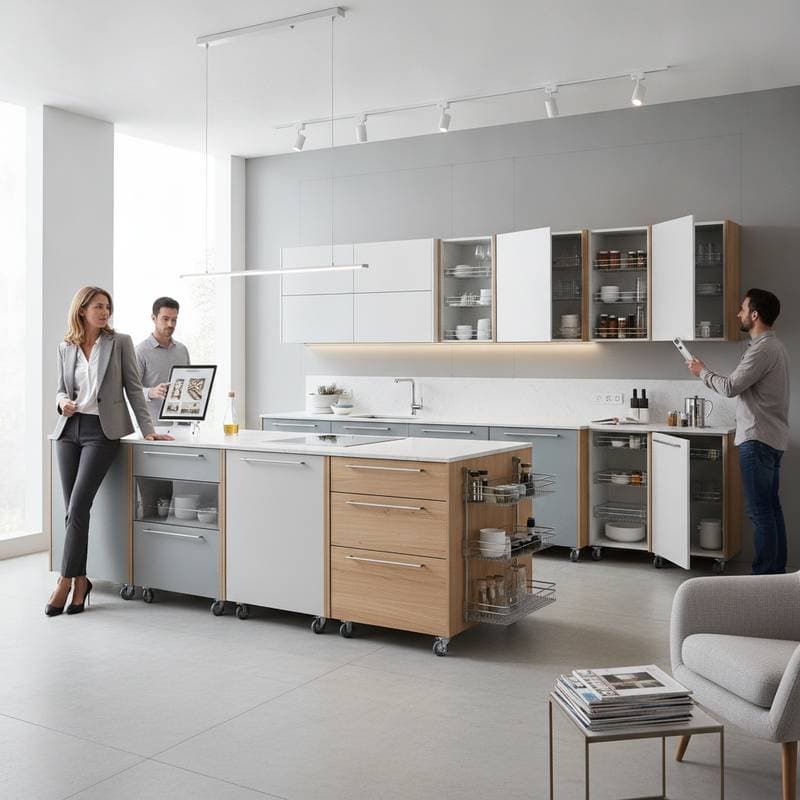
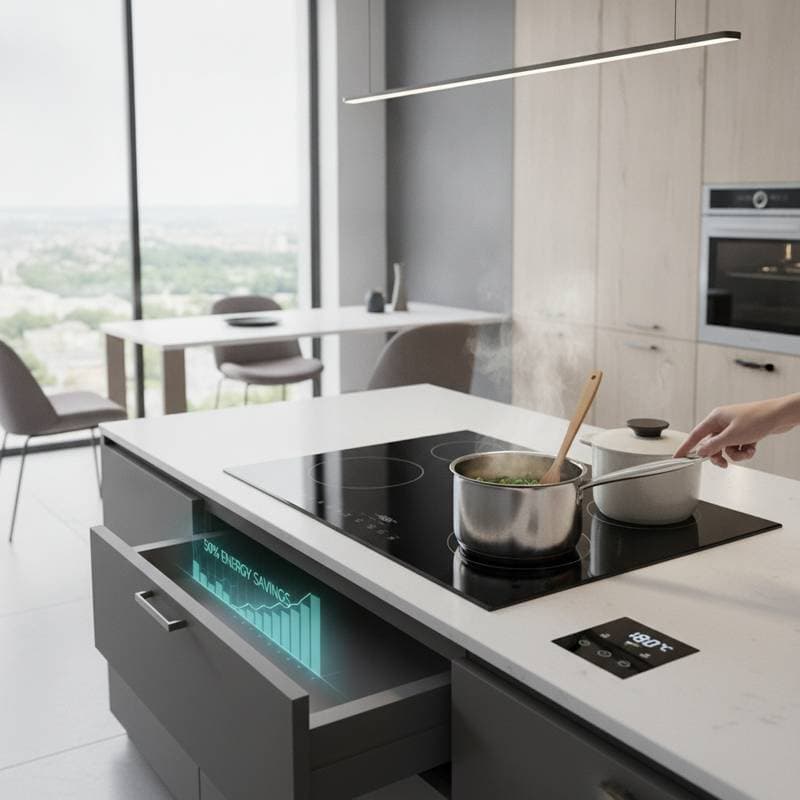
Equip spaces with expansive drawers for pots and pans, plus retractable compartments for gadgets. Integrate dividers for tools and seasonings. Minimal countertop exposure enhances overall composure.
Infuse Gentle Comfort
Counteract austerity with select accents. Position wooden seating, suspend woven fixtures, or place earthen pottery. A modest potted herb introduces vitality subtly.
Budget, Duration, and Anticipated Outcomes
Expenses for a Japandi update depend on project scale and selections. Review this overview:
- Basic Refresh: $3,000 to $8,000. Suitable for tasks like cabinet refinishing, fixture updates, and light installations performed independently.
- Moderate Overhaul: $15,000 to $35,000. Encompasses cabinet replacement, surface renewal, and flooring, often with expert oversight.
- Luxury Transformation: $40,000 and beyond. Features bespoke elements, premium substances, and comprehensive reconfiguration by specialists.
Professional projects span four to eight weeks post-material delivery. Temporary inconveniences occur, yet the enduring benefits justify the period. Verify zoning permits for modifications involving wiring or framework.
Engaging Experts for Optimal Results
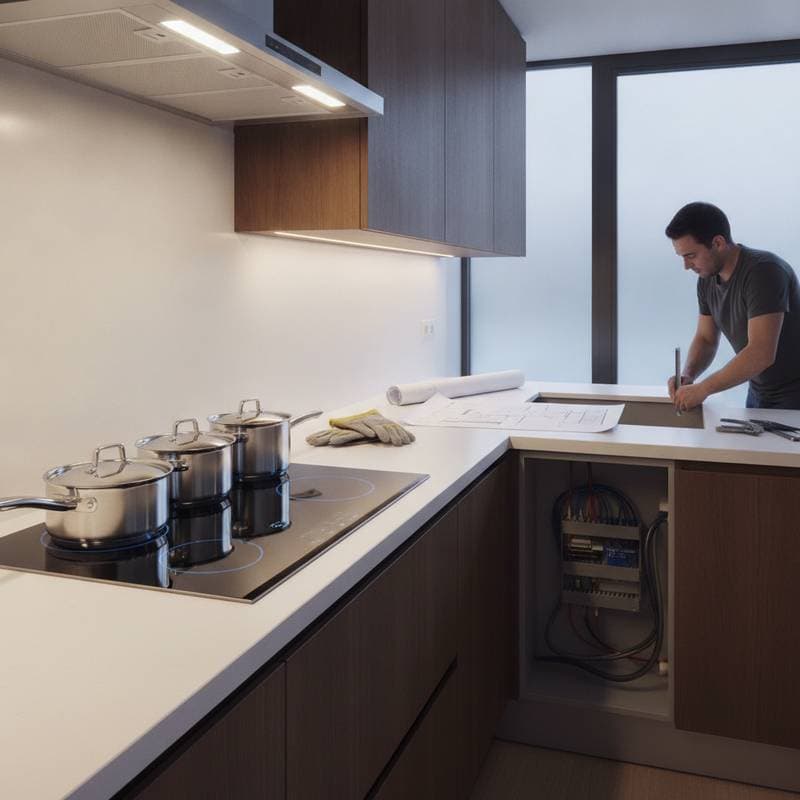
Tackle cosmetic adjustments, such as repainting or hardware exchanges, personally. Delegate plumbing, electrical, or foundational alterations to qualified professionals. Experts ensure compliance with regulations and achieve the precise integration demanded by Japandi's refined lines.
Preserving Your Renovation
Sustain the space through routine care. Clear surfaces daily, clean with mild solutions to protect non-reflective coatings, and reapply oil to wooden areas seasonally to avert wear.
Natural elements gain character through use, developing a patina that aligns with Japandi's appreciation for authentic evolution. This gradual transformation reinforces the style's depth.
Embracing Daily Serenity in Your Kitchen
A Japandi kitchen extends beyond visual appeal; it reshapes routines. Preparation turns deliberate, tidying streamlines, and the environment prompts reflection. This approach promotes intentional habits and sustained contentment.
To embark, purge unnecessary items and analyze usage patterns. Gradually adopt Japandi principles, whether comprehensively or selectively. The result fosters harmony between practicality and repose.