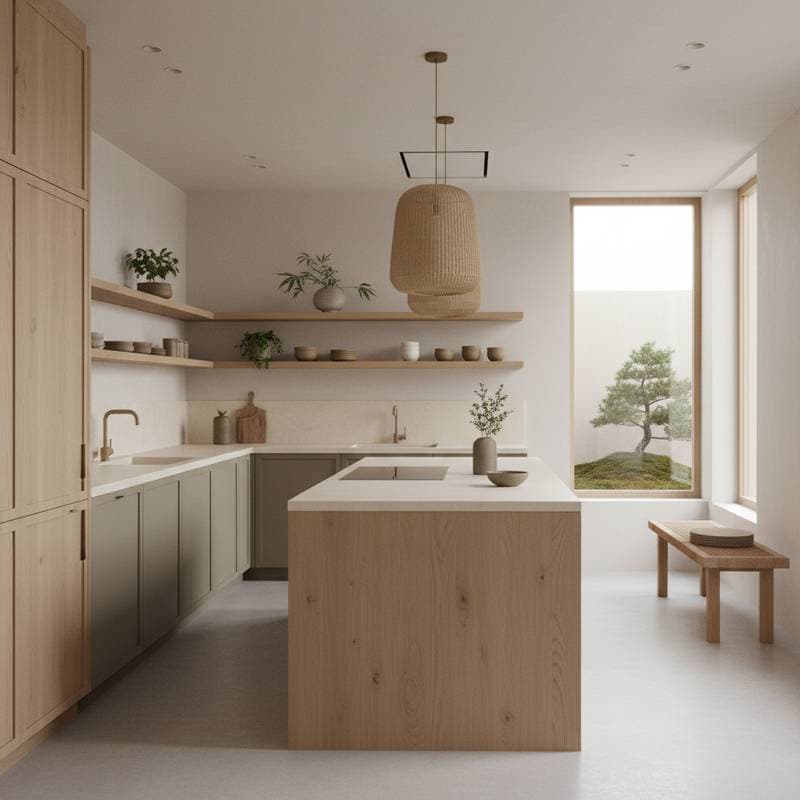
Japandi Kitchens: Defining 2025's Minimalist Evolution
Design trends cycle through popularity, yet few integrate visual appeal with everyday utility as effectively as Japandi kitchens. This style merges Japanese minimalism's clarity with Scandinavian warmth's invitation, yielding spaces that radiate serenity, authenticity, and productivity. Homeowners embracing Japandi invest in environments that prioritize restraint, equilibrium, and skilled execution, fostering a lifestyle beyond fleeting fashion.
The Japandi aesthetic gains momentum as the benchmark for contemporary minimalism. Clients specify it in consultations, and professionals enhance it through optimized configurations and eco-friendly selections. Success depends on grasping its principles for real-world application, extending beyond curated imagery to lived experience.
Building on Enduring Natural Elements
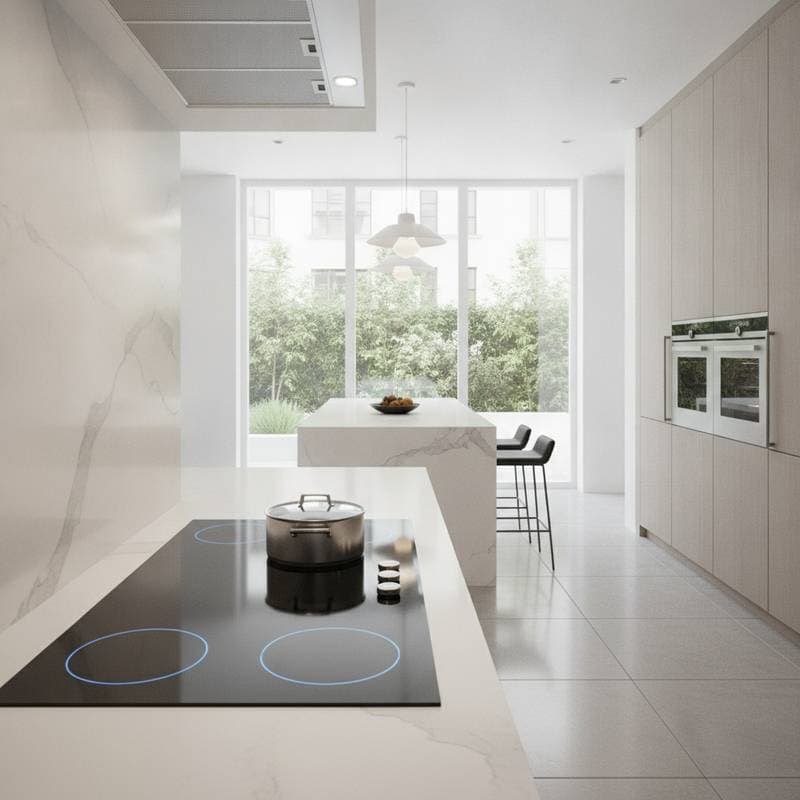
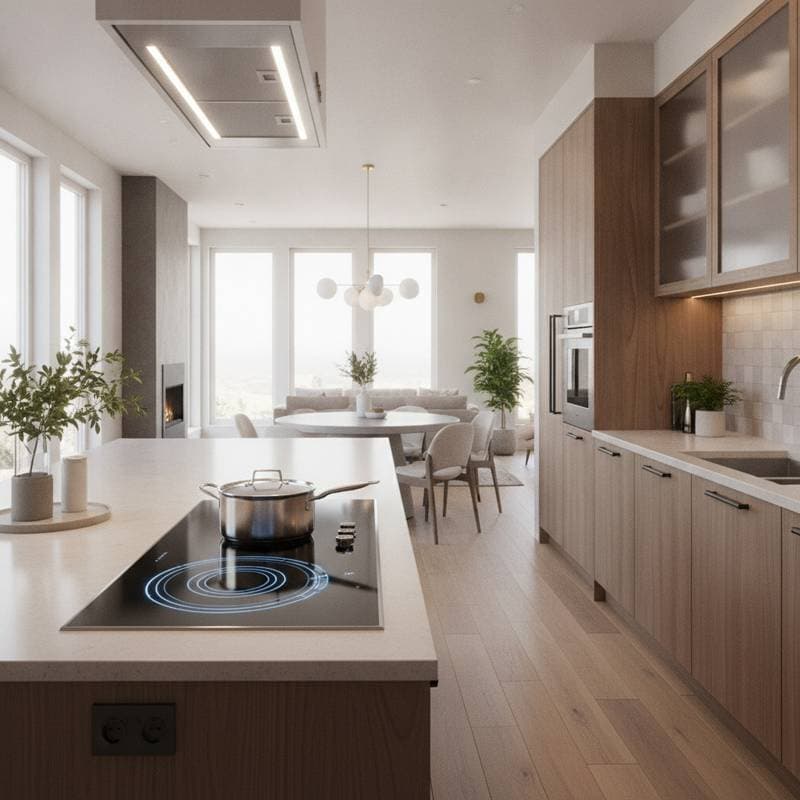
Japandi kitchens center on organic materials that mature gracefully over years. Avoid synthetic overlays or high-gloss treatments; opt for robust options like oak, ash, birch, bamboo, or rift-sawn walnut. These selections feature understated textures that harmonize with streamlined forms and unadorned edges.
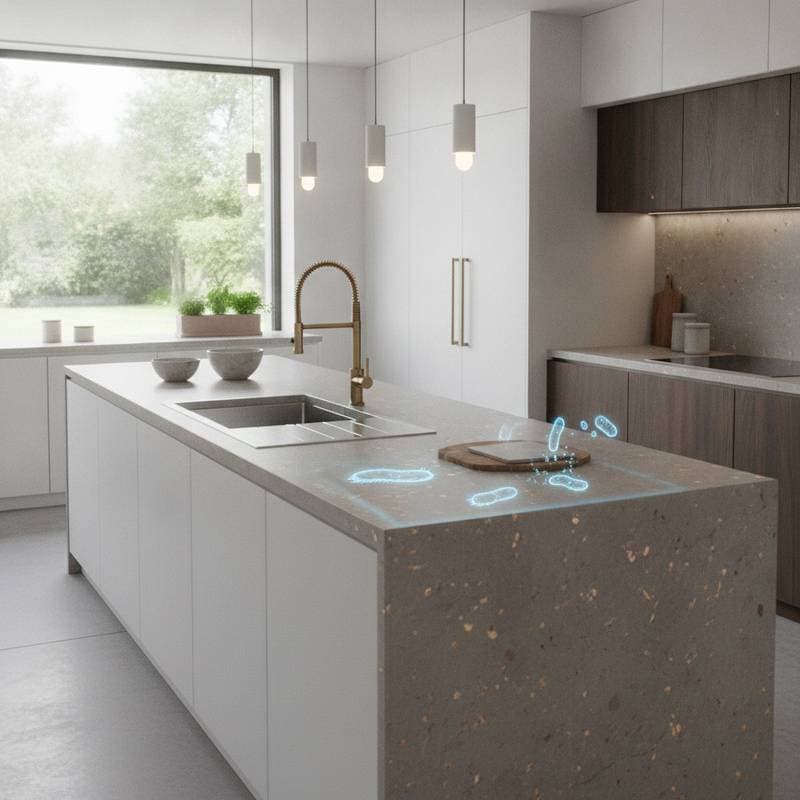
Incorporate stone for grounded presence. Honed granite, soapstone, or matte quartz align with the palette's subtlety. Over time, subtle patinas and variations in these surfaces build narrative depth, resonating with authenticity.
- Wooden Cabinets: Select sleek silhouettes with slab doors or slender edging. Apply light toners or natural oils to highlight inherent patterns.
- Stone or Concrete Worktops: Prioritize non-reflective surfaces to minimize reflections and smudges.
- Ceramic Flooring: Integrate artisanal or irregular tiles to echo wabi-sabi's appreciation for organic flaws.
- Fixtures: Employ understated brushed metals or matte black handles to emphasize utility over decoration.
Prioritize substance when procuring elements. A Japandi kitchen conveys solidity and genuineness, steering clear of contrived sheen. Consult local fabricators for tangible specimens rather than relying solely on digital representations.
Harmonizing Warmth and Serenity
A common pitfall involves selecting elements that evoke chilliness. Japandi maintains minimalism without austerity; wooden elements' softness requires offsetting with subdued neutrals for cohesive flow.
Consider combining pale oak units with slate-gray stone tops for gentle differentiation. Introduce tactile accents like linen window treatments or fiber mats to infuse approachability. Strategic additions, such as a hand-thrown vessel or reed organizer, add subtle character minus excess.
Illumination plays a pivotal role in mood. Layer ambient sources with focused beams, forgoing stark ceilings. Install warm-toned LEDs beneath uppers or along displays to deliver gentle visibility and ease.
Cultivating Tranquility Through Intentional Design
An adept Japandi kitchen reshapes domestic interactions. Sparse contours and earthy hues instill composure and structure. In dynamic families, such settings streamline routines; clients report eased preparations and heightened pleasure in meal creation due to inherent tidiness and stability.
This psychological uplift stems from deliberate fusion. Japanese tenets advocate presence and economy, complemented by Scandinavian emphasis on solace and luminosity. The synergy nurtures productivity alongside emotional restoration.
Implementing Japandi Principles Effectively
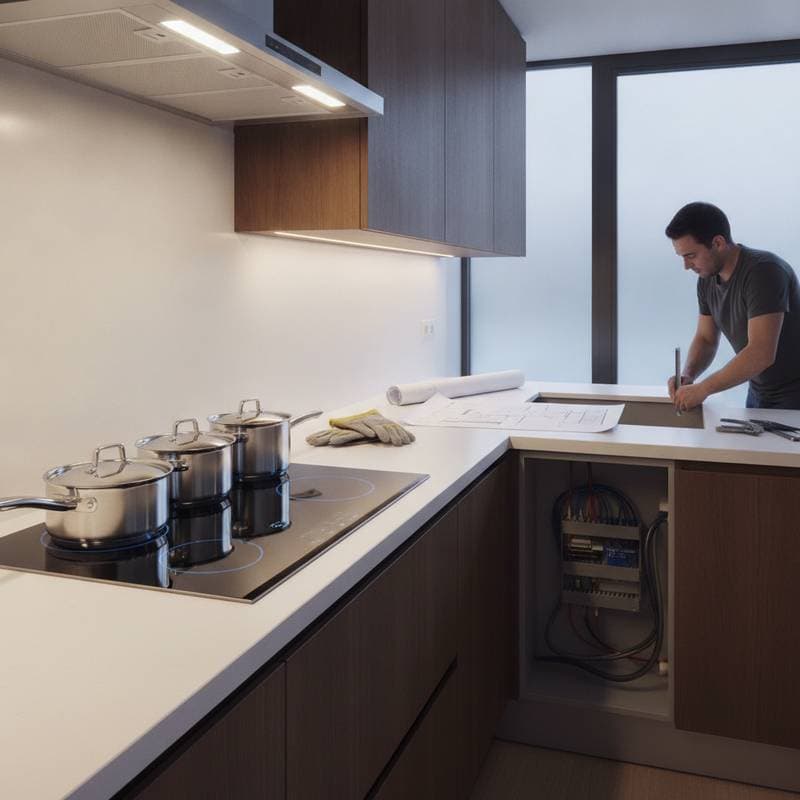
Approach a Japandi transformation with structured intent. Assess habitual kitchen interactions first, then tailor the layout accordingly. Engage builders versed in sleek, contemporary projects to realize vision through precise executions.
Adopt this sequence for initiation:
- Gather References: Curate visuals aligned with preferences, noting recurring schemes over ornate details.
- Catalog Priorities: Pinpoint fixed components, including devices or communal storage requirements.
- Leverage Ambient Light: Evaluate natural ingress patterns and amplify them via strategic placements.
- Commit to Primary Textures: Align timber shades, surfaces, and bases prior to assembly.
- Anticipate Care: Select resilient coatings for straightforward renewal, ensuring longevity matches allure.
Constructed meticulously, a Japandi kitchen appears innate. It encourages engagement while preserving poise, blending elegance with pragmatism in a compelling manner.
Embracing Sustained Harmony in Daily Spaces
Japandi's appeal lies in its holistic proposition: a framework for equilibrated, artisanal existence amid sensory overload. Builders value its insistence on meticulous joins, alignments, and finishes, where quality stands unmasked.
For remodeling prospects, view Japandi as a strategic, enduring decision. It honors efficiency, fiscal prudence, and inner repose, delivering spaces that evolve alongside their inhabitants.