The Rise of Japandi in Modern Kitchens
All-white kitchens defined clean minimalism for years, offering brightness and photogenic appeal. However, as homes become retreats for comfort and tranquility, homeowners seek designs that provide depth and grounding. Japandi emerges as a compelling alternative, combining Japanese wabi-sabi principles with Scandinavian practicality. Unlike the pristine feel of all-white spaces, Japandi kitchens convey vitality through texture and humanity.
This evolution goes beyond surface-level changes. It addresses a desire for warmth, genuineness, and ties to the natural environment. Japandi celebrates flaws, honest materials, and serenity, turning everyday tasks into mindful practices. Designers worldwide apply these ideas to craft kitchens that prioritize emotional resonance over flawless uniformity.
Honoring Nature Through Authentic Materials
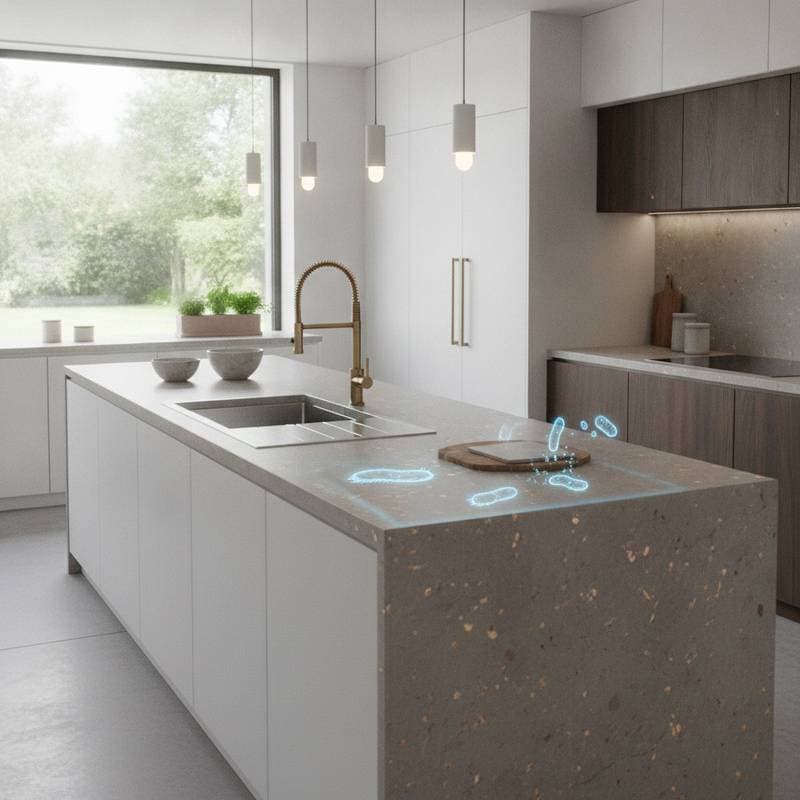
Japandi design centers on respect for the natural environment. Selections emphasize inherent qualities rather than manufactured flawlessness. Wood grains with visible knots, stone surfaces with natural veining, and ceramics with subtle glaze variations all find celebration.
Architect Taku Sato of Studio Sato Design notes that a kitchen should seem to emerge from its surrounding landscape. This perspective guides choices like soapstone countertops that develop patina with use, raked ceramic tiles that mimic sand textures, and bamboo shelving that ages softly. These elements encourage interaction and tell a narrative through their evolution.
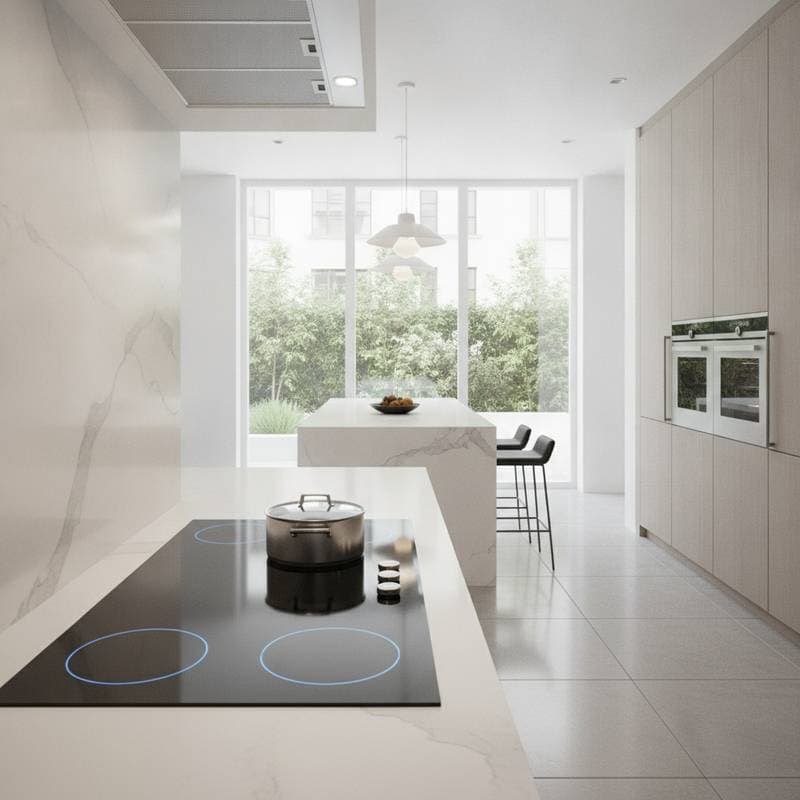
All-white kitchens frequently rely on synthetic uniformity, concealing seams and imperfections for a sense of sterility. Japandi counters this by highlighting craftsmanship details, such as exposed joinery and evolving surfaces. The focus shifts to materials that mature elegantly, fostering a connection to the space over time.
Embracing Texture for Depth and Tactility
Texture distinguishes Japandi from the reflective gloss of all-white kitchens. Matte finishes, exposed wood grains, and gentle ceramics build layers of visual and physical interest without overwhelming the senses.
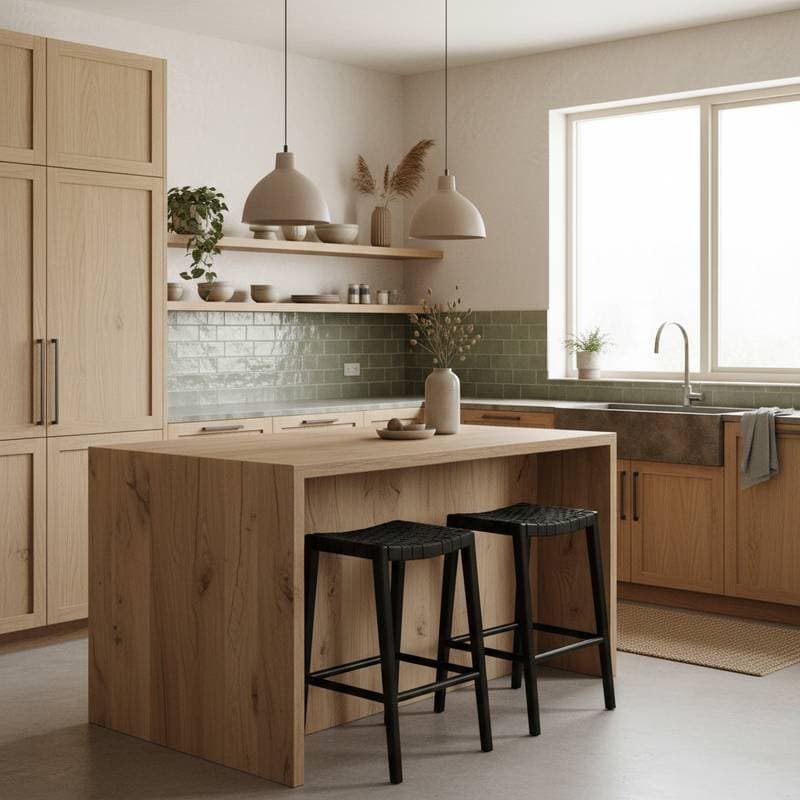
Consider a backsplash of handmade zellige tiles, where irregular glazes capture light in shifting patterns throughout the day. Combine this with pale ash cabinetry that reveals subtle figuring and a honed limestone countertop that invites touch. Depth arises from the harmony of these tactile elements rather than bold color differences.
Metals contribute understated elegance as well. Options like brushed brass hardware or aged bronze pulls from brands such as Buster + Punch or Rejuvenation introduce subtle warmth. These choices draw attention to the hand's interaction, creating an environment that engages multiple senses.
Creating Ambiance with Thoughtful Lighting
In Japandi kitchens, lighting enhances mood alongside utility. Preference leans toward diffused sources that promote softness over intense illumination.
Pendants crafted from rice paper, linen, or hand-blown glass provide a warm, even glow that highlights material textures. Concealed under-cabinet strips allow surfaces to shine independently, while wall sconces or compact pendants form intimate light pools. Harsh recessed options give way to these fixtures, which support a fluid shift from daytime preparation to evening gatherings.
Shadows and highlights integrate into the overall design, underscoring the calm pace of routines. This approach ensures the kitchen serves as a versatile hub, adaptable to varying times and activities while maintaining serenity.
Integrating Sustainability as a Core Principle
Sustainability forms the foundation of Japandi, extending beyond trends to inherent values. Natural, handcrafted, and enduring elements promote mindful consumption and longevity.
Cabinetry from locally sourced oak or maple withstands daily demands, paired with reclaimed stone countertops that reduce environmental impact. Textiles in organic linen or hemp add functional softness. These selections prioritize pieces that last, avoiding the pitfalls of fleeting styles.
The neutral palette aids this ethos too. Subtle tones like soft beiges or muted grays resist showing dirt quickly, unlike stark whites. This durability allows gradual updates through accessories, minimizing the need for full overhauls and supporting eco-conscious living.
Prioritizing Emotional Warmth and Imperfection
While all-white kitchens excel in photography, they often lack lived-in appeal. Japandi addresses this by valuing emotional resonance above visual ideals.
Influenced by wabi-sabi, the style finds beauty in transience and flaws. An uneven plaster finish or a hand-thrown ceramic vessel evokes human involvement, adding layers of feeling to the space.
Interior stylist Marta Kühn of Studio MK calls it design that breathes. Her projects incorporate open shelving with personally gathered ceramics, establishing a rhythm that feels intimate rather than imposed. This lived minimalism ensures every item contributes meaning, transforming the kitchen into a nurturing presence.
Adapting to Contemporary Lifestyles with Flexibility
Japandi kitchens balance efficiency and peace, suiting diverse modern needs. Open layouts feature defined lines that guide movement without confinement.
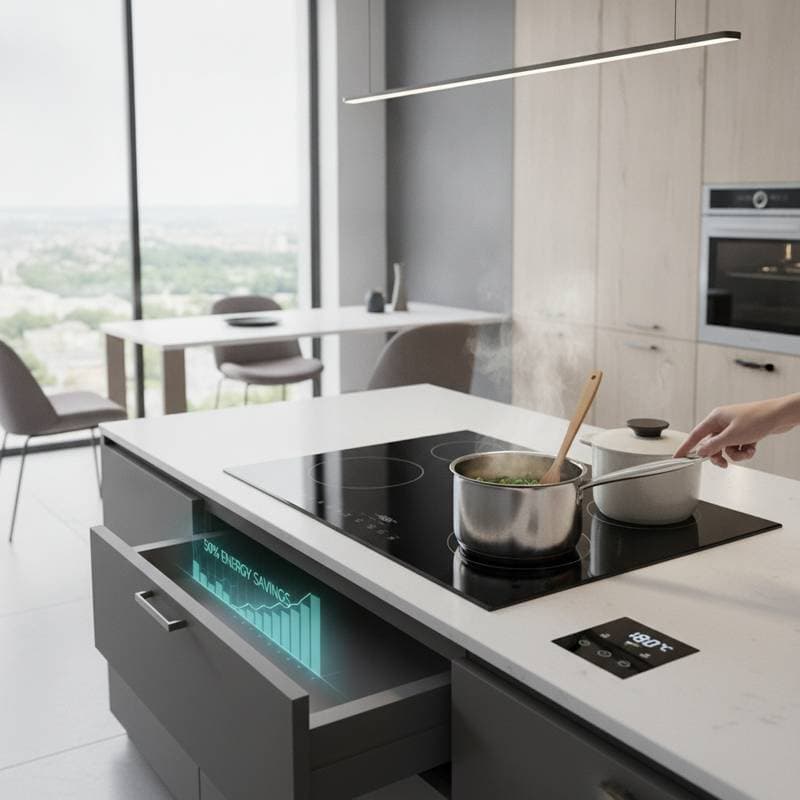
Floating shelves substitute for upper cabinets, maximizing light and access while deep drawers manage storage discreetly. Neutral foundations permit seamless introductions of personal touches, such as fresh greenery or seasonal textiles.
A simple vase of branches or a handwoven mat can refresh the vibe entirely. This framework offers stability yet accommodates change, allowing the space to reflect evolving tastes and routines.
The Universal Draw of Cultural Fusion
Japandi's popularity stems from its synthesis of shared cultural values. Scandinavian influences provide clarity and utility, complemented by Japanese elements of introspection and natural harmony.
This blend adapts to varied settings. In cooler climates, organic textures offer coziness; in tropical areas, restrained colors deliver soothing relief. The style maintains a cohesive essence across urban apartments or rural homes, resonating through its emphasis on simplicity and craft.
Bringing Japandi into Your Kitchen
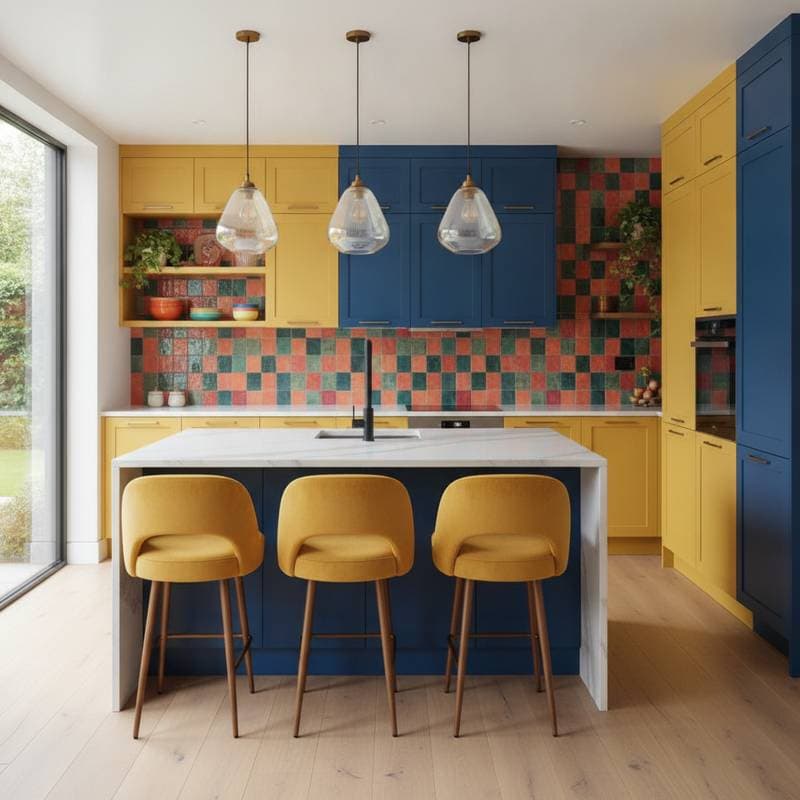
Adopting Japandi principles creates a kitchen that supports well-being and authenticity. Move from glossy whites to warmer neutrals like pale taupes or warm grays to establish a soothing base.
Introduce textures through oak fronts, linen accents, or clay vessels. Select lighting that enhances rather than overwhelms, such as soft pendants. Embrace subtle imperfections to build a space that evolves with you.
Ultimately, Japandi elevates minimalism by focusing on intentional choices. It honors the artistry of materials and the rhythm of daily life, offering a refuge that feels both timeless and deeply personal.