Induction Zones Are Replacing Traditional Gas Stoves
The kitchen has always mirrored cultural priorities. For decades, the blue flame of a gas stove symbolized culinary control and sophistication. Yet as design, technology, and sustainability evolve, induction cooking has become the new benchmark. The shift is not just about energy efficiency. It reflects a broader transition toward cleaner living and refined performance within the modern kitchen.
1. The Precision of Heat
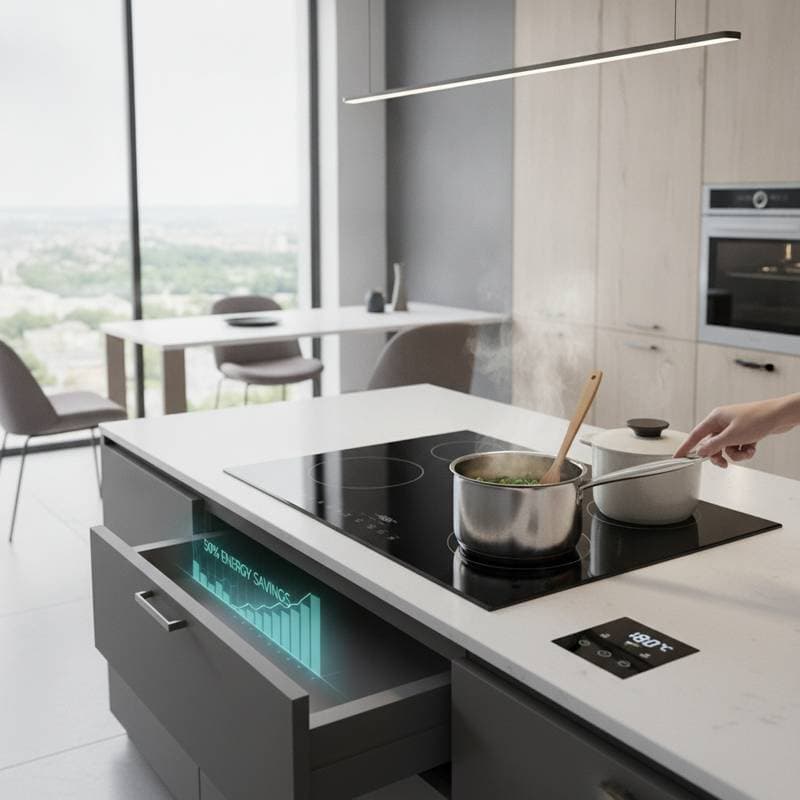
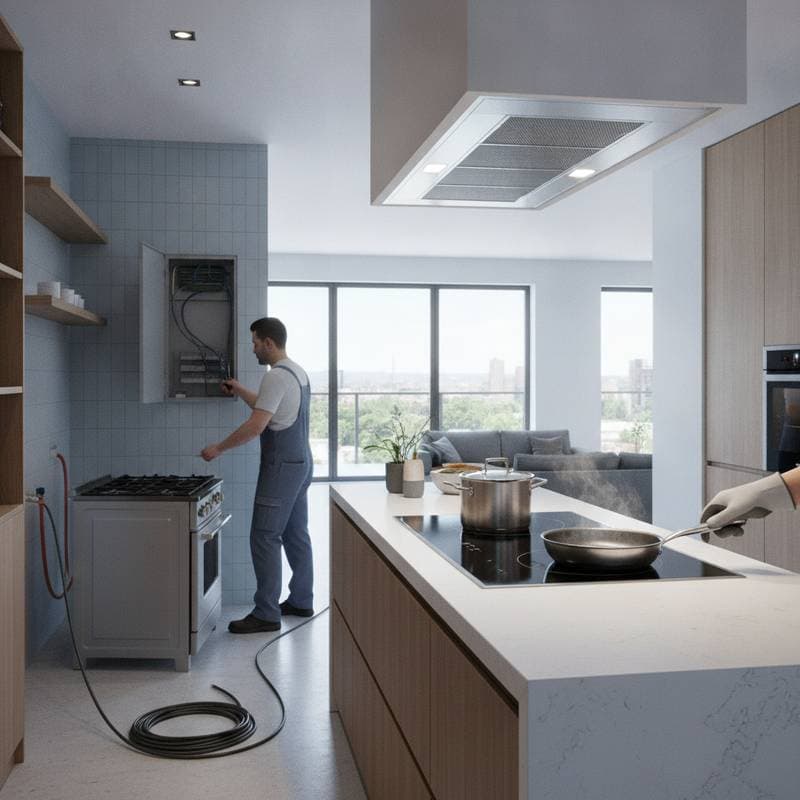
Induction zones operate through electromagnetic energy, creating heat directly in the pan rather than by warming the air around it. The result is instant responsiveness. A simmer stays steady, a sear begins immediately, and there is no wasted energy radiating into the room.
Designers such as Patricia Urquiola have praised this technology for its ability to make the kitchen quieter and cooler, which transforms both cooking and living experiences. Architects are rethinking kitchen layouts around these new cooktops. Without the need for heavy ventilation hoods, designers can prioritize open-shelf concepts and uninterrupted sightlines.
The absence of visible flame allows for more refined materials nearby, such as white Macaubas quartzite, soapstone, or brushed stainless steel, all of which remain unharmed by heat spread. This precision enables cooks to adjust temperatures in seconds, ensuring consistent results for delicate sauces or high-heat stir-fries.
2. Clean Lines, Cleaner Air
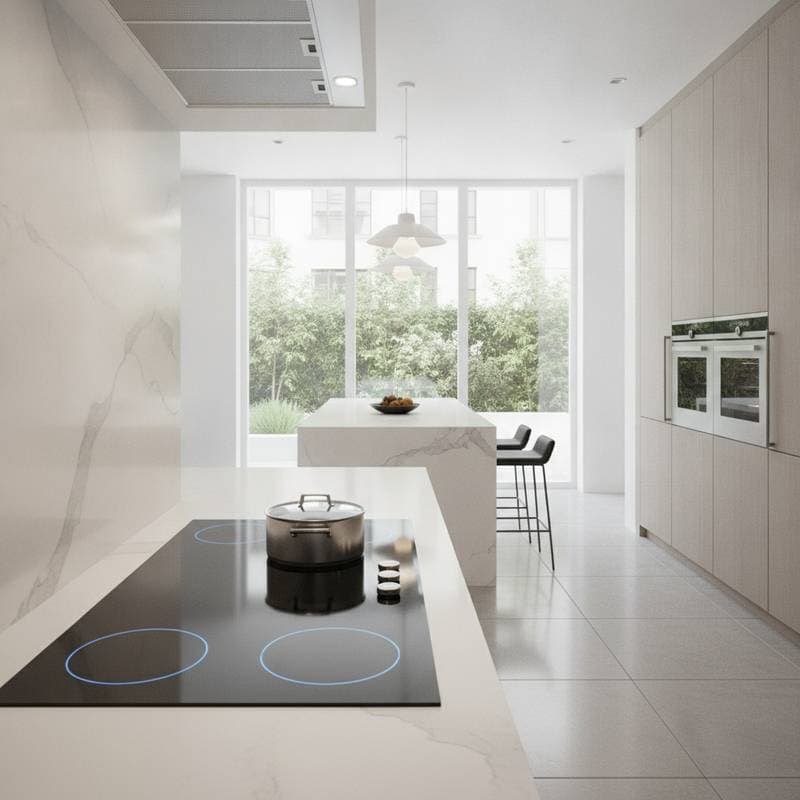
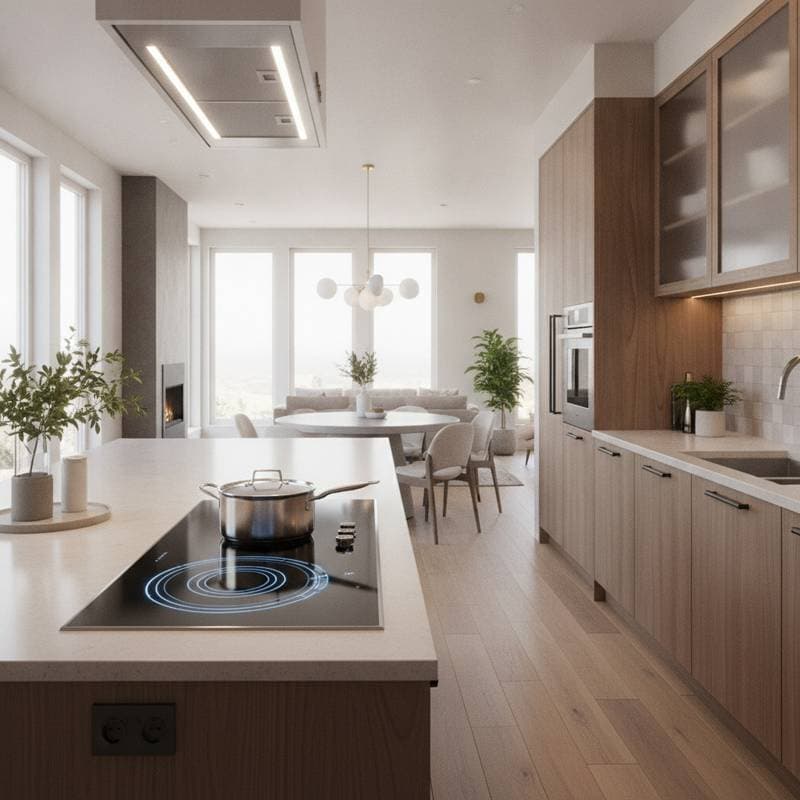
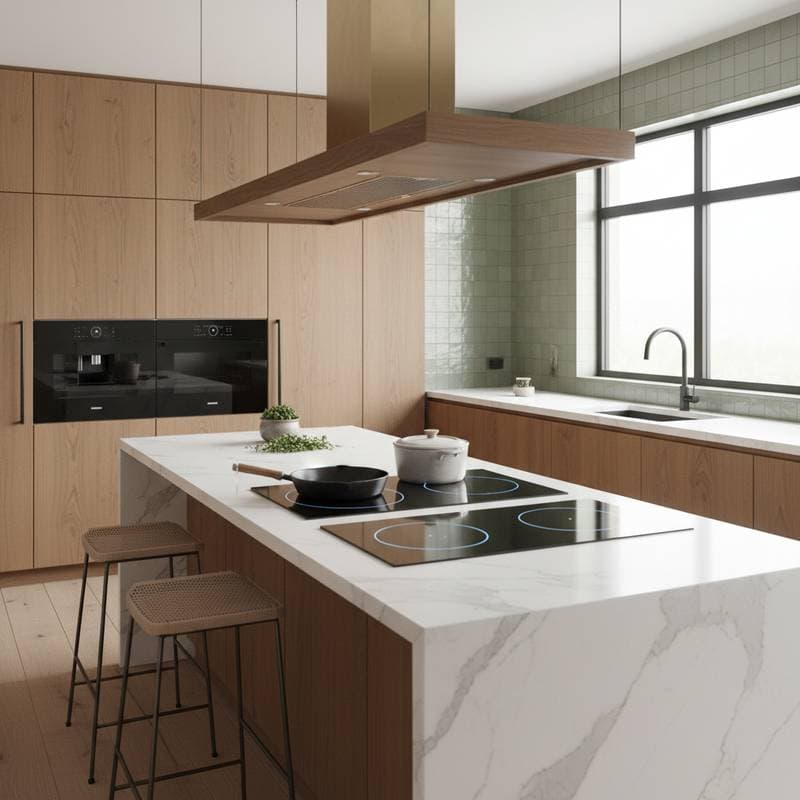
Induction surfaces sit flush with the countertop, creating a sculptural continuity that appeals to minimalists and functionalists alike. Firms like Bulthaup and Henrybuilt integrate induction panels into seamless cabinetry systems, often pairing them with matte lacquer finishes and fine-grain oak veneers.
The environmental benefit is as aesthetic as it is practical. Gas combustion releases nitrogen dioxide and other pollutants that linger in enclosed spaces. Induction eliminates that issue entirely, contributing to cleaner indoor air.
Homeowners are increasingly aware that performance and health can coexist beautifully in design. To maintain this cleanliness, simply wipe the surface with a damp cloth after use, avoiding the scrubbing required for gas grates.
3. The Sensory Shift
Cooking on an induction surface feels different. The hum of the magnetic field replaces the crackle of a flame, and the glow beneath the glass is subtle rather than showy. The tactile feedback comes through precision rather than spectacle.
Temperature adjustments occur instantly, creating a sense of intimacy between cook and cookware. Designers often pair induction with tactile materials that balance its sleekness. A Carrara marble island top or European oak flooring introduces warmth and texture against the glassy surface.
Lighting plays a critical role too. Integrated LED strips beneath cabinetry cast soft illumination across the cooktop, emphasizing its reflective depth. This setup enhances visibility for precise chopping and stirring tasks.
4. A New Palette for Design
Without the constraints of gas lines and bulky grates, designers have greater freedom in planning the kitchen’s composition. Induction cooktops can be installed on islands, along perimeter counters, or even concealed beneath sliding panels. This flexibility supports open-plan living where cooking becomes part of social space rather than a separate function.
Interior designer Kelly Wearstler often integrates induction surfaces into her sculptural kitchens, combining graphite-hued cabinetry, brass hardware, and custom stone backsplashes in Benjamin Moore’s Graphite 1603. The result feels more like a living environment than a utilitarian workspace.
The cooktop disappears when not in use, allowing the countertop to serve as a dining or gathering zone. For added versatility, select models with touch controls that blend invisibly into the surface.
5. The Future of Culinary Technology
The growing interest in electrification policies has accelerated the transition away from gas. Appliance manufacturers respond with advanced features such as zone flexibility, where multiple induction fields merge to accommodate large cookware. Brands like Miele, Gaggenau, and Bosch lead in performance, offering intuitive controls that remember heat settings and adapt to pan placement.
Smart integration extends the experience. Some models connect to home systems for energy monitoring and recipe guidance. Yet the most compelling argument remains sensory.
The quiet precision of an induction zone feels inherently modern, matching the rhythm of contemporary living where form and efficiency coexist gracefully. Future innovations may include voice-activated controls and built-in scales for exact measurements.
Integrating Induction into Daily Life
Adopting induction is not merely a technological upgrade. It represents a lifestyle choice rooted in awareness, aesthetics, and comfort. Homeowners who once favored the romantic flicker of gas often find themselves drawn to the calm clarity of a glass surface that cleans easily with a single wipe.
To create balance, designers recommend pairing induction with natural materials that soften its sleekness. Consider oak paneling with a hand-rubbed oil finish, linen-textured wall paint in Farrow & Ball’s Skimming Stone No. 241, or finely honed soapstone counters. These choices ground the modernity of induction in tactile warmth.
As gas stoves gradually fade from new projects, the induction zone stands as a symbol of thoughtful progress. Its quiet efficiency, visual restraint, and environmental intelligence redefine what it means to cook beautifully. Homeowners benefit from reduced energy bills and a healthier home environment that supports creative, everyday cooking.