Why Induction Cooking is Replacing Gas Kitchens in 2025
Modern kitchen remodels increasingly feature sleek induction cooktops in place of traditional gas ranges. This transition occurs because homeowners, builders, and remodelers recognize the superior performance, safety, and efficiency that induction provides compared to gas appliances. Clients often begin projects favoring gas but shift preferences upon learning the full advantages of induction, resulting in kitchens that excel in function and value.
Hidden Costs of Gas Cooking
Gas cooking offers precision, yet it involves overlooked expenses that surface over time.
-
Air Quality Issues
Gas burners emit nitrogen dioxide, carbon monoxide, and particulate matter into kitchen air. These pollutants accumulate with inadequate ventilation, leading to lingering odors and potential health effects. Switching to induction eliminates these emissions, improving indoor air quality immediately. -
Energy Inefficiency
Gas flames direct only a portion of heat to cookware, with the remainder dissipating into the space and straining heating, ventilation, and air conditioning systems. Induction delivers energy straight to the pot or pan, minimizing waste and stabilizing room temperatures. -
Maintenance Demands
Cleaning gas ranges requires dismantling grates, scrubbing burners, and repairing igniters, which consumes significant time. Induction surfaces consist of smooth glass that wipes clean quickly, without pilot lights or gas components needing service. -
Regulatory Challenges
Numerous cities restrict new gas connections, imposing higher fees or ventilation mandates. Proactive planning with induction avoids future retrofit expenses as codes evolve toward electrification.
Performance Advantages of Induction
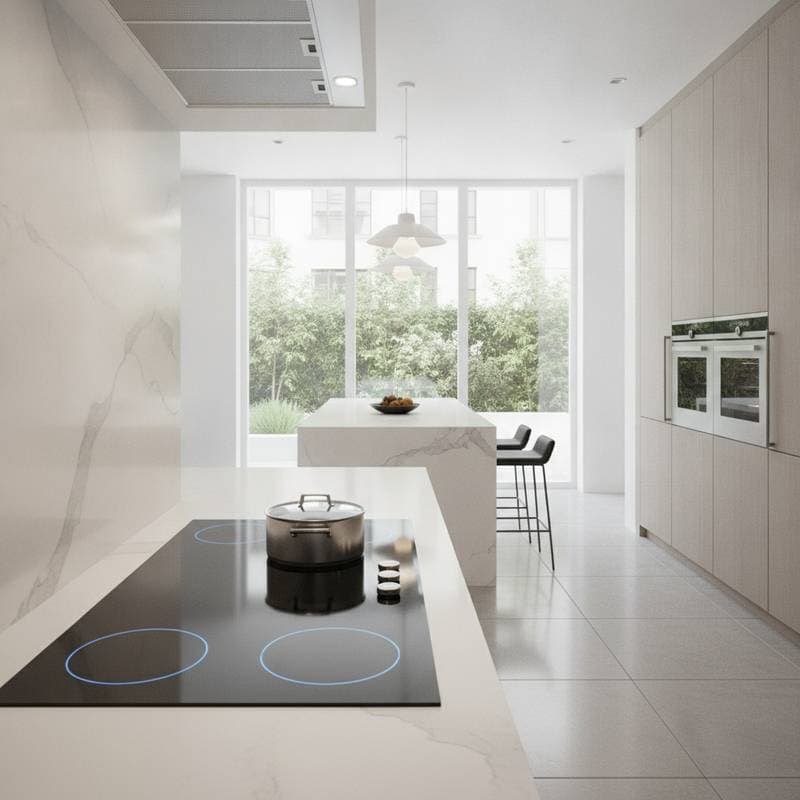
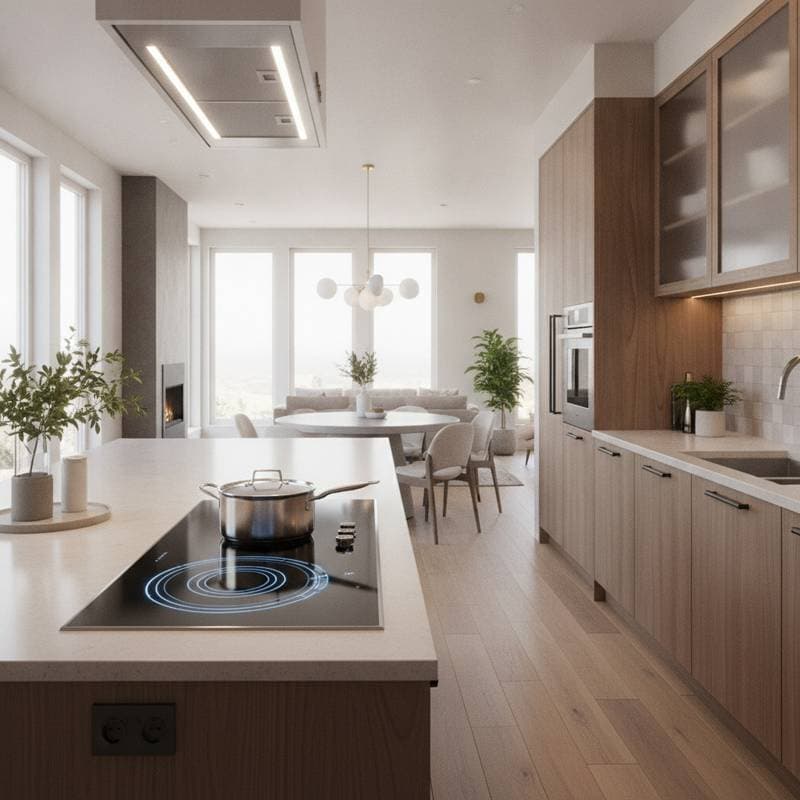
Induction employs electromagnetic fields to heat cookware directly, bypassing ambient air heating and enhancing overall kitchen dynamics.
-
Rapid Heating and Precise Control
Induction boils water quicker than gas and adjusts temperatures instantaneously. Professionals demonstrate this by melting chocolate straight on the surface without additional tools, showcasing unmatched accuracy. -
Enhanced Safety Features
Induction surfaces remain cool outside the cookware contact area, reducing burn risks and eliminating open flames or leak hazards. These attributes prove essential for households with young children or older adults. -
Reduced Residue and Effort
Without combustion, induction avoids fumes and soot buildup, preserving backsplashes and easing hood maintenance. This leads to extended durability for kitchen elements. -
Superior Energy Conversion
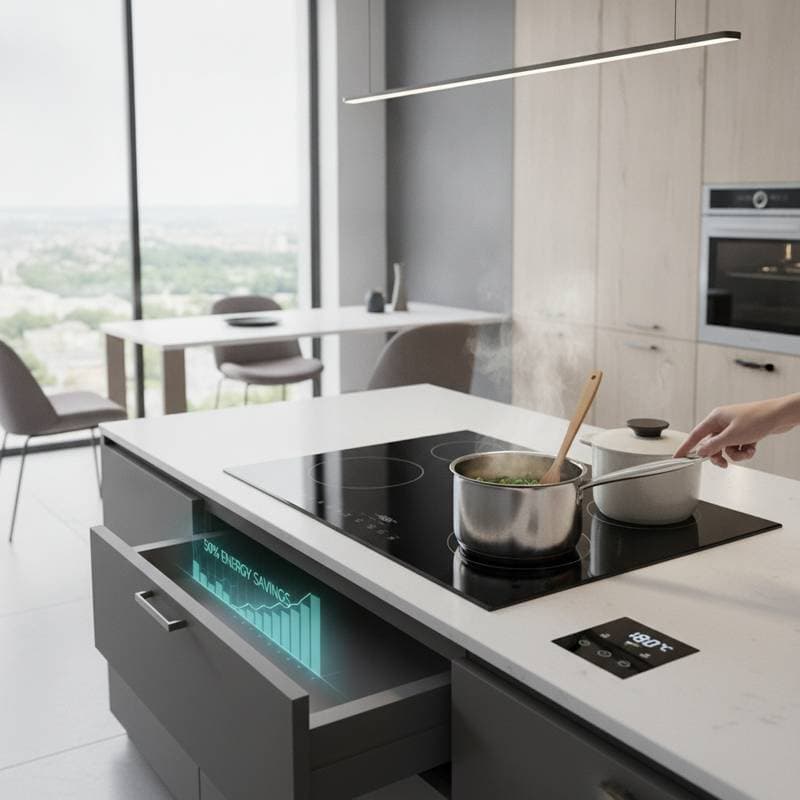
Induction achieves approximately 90 percent energy transfer to cookware, far exceeding gas efficiency. Such performance lowers utility costs and environmental impact.
Steps for Converting to Induction
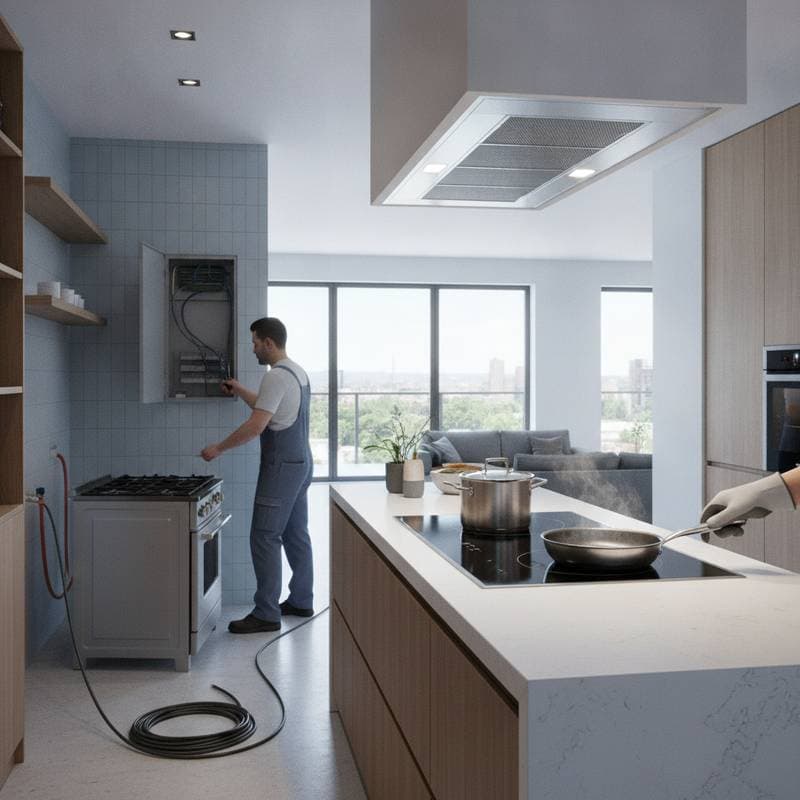
Converting from gas to induction appears daunting but proves manageable with proper preparation.
-
Assess Electrical Needs
Induction requires a 240-volt dedicated circuit, often present for electric ovens. If absent, a licensed electrician installs one from the main panel; expenses vary by wiring distance but yield long-term savings. -
Evaluate Cookware Suitability
Induction functions with ferromagnetic materials; test by attaching a magnet to the pan base. Cast iron and enameled cookware perform well, while non-magnetic options like aluminum need adapters or replacements. -
Modify Ventilation Systems
Induction generates minimal heat and no gases, allowing smaller hoods or reduced fan speeds for quieter operation and simplified installations. -
Ensure Countertop Compatibility
Standard induction units match common cutouts; replacements from gas typically need slight adjustments. Measure precisely before purchase to guarantee seamless integration.
Addressing Persistent Myths
Outdated concerns deter some from induction, yet practical experience debunks them.
-
Lack of Authentic Cooking Sensation
Users may prefer flame visibility, but induction's numerical controls provide superior responsiveness over visual estimation. Adaptation occurs within days of use. -
Higher Operating Expenses
Induction consumes less total energy than gas despite varying electricity rates, as evidenced by reduced bills post-installation. -
Vulnerability to Power Outages
Gas appliances depend on electricity for ignition and controls, rendering both options inoperable during blackouts. Backup generators safeguard essential functions regardless of fuel type. -
Incompatible Cookware
Quality sets generally suit induction; test during planning. Interface discs enable use of non-compatible pieces affordably.
Long-Term Financial Benefits
Induction installations deliver enduring economic advantages over gas retention.
-
Ongoing Savings
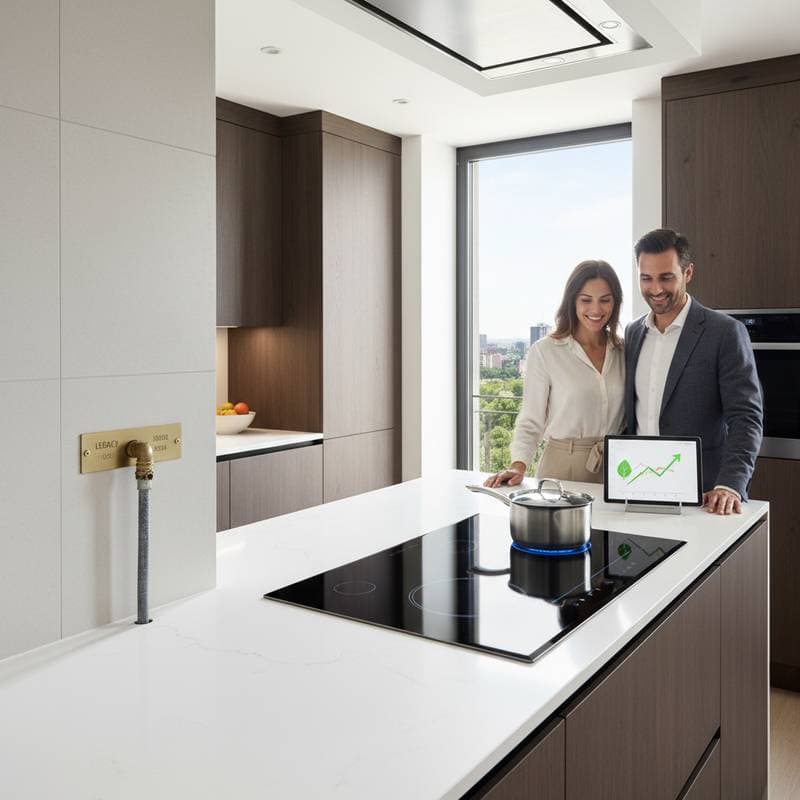
Efficient energy use cuts bills; integration with solar systems enables self-powered cooking, maximizing renewable benefits. -
Minimized Upkeep
Absence of gas lines, burners, and residue reduces repair frequency and cleaning time. -
Increased Property Value
All-electric kitchens appeal to eco-conscious buyers, enhancing marketability and resale prices. -
Adaptation to Evolving Standards
Early electrification prepares homes for stricter codes, preventing disruptive and costly updates.
Implementing the Upgrade Effectively
Approach induction adoption as a structured professional project for optimal results.
-
Engage Certified Professionals
Select electricians experienced in kitchen wiring; confirm capacity calculations to prevent circuit overloads. -
Align with Broader Remodels
Time countertop installations after appliance selection to achieve precise fits and aesthetic harmony.
Realizing Induction's Full Potential
Induction users appreciate the consistent precision, fresh air, and subdued operation that define the technology. Kitchens maintain comfortable temperatures, and routines become streamlined. For remodels, this choice safeguards health, finances, and home worth amid advancing trends and accessible options.