The Rise of Induction Cooking: Gas Kitchens Fade from View
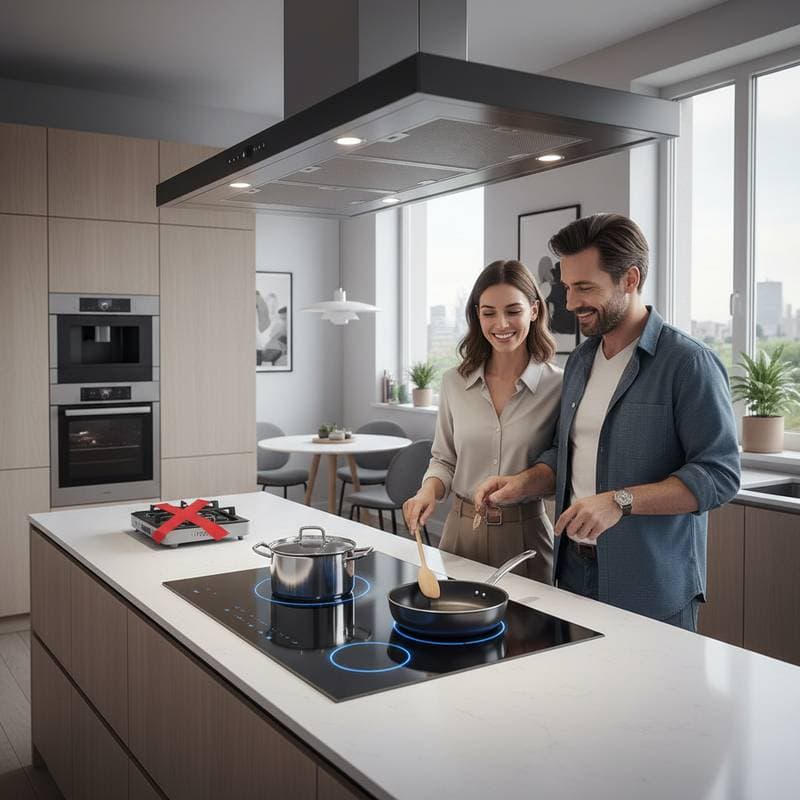
Kitchens evolve toward greater intelligence, cleanliness, and energy efficiency, with induction cooking leading the charge. Homeowners, interior designers, and professional chefs nationwide opt for this technology over gas ranges. The advantages include rapid heating, enhanced safety, and environmental sustainability, alongside a refined appearance.
This article examines the decline of gas kitchens and explores how induction redefines cooking, design, and lifestyle choices.
Aesthetic Appeal and Technical Precision: A Designer's Perspective
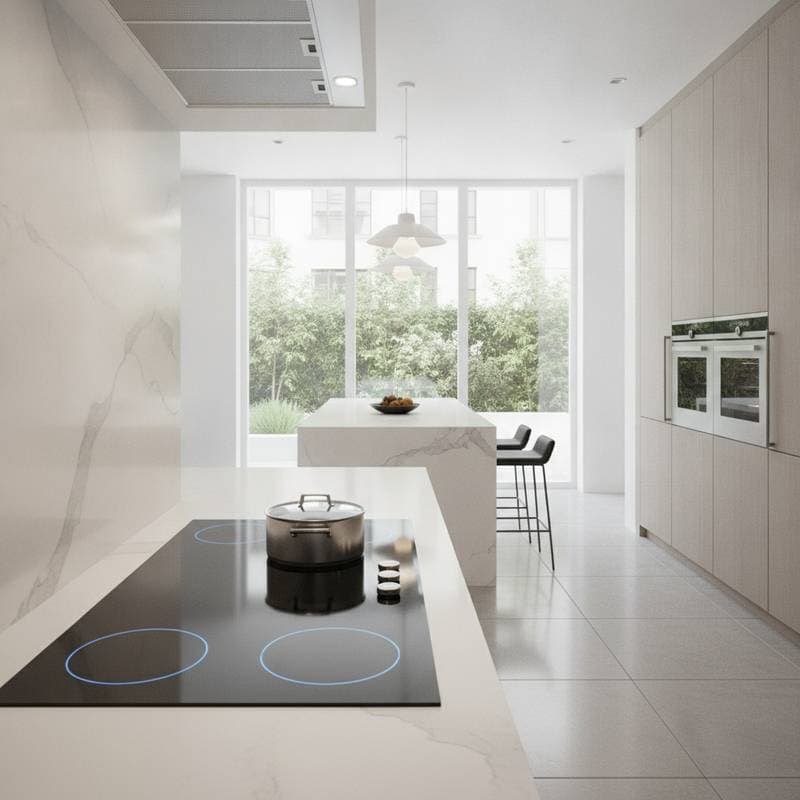
Induction cooktops deliver a striking visual impact through their seamless glass surfaces, fostering a minimalist and contemporary atmosphere that enhances any kitchen space. This design resembles sculptural artwork integrated into functional appliances.
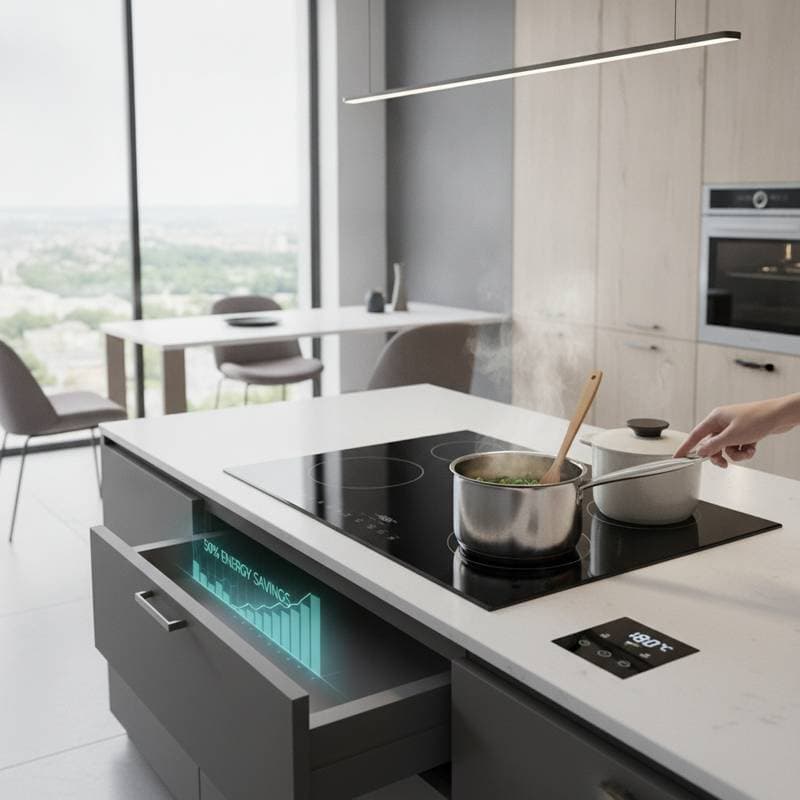
The technology excels in performance, particularly in fast-paced environments. It achieves instant heat response, allowing tasks such as melting chocolate directly in a pan or boiling water in under two minutes, compared to longer times on gas.
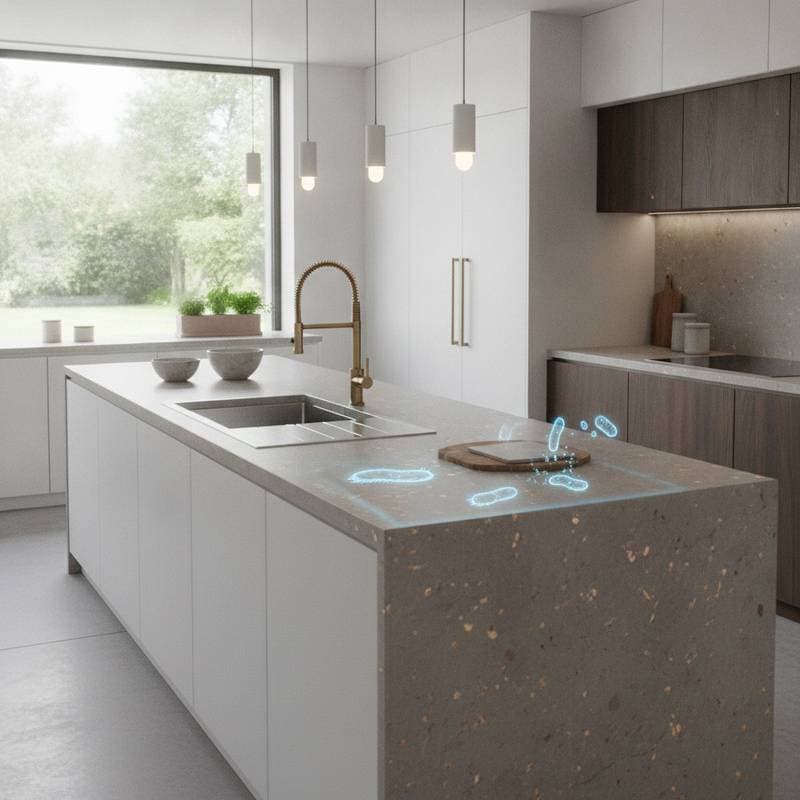
Maintenance proves straightforward with no grates or burners to clean. The flat surface requires only a quick wipe, benefiting households with demanding schedules and those seeking simplified upkeep.
Sustainability in Focus
Sustainability represents a core principle in the design sector, extending beyond trends to essential practices. Gas cooking generates carbon emissions and releases nitrogen dioxide, impacting indoor air quality. Induction operates on electricity, which sources from renewables like solar or wind power.
Pairing induction with renewable energy sources minimizes carbon output, promoting healthier and more eco-friendly homes. Urban areas and local governments increasingly advocate for all-electric structures, where induction aligns seamlessly.
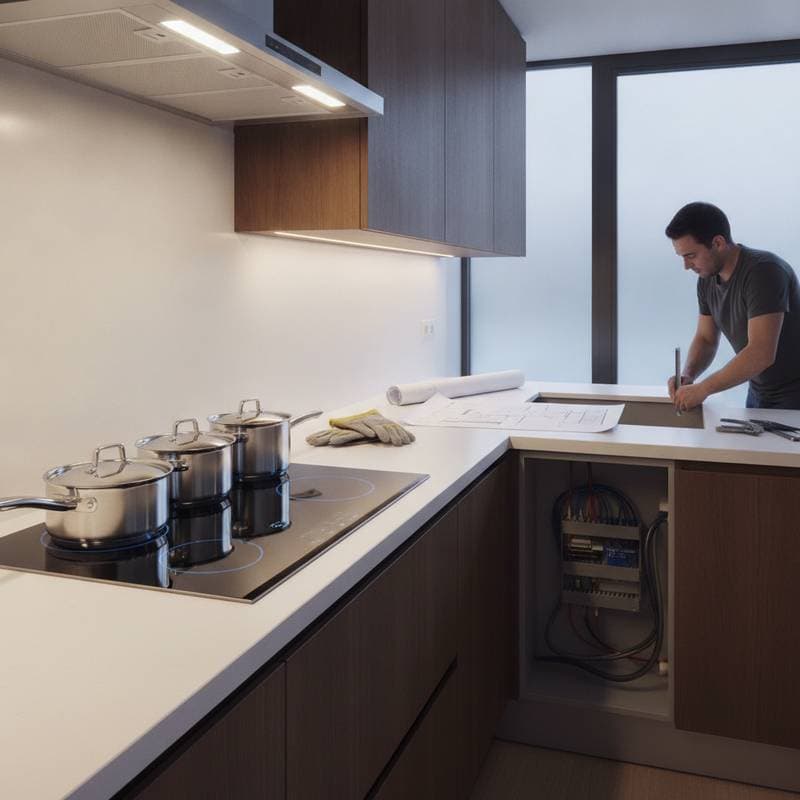
This transition affects manufacturers, contractors, and real estate professionals. New constructions incorporate robust electrical circuits for induction appliances and ventilation designs that eliminate the need for extensive overhead hoods. Electric kitchens emerge as efficient and sophisticated standards.
Enhanced Layout Options and Spatial Innovation
Induction cooktops expand creative opportunities in kitchen planning and spatial arrangement. The surface remains cool to the touch, enabling safe installation in islands or peninsulas without risk of heat-related damage to surrounding materials.
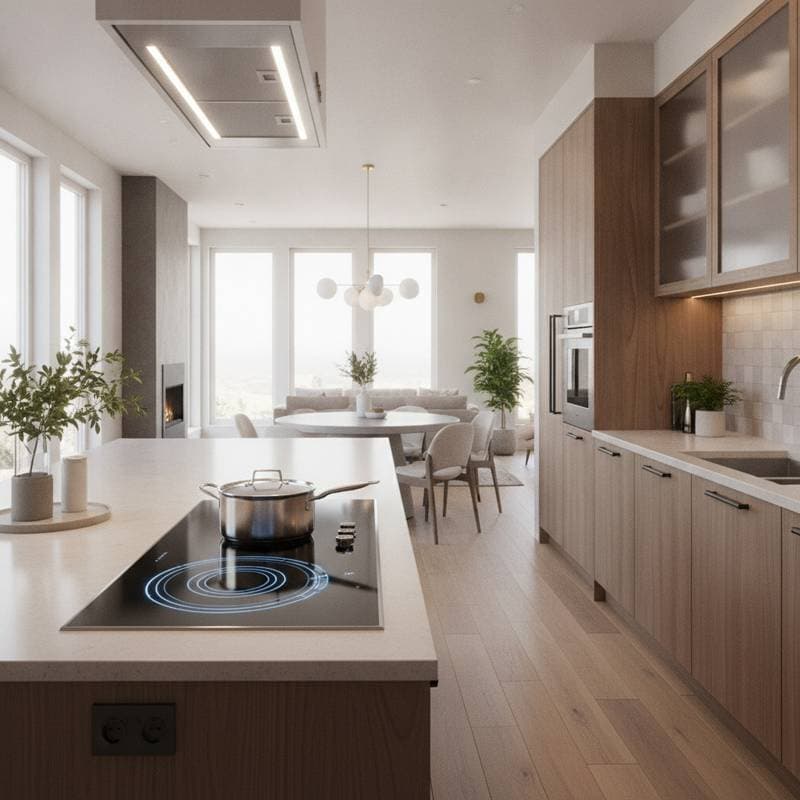
Designers often combine induction with downdraft systems, which preserve overhead clearance for dramatic lighting fixtures or exposed shelving. In compact areas, a two-burner model integrates into limited countertops or auxiliary zones.
Such units suit studio apartments or accessory dwellings where space optimization matters. The streamlined profile and unobtrusive lines contribute to an illusion of greater openness.
For versatile aesthetics, select an induction cooktop that matches the countertop material, creating a unified and visually cohesive surface. This approach yields a modern, camera-ready finish ideal for both daily use and professional displays.
Everyday Benefits of the Switch
After installation, users experience tangible improvements in kitchen functionality. Ambient temperatures stay lower during cooking sessions, while cleaning demands minimal effort. Consistent and even heat distribution encourages experimentation with diverse recipes.
Professionals in design and remodeling can leverage this technology to inform clients and elevate project outcomes. Induction surpasses fleeting fashions, serving as a comprehensive enhancement that unites environmental responsibility, security, and visual elegance.
Homeowners need not undertake full renovations to adopt it. Portable single-burner units provide an accessible entry point, or future appliance acquisitions can prioritize induction compatibility.
Steps to Integrate Induction into Your Kitchen
To embark on this upgrade, assess personal cooking routines and current energy consumption patterns. Tour appliance retailers to interact with models, experiment with portable versions, and consult licensed electricians regarding circuit enhancements if necessary.
Options span budgets from basic portable devices to high-end built-in systems. Induction advances kitchen capabilities with reduced emissions, accelerated preparation, simplified care, and an enduring, polished style that enhances both practicality and presentation.