The 2025 Kitchen Transformation: Induction Replaces Gas Permanently
Gas flames dominated kitchens for decades, prized for their visual appeal, audible sizzle, and rapid heating. However, these flames carried drawbacks such as compromised indoor air quality and significant energy inefficiency. The transition to induction cooking has gained momentum over recent years, and in 2025, it achieves widespread adoption. As a contractor experienced in numerous kitchen remodels, I observe that this evolution represents a lasting change in kitchen design and energy systems.
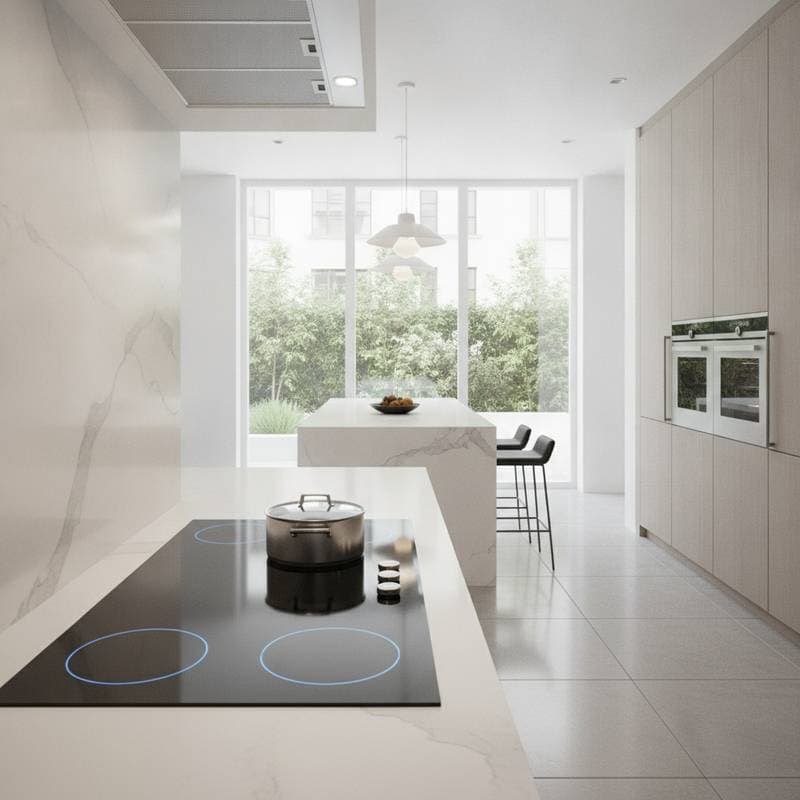
Induction cooking reimagines heat transfer by employing electromagnetic fields to warm pots and pans directly, leaving the cooktop surface relatively cool. Homeowners often express initial reluctance to abandon familiar gas flames, yet they frequently report complete satisfaction after installation. The drivers of this transition include practical performance, financial advantages, and environmental gains. Grasping these factors equips individuals to choose wisely during remodels or appliance updates.
Key Reasons Induction Dominates Modern Cooking
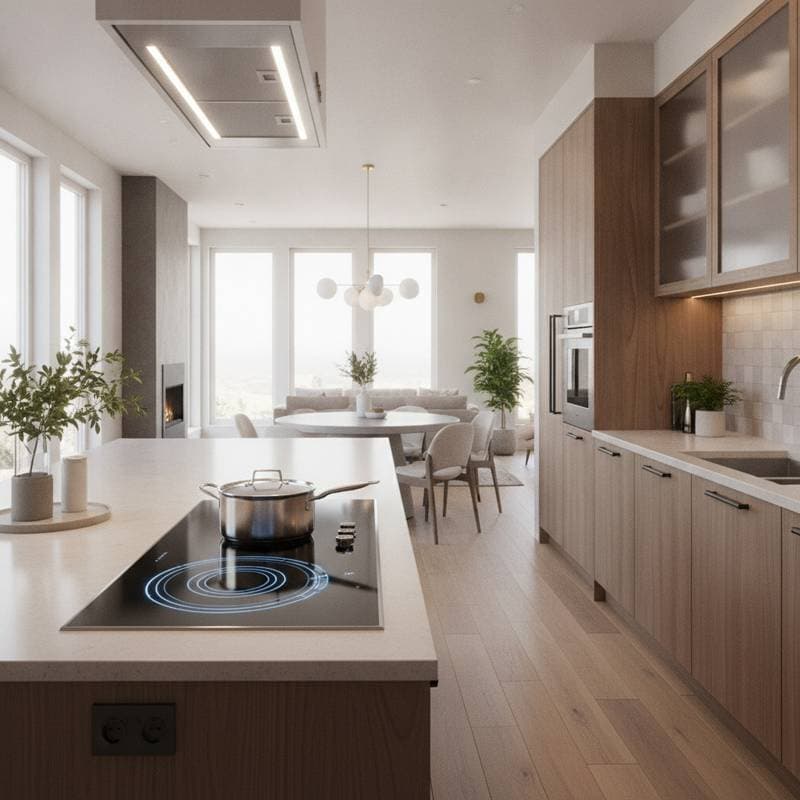
Induction technology harnesses electromagnetic fields to generate heat within compatible cookware, ensuring the cooktop remains safe to touch during operation. This method, though advanced, delivers consistent results suitable for daily meal preparation.
1. Superior Speed and Control. Induction heats water to a boil more quickly than gas and sustains precise low temperatures ideal for delicate tasks like simmering sauces or tempering chocolate. Clients express astonishment during demonstrations as the cookware responds instantaneously to adjustments, eliminating lag times common with gas.
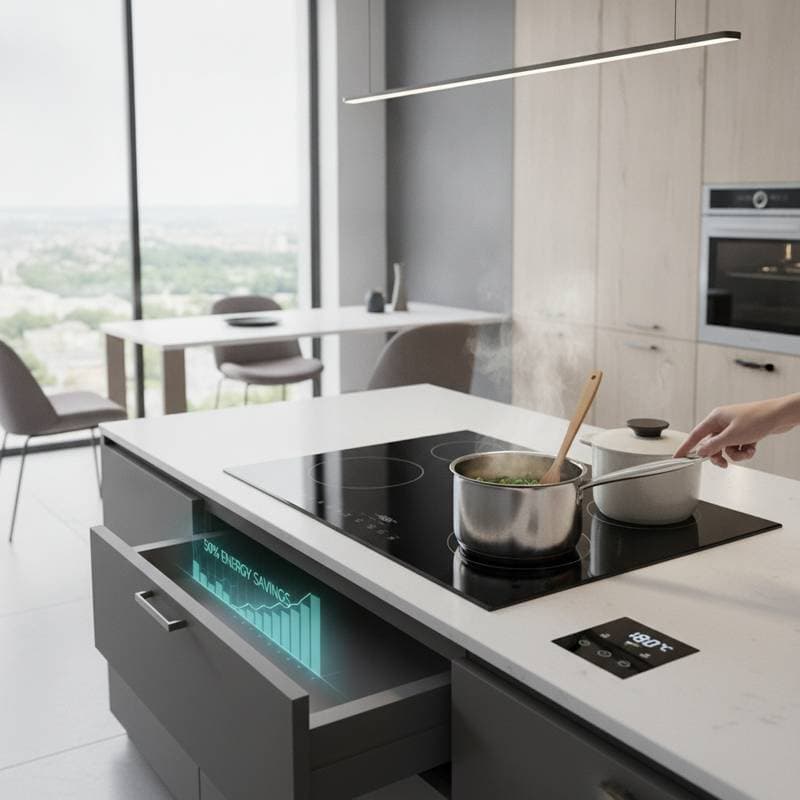
2. Enhanced Energy Efficiency and Cost Reduction. Almost 90 percent of the energy transfers directly to the food, minimizing heat loss to the surrounding environment. This efficiency translates to reduced electricity bills and a more comfortable kitchen atmosphere. In extensive remodels, smaller ventilation requirements further lower project expenses.
3. Heightened Safety Features. Without open flames, gas lines, or leak hazards, induction minimizes accident risks. The heating process halts immediately upon removing cookware, providing peace of mind for households with young children or elderly members.
4. Seamless Integration with Renewable Energy. Induction operates on electricity, which pairs effortlessly with solar installations and home battery systems. This compatibility promotes reliance on clean power sources, unlike gas that perpetuates fossil fuel use.
Economic Considerations in the Induction Transition
From a contractor's viewpoint, induction influences the financial aspects of kitchen installations beyond mere technological appeal.
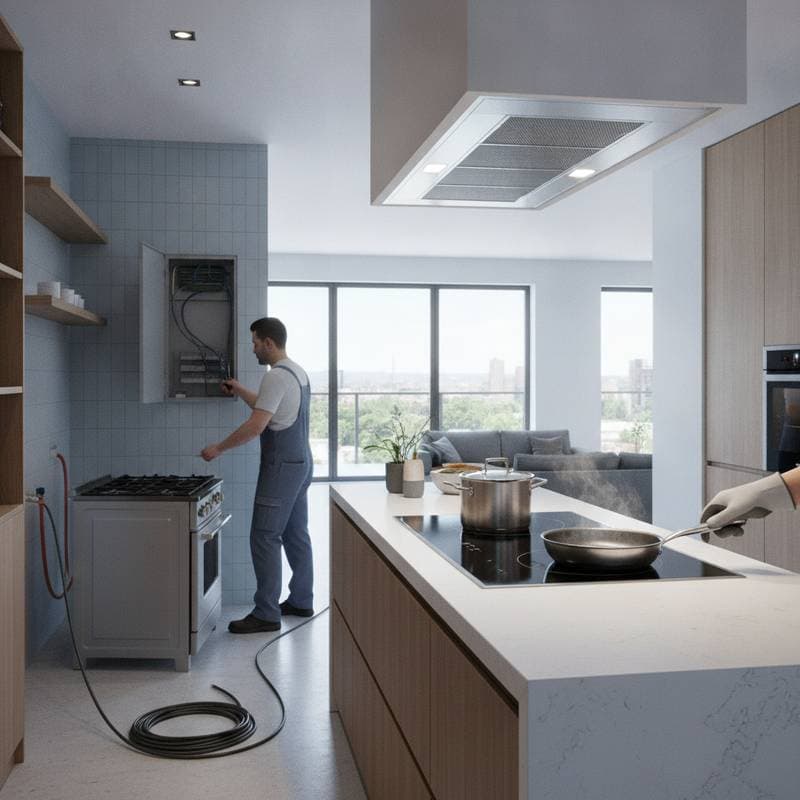
1. Installation Expenses and Electrical Modifications. Kitchens equipped with existing 240-volt circuits require minimal adjustments for induction integration. Otherwise, electrical panel upgrades might cost between $500 and $3,000, influenced by current capacity and wiring length. These investments yield returns through decreased maintenance and energy expenditures over time.
2. Comparative Appliance Costs. Previously, induction units commanded premium prices over gas counterparts, but current models bridge that divide. Basic induction cooktops now match the affordability of standard gas options, while premium versions justify higher costs with superior longevity and performance.
3. Reduced Ventilation Needs and Air Quality Improvements. Induction generates minimal excess heat and zero combustion byproducts, allowing for compact, low-noise exhaust systems. This approach cuts initial installation fees and operational energy demands. Certain building codes permit downdraft or recirculating vents, eliminating the need for exterior ducting.
4. Boosted Resale Value. Prospective buyers increasingly value all-electric kitchens for their health and sustainability attributes. A professionally installed induction setup enhances marketability, particularly in regions enforcing stricter gas usage policies.
Environmental Impacts of Adopting Induction
The departure from gas appliances extends beyond individual convenience to broader ecological effects. A single gas stove emits pollutants like nitrogen dioxide and carbon monoxide, which accumulate across households nationwide. Induction adoption curtails these emissions and optimizes overall energy use.
Construction professionals and interior designers contribute significantly to this change. Various local governments offer subsidies for all-electric new builds and financial rebates for gas-to-induction conversions. Such initiatives ease upfront costs while diminishing the carbon emissions from residential structures.
Practically, reduced gas infrastructure lowers leak probabilities and maintenance burdens. Homeowners benefit from fewer repair visits and potentially lower insurance premiums associated with gas-related hazards.
Steps to Integrate Induction into Your Kitchen
For those considering a remodel or new construction, 2025 presents an optimal time to embrace electric cooking. Appliance prices continue to decline, technology reaches peak reliability, and impending regulations will further limit fossil fuel applications. Contractors appreciate how induction streamlines workflows, bolsters safety protocols, and ensures enduring performance.
Evaluate your electrical setup early to anticipate any upgrades. Select cookware with flat, magnetic bases for optimal efficiency, such as cast iron or specific stainless steel varieties. Test portable induction burners before committing to a full installation to familiarize yourself with the responsive controls.
Optimizing Daily Use of Induction Cooking
Once installed, induction transforms routine cooking into a precise and effortless experience. Experiment with power levels to master techniques like rapid searing or gentle poaching, which outperform gas in consistency. Regular cleaning proves simple, as the cool surface wipes down easily without residue buildup.
This setup not only elevates meal preparation but also aligns with sustainable living goals. Homeowners report enhanced kitchen enjoyment, from energy savings to the elimination of gas odors. By adopting induction, you position your home for future-proof efficiency and comfort.