Wet Rooms Now Outsell Traditional Showers in New Builds
The modern bathroom has evolved from a space of routine into a sanctuary of wellness and design expression. In this transformation, the wet room has emerged as the new benchmark for luxury, functionality, and contemporary living. Once considered a niche European concept, the fully waterproof, curbless shower design now dominates new-build specifications.
Seamless Design Enhances Everyday Living
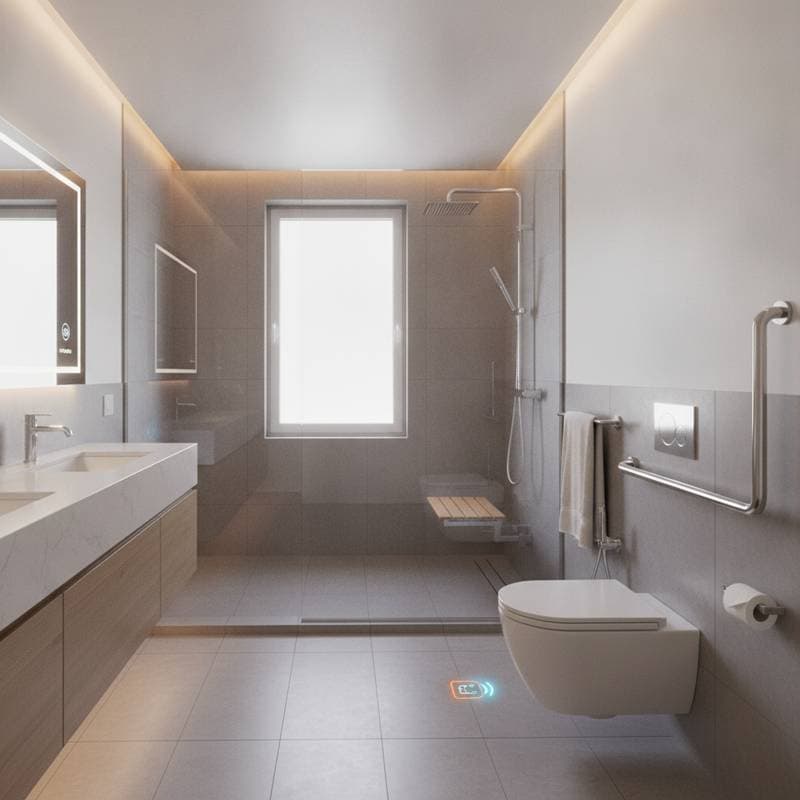
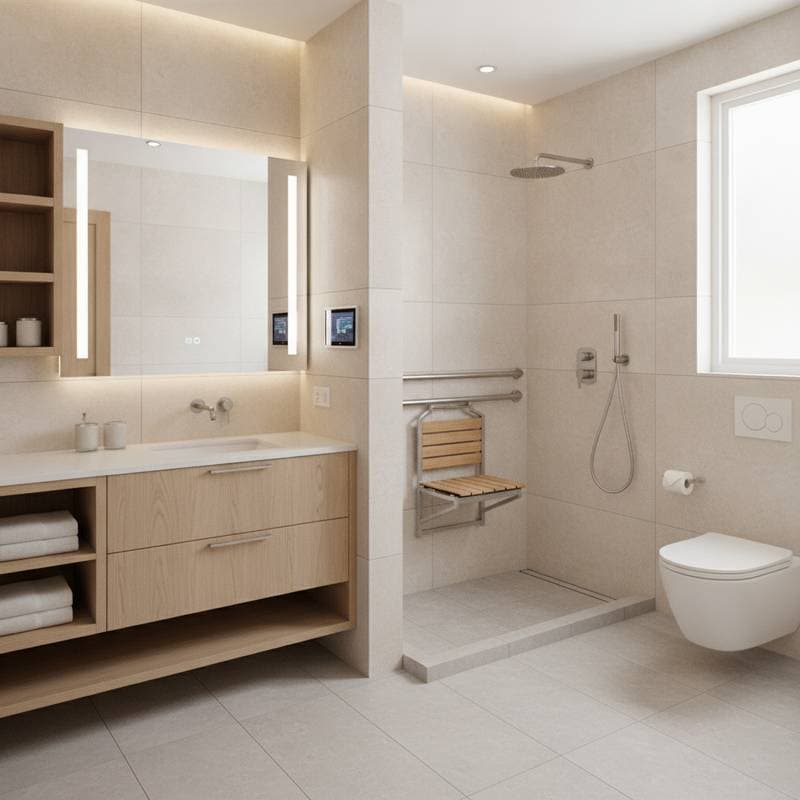
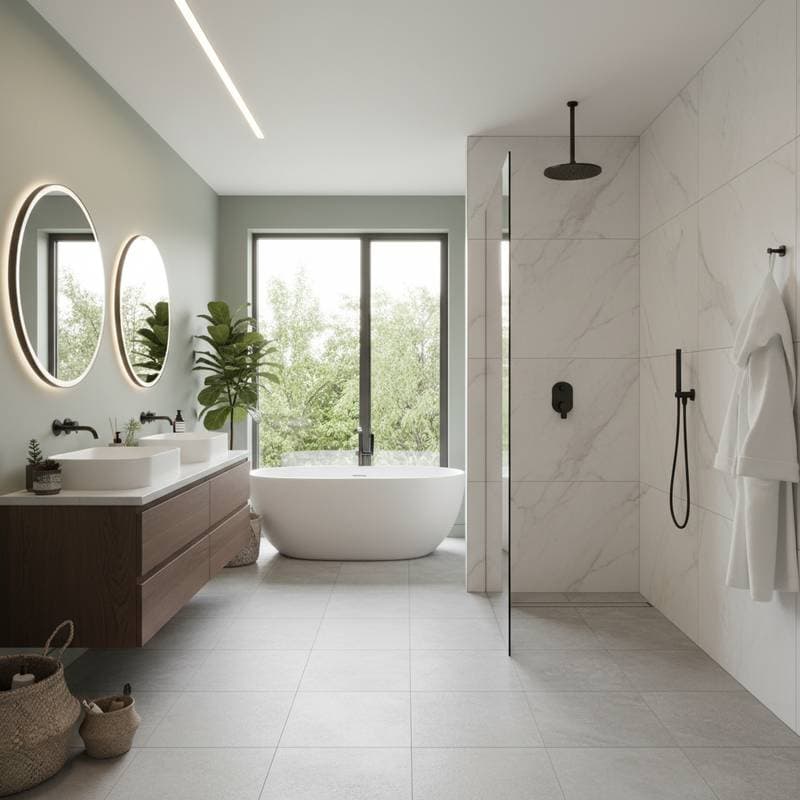
The visual purity of a wet room begins with its seamless floor plane. By eliminating the raised shower tray and incorporating a continuous tiled surface, the space feels larger, calmer, and more architecturally cohesive. Designers describe wet rooms as a study in visual quiet, where boundaries dissolve and the eye moves freely from wall to floor. The absence of thresholds enhances accessibility for all ages.
Architectural Freedom Supports Custom Layouts
Wet rooms invite creative freedom that conventional showers restrict. Without the need for prefabricated bases or bulky enclosures, architects can experiment with unconventional layouts, sculptural partitions, and integrated niches. Materials such as large-format porcelain tiles, Venetian plaster, or microcement allow continuous surfaces without visual interruption. The result is a space that feels crafted rather than assembled.
Reliable Waterproofing Ensures Long-Term Durability
The technical heart of every successful wet room lies beneath the surface. Advanced waterproofing systems have made full wet zones more reliable and straightforward to construct. Proper tanking, gradient formation, and drainage coordination ensure durability and prevent moisture migration. A wet room is only as good as its waterproofing, which gives designers confidence to specify natural stone or polished plaster without fear of damage.
Spa-Inspired Aesthetics Elevate Daily Routines
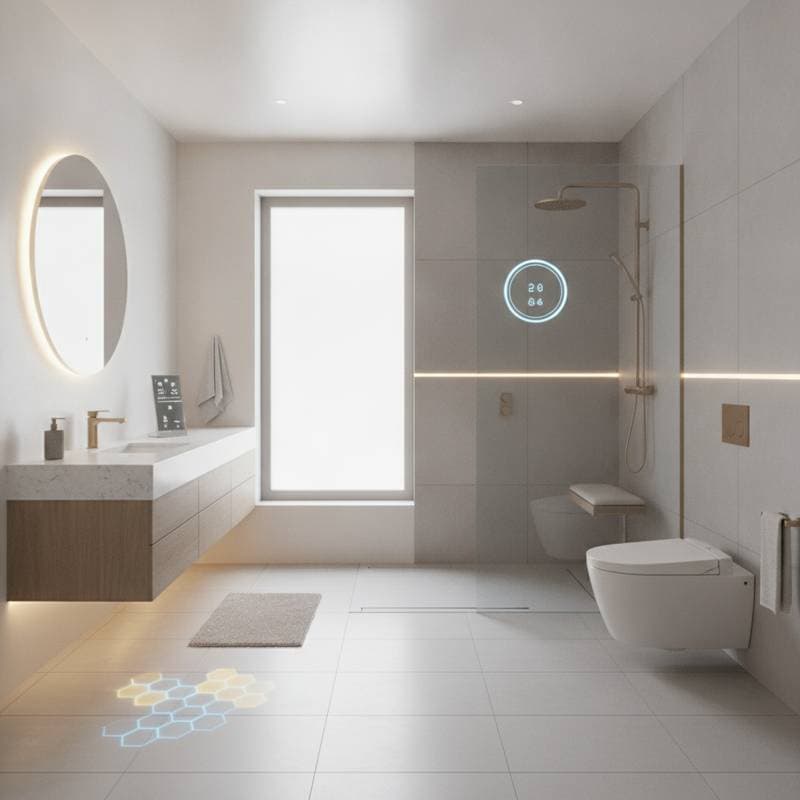
The popularity of wet rooms ties to the cultural embrace of wellness-inspired interiors. The open-plan shower evokes the serenity of spa retreats, where water, light, and texture combine in restorative harmony. Softly diffused lighting, tactile surfaces such as tumbled limestone, and fittings in brushed brass or matte black transform daily rituals into sensory experiences. Paint tones in soft neutrals enhance the tranquil palette.
Compact Spaces Gain an Expansive Feel
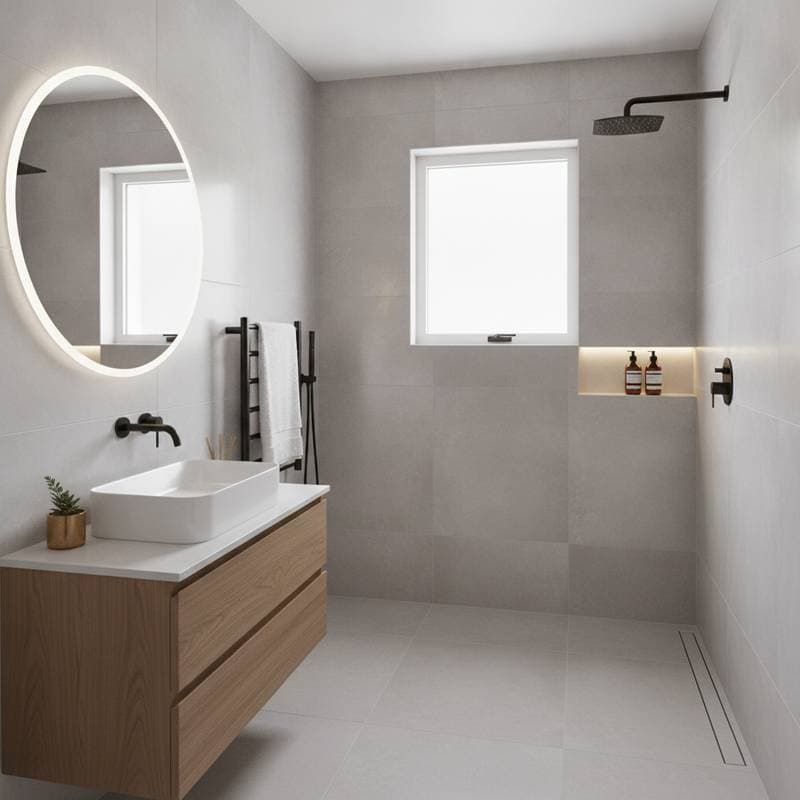
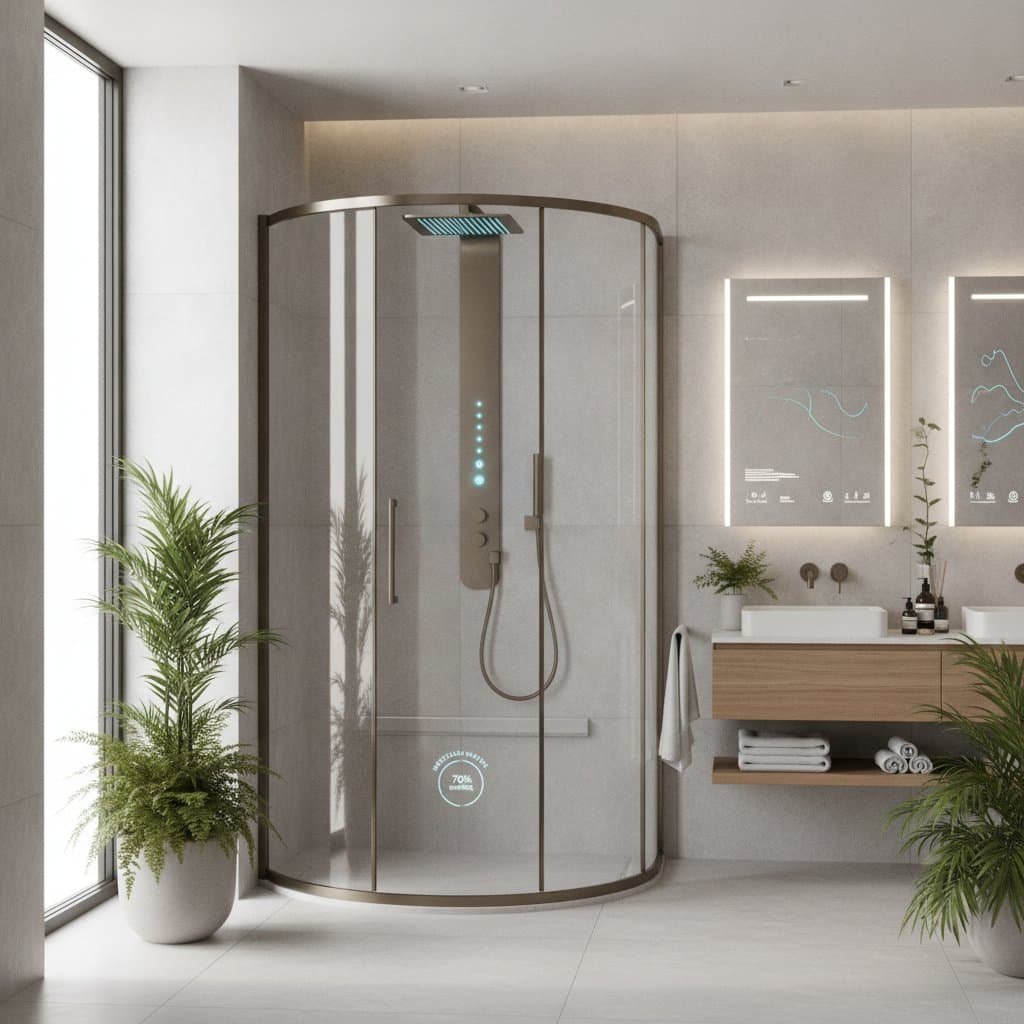
In smaller homes and apartments, wet rooms create a perception of space that conventional showers cannot match. The absence of enclosure frames and doors allows light to travel unhindered. Designers often pair frameless glass panels with linear drains to preserve this openness. A subtle shift in tile texture or color can define the shower area without breaking continuity.
Simplified Maintenance Supports Lasting Appeal
Wet rooms prove easier to clean, with fewer joints, seals, or corners for grime to collect. Large tiles minimize grout lines, and the continuous slope toward a concealed drain ensures efficient water removal. Many designers specify epoxy grout for added stain resistance. The reduction of visual clutter mirrors the design minimal ethos.
Curbless Thresholds Deliver Inclusive Luxury
The curbless shower has become a visual shorthand for contemporary sophistication. Its uninterrupted transition from dry to wet area reflects a design language centered on flow and inclusivity. This detail also simplifies accessibility for people with limited mobility. A small detail changes how people experience the entire room.
Thoughtful Material Pairings Create Cohesive Interiors
Successful wet room design depends on material harmony. Textured porcelain in graphite gray or sandstone beige pairs elegantly with matte black fixtures. For a softer narrative, designers turn to honed marble, European oak vanities, and recessed LED wall washers that highlight natural veining. Waterproof microcement walls provide a monolithic backdrop that reads as both rugged and refined.
Sustainable Choices Promote Enduring Value
The shift toward wet rooms reflects broader environmental awareness. By minimizing synthetic enclosures and maximizing durable materials, the design supports longevity. Many installations use low-flow thermostatic mixers and dual-drain systems that conserve water without compromising performance. The long lifespan of porcelain and natural stone reduces replacement cycles.
Wet Rooms Set the New Standard
The growing preference for wet rooms signals a permanent redefinition of luxury. They are no longer reserved for high-end hotels but have become the aspirational norm in new builds. Developers recognize their market value, and homeowners appreciate their adaptability over time. Creating a wet room is a design investment that rewards daily living with unmatched comfort and longevity.