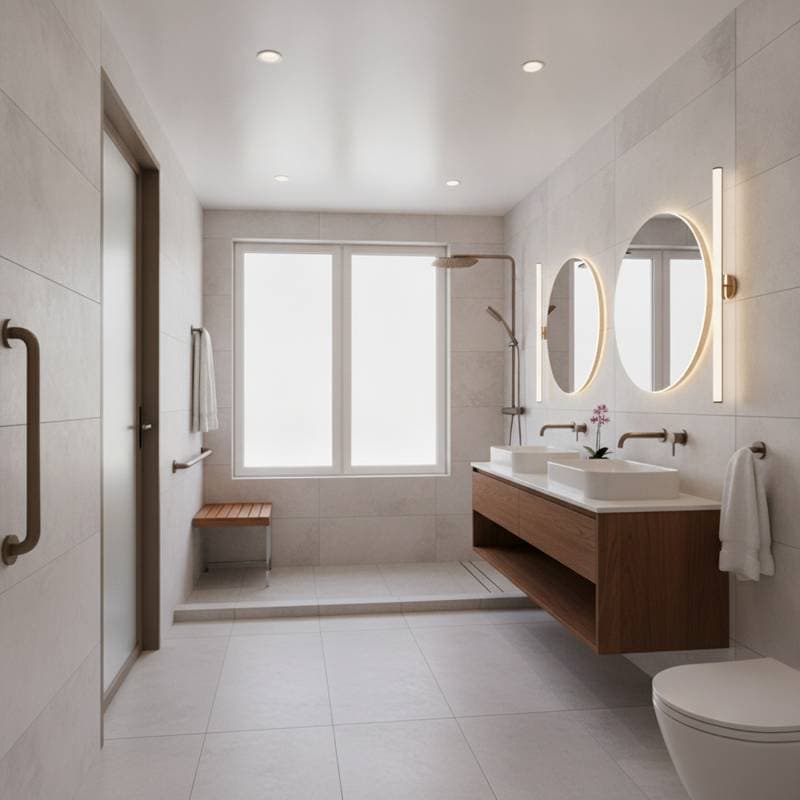
Why Universal Design Bathrooms Are Booming in 2026
As a remodeling contractor, I have seen trends come and go. Few have transformed how we plan and build spaces like universal design. Bathrooms built under these principles are no longer just for accessibility or aging in place. They have become a standard for comfort, convenience, and long-term value. The demand for universal design bathrooms has exploded. Homeowners, designers, and builders recognize that inclusivity and practicality can look beautiful and feel luxurious.
Universal design creates spaces that work for everyone, regardless of age, mobility, or physical ability. When applied to bathrooms, it means eliminating barriers and designing for flexibility without sacrificing style. The result is a room that feels spacious, safe, and timeless.
The Risks of Ignoring Accessibility
Many homes feature bathrooms that look appealing yet contain hidden hazards. Slippery tile, narrow doorways, awkwardly placed towel bars, and cramped shower entries can all lead to accidents. These issues affect older adults and anyone with limited mobility in particular.
Ignoring accessibility also reduces home value. Real estate professionals report more buyers requesting accessible layouts even when they do not currently need them. A homeowner who skips universal design features might later face expensive retrofits or lose potential buyers.
The cost of remodeling a bathroom twice far outweighs the investment in doing it right the first time. Universal design protects that investment by anticipating future needs rather than reacting to them.
What Homeowners Are Asking For
The modern homeowner wants a bathroom that looks like a spa but functions with precision. They want clean lines, open layouts, and intelligent storage while ensuring safety and ease of use. The most requested universal design elements include the following features.
-
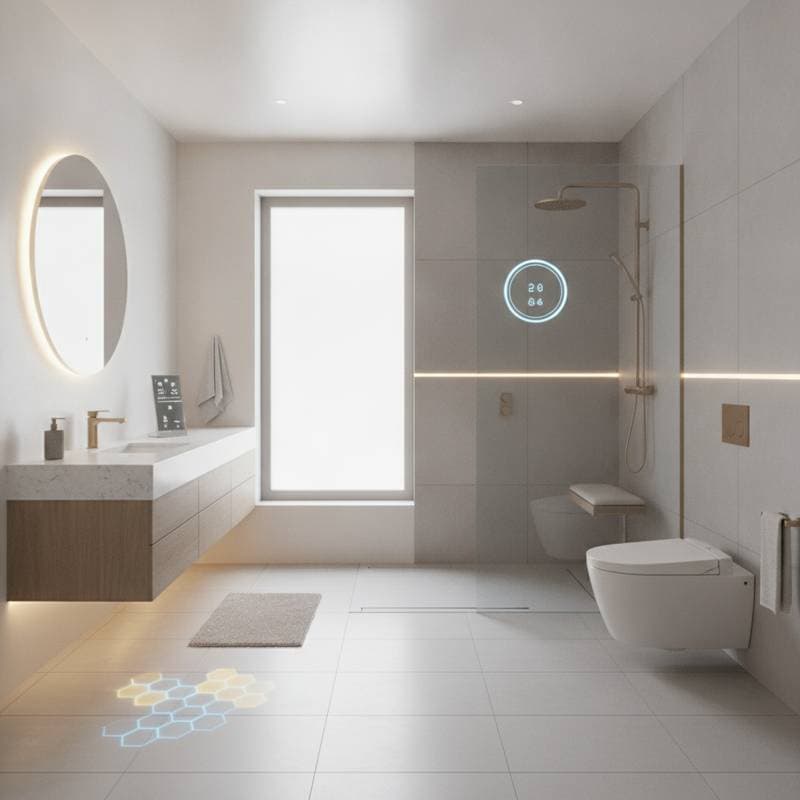
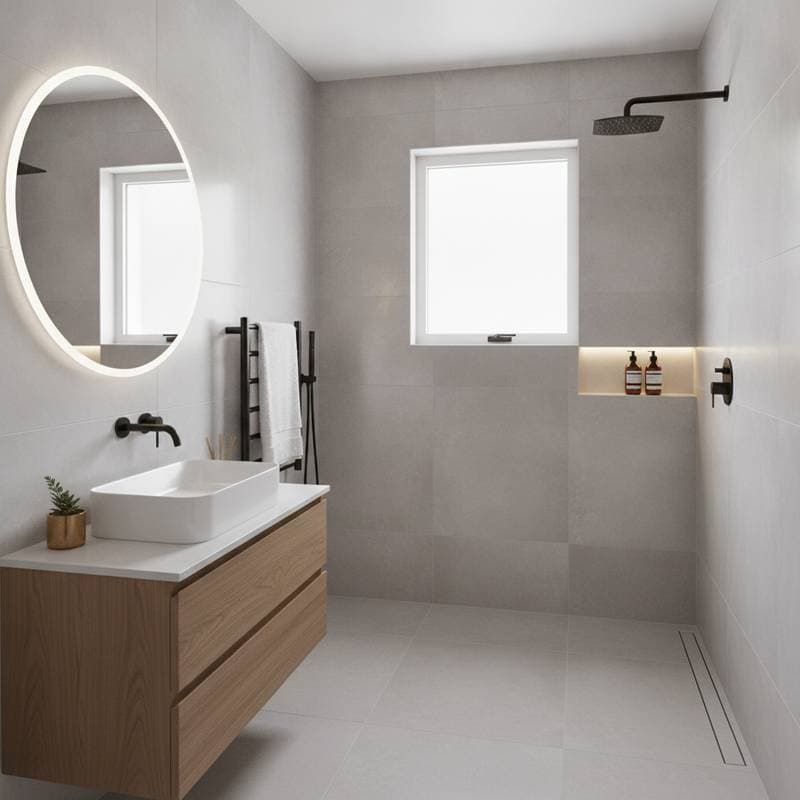
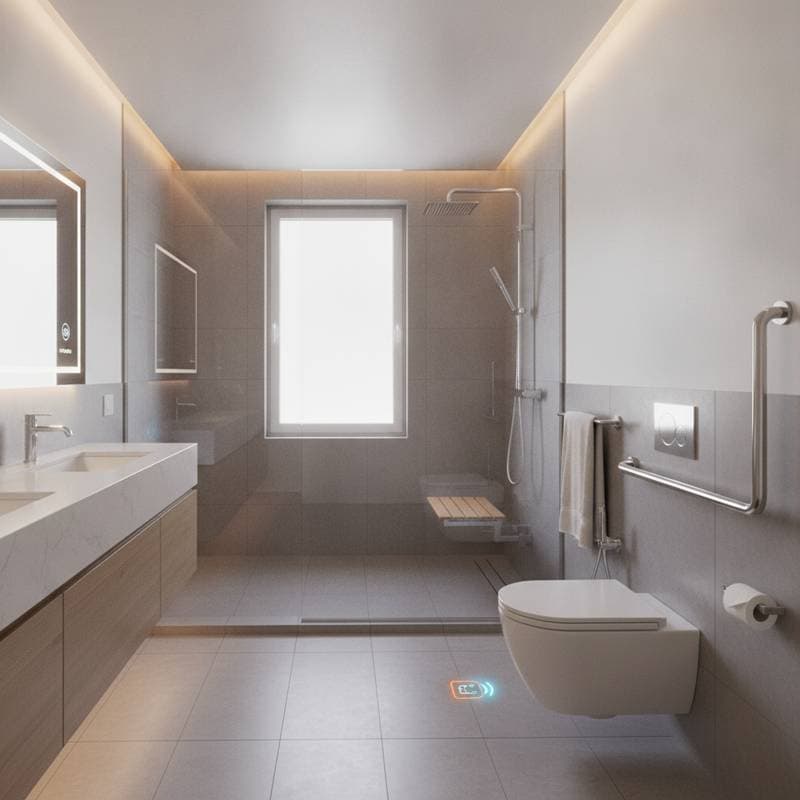
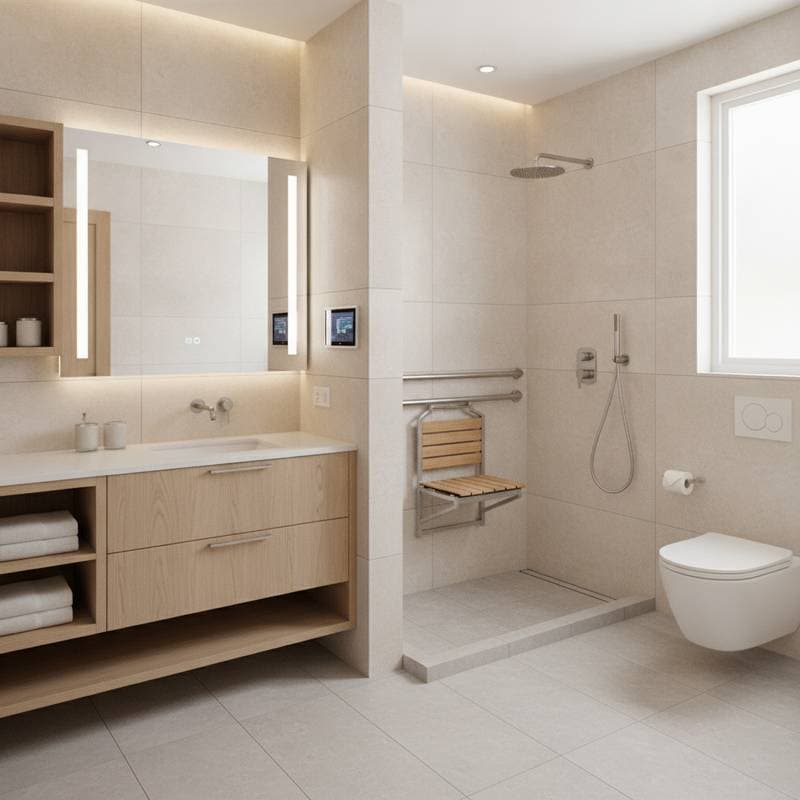
Curbless Showers: These walk-in showers eliminate the raised edge or step. They allow wheelchair access and simplify cleaning. A properly sloped floor and linear drain keep water contained without a curb.
-
Wider Doorways: Standard bathroom doors often prove too narrow for mobility aids. Widening them to at least 36 inches improves access for wheelchair users, parents carrying children, and anyone handling laundry baskets.
-
Comfort-Height Toilets: These models sit several inches higher than standard versions. They ease use for people with knee or hip concerns and now appear as standard upgrades in many remodels.
-
Grab Bars and Reinforced Walls: Homeowners may delay grab bar installation. Reinforcing walls behind the shower and near the toilet allows later addition without removing tile.
-
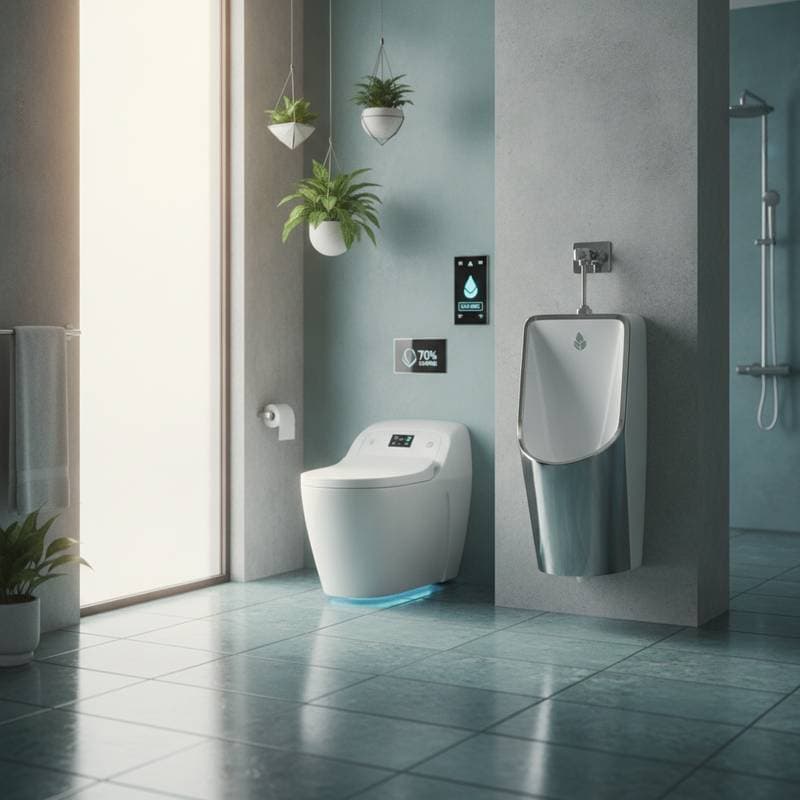
Lever Handles and Smart Fixtures: Lever faucets and door handles operate more easily than knobs. Smart fixtures such as touchless faucets and voice-activated lighting continue to gain popularity.
-
Non-Slip Flooring: Tiles with higher slip resistance ratings help prevent falls. Textured porcelain and luxury vinyl plank offer durability, affordability, and visual appeal.
-
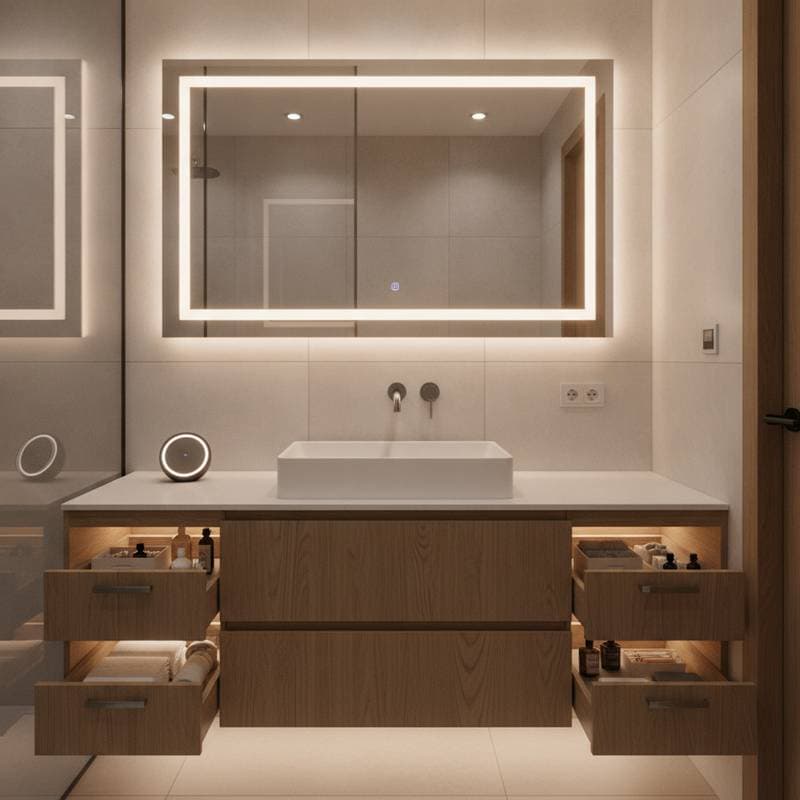
Good Lighting and Contrast: Proper lighting combined with surface contrast improves visibility. Layered lighting with dimmers supports function throughout the day.
These features benefit more than seniors or people with disabilities. Parents bathing children, guests recovering from injuries, and anyone managing daily tasks appreciate accessible bathrooms.
Why the Boom Is Happening Now
The surge in universal design bathrooms stems from demographic, cultural, and economic factors. The aging population plays a role, yet other influences matter equally.
-
Aging in Place Movement: More homeowners plan to remain in their homes long term. They want spaces that adapt as they age rather than requiring relocation.
-
Multi-Generational Living: Families combine households more frequently. Universal design bathrooms serve grandparents, teenagers, and toddlers without repeated adjustments.
-
Design Awareness: Social media and home improvement programs have clarified that safety and style can coexist. The institutional appearance once associated with accessibility features has disappeared.
-
Resale Value: Realtors and appraisers now recognize accessible design as a selling point. A universal design bathroom can increase property appeal and support higher asking prices.
-
Better Products and Technology: Manufacturers offer attractive fixtures that meet accessibility standards without a utilitarian look. This change has made universal design desirable as well as practical.
Contractor Insights on Doing It Right
Universal design work requires careful planning from the first meeting. Integrating accessibility early prevents later compromises. When clients involve contractors at the design stage, plumbing, framing, and electrical work can support features such as curbless showers without extra expense.
Several practices improve outcomes on these projects.
-
Waterproofing Matters: A curbless shower demands precise waterproofing and slope. A continuous waterproof membrane and pre-tile testing prevent subfloor damage.
-
Reinforcement Is Cheap Insurance: Blocking for grab bars or fold-down seats costs little during framing yet avoids major wall repairs later.
-
Plan for Lighting Early: Recessed lighting over the shower plus vanity and accent fixtures prevents shadows that reduce safety.
-
Use the Right Materials: Glossy floor tiles and small mosaics with many grout lines reduce traction and increase maintenance. Materials should balance grip, durability, and appearance.
-
Communicate About Expectations: Some homeowners assume accessibility features look clinical. Visual examples of stylish universal design bathrooms clarify the possibilities.
These steps protect homeowners and contractors alike. A well-built universal design bathroom reduces liability, callbacks, and builds referrals.
Cost vs. Value
Universal design features do not always add significant cost when planned from the start. The savings appear later when the bathroom continues to function as needs change.
From a value standpoint, these bathrooms often outperform traditional remodels. They appeal to a wider buyer pool and demonstrate quality construction. Appraisals that note curbless showers and reinforced walls reflect thoughtful planning.
How Homeowners Can Prepare
Homeowners should complete several steps before beginning a remodel.
-
Assess Current Limitations: Identify cramped, unsafe, or difficult areas to prioritize features.
-
Hire Qualified Professionals: Select contractors experienced in universal design and certified in aging-in-place practices. Request project examples and references.
-
Request Detailed Plans: Drawings should show dimensions, clearances, and fixture placement to avoid construction surprises.
-
Budget for Quality Fixtures: Durable, low-maintenance products support accessibility better than inexpensive alternatives.
-
Think Long-Term: Install structural reinforcement or select wider shower entries even when mobility is not currently a concern.
Planning Your Universal Design Bathroom
The growth of universal design bathrooms shows a shift toward homes that combine function and beauty. Every homeowner gains from spaces that remain accessible, safe, and easy to maintain. When executed properly, these bathrooms prevent accidents, support independence, and adapt to future needs. Whether updating an existing home or building new, incorporating accessibility creates lasting value.