Smart AI Tools for Selecting Paint Colors
Color transforms a space more quickly than most other design choices. The right shade can adjust mood, enhance lighting, and alter the perceived size of a room. Selecting that shade from hundreds of options often creates hesitation for homeowners.
Moving from Uncertainty to Accurate Matches
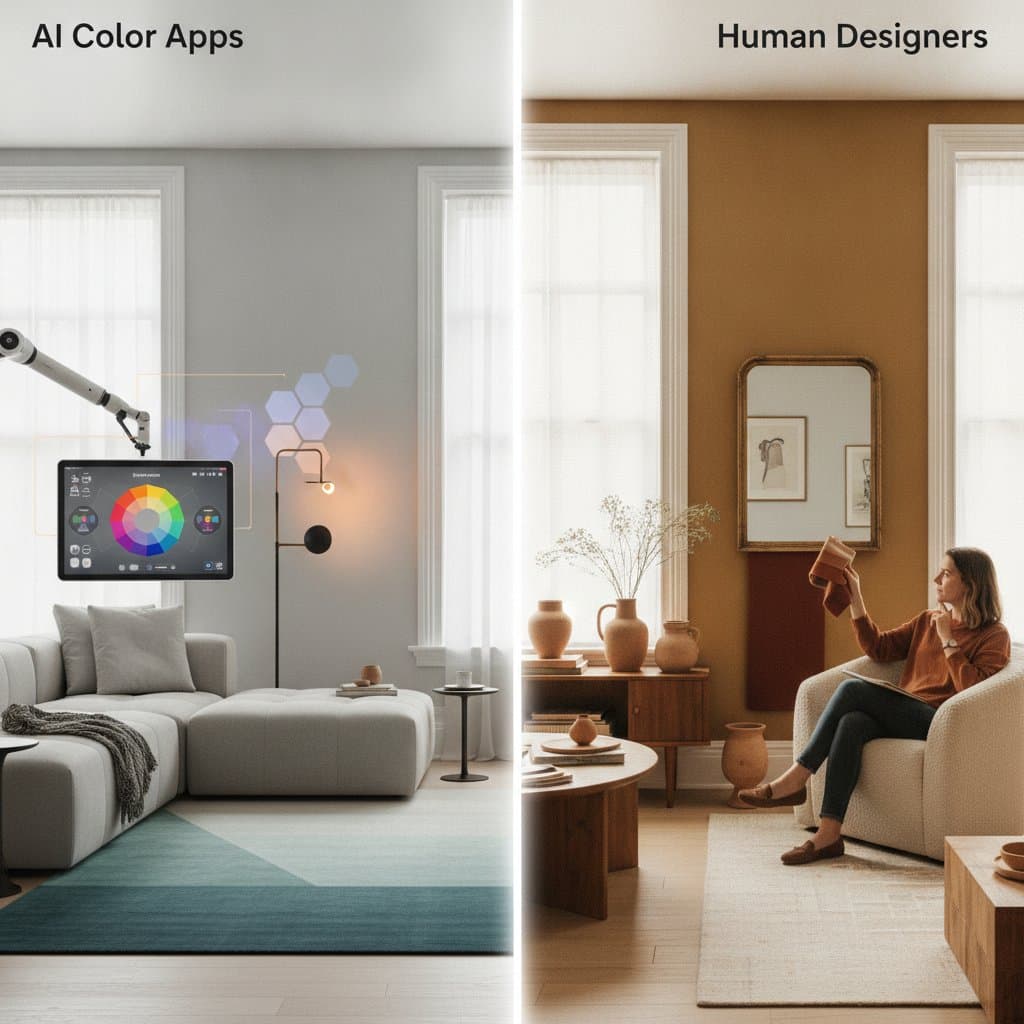
Homeowners frequently struggle to match an inspiring image to their own room conditions. AI color tools address this gap by examining uploaded photos for lighting, existing surfaces, and furnishings. Applications such as Sherwin-Williams ColorSnap and Benjamin Moore Color Portfolio analyze tones and generate coordinated palettes suited to the specific environment.
These systems evaluate undertones, textures, and light reflection to produce balanced suggestions. The output resembles professional curation even when the user works without a designer.
Accessible Options Across Budget Levels
Many AI color applications are free to download and use. Users begin by uploading a room photo; the software identifies current colors in furniture and finishes, then proposes compatible paint shades.
Augmented reality features in apps from Behr and Valspar allow digital wall testing. Multiple colors can be applied and compared without purchase. When a shortlist forms, sample pots or peel-and-stick swatches provide physical verification under actual lighting conditions.
How AI Evaluates Color Accurately
Machine learning models train on extensive real-world paint data to predict how hues appear under varied illumination. The software distinguishes warm from cool tones and detects subtle undertones that may escape visual inspection.
User feedback further refines these models over successive updates. Recommendations therefore improve as more verified results enter the dataset.
Practical Application on Set and at Home
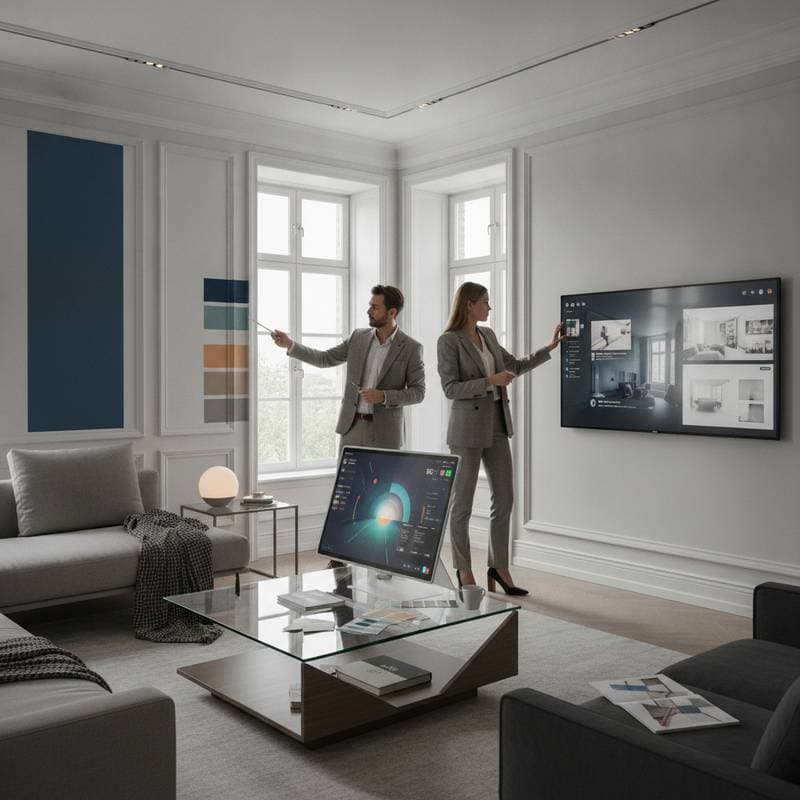
Designers test AI previews to observe color shifts between studio lighting and natural daylight. The same visualization tools help homeowners anticipate daily changes in their own spaces. Virtual simulations reveal whether a chosen gray will read as cool or lavender depending on window orientation.
Expanding Creative Choices
AI previews support bolder selections by showing how deep tones interact with existing elements. Renters can explore removable treatments such as fabric panels or peel-and-stick materials matched to the same palettes.
Cross-Industry Development
Software engineers, color scientists, and design professionals collaborate to align digital output with physical paint performance. This cooperation enables remote color consultation packages and faster project timelines for small studios.
Step-by-Step Color Selection Process
- Upload reference images of admired spaces or owned items to extract dominant colors.
- Photograph the target room in natural light for undertone analysis.
- Apply augmented reality previews to compare multiple shades on the walls.
- Order small samples of the top selections.
- Observe each sample across morning, afternoon, and evening light.
- Proceed with the confirmed choice.
Extending AI Beyond Wall Color
The same matching technology now connects paint selections to furniture, textiles, and accessories available from retailers. Independent makers can align custom pieces with trending palettes identified by the tools.
Maintaining and Updating Palettes
After application, scanned wall colors serve as the base for future accessory or accent decisions. The tools continue to suggest pairings when new elements are introduced, supporting ongoing adjustments without repeated trial and error.