Scullery Kitchens as Versatile Hidden Prep Spaces
Scullery kitchens represent a practical evolution in home design, offering concealed areas for food preparation and cleanup. These spaces allow main kitchens to remain tidy and inviting, particularly during gatherings. Designers now incorporate them into both new builds and renovations to optimize workflow and aesthetics.
Contemporary sculleries extend beyond basic utility, serving as multifunctional zones that adapt to diverse needs. They support efficient meal preparation while preserving the visual appeal of open-plan living areas. This resurgence highlights a shift toward spaces that balance productivity with sophistication.
Defining the Modern Scullery Kitchen
A scullery kitchen functions as a secondary area adjacent to the primary kitchen, dedicated to intensive tasks such as chopping, washing, and storing. It shields the main space from clutter, ensuring it stays presentable for guests. Often referred to as a butler's pantry or prep kitchen, this setup originated in larger estates but now suits varied household sizes.
Current designs emphasize adaptability and integration. Key features include concealed storage for appliances and ingredients, along with surfaces optimized for daily use. These elements create a seamless connection between work and living areas without compromising style.
The modern scullery excels through:
- Concealed operations that minimize visible disorder.
- Ample storage solutions for bulk items and tools.
- Versatile configurations, such as beverage stations or utility corners.
- Aesthetic harmony that complements the primary kitchen's design.
Reasons for the Scullery's Popularity
Scullery kitchens align with contemporary lifestyles that prioritize efficiency and elegance. They address the demands of open-concept homes where visibility affects ambiance. By isolating messy activities, these spaces enhance overall comfort and usability.
Open Layouts Benefit from Concealed Zones
In expansive, interconnected interiors, sculleries provide essential separation. They enable thorough preparation without disrupting social interactions. This setup proves invaluable for families managing multiple tasks simultaneously.
Enhanced Home Entertaining
With increased focus on at-home events, sculleries streamline hosting duties. Hosts prepare and serve without abandoning conversations or overcrowding counters. The result is smoother gatherings and reduced stress.
Optimization for Compact Homes
Smaller residences gain significantly from scullery adaptations. Transform underutilized areas like closets or alcoves with basic additions: a utility sink, shelving, and workspace. Such modifications maximize efficiency without requiring major alterations.
Aesthetic and Functional Innovation
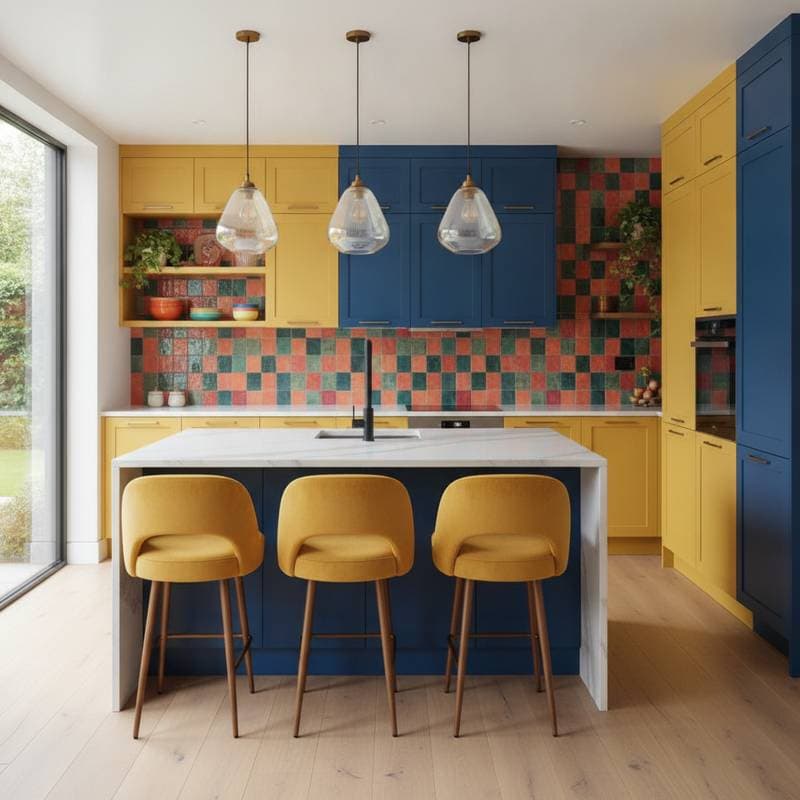
Sculleries invite creative expression through materials and layouts. Experiment with vibrant hues or textured surfaces in this private area, maintaining neutrality in the main kitchen. This approach elevates both practicality and visual interest.
Creating a Scullery Across Budget Levels
Scullery designs scale effectively to fit financial constraints, from basic enhancements to elaborate installations. Begin by evaluating space availability and core requirements. Tailor elements to ensure long-term value and satisfaction.
Low-Budget Approaches: Repurposing Existing Areas
Achieve functionality with minimal investment by modifying available spaces.
- Convert a closet into a prep station using adjustable shelving and outlet extensions.
- Incorporate freestanding units like carts or cabinets for mobile storage.
- Install wall-mounted organizers such as pegboards for tools and accessories.
Source secondhand pieces from salvage yards and refresh with paint for a cohesive look. These steps deliver immediate improvements at low cost.
Moderate-Budget Options: Semi-Custom Enhancements
Invest in targeted upgrades to achieve a professional finish.
- Integrate a small basin for washing tasks, connected to existing plumbing.
- Add wall-mounted racks or pull-out drawers for organized access.
- Incorporate task-specific illumination, such as recessed or strip lights.
Opt for cost-effective surfaces like sealed wood to balance durability and warmth. Consult local suppliers for affordable, quality components.
High-Budget Installations: Comprehensive Secondary Kitchens
For premium setups, replicate essential features in a dedicated room.
- Include secondary appliances like compact refrigerators or dishwashers.
- Design bespoke cabinetry to accommodate serving items and pantry staples.
- Ensure fluid transitions with matching hardware and finishes.
Incorporate access features like pocket doors for discreet entry. This level transforms the scullery into a fully independent workspace.
Stylish Design Concepts for Sculleries
Scullery aesthetics can either echo the main kitchen or stand alone with distinct character. Select motifs that reflect personal tastes while prioritizing endurance. These ideas inspire cohesive yet imaginative implementations.
Timeless Elegance
Employ clean lines with neutral cabinetry and classic tiling. Introduce subtle patterns through flooring or accents to add depth without excess.
Bold and Atmospheric
Select deep tones like charcoal or emerald for cabinetry, paired with metallic fixtures. Wooden elements provide contrast and warmth in this intimate setting.
Rugged Contemporary
Utilize resilient materials such as metal worktops and exposed shelving. This style suits high-use environments, blending form with fortitude.
Sleek Simplicity
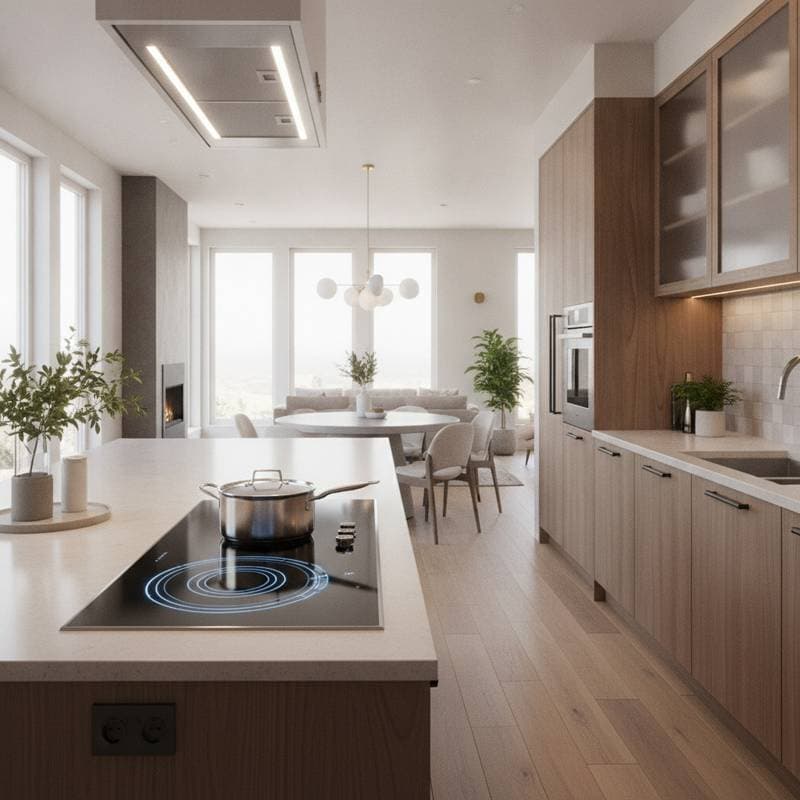
Favor streamlined cabinetry in soft palettes to promote openness. Minimal detailing ensures focus on utility in constrained areas.
Eclectic Material Blends
Layer textures like stone, timber, and glass for dynamic appeal. Reserve this experimentation for the scullery to avoid overwhelming adjacent spaces.
Expert Strategies for Optimal Performance
Effective sculleries integrate thoughtful planning to support daily routines. Focus on ergonomics and maintenance for sustained utility.
- Map activity sequences to position sinks near prep zones and storage adjacent to tools.
- Layer lighting types: overhead for general use and focused beams for detailed work.
- Ensure adequate airflow, especially near heat sources, through vents or fans.
- Choose wipeable, heat-resistant finishes for counters and floors.
- Incorporate noise-dampening hardware and mats to maintain quiet during events.
- Infuse character with decorative touches like framed prints or greenery.
These principles derive from extensive design applications, yielding spaces that enhance productivity.
Investment Potential of Scullery Designs
Sculleries boost property appeal and marketability for designers and owners alike. They add tangible value through expanded utility.
Well-executed additions elevate resale prices by showcasing innovative space use. Collaborate with artisans for unique elements that differentiate projects. Such features also facilitate efficient staging for real estate presentations.
Maintaining and Evolving Your Scullery
A functional scullery requires ongoing care to preserve its benefits. Schedule periodic reviews to adapt to changing needs.
Purge infrequently used items quarterly to prevent accumulation. Use clear labeling systems for quick retrieval and inventory management. Periodically reassess appliance placement based on usage patterns.
This space ultimately fosters a more organized and enjoyable home environment, supporting both routine tasks and special occasions.
Steps to Implement Your Scullery
Initiate the project by assessing spatial constraints and daily habits. Compile references from design resources to guide decisions.
- Draft a basic floor plan to outline key zones.
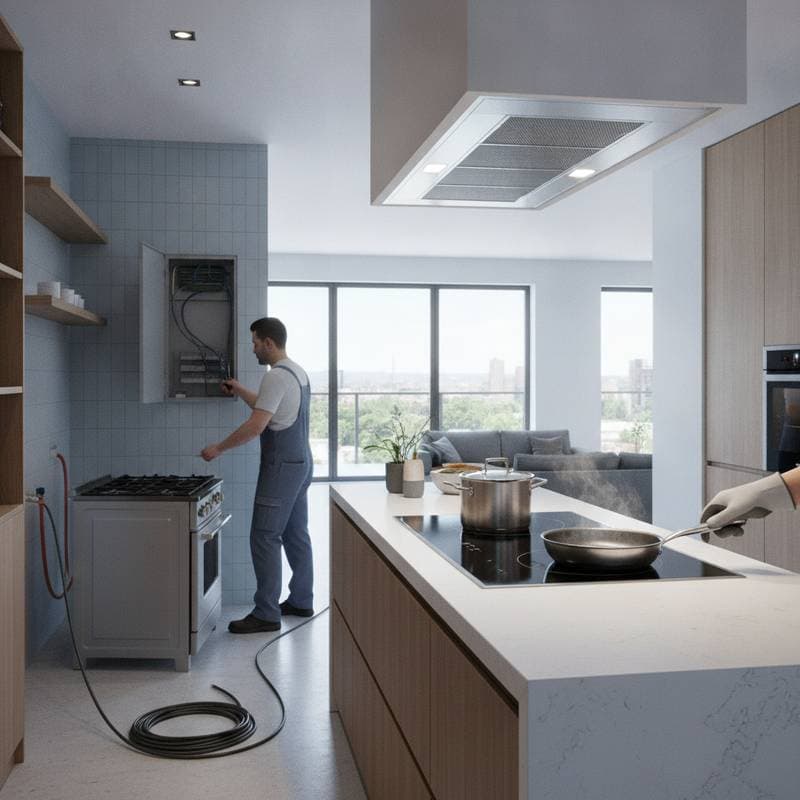
- Identify must-have elements, such as plumbing or electrical needs.
- Allocate funds with flexibility for unforeseen adjustments.
- Engage professionals if structural changes are involved.
Approach the development methodically to realize a tailored, effective solution. The outcome rewards with a harmonious blend of utility and refinement.