Induction Replaces Gas: Essential Upgrades for Modern Kitchens
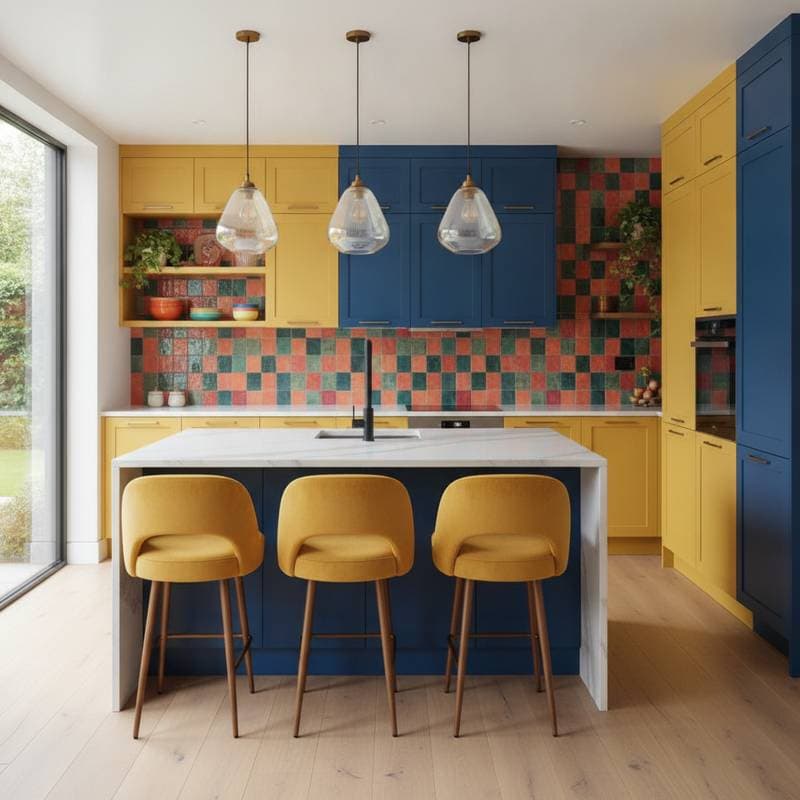
Television kitchen transformations often inspire viewers with their sleek finishes and efficient layouts. Many homeowners believe such changes require substantial budgets, yet the transition from gas to induction cooking offers an accessible path to similar results. This upgrade enhances safety, speed, and style without necessitating a complete remodel.
Induction technology uses electromagnetic fields to heat cookware directly, eliminating open flames and uneven heat distribution common in gas stoves. Homeowners report boiling water in half the time compared to traditional methods, which translates to quicker meals and less energy use. Professional designers favor induction for its reliability in high-pressure settings, such as television productions where timing and appearance matter equally.
The following sections outline the process for switching to induction, from preparation to implementation, ensuring a smooth integration into any home.
Preparing for the Switch from Gas to Induction
Transitioning to induction cooking involves assessing your kitchen's infrastructure and selecting compatible equipment. This preparation minimizes disruptions and maximizes long-term benefits. Electricians and designers recommend starting with a thorough evaluation to avoid unexpected costs.
Evaluate Your Electrical Setup
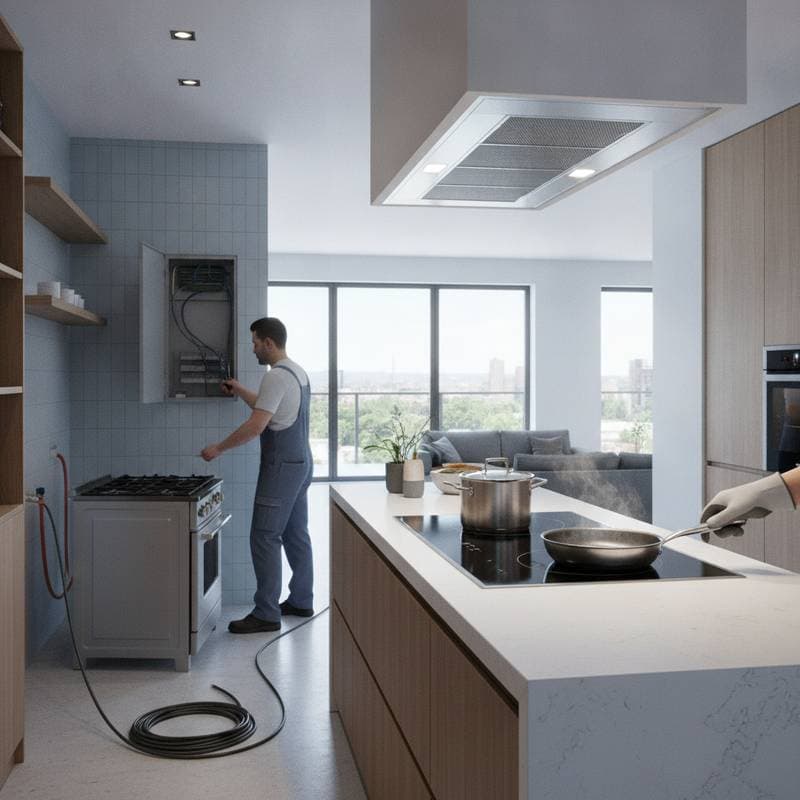
Induction cooktops require a dedicated 240-volt circuit to operate efficiently, unlike standard gas lines. If your kitchen features an existing electric range outlet, adaptation becomes simpler. Otherwise, consult a licensed electrician to install the necessary wiring, a process that typically takes one to two days depending on accessibility.
Costs for electrical upgrades range from $200 to $800, influenced by factors such as distance from the main panel and local labor rates. For those in rental properties or compact living spaces, portable induction units connect to standard 120-volt outlets, providing an entry point without permanent alterations. These portable options deliver comparable performance for everyday tasks like boiling pasta or simmering soups.
Select the Appropriate Cooktop Size and Features
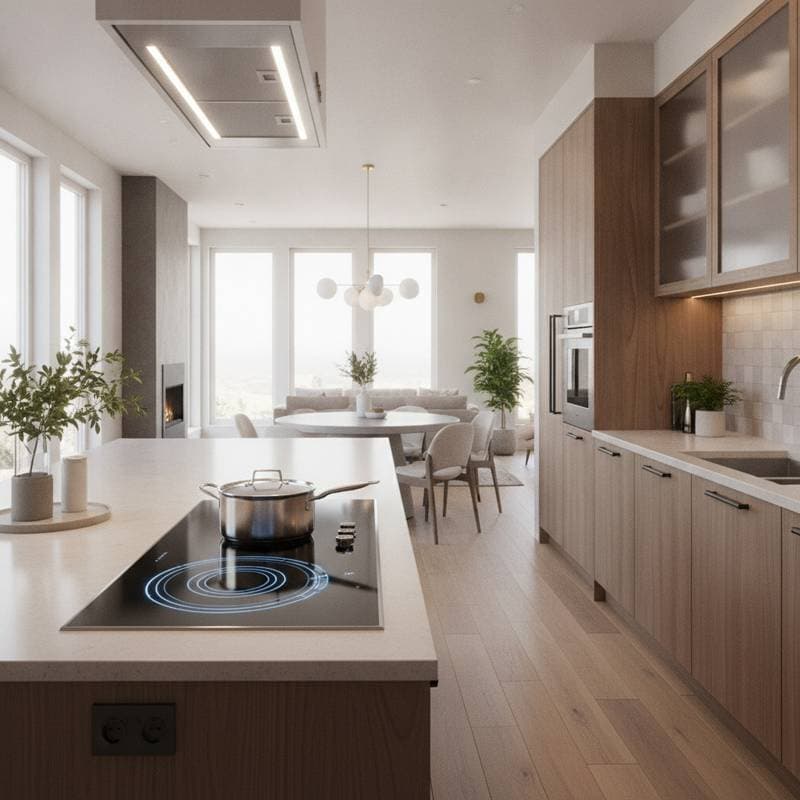
Available in widths from 12 inches for single burners to 36 inches for full ranges, induction cooktops accommodate various kitchen configurations. Advanced models include touch controls, automatic shut-off sensors, and flexible zones that expand for larger pots or griddles. Consider your cooking habits; frequent users of multiple burners benefit from models with four or more zones.
Pricing reflects functionality and brand reputation:
- Entry-level portable units from brands like Duxtop or NutriChef cost $70 to $200 and suit occasional use.
- Mid-tier built-in cooktops from Samsung or LG, priced at $900 to $1,600, offer Wi-Fi connectivity for recipe integration.
- Premium selections from Wolf or Viking, ranging from $2,500 to $5,000, feature professional-grade precision and durable ceramic surfaces.
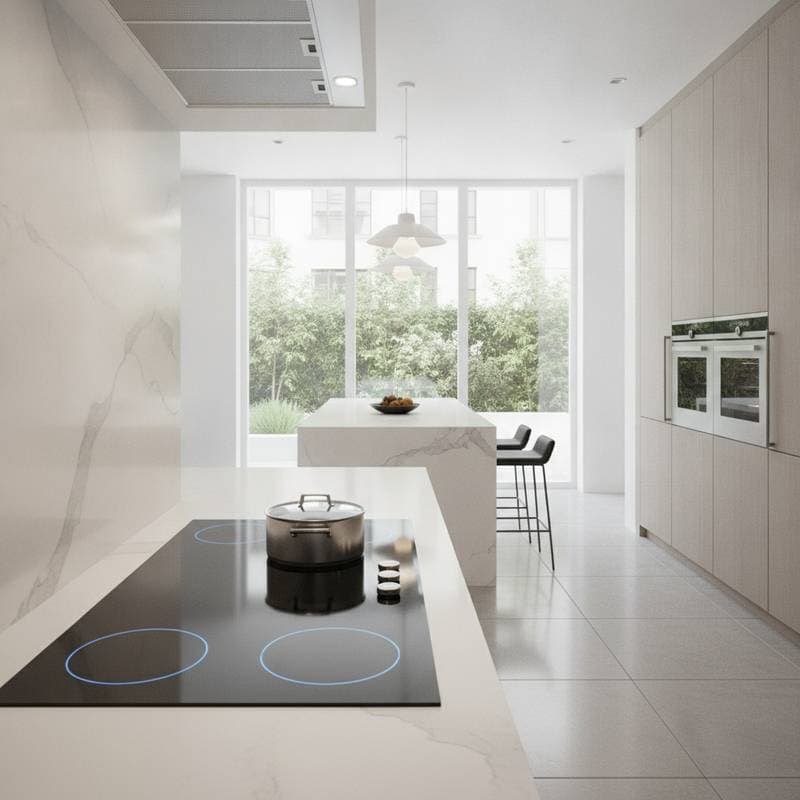
For visually striking kitchens, opt for flush-mount or frameless designs that blend seamlessly with countertops, enhancing both aesthetics and ease of cleaning.
Verify Cookware Compatibility
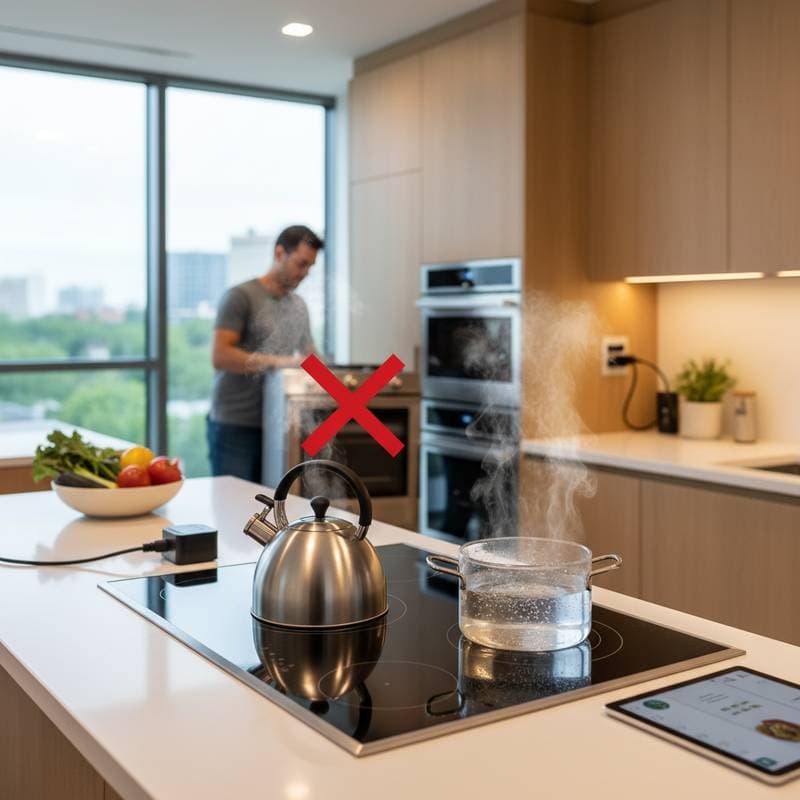
Induction heating activates only through ferromagnetic materials, so test existing pots and pans with a magnet against their base. Cast iron skillets and enameled steel Dutch ovens respond effectively, while non-magnetic options like pure aluminum require induction-specific bases. This compatibility check prevents the need for wholesale replacements.
Affordable induction-ready cookware sets from All-Clad or Calphalon begin at $100 for essentials like a saucepan and frying pan. Gradually build your collection by prioritizing versatile pieces, such as a 10-inch skillet for eggs and a 3-quart pot for stocks. Nonstick coatings compatible with induction, like those from Scanpan, maintain performance over time with proper care.
Insights from Professional Kitchen Design Projects
Experience in television design highlights induction's advantages in demanding environments. Sets require appliances that heat rapidly, maintain consistent temperatures, and facilitate quick cleanup between takes. Induction excels here, with surfaces remaining cool to the touch outside the cookware footprint, reducing burn risks and simplifying maintenance.
In one memorable project, a homeowner tested an induction cooktop by placing her hand near a simmering pot, expressing surprise at the lack of radiant heat. This demonstration underscores the technology's safety profile, particularly for families with children or elderly members. Designers note that induction's precision control prevents overcooking, preserving flavors in delicate preparations like sauces or seafood.
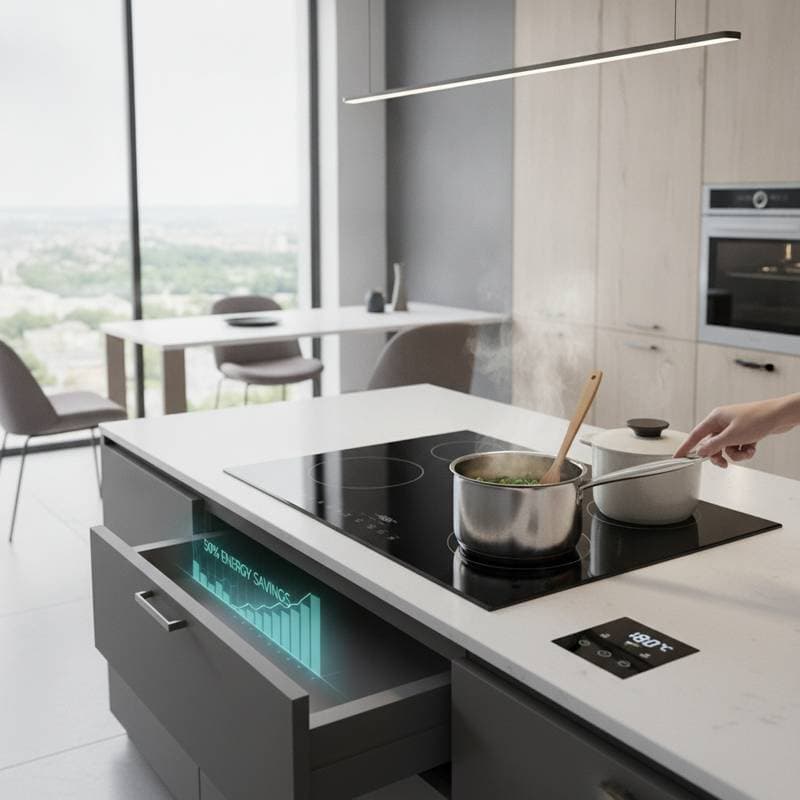
Beyond safety, induction promotes energy efficiency by directing heat exactly where needed, potentially lowering utility bills by 10 to 20 percent. In studio settings, this efficiency supports extended filming schedules without performance dips. Home applications mirror these benefits, allowing cooks to focus on creativity rather than monitoring flames.
Strategies for Cost-Effective Induction Integration
Full kitchen overhauls suit some budgets, but incremental approaches make induction accessible to all. These methods allow experimentation before committing to larger investments. Prioritize upgrades based on usage frequency to optimize value.
Consider these phased strategies:
- Introduce portable units: Ideal for apartments or seasonal use, these burners fit on existing counters and store easily. Models with multiple power levels handle tasks from gentle melting to high-heat searing.
- Incorporate hybrid configurations: Retain a gas oven while replacing the cooktop with induction, combining the best of both systems. This setup appeals to bakers who value gas's moisture retention alongside induction's speed.
- Plan for timed replacements: Monitor your current stove's warranty and efficiency; replace it with an induction range during natural cycles. Dual-fuel ranges, blending induction tops with gas ovens, ease the shift for traditionalists.
Each approach builds toward a fully optimized kitchen. Track energy savings and cooking times to quantify improvements, reinforcing the decision's wisdom.
Maximizing Benefits in Daily Cooking
Once installed, induction cooktops elevate routine tasks through responsive controls and uniform heating. Boiling times for a quart of water drop from 10 minutes on gas to under 5, freeing time for meal assembly. Safety features, such as pan detection that deactivates unused zones, add peace of mind during multitasking.
Maintenance involves wiping the glass surface with a damp cloth after cooling, a process far simpler than scrubbing gas grates. Over time, this ease contributes to sustained use and enjoyment. Homeowners often discover newfound enthusiasm for cooking, experimenting with techniques once limited by slower equipment.
In summary, adopting induction transforms kitchens into efficient, stylish hubs. The initial effort yields lasting rewards in performance, safety, and sustainability, making every meal preparation more rewarding.