Induction Cooktops: Replace Gas for Efficient Kitchens
Home cooks often appreciate the visible flame of a gas stove for its sense of immediate control. However, that flame contributes to significant drawbacks. Gas cooking leads to energy inefficiency, indoor pollution, and reliance on fossil fuels. Induction cooktops provide a superior alternative that is cleaner, quicker, and safer, influencing how professionals design contemporary kitchens.
Drawbacks of Gas Stoves
To appreciate induction benefits, consider the true costs of gas cooking. These extend beyond environmental impact to affect daily comfort, safety, and property worth.
-
Indoor Air Quality Issues
Burning methane in gas stoves releases nitrogen dioxide, carbon monoxide, and fine particulates. Ventilation hoods often fail to capture all emissions, allowing pollutants to persist. Over time, these substances harm respiratory health and create a stuffy kitchen atmosphere. -
Energy Inefficiency
Gas burners deliver only 35 to 45 percent of their energy to cookware. The remainder dissipates as heat into the surrounding air. In warmer months, this forces air conditioning systems to operate more frequently. -
Ongoing Maintenance and Safety Hazards
Gas components such as lines, valves, and burners demand routine checks. Undetected leaks present serious dangers. Professionals frequently replace damaged grates and fittings, issues that sealed electric systems avoid entirely. -
Challenges with Future Adaptations
Regulations in many areas promote electrification, with new constructions omitting gas infrastructure. Retaining gas appliances may diminish marketability and hinder renovations.
These problems manifest in real scenarios. Clients report headaches following meals or observe discoloration on walls near ranges, typically linked to gas byproducts.
Understanding Induction Technology
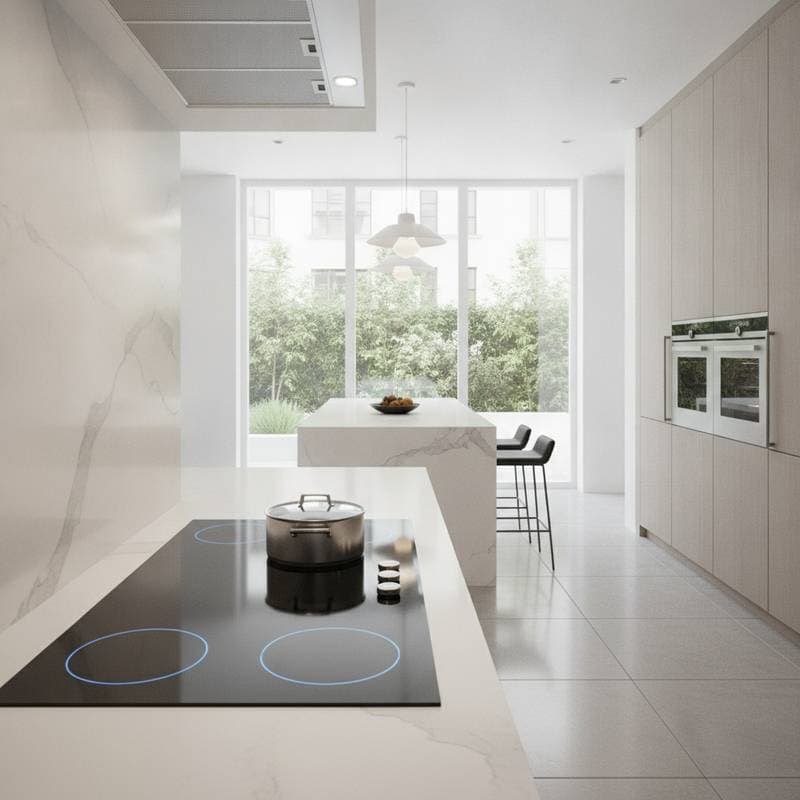
Induction cooktops employ magnetic fields to heat cookware directly. Unlike flames or heating elements, the surface stays cool while the pot generates heat. This method offers unparalleled efficiency and precision.
Responses occur nearly instantaneously with induction. Adjusting settings alters temperature right away. Boiling water accelerates, and simmering sauces maintain consistency. The smooth glass surface simplifies cleaning with a brief wipe after removing pans.
In essence, induction replicates the accuracy of high-end gas equipment without associated drawbacks.
Energy and Cost Savings from Induction
Initial investments in induction may exceed those for basic gas models, yet savings accumulate over time.
-
Superior Energy Transfer
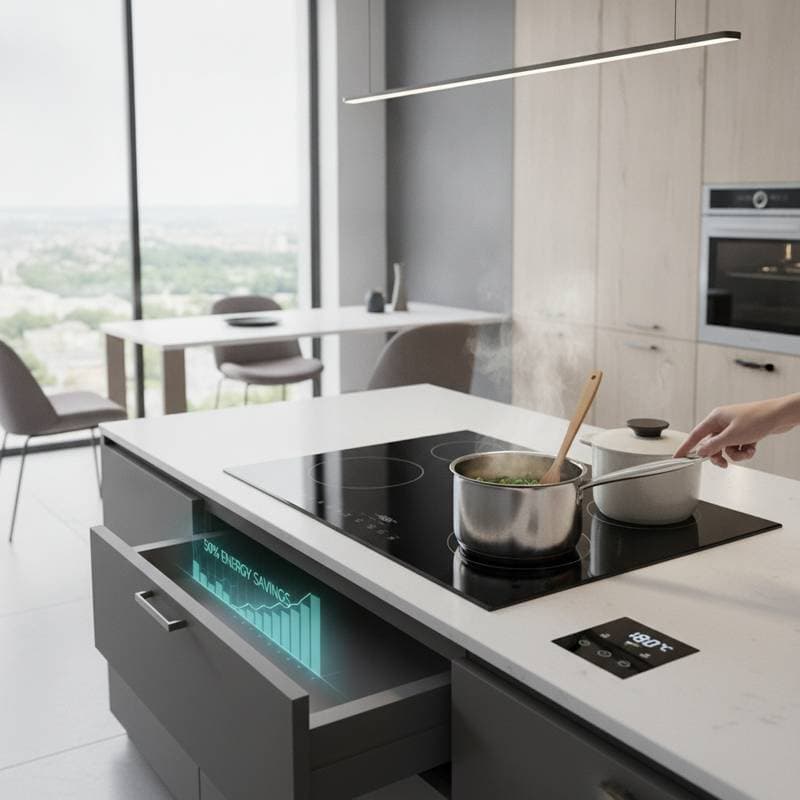
Induction channels 85 to 90 percent of energy into cookware. Electricity usage drops, leading to reduced utility expenses. -
Decreased Cooling Demands
Heat concentrates in the pan, keeping ambient temperatures lower. Air conditioning requirements diminish as a result. -
Minimal Upkeep Requirements
Systems lack pilot lights, clogged components, or removable grates. Maintenance involves only occasional wiping with a damp cloth.
Frequent cooks often halve their kitchen energy consumption after transitioning. Combined with enhanced usability, these advantages justify the change swiftly.
Key Safety Features of Induction
Families with children, pets, or seniors benefit most from induction safety enhancements.
-
Temperature-Controlled Surface
The cooktop heats only under active cookware. Upon pan removal, the glass cools rapidly, minimizing burn risks from incidental contact. -
Built-In Safety Mechanisms
Advanced units sense empty pots or absent cookware and deactivate power. Such features avert numerous potential incidents. -
Absence of Flames
Without open flames, fire threats from nearby fabrics or clothing disappear.
In renovation work, induction suits households requiring flexible, low-supervision cooking environments.
Practical Installation Guidance
Converting from gas to induction requires proper execution, underscoring the need for skilled professionals.
-
Assess Electrical Infrastructure
Units demand a 240-volt, 30- to 50-amp dedicated circuit. Older setups might require panel upgrades or subpanels, as determined by electricians. -
Secure Gas Line Management
Plumbers must cap unused gas supplies correctly. Improper handling breaches codes and creates hazards. -
Select Appropriate Ventilation
While induction avoids combustion, hoods remain essential for vapors and smells. Smaller, quieter models suffice due to reduced heat output. -
Verify Cookware Suitability
Magnetic materials like cast iron or specific stainless steel work best. Test by checking if a magnet adheres to the pan base.
One project involved adding a new circuit after overlooking panel capacity, increasing expenses. Thorough preparation avoids such setbacks.
Selecting Optimal Induction Options
Choices range from compact portables to comprehensive ranges, tailored to cooking needs and space constraints.
-
Integrated Cooktops
These embed seamlessly into counters for a modern aesthetic. Configurations offer two to six zones, with options for combining areas to accommodate large vessels. -
Complete Range Units
Pairing cooktops with ovens, these fit standard 30-inch spaces and serve as direct gas replacements. -
Portable Burners
Ideal for compact areas or rentals, they connect to regular outlets while delivering full induction capabilities.
Recommendations emphasize wattage and responsiveness over branding. Reliable mid-tier products meet everyday demands effectively.
Addressing Induction Myths
Hesitation often stems from misconceptions; clarification helps.
-
Cost Concerns
Prices now rival those of quality gas appliances, with broad accessibility. -
Cookware Limitations
Existing sets with ferrous bases function well, requiring few replacements. -
Precision Shortfalls
Heat modulation proves faster and more exact than gas alternatives. -
Adjustment Difficulties
Adaptation occurs after minimal use, with users valuing the enhanced control.
Installers note that satisfaction grows post-installation, thanks to silent performance and pristine surroundings.
Enhancing Property Value Through Induction
Induction contributes tangibly to home equity. Prospective buyers favor efficient electric setups. Properties with these features attract eco-aware demographics and comply with evolving standards.
From a design standpoint, adoption facilitates whole-home electrification. It eliminates residual gas ties, easing transitions to updated heating or appliances.
Broader Health and Environmental Gains
The move to induction yields substantial wellness and sustainability improvements.
-
Eliminated Emissions
Direct avoidance of combustion byproducts ensures purer indoor air. -
Reduced Carbon Impact
Integration with green energy sources approaches zero emissions. -
Peaceful Cooking Environment
Lack of flame noise and excessive venting creates a serene space.
Renovated areas show noticeable improvements in air freshness and thermal stability.
Preserving Your Induction System
Sustaining performance demands straightforward practices.
-
Handle Cookware Carefully
Lift pans to prevent surface scratches from rough edges. -
Perform Routine Cleaning
Address spills promptly using gentle, non-abrasive solutions. -
Schedule Yearly Inspections
Electricians can verify connections for security and reliability.
Steps to Transition Successfully
Begin by consulting professionals for electrical and gas evaluations. Select equipment matching your routines. Embrace the shift for enduring efficiency, safety, and appeal in your kitchen.