Preparing Your Kitchen for the Induction Era in 2025
Homeowners often pause before their gas ranges, contemplating updates amid rising concerns over energy use and indoor air. New regulations and incentives accelerate the move toward electric options, positioning induction cooking as the efficient choice. This guide explains the transition process, from understanding benefits to executing a smooth upgrade.
Key Reasons Induction Replaces Gas Stoves
Gas stoves provide familiar instant heat and a sense of professional control, yet mounting evidence highlights their drawbacks. Induction addresses these issues effectively through superior design and performance.
-
Improved Indoor Air Quality: Gas combustion releases nitrogen dioxide and particulates that aggravate respiratory conditions like asthma. Induction avoids fuel burning entirely, ensuring cleaner air without additional filtration needs.
-
Superior Energy Efficiency: Electromagnetic fields heat pots directly, transferring 85 to 90 percent of energy to the cookware. Gas systems dissipate much of their output as ambient heat, leading to higher waste.
-
Alignment with Energy Policies: Local governments promote all-electric homes to cut emissions. Induction integrates seamlessly with these initiatives, often qualifying for rebates.
-
Enhanced Precision: Sensors adjust heat levels immediately, mimicking gas responsiveness while maintaining steady temperatures for consistent results.
-
Simplified Maintenance: The smooth glass surface resists spills and wipes clean effortlessly, unlike gas grates that trap debris.
The Mechanics of Induction Technology
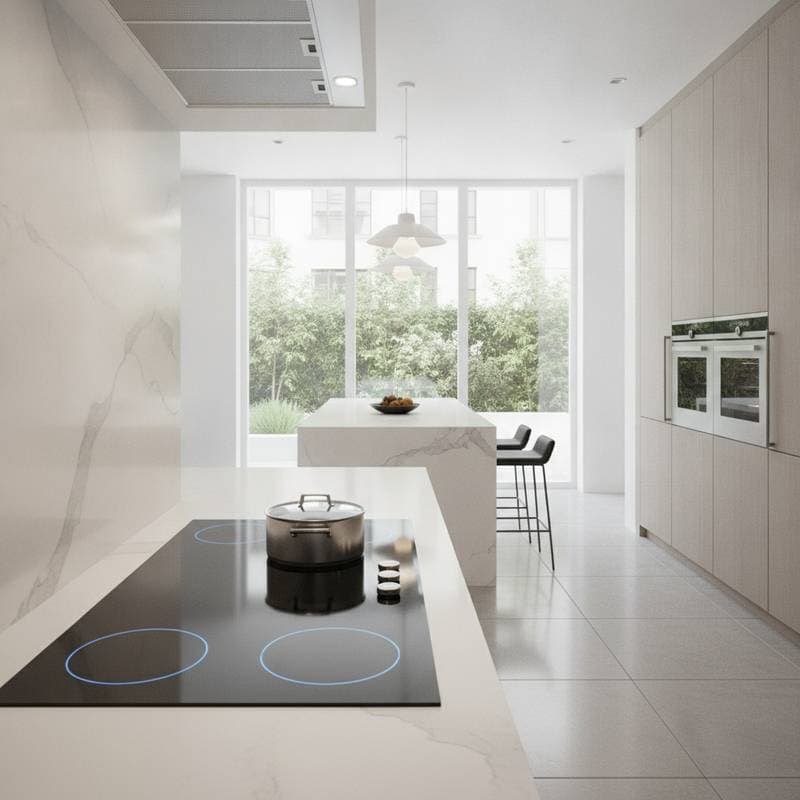
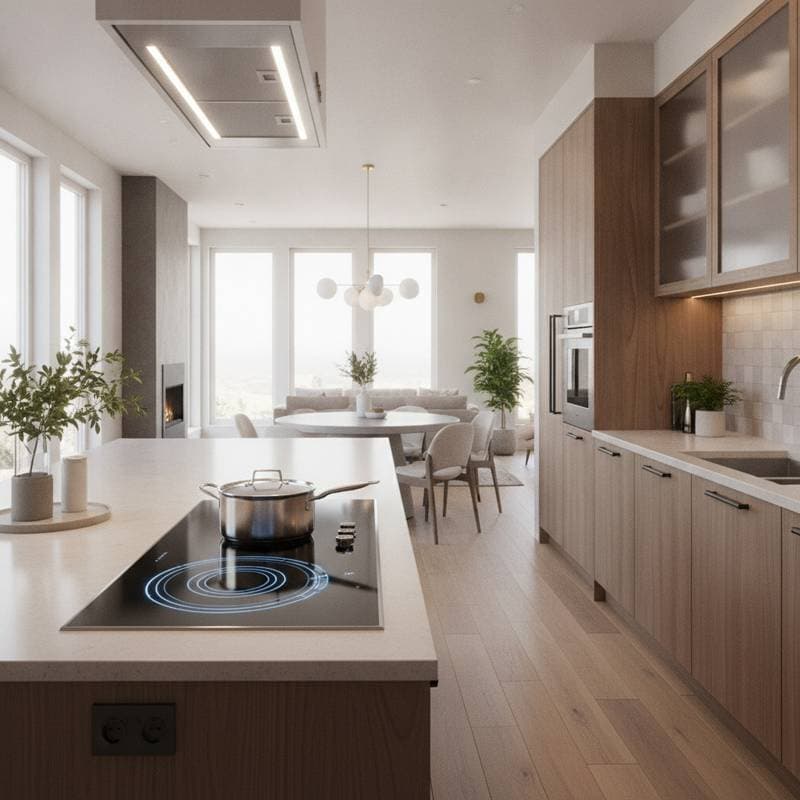
Induction cooktops generate oscillating magnetic fields that induce heat in compatible cookware. The surface remains cool to the touch, minimizing burn risks and speeding up cooking times. This direct heating method outperforms traditional electric elements and gas flames in both speed and safety.
Compatible pots require ferrous materials, such as cast iron or magnetic stainless steel. Test existing items by attaching a magnet to the base; secure adhesion confirms readiness. Non-magnetic options like pure aluminum demand adapters or replacement.
Step-by-Step Guide to Transitioning to Induction
A successful switch demands evaluation of your home's infrastructure and careful selection. Follow these steps to avoid surprises and ensure compliance.
Evaluate Electrical Capacity
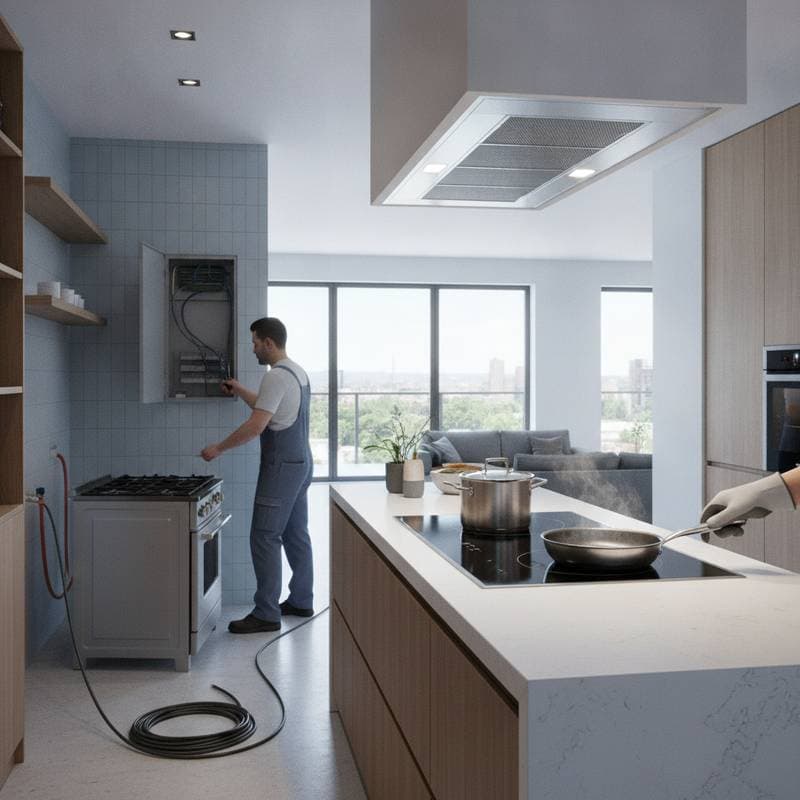
Induction units draw significant power, typically requiring a 240-volt dedicated circuit. Inspect your panel for availability; older homes may need upgrades. Licensed electricians charge $300 to $800 for new installations, factoring in distance from the panel and load assessments.
Measure for Fit and Compatibility
Standard induction models match common gas cutouts, but verify dimensions to prevent modifications. Slide-in designs suit most counters, while freestanding options offer flexibility. Consult manufacturer specs to align with your space.
Optimize Ventilation Setup
With no open flames, induction generates minimal excess heat or fumes. Retain a hood for moisture and aromas, but consider energy-efficient models that operate quietly at lower speeds. This adjustment can reduce noise and utility costs.
Select an Appropriate Induction Model
Entry-level four-burner cooktops range from $800 to $1,200, featuring basic controls and even heating. Advanced versions with Wi-Fi integration and flexible zones cost $2,000 to $4,000. Full ranges combining induction tops with convection ovens match these prices.
Arrange Professional Installation
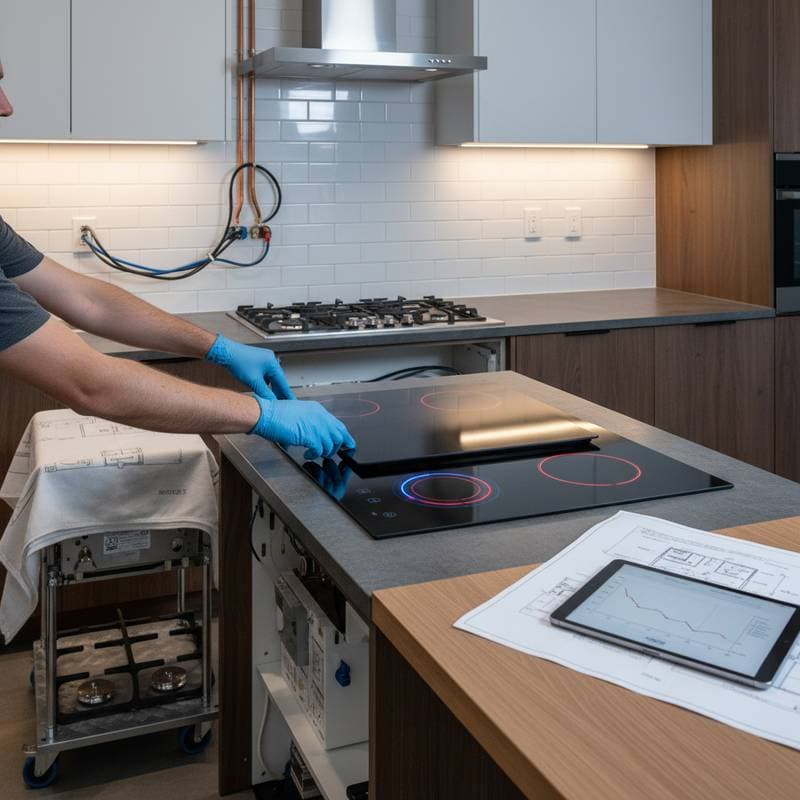
Once wiring is ready, installation takes a few hours and costs $150 to $300. Capping unused gas lines adds $75 to $150 and requires a plumber. Schedule both trades together to streamline the process.
Cost Breakdown by Budget Tier
Tailor your investment to needs and resources with these tiers.
-
Entry-Level ($1,000 to $1,800): Covers a standard cooktop, basic wiring, and reuse of existing pots. Ideal for straightforward replacements in updated homes.
-
Standard ($2,000 to $3,500): Encompasses premium appliances, full installation, and a new cookware set. Balances features with affordability.
-
High-End ($4,000+): Includes luxury models, extensive electrical work, and custom integrations like smart home connectivity.
Budget $150 to $400 for induction-compatible cookware if replacements are necessary. Prioritize durable sets with flat bottoms for optimal performance.
Essential Safety and Compliance Measures
Induction upgrades enhance safety, but proper execution is crucial.
-
Secure Electrical Work: Engage certified professionals to handle circuits and avoid overload risks.
-
Seal Gas Lines: Professionals must cap lines to eliminate leak hazards.
-
Obtain Permits: Local codes often mandate approvals for electrical changes; contact your building authority early.
-
Manage Surface Heat: Adjacent areas warm from cookware conduction, so allow cooling time before cleaning.
Built-in safeguards, such as auto-shutoff without detected cookware and rapid cooldown, reduce accident potential, benefiting households with vulnerable members.
What to Expect from Induction Performance
Chefs praise induction for rivaling gas in control while surpassing it in reliability. Boiling water takes half the time of gas methods, and adjustments respond without lag.
Heat spreads uniformly, eliminating uneven spots common in other systems. High-power settings may produce a subtle hum, but premium units minimize this. Adaptation occurs quickly, often leading to more enjoyable cooking routines.
Calculating Energy Savings and ROI
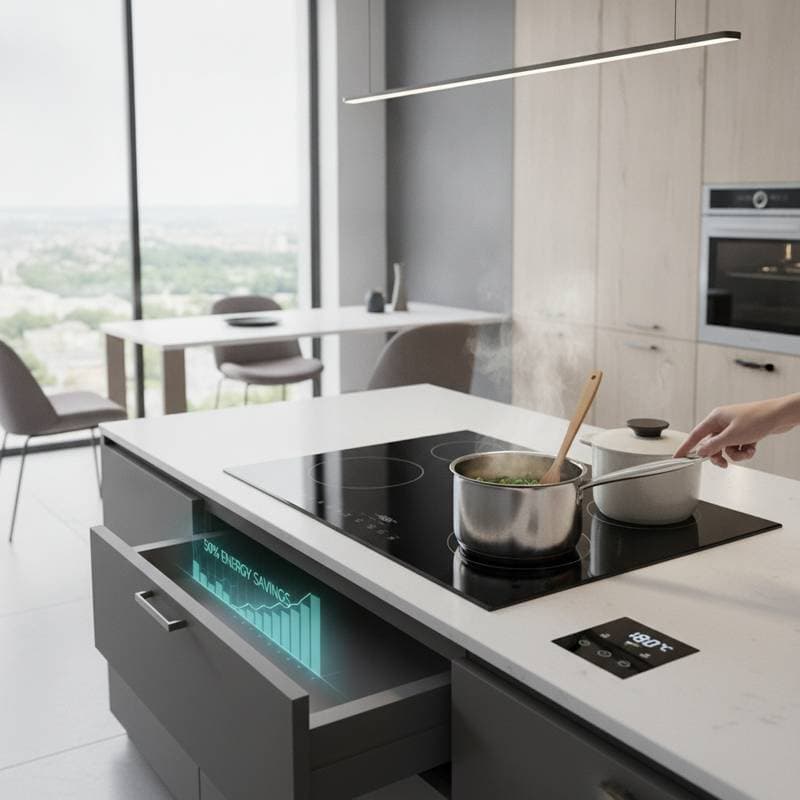
Initial costs exceed gas replacements, yet efficiency yields returns. Expect 10 to 20 percent reductions in cooking-related energy bills.
Rebates from utilities shorten payback to three to five years. Health gains from purer air and lower maintenance further justify the investment.
Broader Health and Environmental Advantages
Induction curbs household emissions, easing the burden on power grids shifting to renewables. Families notice improved breathing, particularly those affected by pollutants.
Kitchens stay cooler, cutting air conditioning demands. Overall, the upgrade fosters sustainable living with tangible daily improvements.
Execute Your Induction Upgrade Effectively
Begin with a home audit of wiring and appliances to set realistic expectations. Compare models based on daily use, then coordinate with experts for installation.
View this as a strategic enhancement that boosts efficiency and comfort. Your prepared kitchen will deliver reliable, modern cooking for years ahead.