Induction Cooktops: The End of Gas Kitchens in 2025
Homeowners often hear discussions about replacing gas stoves with induction models and question the urgency of such a switch. A recently installed gas range might seem reliable, yet evolving regulations and health priorities demand adaptation. This change extends beyond compliance; it addresses efficiency, safety, and the trajectory of residential energy systems.
Understand the drivers behind the decline of gas cooking and the advantages induction cooktops bring in terms of cleaner operation, enhanced responsiveness, and reduced environmental impact.
Drawbacks of Gas Stoves
Gas stoves provide immediate ignition and visible flame feedback, yet these benefits mask significant downsides. Natural gas combustion produces nitrogen dioxide, carbon monoxide, and particulate matter that accumulate indoors. Research indicates that pollution levels from gas cooking can rival urban outdoor air in confined spaces with limited ventilation.
Such emissions contribute to asthma exacerbations and diminished air quality. In response, numerous municipalities restrict new gas hookups in homes and apartments. These measures aim to safeguard public health rather than impose burdens on residents.
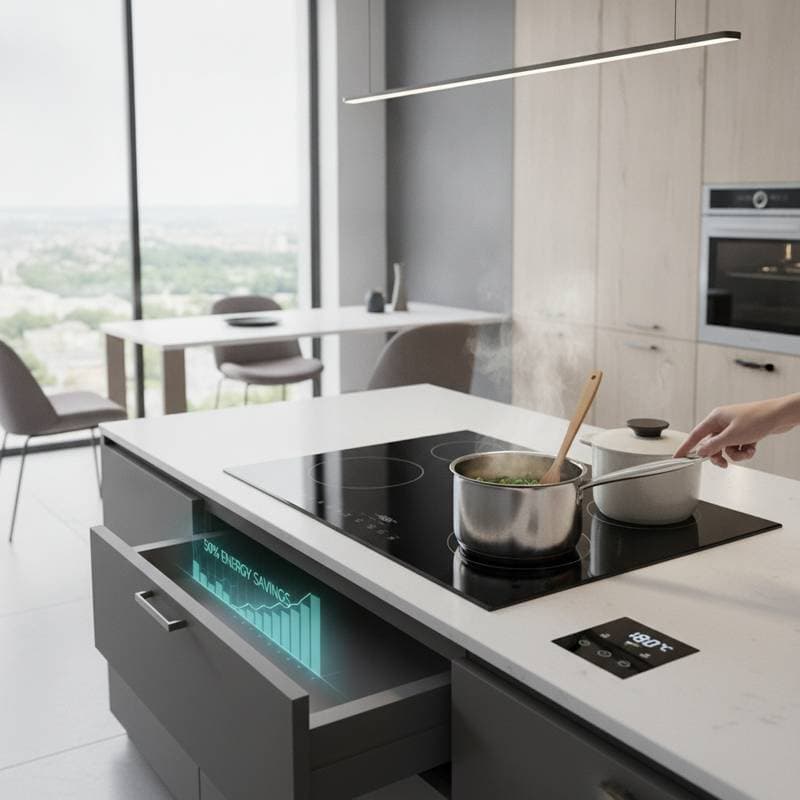
Efficiency represents another shortfall. Gas stoves utilize only 35 to 40 percent of input energy for cooking tasks, whereas induction systems achieve upwards of 84 percent. Consequently, households expend less power and maintain cooler ambient temperatures during meal preparation.
Mechanics of Induction Technology
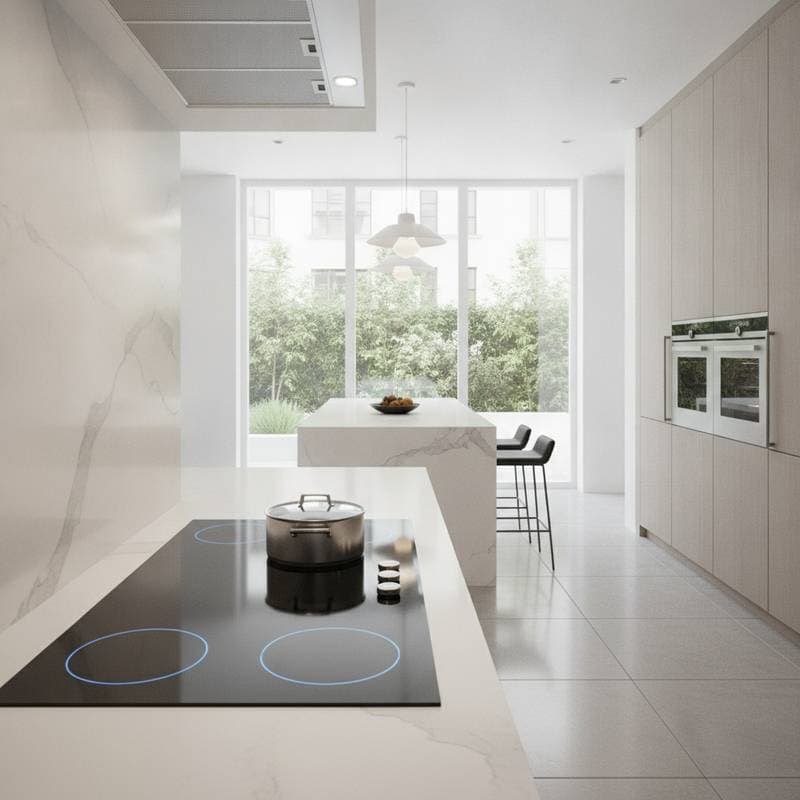
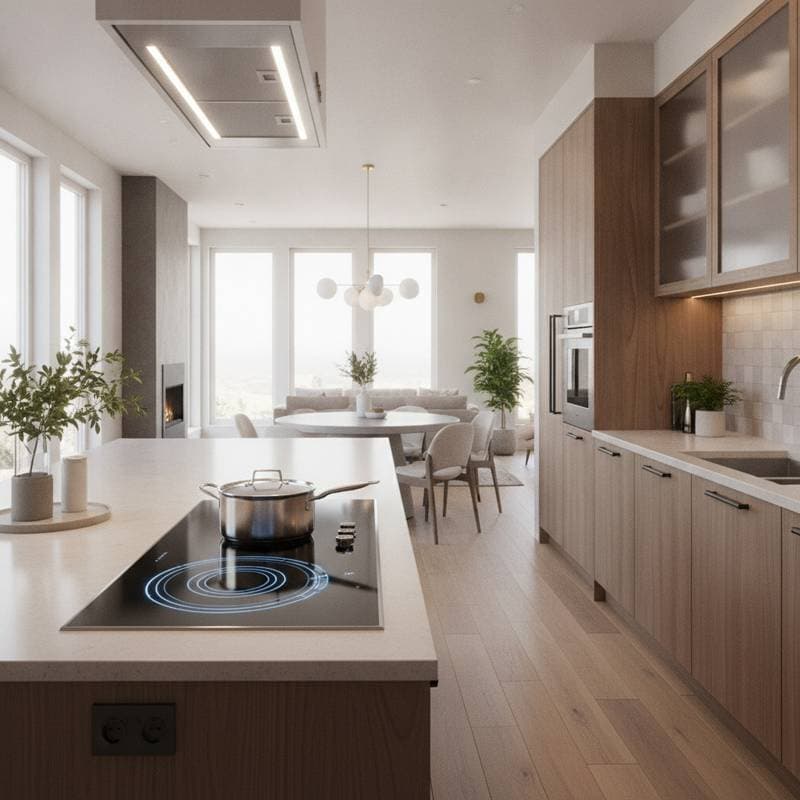
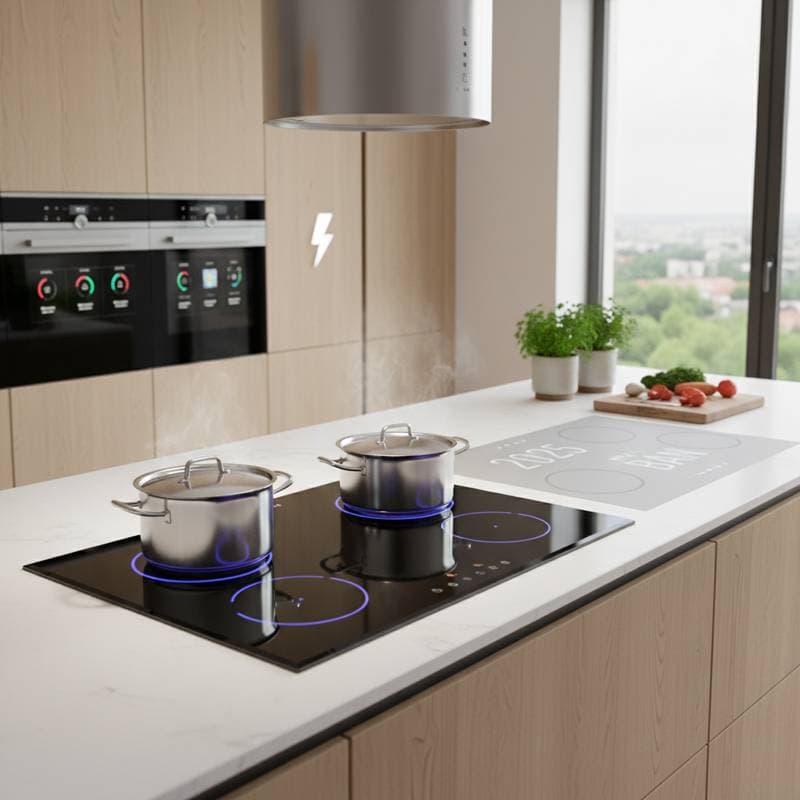
Induction cooktops employ electromagnetic induction to generate heat within compatible pots and pans, bypassing the need to warm the cooking surface itself. This method yields swift response times, exact temperature regulation, and minimal heat loss. The cooktop remains lukewarm outside the cookware footprint, minimizing burn risks and simplifying post-cooking maintenance.
Designs feature independent zones that prevent thermal crossover, allowing simultaneous preparation of diverse dishes. Advanced units support zone bridging for oversized vessels like roasters or griddles. Adjustments to power levels produce immediate effects, enabling seamless transitions from high-heat searing to gentle simmering.
Compatible cookware requires ferromagnetic properties, such as those in cast iron or certain stainless steels. Non-magnetic options like pure aluminum or glass demand induction-ready inserts. Test existing items by placing a magnet against the base; secure attachment confirms suitability.
Installation and Financial Aspects
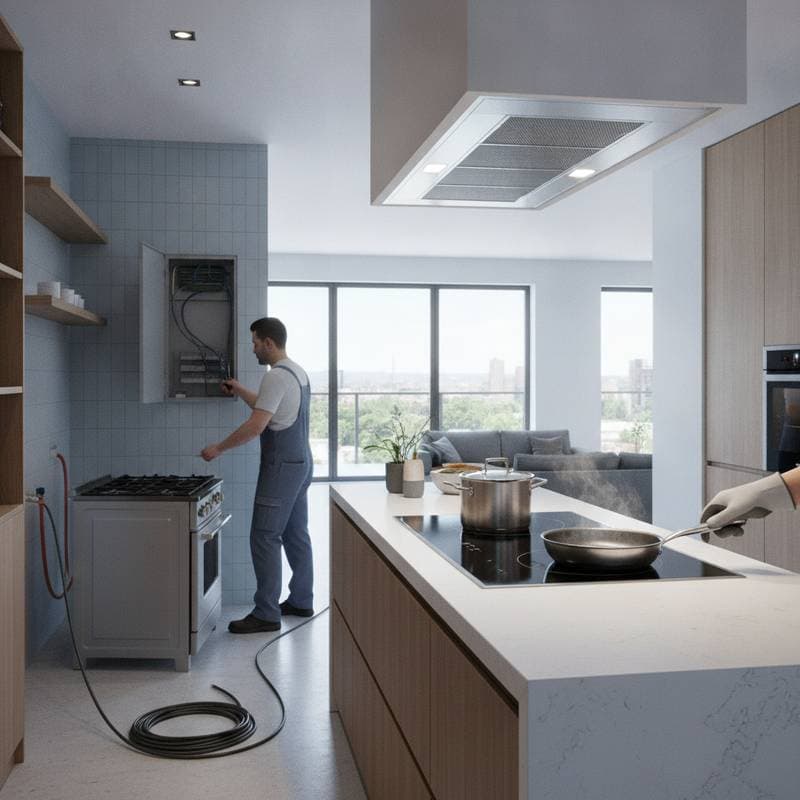
Upgrading to induction requires more than a simple appliance swap. Professional electricians often install a 240-volt circuit, with labor fees spanning 200 to 600 dollars based on existing infrastructure and service panel upgrades. Entry-level induction cooktops price at 800 to 1500 dollars, while premium versions with adaptive zones exceed 3000 dollars.
In vintage residences, evaluate electrical capacity to accommodate added demand. Integrate the switch into comprehensive renovations, such as adding electric heat pumps or enhancing insulation, for optimal results. Investigate regional rebates and national tax credits to alleviate expenses prior to purchase.
Advantages in Safety and Functionality
Induction eliminates combustion hazards like open flames and potential gas escapes. Cooktops stay safe to touch beyond active areas, preventing spill scorching. Integrated sensors trigger auto-shutoff upon pan removal or excessive temperatures, bolstering protection.
No byproducts mean drier air and fewer contaminants. Boiling water requires half the time compared to gas equivalents. Instantaneous power modulation ensures consistent results, and flat glass surfaces wipe clean effortlessly.
Steps to Adopt Induction Successfully
View the shift from gas as an upgrade to superior tools, yielding enduring gains. Experiment with a compact portable induction unit on signature dishes to build familiarity. Proceed to permanent installation once proficiency develops.
Account for wiring modifications and any necessary pan replacements in financial planning. During remodels, align electrician visits with overall timelines to prevent redundant efforts.
This evolution surpasses regulatory mandates; it modernizes culinary spaces. Households gain cleaner, quicker, and more secure cooking while aligning with widespread electrification trends.