Scullery Kitchens: The Revival of Hidden Prep Spaces
Kitchens reveal much about daily life, cooking habits, and social interactions. Open-plan designs prevail in current residential architecture, yet a subtle shift occurs in supporting areas. The scullery kitchen, historically found in large estates, gains fresh importance as a discreet yet capable extension of the home.
This resurgence stems from the need for organized, visually appealing environments that handle intensive tasks. Homeowners seek calm, curated main kitchens ideal for display, while the scullery manages the practical side. Such division enhances overall efficiency and aesthetic appeal.
The Role of the Scullery in Daily Home Life
In modern residences, the scullery serves as an unseen operational hub. Architect Sarah McAllister of McAllister Studio views it as the location for genuine food preparation. Clients often specify sculleries to store appliances, utensils, and ingredients out of sight, ensuring the primary kitchen stays immaculate for guests.
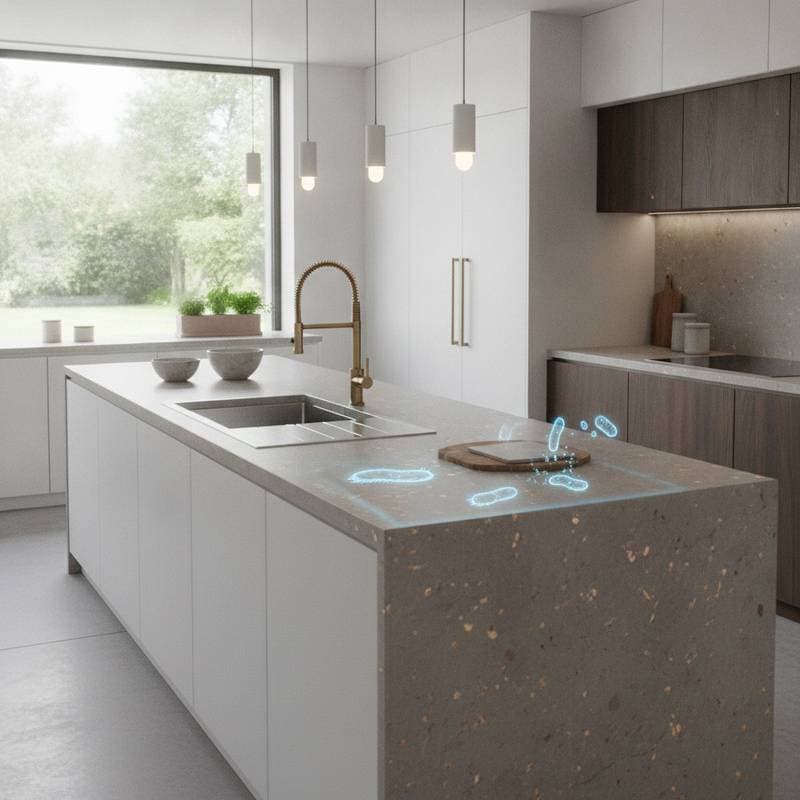
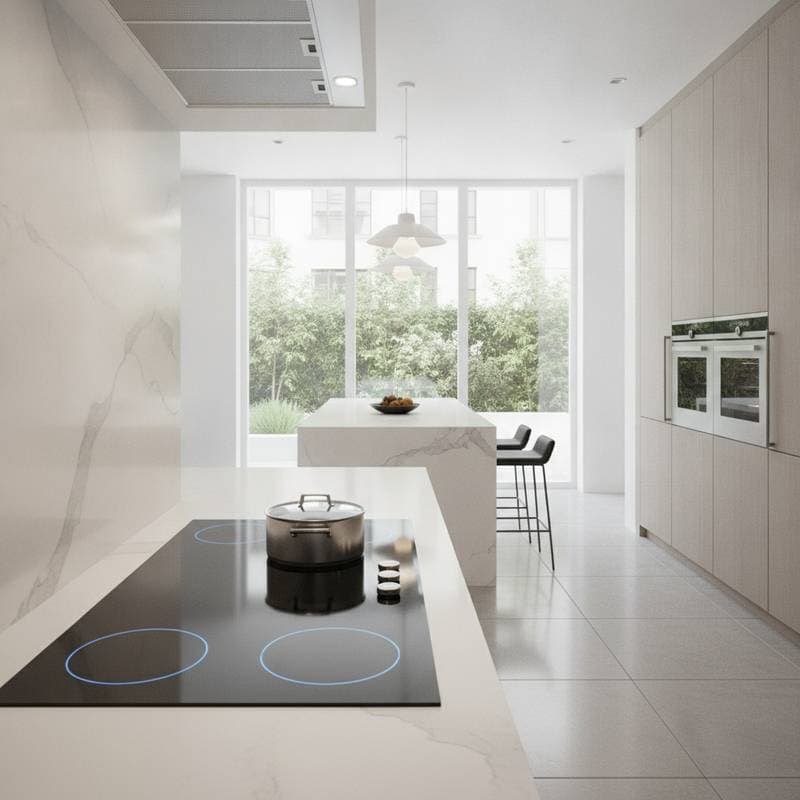
These areas typically feature built-in dishwashers, large sinks, and extensive countertops made from quartz or granite. Such elements support thorough cleaning and chopping without disrupting the household flow. The setup promotes productivity in a contained, purposeful manner.
Restoring Spatial Organization
Scullery designs reinstate defined zones within open layouts. Designer Luca Renaldi of Forma Atelier states that zoning introduces rhythm and seclusion. Positioned behind pocket doors or paneled entries, the scullery echoes the functional separation of traditional architecture.
This arrangement controls noise, illumination, and odors effectively. Install high-volume exhaust fans, hidden waste compartments, and extendable pantries to optimize the space. The result creates a streamlined workflow that aligns utility with design integrity.
Selecting Durable and Aesthetic Materials
Effective sculleries pair resilience with seamless style. Designers extend primary kitchen materials into the scullery, adjusting for practicality. For example, Studio Delphine applied Farrow & Ball’s Railings paint to cabinets with Waterworks brushed nickel fittings, switching countertops to composite stone from marble.
Incorporate open oak shelving for a welcoming feel and microcement flooring for durability under use. These choices blend textures and tones to affirm that workhorse spaces can embody sophistication. Test samples in the actual light to ensure harmony.
Optimizing Lighting for Functionality and Ambiance
The enclosed nature of sculleries encourages innovative lighting strategies. Designer Maya Linton of Linton Interiors recommends multiple layers, such as under-cabinet task lights paired with wall sconces for gentle diffusion. She describes the scullery as a sanctuary, avoiding harsh overhead fluorescents.
Maximize daylight through frosted panes or high clerestory windows to maintain privacy. Add reflective elements like glossy backsplashes or polished metal accents to amplify perceived roominess. Adjust fixtures to support both detailed work and relaxed moments.
Integrating Technology with Timeless Craftsmanship
Advanced features hide within refined surfaces for smooth operation. Include sous-vide units, instant hot-water faucets like Quooker Fusion, and integrated fridges that match cabinetry lines. These tools embed into custom woodwork without altering the visual flow.
Design storage with dovetailed spice racks and aerated produce bins for organization. This approach honors skilled joinery alongside innovation, allowing tech to enhance rather than dominate the environment. Consult specialists to ensure installations fit precisely.
Enhancing Entertaining Through Spatial Design
Preparation and hosting require balance between activity and poise. Sculleries streamline this by isolating tasks from social areas. Guests linger in the main kitchen for drinks and chats, while hosts manage plating and cleanup in seclusion.
Designer James Ortega of Ortega & Co. terms it a buffer for hospitality that eases tension. In expansive open plans, it fosters authentic interactions by shielding routine chores. The outcome delivers polished events with minimal disruption.
Adapting Sculleries for Smaller Spaces
Sculleries suit varied home sizes through innovative modifications. Create pocket versions or merge with pantries using sliding panels or transparent dividers for connectivity without exposure. These adaptations conceal disorder while allowing oversight.
Equip compact units with auxiliary sinks, compact fridges below counters, and tall cabinets for gadgets. Repurpose adjacent utility areas to gain square footage efficiently. Focus on vertical solutions to maximize utility in limited areas.
Infusing Color and Texture for Atmosphere
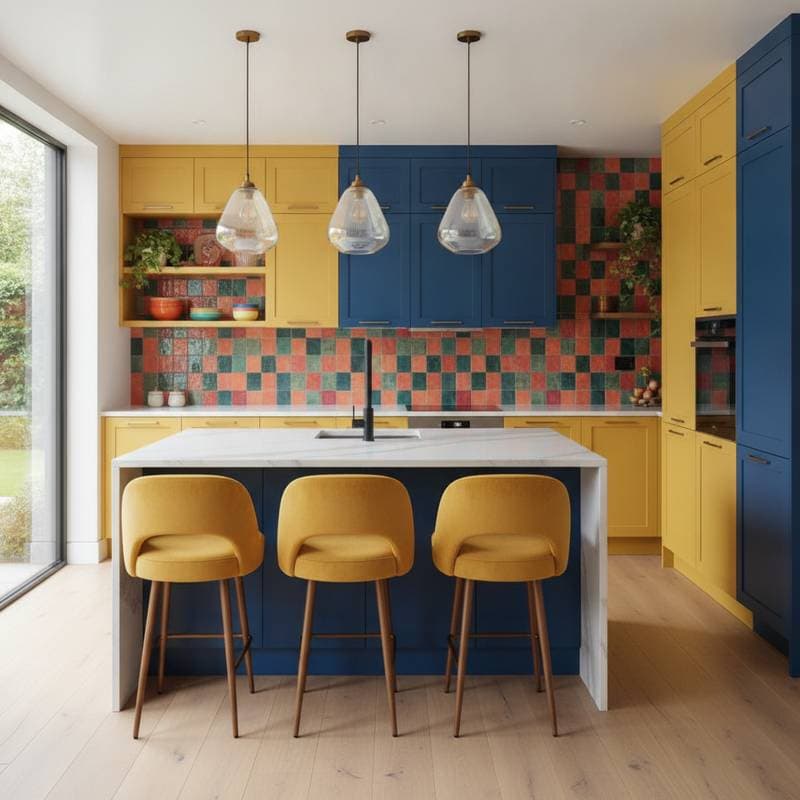
Sculleries permit experimental palettes beyond the main kitchen's restraint. Apply rich shades such as Benjamin Moore’s Kendall Charcoal or Little Greene’s Juniper Ash for enveloping depth. Pair with aged brass fixtures that develop character over time.
Introduce variety through ribbed glass doors, smooth soapstone surfaces, and patterned zellige tiles. These elements enrich the sensory profile, elevating routine tasks. Select combinations that complement adjacent rooms for cohesive appeal.
Incorporating Sustainability Practices
Contemporary sculleries advance eco-conscious habits. Fit composting units, low-energy devices, and bulk dispensers to minimize refuse and encourage deliberate use. These features support reduced environmental impact in everyday routines.
Architect Ella Fordham of Maison Atelier positions the scullery as a site for active sustainability. Opt for salvaged wood shelves, lime-based paints, and regional stone selections. Such decisions ground the design in responsibility and authenticity.
Embracing the Rituals of Home
The scullery underscores appreciation for domestic processes. It honors the grace in preparation, the skill in execution, and the calm in arrangement. Amid pervasive openness, it provides valued seclusion.
Details like burnished pots and neat textiles contribute to an ethos of attentiveness. The space affirms that sophistication emerges from purposeful choices rather than abundance.
Implementing a Scullery in Your Home
Adopt a scullery to align with personal routines rather than passing fashions. Plan pathways for easy movement, choose sturdy finishes, and assess cooking and hosting patterns. Position it via sliding panels or integrated walls to integrate naturally.
Begin renovations by mapping current kitchen uses. Repurpose storage or utility zones into hidden prep areas, ensuring zones remain accessible yet distinct. Tailor to needs, such as extra surfaces for baking or chilled storage for events.
Successful designs mirror individual lifestyles, from dedicated tool organization to streamlined serving setups. As residences adapt, sculleries exemplify enduring principles of balance, seclusion, and resilience.