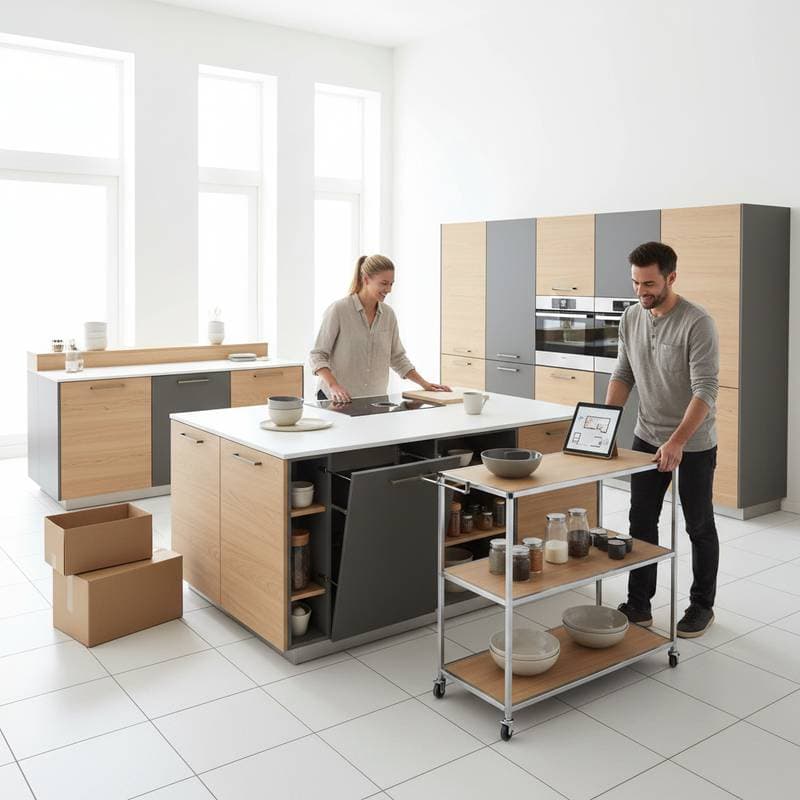
Rearrange Your Kitchen in One Afternoon with Modular Units
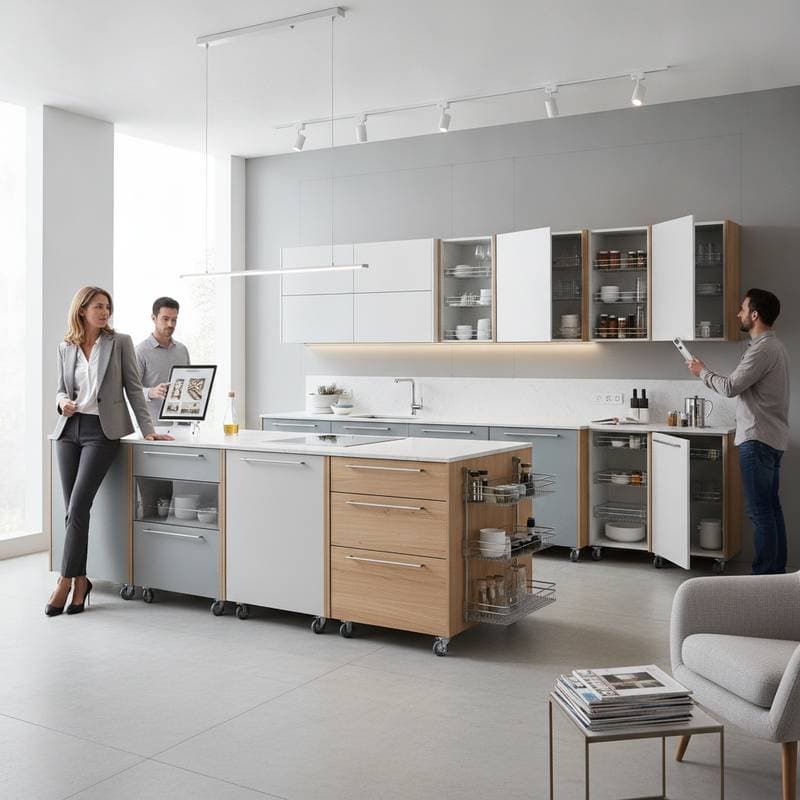
Transforming a kitchen requires thoughtful planning and efficient tools. Modular units offer a practical solution for homeowners seeking quick changes without extensive disruption. These systems function like building blocks, allowing reconfiguration of cabinets, storage, and countertops in a single afternoon.
Modular designs provide flexibility that traditional remodeling often lacks. Homeowners can adapt spaces to evolving needs, such as accommodating a growing family or shifting cooking preferences. This approach saves time and minimizes mess, delivering a refreshed kitchen with professional results.
Understanding Costs and Value
Modular kitchen systems vary in price based on materials and features. Basic options start at $5,000 for essential cabinets and countertops. Premium modular lines range from $13,000 to $25,000 or more, incorporating solid wood fronts, integrated lighting, or custom finishes.
In comparison, a full custom kitchen remodel typically begins around $25,000 and escalates quickly with labor and material costs. Modular systems allow phased updates, distributing expenses over time. This strategy reduces overall spending while maintaining high-quality outcomes.
Consider factors like unit size and appliance integration when budgeting. Many suppliers offer financing plans to ease the initial investment. Over time, the durability of modular components justifies the cost through reduced replacement needs.
Planning a Layout That Works for You
Effective planning forms the foundation of a successful rearrangement. Begin by measuring the room precisely, including wall lengths, window positions, and locations of outlets or plumbing. Sketch the current layout and identify pain points, such as a prep area distant from the stove or a dishwasher obstructing traffic flow.
Step-by-Step Planning Guide
- Identify kitchen zones. Divide the space into areas for cooking, cleaning, and storage. Position related tools and appliances nearby to streamline tasks.
- Select a layout shape. Modular units adapt easily to L-shaped, U-shaped, or galley designs, maximizing efficiency in various room sizes.
- Evaluate workflow. Ensure the work triangle—connecting sink, stove, and refrigerator—minimizes unnecessary steps. Simulate movement to refine cabinet placements.
- Incorporate adaptability. Reserve open wall sections or install adjustable shelving to accommodate future modifications.
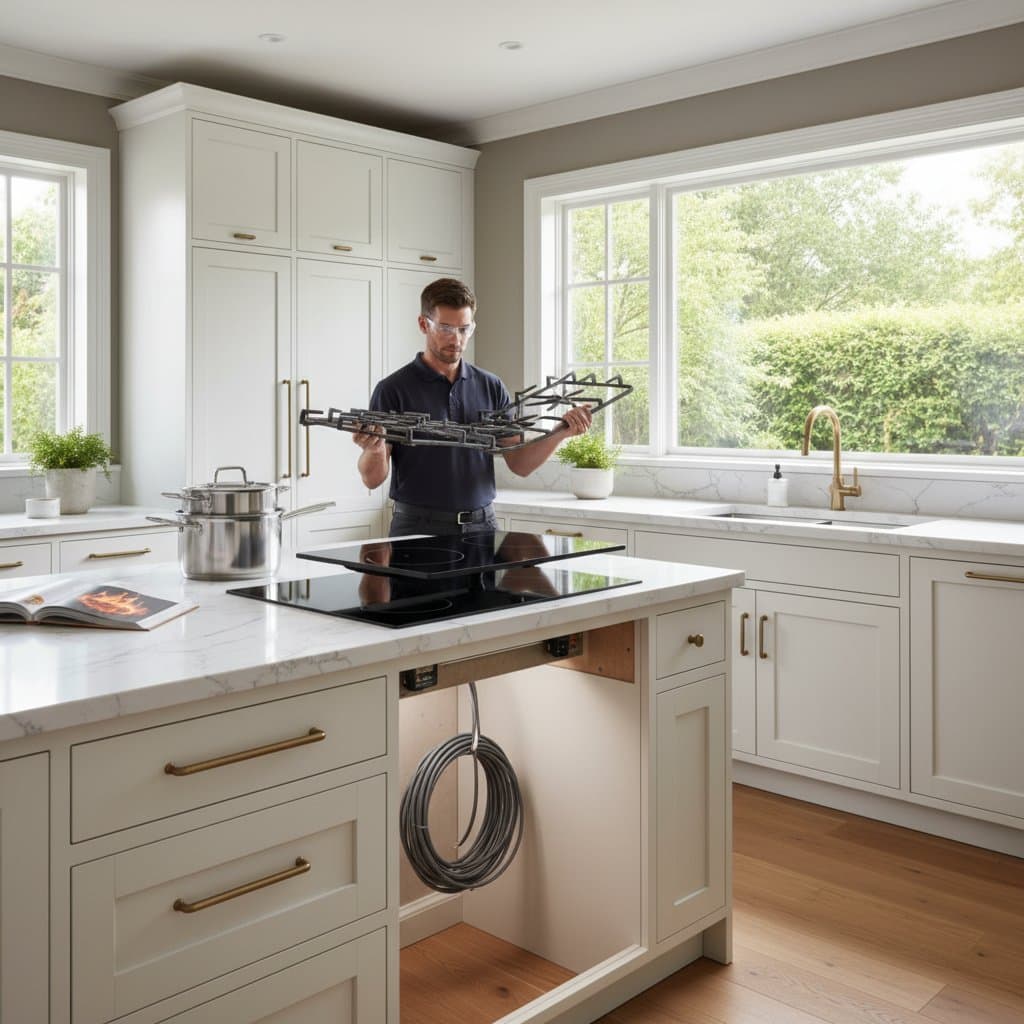
Professional assistance becomes essential for relocating plumbing or gas lines. Experienced individuals can handle minor adjustments to cabinets and outlets, but safety remains paramount.
Installation Tips and Safety Checks
Modular systems simplify installation, yet attention to detail prevents common issues. Proceed methodically to achieve a stable and functional setup.
- Anchor securely. Fasten base and wall cabinets to wall studs using appropriate hardware, avoiding reliance on drywall alone.
- Ensure level surfaces. Address uneven floors with adjustable legs or shims, eliminating gaps beneath countertops.
- Verify clearances. Allocate sufficient space for appliances to operate without interference from doors or drawers.
- Apply seals properly. Caulk joints between countertops and walls with silicone to block moisture entry.
- Review connections. Examine electrical wiring and plumbing for safety; consult professionals if components appear worn.
These measures not only enhance aesthetics but also promote long-term reliability. A well-installed modular kitchen withstands daily use while upholding building codes.
Maximizing Flexibility Over Time
The true strength of modular design lies in its adaptability. Begin with core elements and expand as circumstances change, such as adding a rolling island for additional preparation space or converting a cabinet into a pull-out pantry.
Manufacturers maintain uniform dimensions across product lines, ensuring compatibility for upgrades. Replace individual doors or drawers without overhauling the entire system. This approach extends the lifespan of the kitchen and minimizes environmental impact by avoiding full replacements.
Anticipate life changes when selecting units. Opt for versatile storage solutions that support both current routines and potential shifts, like increased entertaining or dietary adjustments.
Maintenance and Cost Efficiency
Modular cabinetry facilitates straightforward upkeep, focusing on targeted repairs rather than comprehensive overhauls. Swap out a single drawer front or hinge to address wear, keeping maintenance expenses minimal.
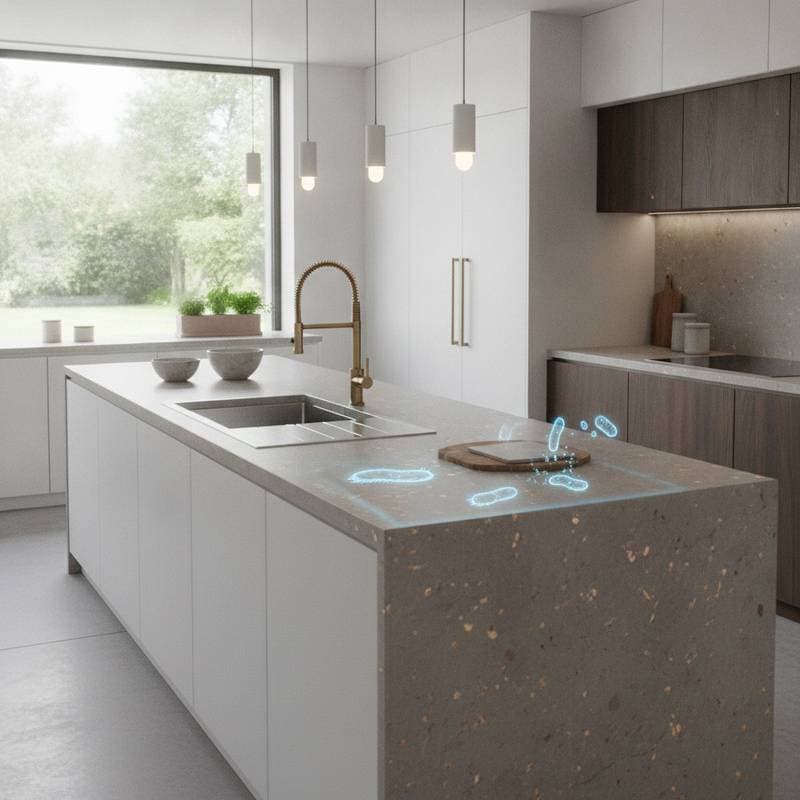
Surfaces typically feature laminates or coatings resistant to moisture and stains. Clean with mild soap and water, steering clear of abrasive cleaners that might compromise the finish.
Enhance functionality through affordable upgrades, including soft-close hinges or under-cabinet lighting. These additions elevate comfort and appearance while preserving the system's modular benefits.
Putting Your Plan into Action
Gather inspiration from design catalogs or online visuals to visualize possibilities. Develop a detailed floor plan and request material samples to assess colors under your home lighting. Verify that selected dimensions align with your space constraints.
On installation day, prioritize base units for stability, followed by wall-mounted components. Enlist help for heavier pieces to ensure safe handling. Step back periodically to confirm alignment and make adjustments as needed.
A modular kitchen rearrangement yields immediate improvements in usability and enjoyment. This investment supports daily life with efficiency and style, adapting seamlessly to future demands.