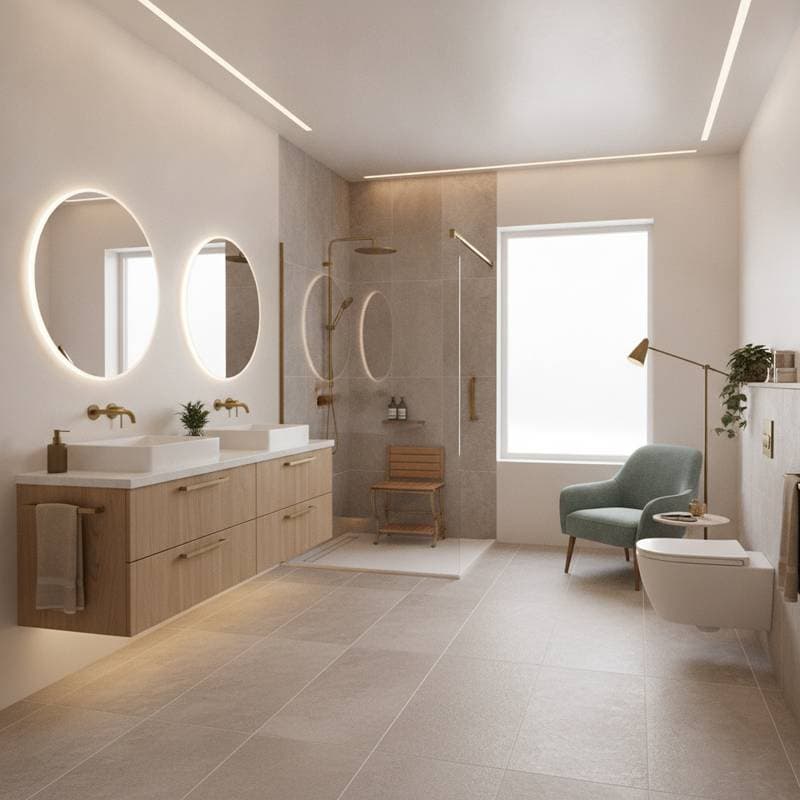
Elevate Safety and Style in Aging-in-Place Bathrooms
As a contractor who has remodeled hundreds of bathrooms, I can tell you that aging-in-place design is not about making a space look institutional. It is about creating a room that feels safe, comfortable, and attractive while quietly supporting independence. Too often, homeowners wait until an accident happens before planning accessibility upgrades. A well-designed bathroom can help prevent those emergencies and allow someone to stay in their home longer, with confidence and dignity.
Why Standard Bathrooms Fall Short
Traditional bathrooms are full of hidden hazards. Slippery floors, narrow doorways, and low toilets can turn a daily routine into a safety risk. A small loss of balance or a wet floor can cause injuries that require costly medical care and major home adjustments down the line. The goal is to prevent those situations before they happen.
Core Principles of Aging-in-Place Bathroom Design
A good accessible bathroom combines three things: safety, comfort, and aesthetics. Every detail should serve a purpose. The following principles guide every aging-in-place project.
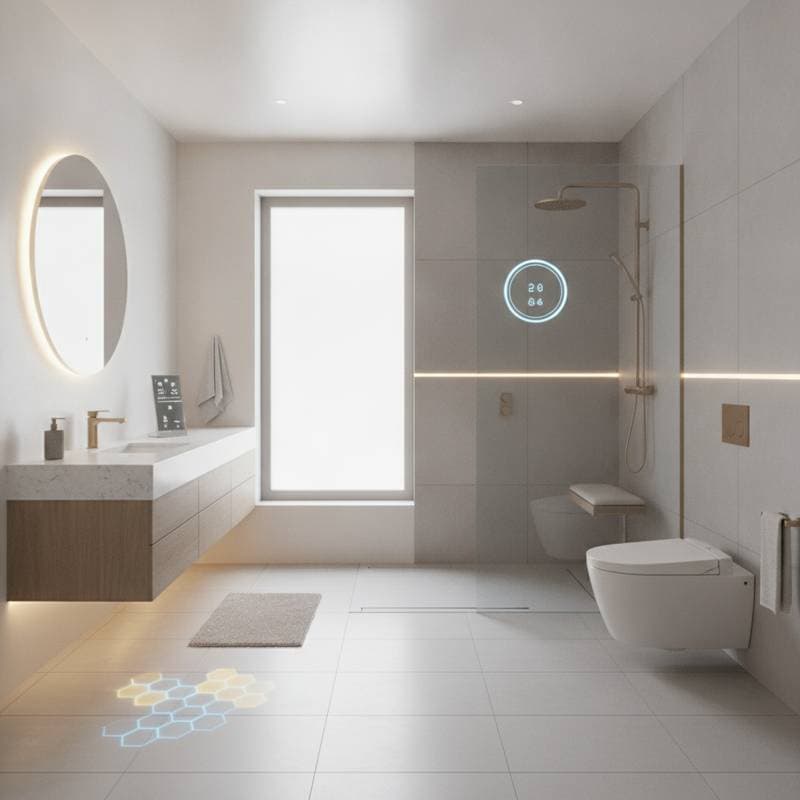
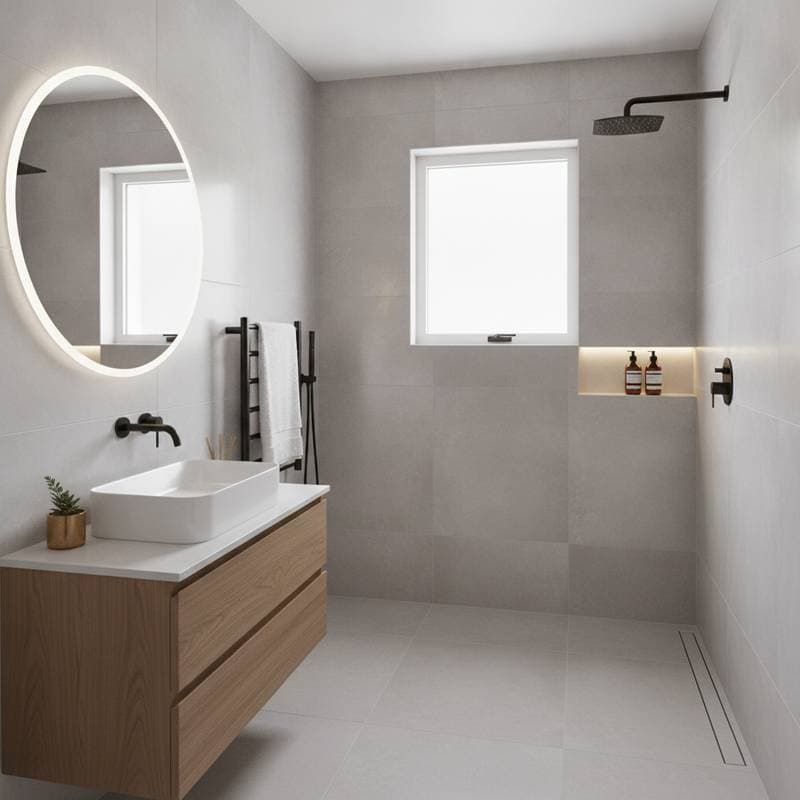
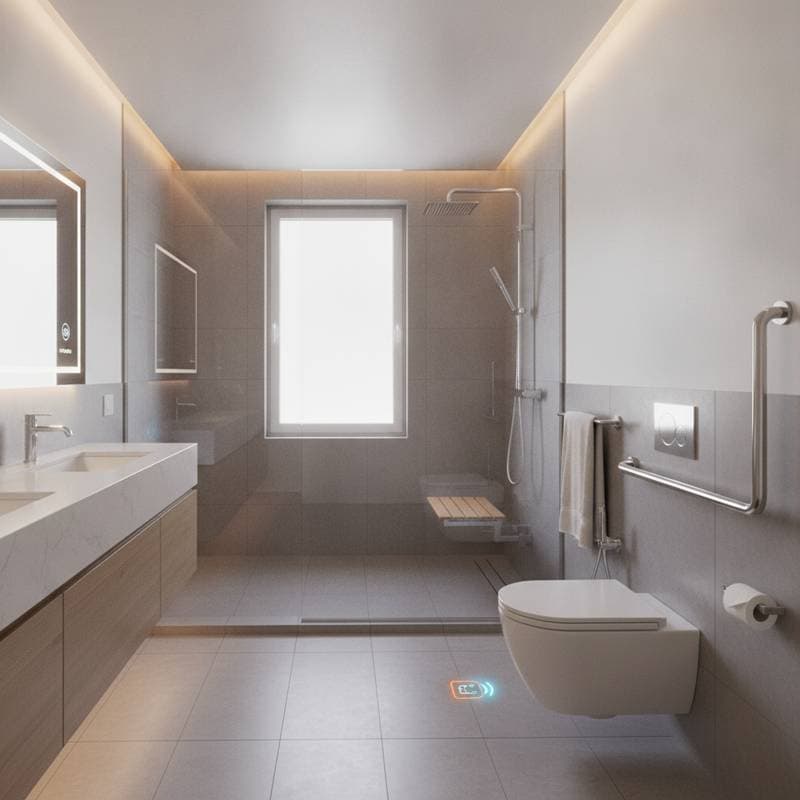
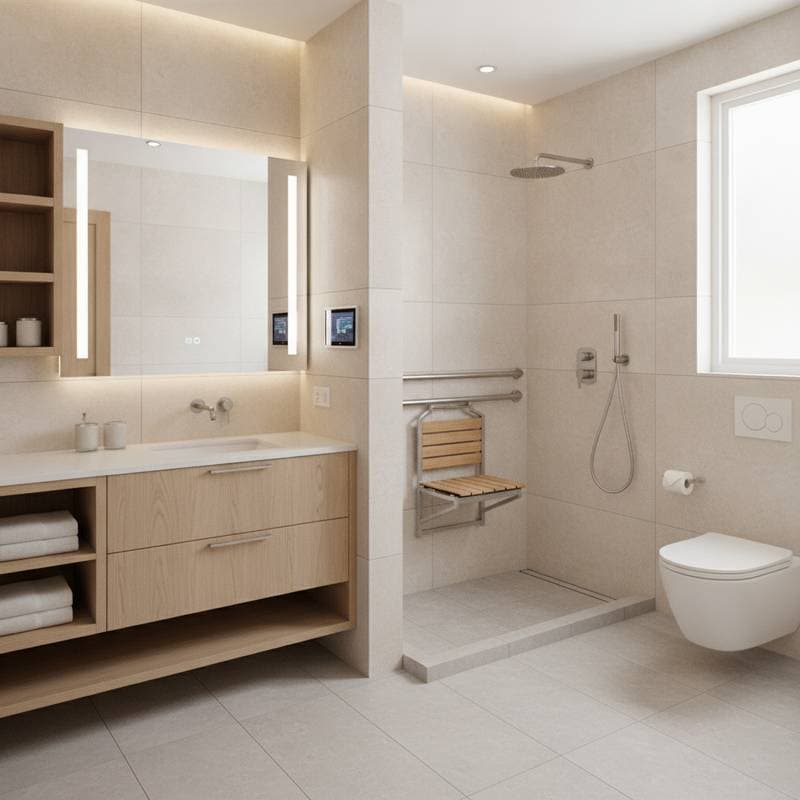
- Zero-barrier access. Eliminate thresholds wherever possible. Walk-in showers with no raised edge reduce tripping hazards and make it easier to enter with a walker or wheelchair.
- Non-slip surfaces. Choose tile or vinyl flooring rated for wet areas. Textured porcelain tile provides grip without feeling rough or industrial.
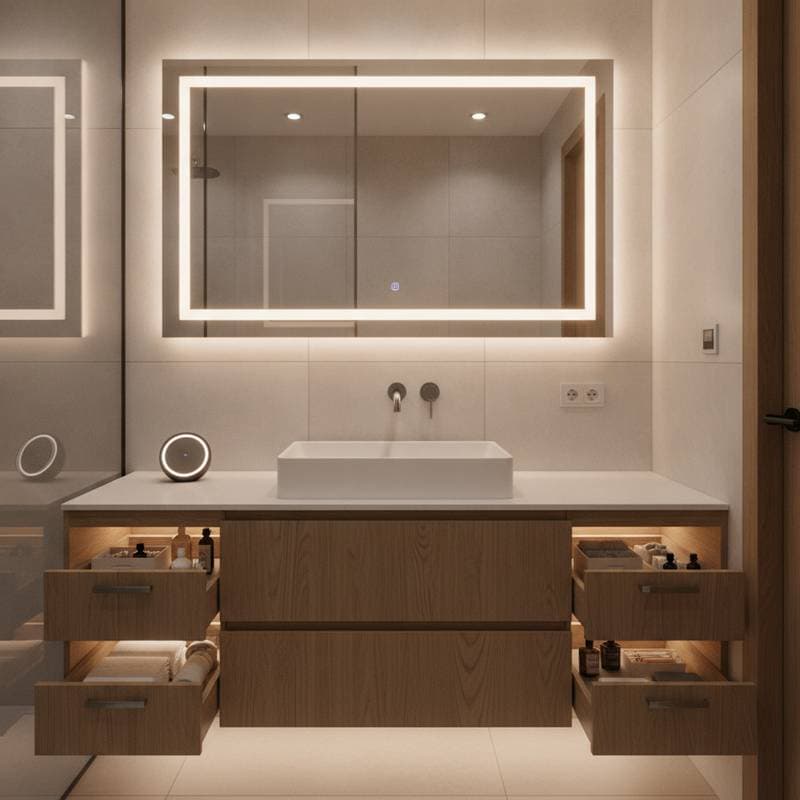
- Proper lighting. Shadows can be just as dangerous as slick floors. Layered lighting with ceiling fixtures, vanity lights, and night lights keeps the space safe at all hours.
- Ample space. Plan for at least five feet of turning radius in the main area and around the toilet if mobility aids might be used later.
- Comfort-height fixtures. Toilets and vanities raised a few inches above standard height improve usability.
Smart Fixture and Feature Choices
Every product you pick affects usability. Here is what I recommend to clients who want a space that is both safe and stylish.
- Showers over tubs. A low-entry shower is far safer than climbing into a bathtub. Add a built-in bench and a handheld showerhead for flexibility.
- Lever handles. Replace twist knobs with lever-style faucets and door handles. They are easier on arthritic hands and still look sleek.
- Grab bars that blend in. You can find grab bars that double as towel racks or shelves. They provide stability without making the bathroom look clinical.
- Adjustable showerheads. A sliding bar allows users of different heights or mobility levels to position the sprayer easily.
- Thermostatic valves. These keep water temperature consistent and prevent scalding accidents.
On one project, I installed a wall-mounted sink with open space underneath. The homeowner did not use a wheelchair yet but wanted to be prepared. Years later, that foresight saved her from a major renovation when mobility changed. The sink still looks modern and fits seamlessly into the design.
Material and Finish Considerations
Aging-in-place design does not mean compromising on beauty. The right materials can provide both safety and style.
- Flooring: Choose a matte finish tile or high-quality vinyl that resists slipping. Avoid glossy surfaces or small mosaic tiles with too many grout lines.
- Countertops: Rounded edges prevent injuries in tight spaces. Quartz and solid-surface materials are durable and easy to maintain.
- Cabinetry: Soft-close doors and drawers reduce strain on joints and minimize noise. Pull-out shelves make storage accessible without bending.
- Color contrast: Use contrasting shades between floors, walls, and fixtures to help with visual perception changes that come with age.
Clients who initially hesitated about adding contrast realized once installed that it made the space feel more defined and upscale.
Planning for Long-Term Flexibility
Aging-in-place design should adapt as needs change. Even if you do not require accessibility features today, planning for them now avoids future headaches. Here is how to think ahead.
- Reinforce walls. Install blocking behind shower walls and near toilets during construction. Grab bars can be added later without opening the walls again.
- Install wide doorways. A minimum of thirty-two inches wide allows wheelchair access if needed later.
- Use adjustable fixtures. Items like handheld showers, mirrors on tilt brackets, and removable shower seats can be modified as mobility changes.
- Plan for lighting upgrades. Wiring an extra junction box now makes it easier to add motion sensors or brighter fixtures later.
One client insisted on reinforcing walls throughout her bathroom even though she did not want grab bars yet. A few years later, she called to install them, and the job took half a day instead of a full remodel.
Budgeting and Contractor Coordination
Aging-in-place upgrades can fit a range of budgets, but cutting corners often leads to problems. Always prioritize safety-related improvements first. If funds are tight, plan the project in stages. Start with flooring and shower access, then move on to fixtures and finishes later.
When hiring a contractor, verify licensing, insurance, and experience with accessibility projects. Ask for references from clients who have had similar work done. A professional familiar with universal design knows how to combine safety features with modern aesthetics. Get everything in writing, including product specifications and warranty details.
Maintaining Your Investment
Once your bathroom is complete, keep it safe and functional with regular upkeep. Check caulking, grout, and seals every few months to prevent leaks. Clean grab bars and non-slip surfaces to maintain their grip. Replace any lightbulbs that start to dim and test GFCI outlets periodically for safety.
If mobility needs increase over time, revisit the space with your contractor. Minor updates, like adding a second grab bar or switching to motion-sensing lights, can extend the usefulness of your bathroom for many more years.
Achieve Long-Term Comfort and Independence
An aging-in-place bathroom does not have to look like a medical facility. With careful planning, you can have a space that feels elegant, comfortable, and future-ready. The smartest designs anticipate change without sacrificing style. Start the conversation with your contractor about universal design principles. The decisions you make today can keep your home both safe and beautiful for decades.