Japandi Fusion: Why It Defines 2026 Kitchen Trends
You may be looking around your kitchen and sensing that it is time for a change. The space might feel cluttered or lack warmth and balance. You seek something calm yet functional, stylish without excess. Japandi style, a fusion of Japanese and Scandinavian design, is quietly reshaping how homeowners create kitchens that feel both grounded and modern.
The Problem: Kitchens That Overwhelm Instead of Inspire
Many homeowners find their kitchens overdesigned or too crowded with details and gadgets. High gloss finishes, complicated cabinet layouts, and clashing materials can make the space feel chaotic instead of inviting. The challenge is to create a kitchen that supports daily life, encourages calm focus, and still feels beautiful.
The Solution: Japandi Balanced Simplicity
Japandi design combines the natural textures and simplicity of Scandinavian interiors with the refined craftsmanship and harmony of Japanese aesthetics. The result is a kitchen style that values calm, function, and authenticity. It fits perfectly with homeowners growing preference for spaces that promote well being while staying practical for everyday use.
Here is why this fusion is defining kitchen trends for the coming years.
1. The Look: Calm, Warm, and Purposeful
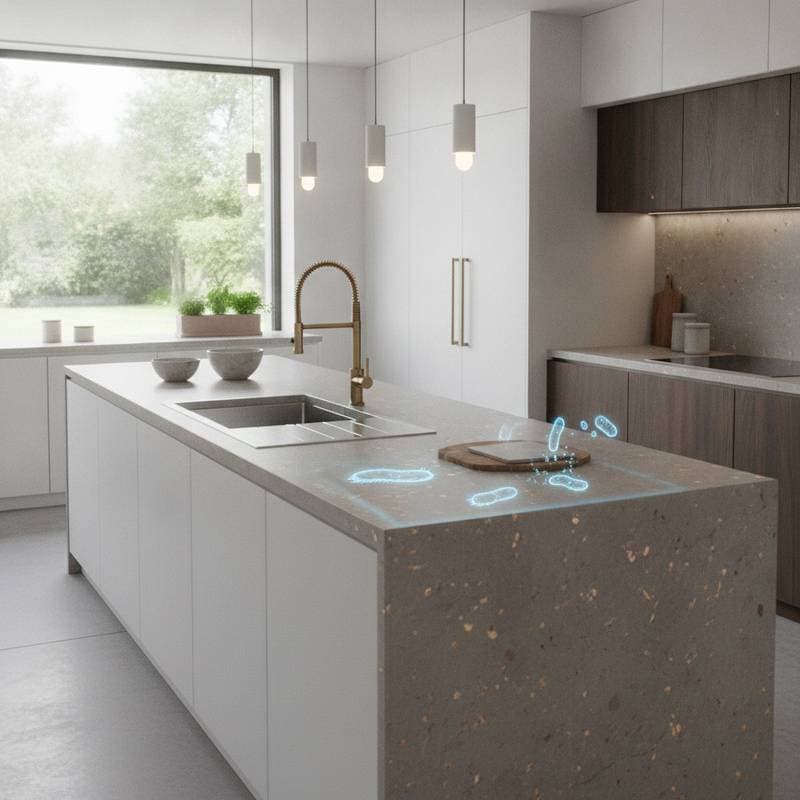
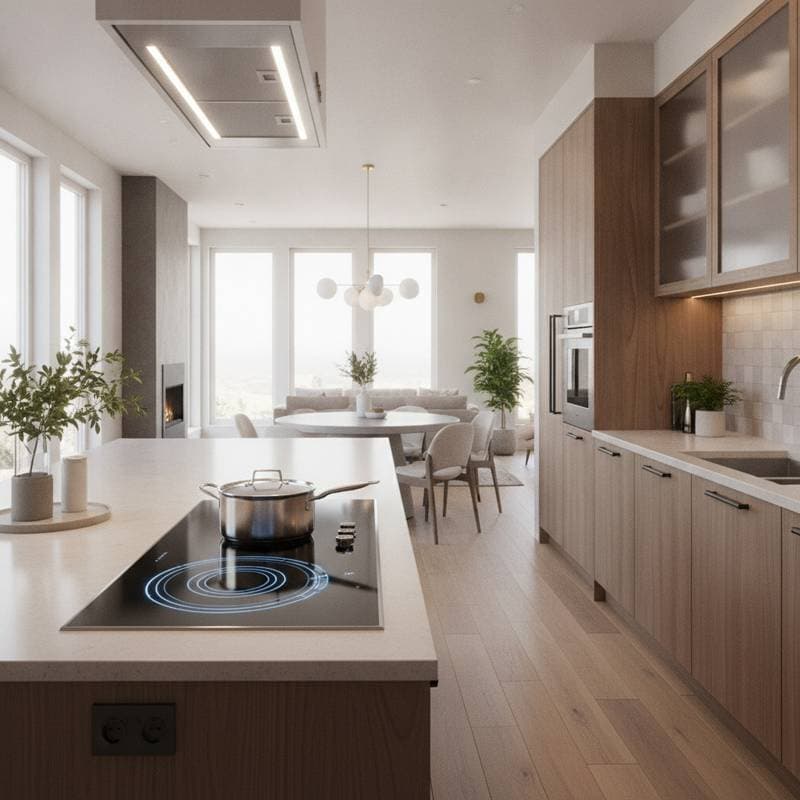
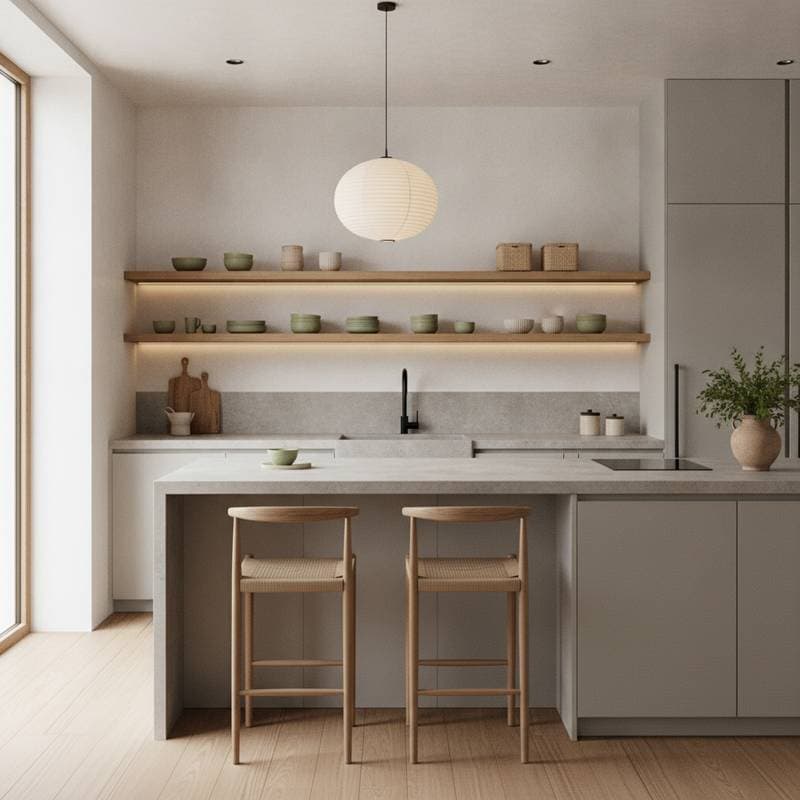
Japandi kitchens are all about balance. They use natural materials like oak, ash, and bamboo, combined with ceramic, stone, and matte metal finishes. Surfaces are smooth but not sterile, and colors lean toward earthy neutrals such as sand, clay, taupe, and soft gray.
Cabinetry tends to be flat front with visible wood grain, paired with open shelving that highlights carefully chosen dishware or handmade pottery. Lighting is soft and diffused, often using warm toned LED fixtures recessed under cabinets or pendant lights with simple linen shades.
The overall atmosphere is quiet but not cold. It feels curated, but still livable.
2. The Function: Designed for Real Cooking
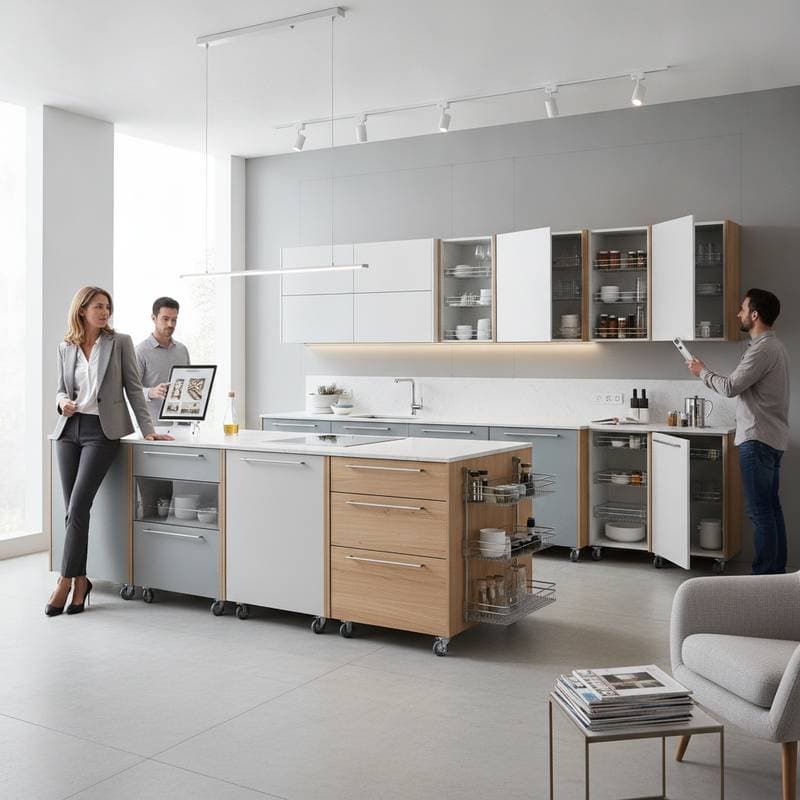
While the aesthetic is minimal, Japandi kitchens are built for use. Storage is efficient and concealed, keeping counters free of clutter. Drawers often feature built in organizers for utensils and cookware. Vertical pantries and deep drawers replace upper cabinets to maintain open sightlines.
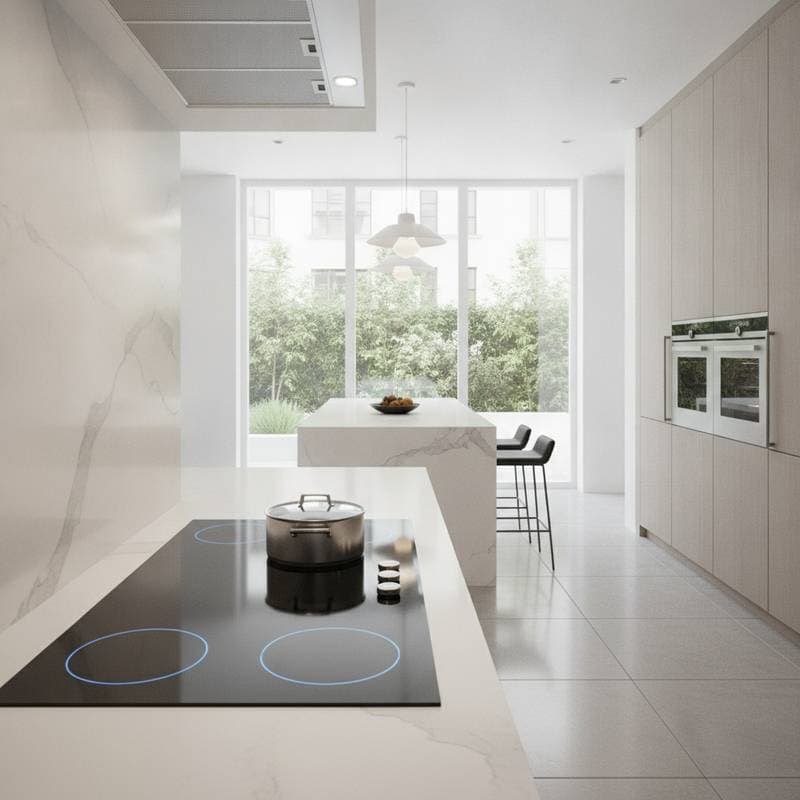
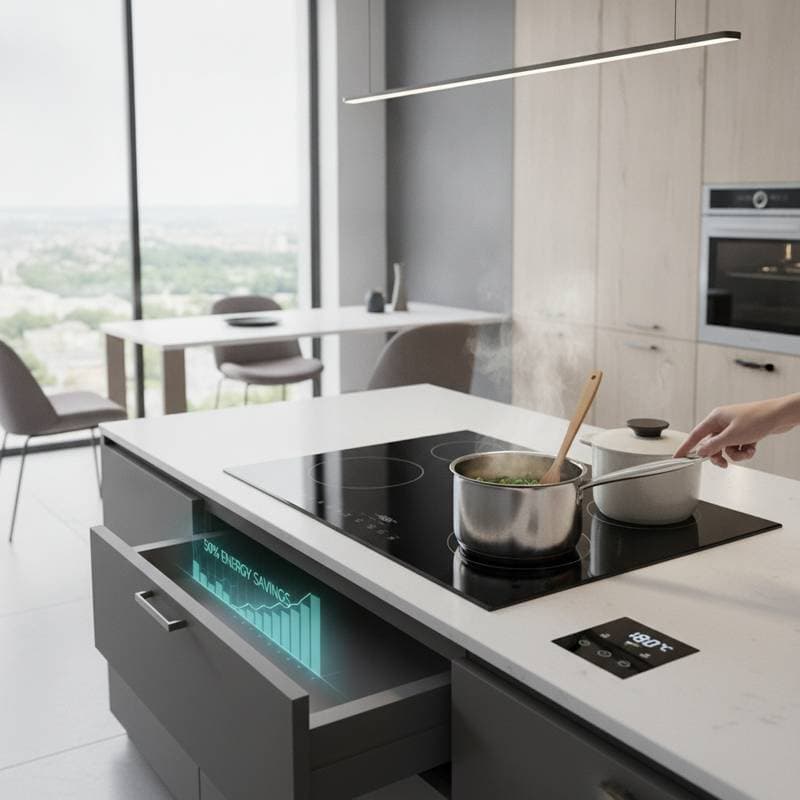
Homeowners adopting this style often integrate appliances that blend into the cabinetry. An induction cooktop, for example, sits flush with the counter, and a panel front refrigerator keeps the visual rhythm uninterrupted.
Pro Tip: If you are planning a remodel, prioritize efficient work zones over decorative elements. Japandi design rewards thoughtful planning more than impulse upgrades.
3. The Cost: From Smart DIY to Premium Custom
The cost of achieving a Japandi kitchen depends on your approach.
- DIY or Budget Refresh: Painting existing cabinets in neutral tones and replacing hardware with brushed brass or black handles can cost between $800 and $2000.
- Mid Range Remodel: Updating cabinetry, countertops, and lighting with Japandi materials like oak veneer and quartz surfaces typically falls between $15000 and $35000.
- Premium Custom Build: Fully custom woodwork, integrated appliances, and handcrafted furniture pieces may reach $50000 to $100000 depending on materials and layout.
While these costs vary by region, the investment often pays off through enhanced daily comfort and strong resale appeal.
4. The Feel: Serenity Meets Social Connection
A good kitchen should make you want to spend time there. Japandi design achieves that by blending Scandinavian comfort with Japanese appreciation of imperfection. Together, they create an atmosphere that feels intentional but never rigid.
A Japandi kitchen often includes a long communal island or wood breakfast bar that encourages conversation. Textiles such as cotton runners or linen curtains add softness without clutter. Indoor plants, like small potted herbs or a bonsai, bring nature inside and tie the palette together.
5. The Practical Side: Maintenance, Safety, and Longevity
Beyond appearance, Japandi kitchens are built to last. Surfaces are durable and easy to clean. Natural wood requires routine oiling to maintain its finish, while quartz or ceramic countertops resist stains and scratches.
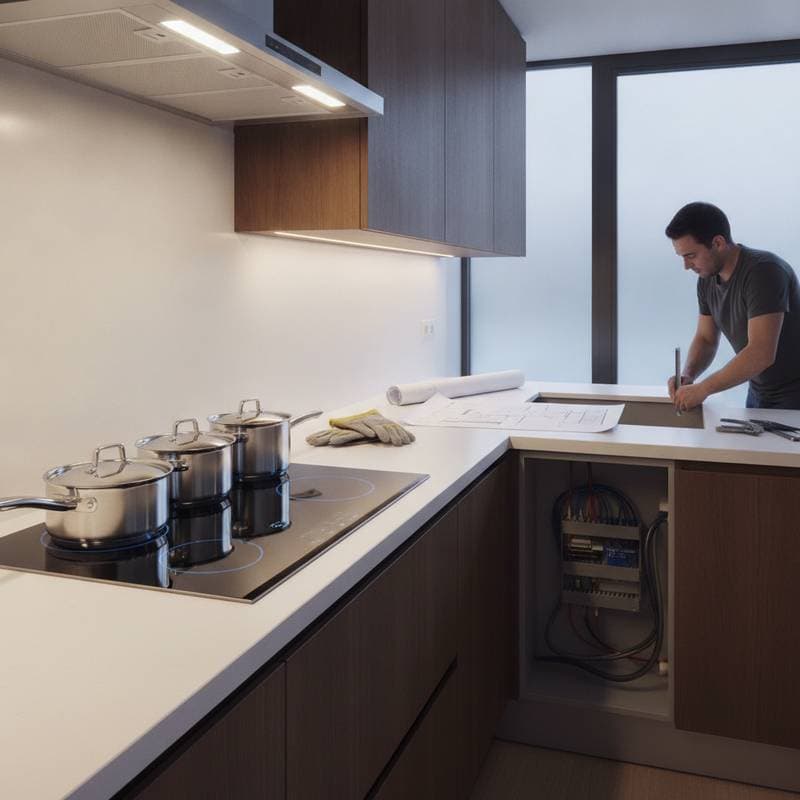
When it comes to safety, proper ventilation is critical. Since most Japandi designs favor concealed range hoods, ensure the system meets local building codes and provides sufficient airflow. Always consult a licensed electrician or plumber when relocating appliances or lighting.
Maintenance is simple if you stick to a regular routine:
- Wipe wood surfaces with a damp cloth and mild soap.
- Avoid harsh chemicals that can damage finishes.
- Reapply oil to wood counters every few months.
- Clean grout and tile joints with a soft brush to prevent buildup.
6. The Payoff: Sustainable and Future Proof
Japandi appeal goes beyond style. It supports sustainability through natural materials, efficient layouts, and timeless design choices that do not date quickly. Because it avoids trend dependent colors or flashy hardware, it stays relevant longer than most kitchen styles.
Energy efficient appliances and LED lighting fit seamlessly into the design, reducing long term operating costs. The minimalist approach also discourages unnecessary consumption, encouraging homeowners to buy less but better.
Implementing Japandi Elements
If you are ready to move toward a Japandi inspired kitchen, start small. Replace a few overstated elements with simpler, natural ones. Add soft lighting and open storage for everyday items. Over time, consider larger upgrades like integrated appliances or new cabinetry that reflect this balanced aesthetic.
The key is to think of your kitchen as a living environment, not a showroom. Japandi design invites you to slow down, cook thoughtfully, and enjoy a space that feels calm every day.