Induction Cooktops: Leading the Shift to Gas-Free Kitchens by 2026
The kitchen serves as the core of home life, where design meets daily routines. Induction cooktops emerge as a key innovation in this space, offering efficiency and elegance without gas flames. These appliances heat cookware directly through electromagnetic fields, providing rapid response and minimal energy loss. By 2026, building codes and consumer preferences will accelerate their adoption, making gas-free kitchens commonplace.
Understanding Induction Technology
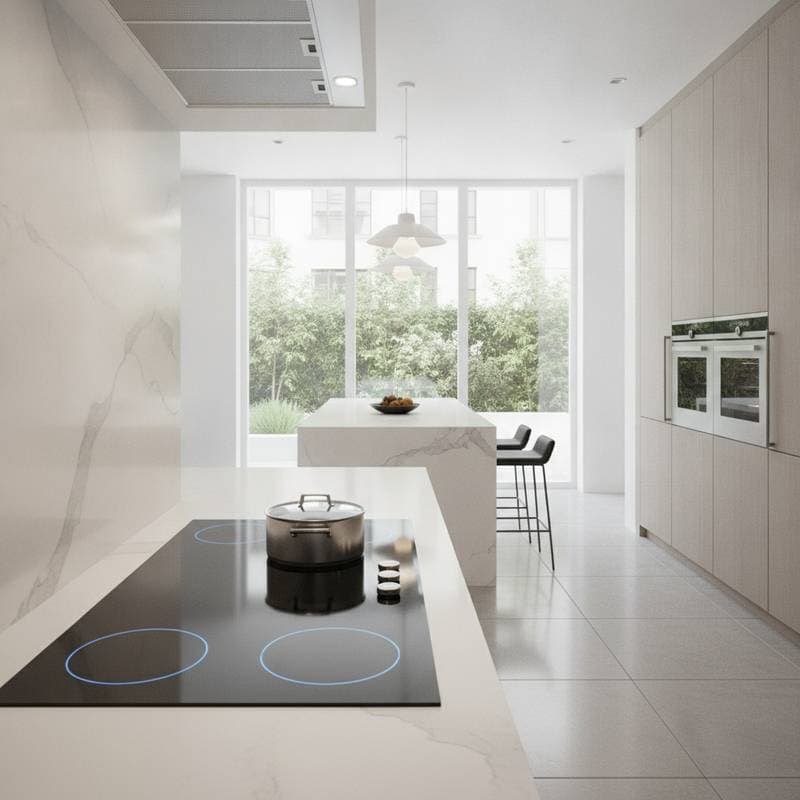
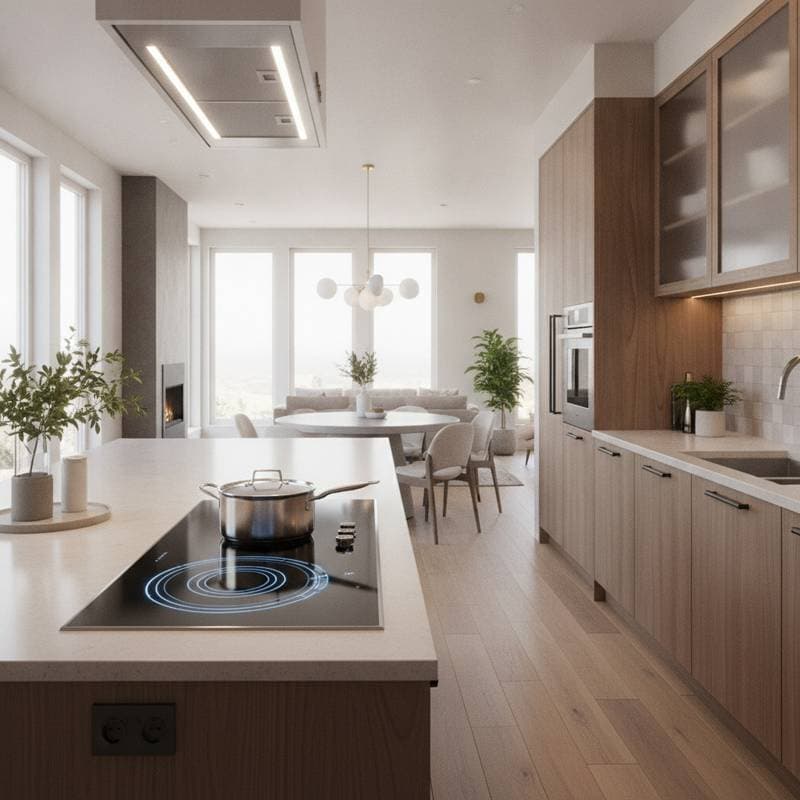
Induction cooking uses magnetic energy to generate heat in compatible pots and pans. The cooktop surface stays cool, which enhances safety and simplifies cleaning. Models like the Miele KM 7897 FL integrate flush into countertops, maintaining a clean line across materials such as marble or quartzite. This approach allows for uninterrupted visual flow in kitchen layouts.
Enhancing Kitchen Aesthetics
Traditional gas ranges introduce visible hardware that can disrupt design harmony. Induction units, however, create a minimalist surface that highlights surrounding materials. Interior designers pair them with oak cabinetry or matte finishes to emphasize texture over equipment. This shift promotes a serene environment focused on form and function.
Prioritizing Safety and Air Quality
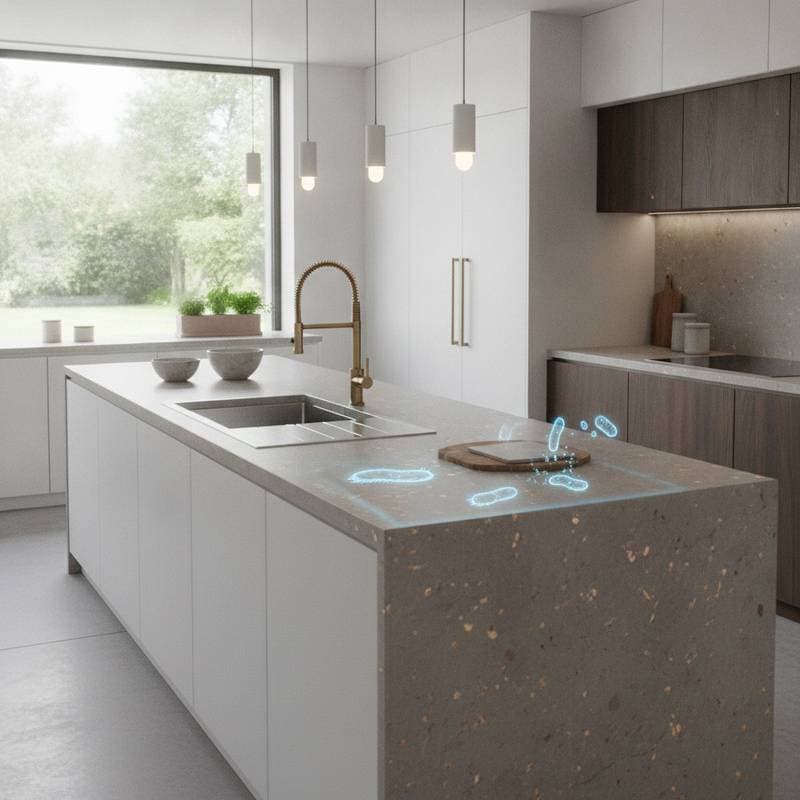
Induction cooktops reduce risks by keeping surfaces at low temperatures away from active zones. They eliminate gas emissions, improving indoor air in apartments and open spaces. Architects specify these systems in new builds to support all-electric standards. The result combines security with contemporary style.
Achieving Precise Cooking Control
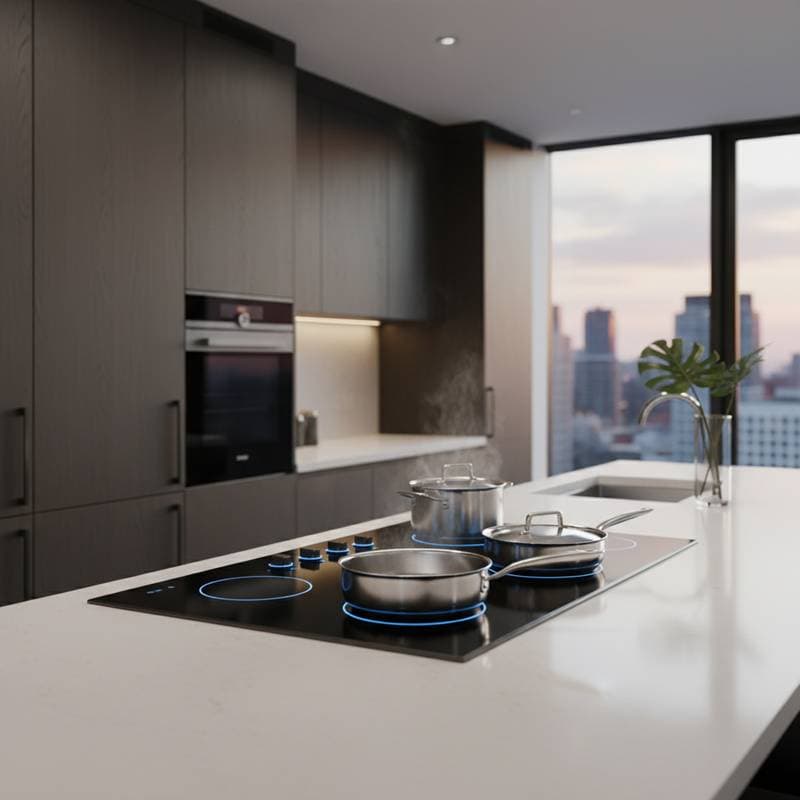
Professional chefs value induction for its immediate temperature adjustments. Tasks like simmering sauces or melting chocolate benefit from this responsiveness. Pair induction with high-quality cookware, such as Demeyere Atlantis Proline series, to optimize performance. This setup fosters a thoughtful cooking process.
Adapting Kitchen Layouts for Induction
Switching to induction requires updates beyond the appliance itself. Smaller ventilation needs allow for sleeker designs without large hoods. Options like Bora downdraft systems integrate discreetly, freeing space for expanded islands or better lighting. These changes lighten the overall kitchen composition.
Selecting Complementary Materials
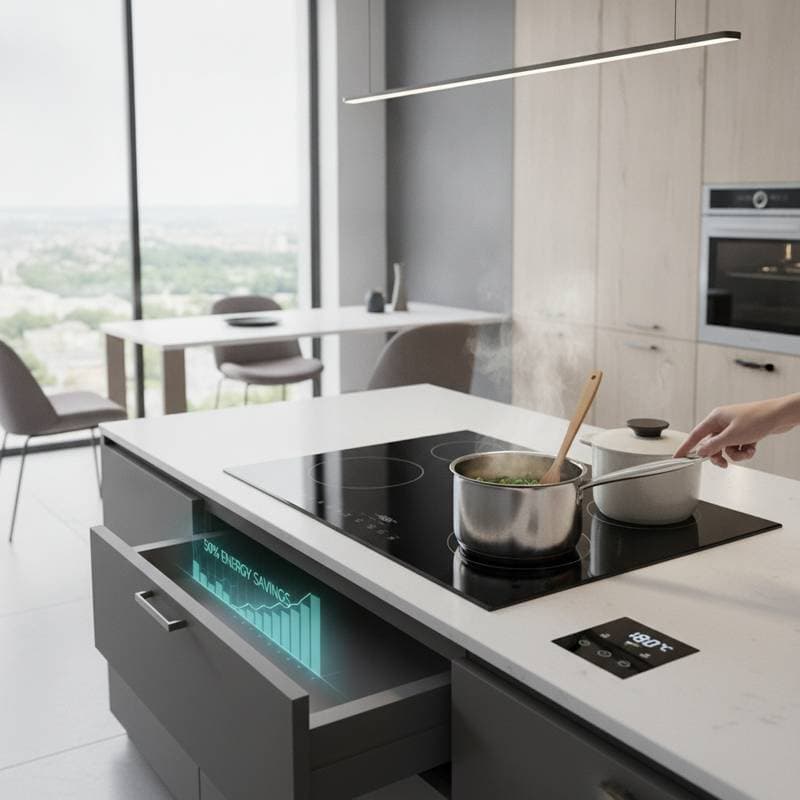
Induction surfaces complement finishes like fluted wood, reeded glass, or satin metals. Countertops in Caesarstone or Dekton materials reflect light and add depth. The technology supports sustainability by cutting pollutants and energy use. Designers select these pairings for lasting, eco-friendly appeal.
Insights from Design Professionals
Architects and chefs endorse induction for its integration into high-end setups. Brands like Bulthaup embed controls into seamless panels. Thomas Keller praises the cleanliness and command it provides. Such features position induction as an advancement in residential design.
Navigating the Emotional Transition
Gas flames evoke a sense of tradition through their visible energy. Induction reframes cooking as a precise, intentional act. The subtle operation aligns with modern interiors that value simplicity. Homeowners adapt by appreciating the clarity it brings to routines.
Retrofitting Existing Kitchens
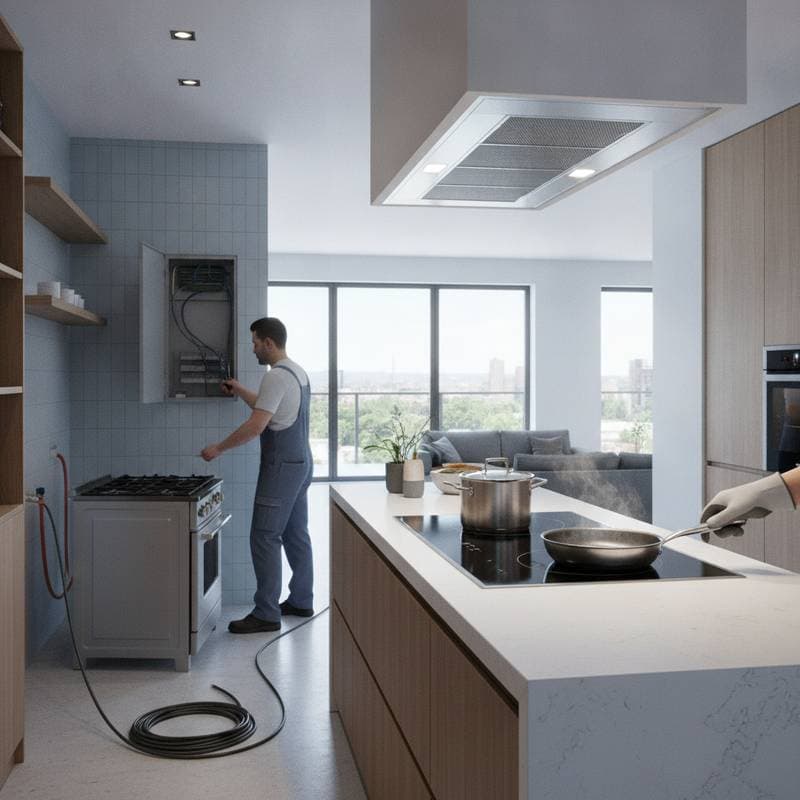
For current homes, start with portable induction units from Breville or Duxtop. Ensure cookware has magnetic bases for compatibility. Use renovations to install heat-resistant counters like porcelain slabs. This method creates unified spaces without full overhauls.
Envisioning All-Electric Kitchens Ahead
Municipal regulations will drive induction adoption through all-electric mandates. Advanced models like the Gaggenau CX 492 auto-detect pans for flexible use. Frameless designs in tinted glass match diverse interiors. These developments make cooking feel integrated and effortless.
Realizing Benefits in Daily Use
Induction delivers cool surfaces, easy maintenance, and pure air quality. Kitchens gain focus on materials and usability over mechanics. Homeowners experience sustained warmth through efficient technology. This evolution supports healthier, more beautiful living spaces.