2025 Gas Ban: Induction Cooktops Reshape Kitchens
The quiet operation of an induction cooktop defines the modern kitchen. Regions increasingly prohibit natural gas in new residential construction, prompting designers and homeowners to rethink cooking spaces. This change extends beyond energy policy to transform the home's core with streamlined designs, reduced heat, and advanced features.
The Shift Away from Open Flames
Open flames have long represented cooking tradition, yet induction technology surpasses them in control and safety. Electromagnetic fields heat pots and pans directly, enabling rapid adjustments without residual heat. Designer Erin McAllister of Studio Em describes this as a liberation of form, eliminating the need for extensive ventilation or intrusive gas lines that disrupt cabinet layouts.
Seamless Integration with Countertops
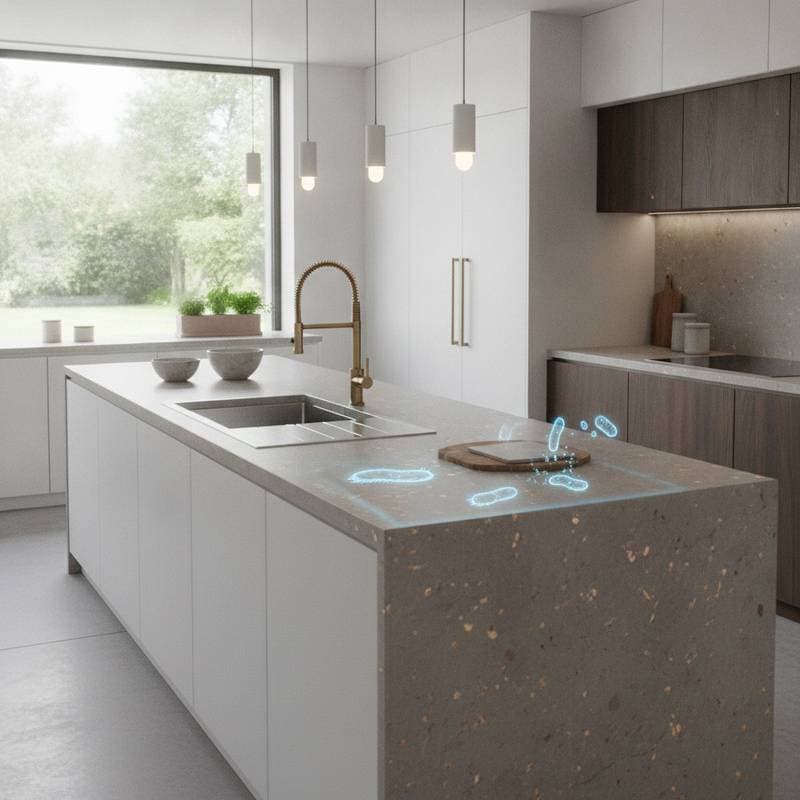
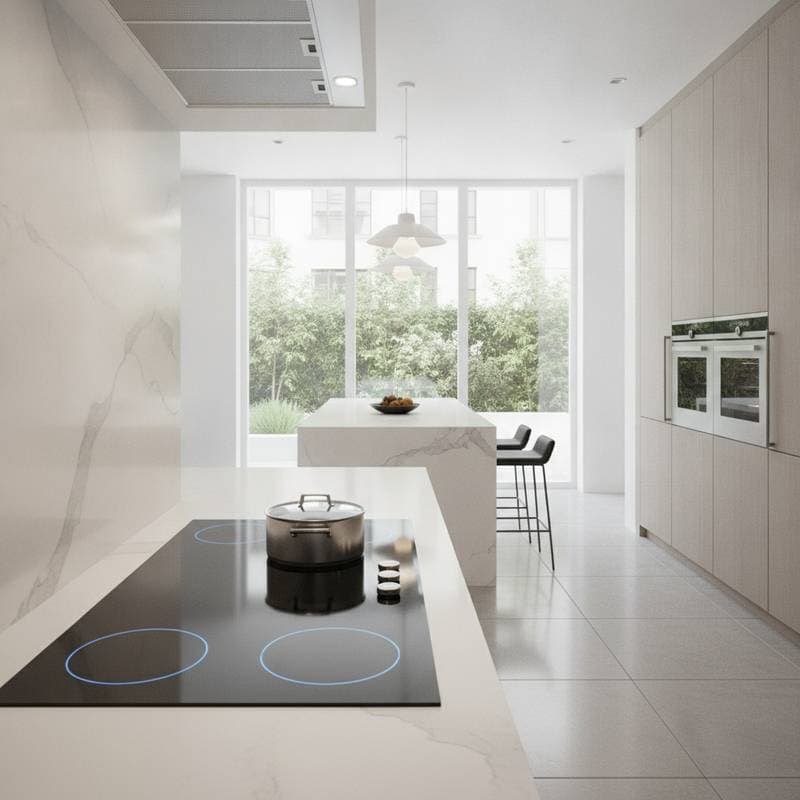
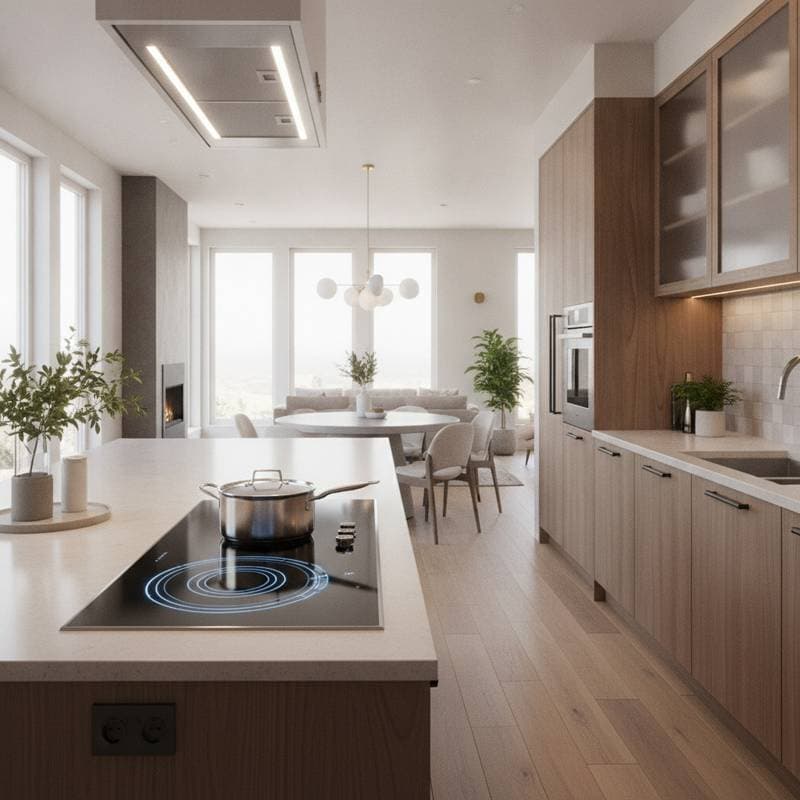
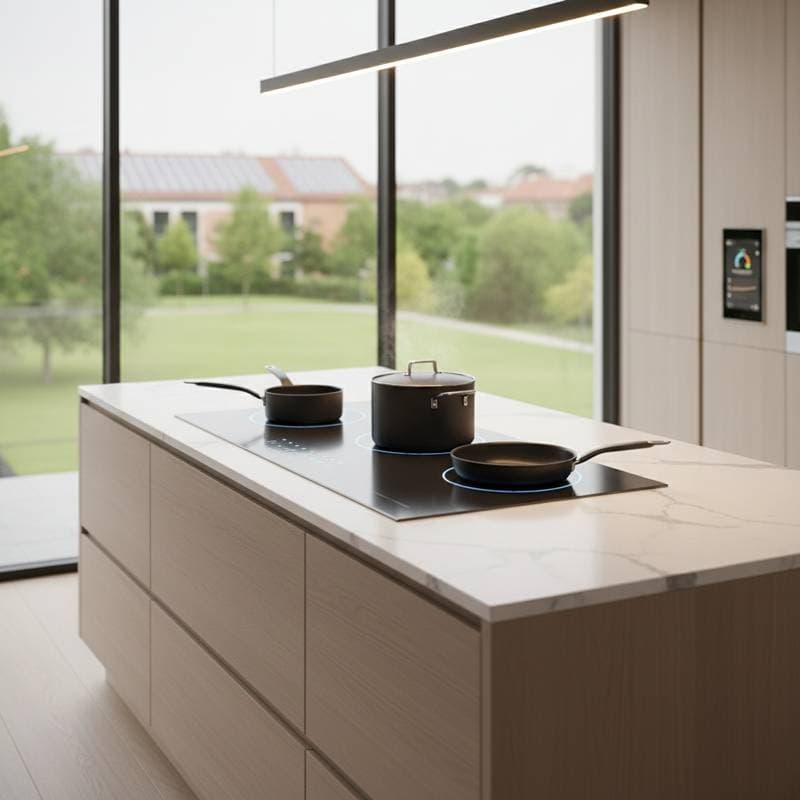
Induction cooktops blend into counter surfaces like polished stone. Architects favor black ceramic glass from brands such as Miele and Bosch, installed flush with materials like Caesarstone Cloudburst Concrete or Dekton Domoos. This creates a continuous plane that functions as an extension of the countertop, fostering serene kitchens where light plays across unified textures.
Enhanced Comfort in Kitchen Environments
Induction cooking avoids the radiant heat of gas burners, keeping spaces cooler overall. Designers leverage this to integrate kitchens more fluidly with living and dining areas in open plans. Chef Luca Serrano, after converting his restaurant test kitchen, noted the immediate improvement in temperature and air quality, making extended cooking sessions far more enjoyable.
Ventilation Options That Expand Design Possibilities
Traditional gas setups require powerful overhead hoods that constrain cabinetry and aesthetics. Induction allows for compact downdraft or recirculating vents that integrate into the countertop. Systems from Bora and Elica vanish seamlessly, opening upper walls for open shelving, artwork, or continuous tile patterns and enabling bolder lighting designs.
Superior Control for Culinary Precision
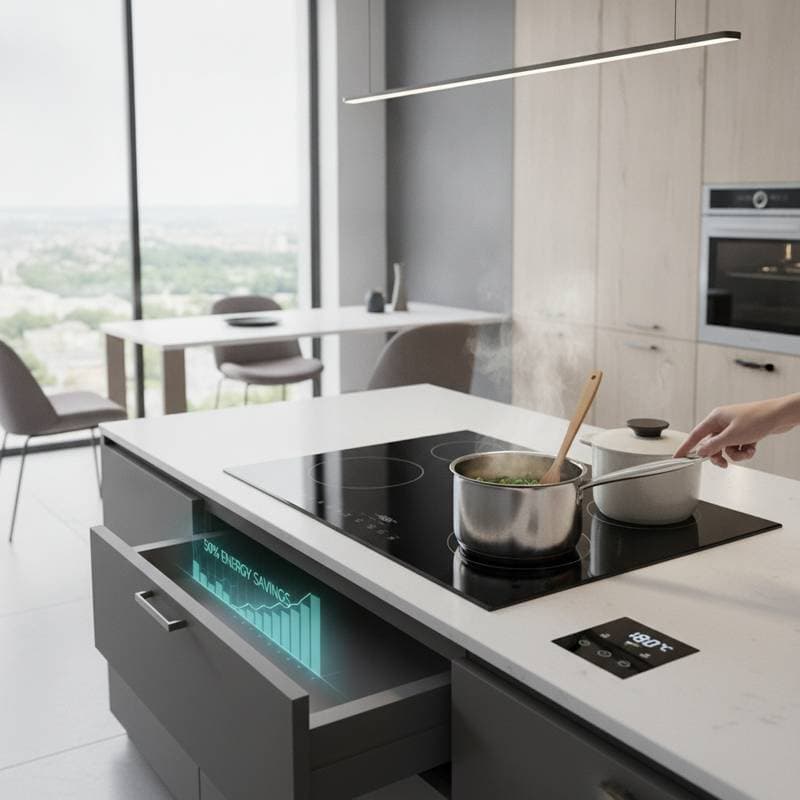
Professional cooks value induction for its exact temperature regulation, from gentle simmers to quick boils. This responsiveness elevates cooking to a precise process and influences kitchen construction with slimmer edges and finer details. Such refinements bring a furniture-like quality to built-in appliances.
Alignment with Sustainable Practices
Induction supports eco-friendly homes by eliminating fossil fuel use indoors, improving air quality and cutting emissions. Pairing these systems with solar or other renewables forms efficient energy loops. Architect Daniel Hart of Hart & Field Design observes that clients select this approach for its blend of ethical responsibility and visual appeal.
Blurring Lines Between Cooking and Dining
Without protruding elements, induction cooktops facilitate multifunctional surfaces. Portable units can embed into dining tables for communal preparation. Gaggenau's Vario series demonstrates this with modular designs that shift easily from cooking to serving, fostering social interactions in shared areas.
Thoughtful Material Combinations
The smooth glass of induction invites pairings with natural elements for balance. Consider warm European oak cabinets alongside honed limestone backsplashes and brushed nickel hardware. Designer Rina Lopez of Atelier Luma recommends matte graphite cooktops with sage-painted cabinetry in Farrow & Ball's Pigeon, allowing textures and grains to stand out without distraction.
Seamless Connectivity in Smart Homes
Induction units connect to broader home automation for intuitive operation. Features include touch interfaces, sensors for safety, and app-linked temperature adjustments. Integration with lighting or recipe guidance creates responsive environments that enhance daily routines.
Embracing Clean Energy Aesthetics
Gas-free kitchens evoke simplicity and tranquility through their understated presence. The subtle glow and low sound of induction contribute to a meditative space. This evolution reflects a deeper commitment to health, efficiency, and elegant design.
Integrating Induction into Daily Life
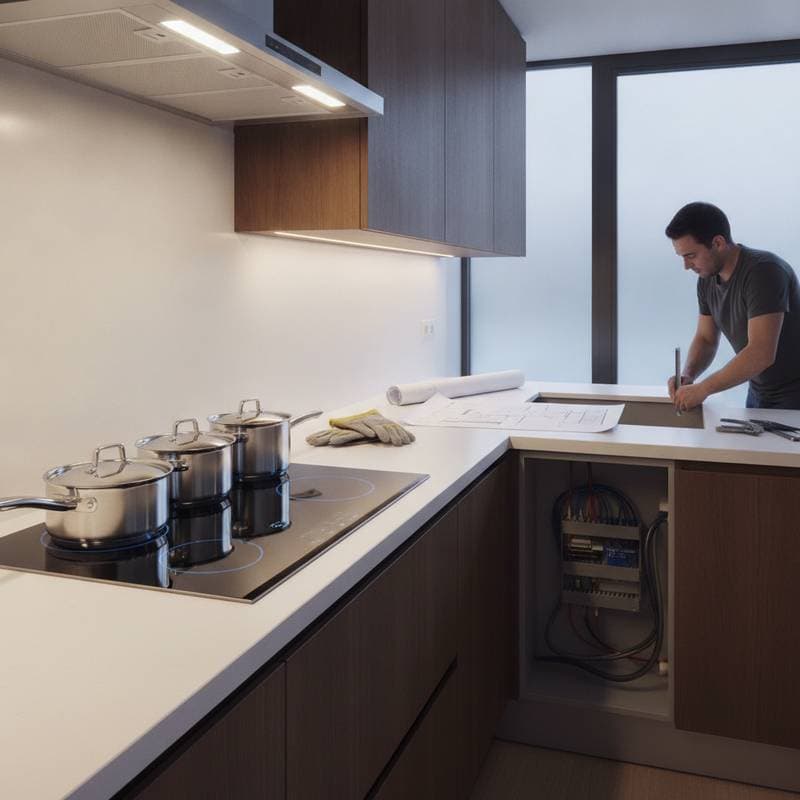
Transitioning to induction involves more than appliance replacement; it reshapes kitchen interactions. Select compatible cookware with magnetic bottoms, incorporate hidden ventilation, and choose finishes that complement the technology's minimalism. These steps ensure a cohesive, user-friendly setup.
Designers foresee kitchens that integrate more harmoniously with living spaces, emphasizing lightness and connectivity. The gas ban spurs practical innovations, yet the true value emerges in creative adaptations. Homeowners gain environments where form, function, and sustainability align effortlessly.