Induction Outperforms Gas: Upgrade to Electric Cooking by 2026
Homeowners often appreciate the visual appeal of gas ranges, with their steady blue flames and quick response. However, the excessive kitchen heat and tedious cleaning of burner grates prompt many to reconsider. Emerging performance standards, cleaner energy sources, and technological advances position induction cooktops as the superior, safer, and more efficient alternative. For those planning a kitchen upgrade, evaluate induction options now to integrate them seamlessly into your next project.
Reasons for Transitioning from Gas to Induction
The comparison between gas and electric cooking spans decades. Gas provided reliable control, whereas traditional electric options appeared sluggish and uneven. Induction transforms this dynamic by employing magnetic fields to heat cookware directly, bypassing the surrounding air and surface. This results in accelerated cooking times, cooler ambient temperatures, and minimal energy loss.
Homeowners increasingly prioritize lower indoor air pollution and reduced utility expenses, areas where induction excels. The technology avoids combustion emissions, such as nitrogen dioxide, which can irritate respiratory systems. Households with children or older adults report notable health gains from this change. Expanding utility incentives and governmental rebates further ease the financial burden of installation and equipment acquisition.
Understanding Induction Technology Simply
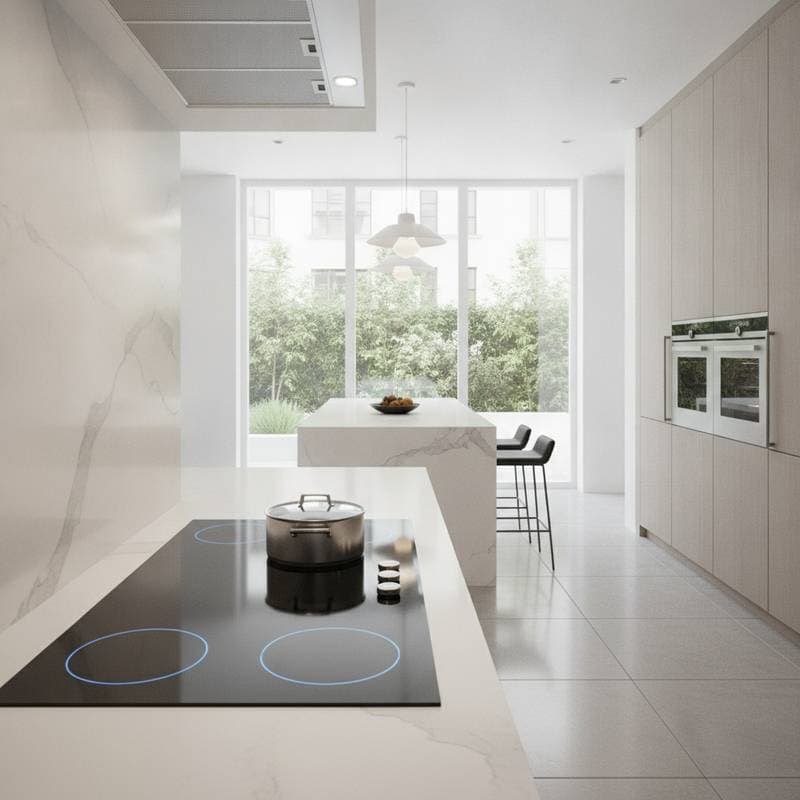
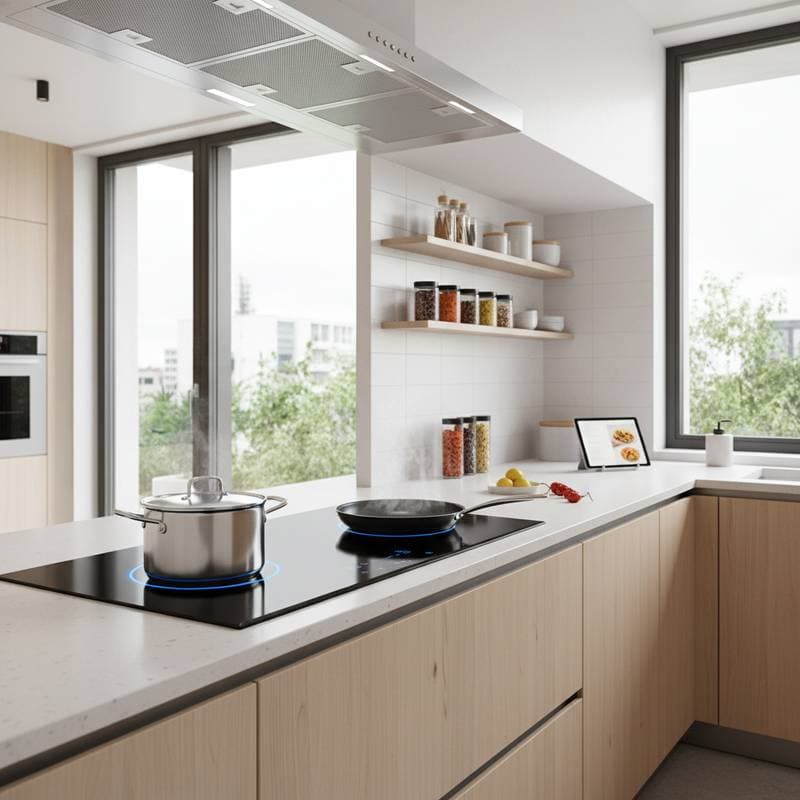
Induction cooktops feature electromagnetic coils beneath a smooth glass surface. A compatible pan placed atop activates the magnetic field, which induces heat within the pan's metal base. Without relying on flames or air conduction, temperature adjustments occur immediately. Boiling water requires less time, sauces maintain consistent heat, and maintenance involves only wiping the flat surface.
Compatible cookware must contain ferrous materials. Test readiness by attaching a magnet to the pan base; secure adhesion confirms suitability. Materials like cast iron, carbon steel, and certain stainless steel varieties perform effectively. Non-magnetic options, including aluminum, copper, or glass, require a ferrous layer for functionality.
Evaluating Expenses and Capabilities
Upfront Expenses:
- Induction cooktop or full range: $1,000 to $3,000 for standard units
- Electrical upgrades for a dedicated 240-volt circuit: $200 to $600
- New cookware, if necessary: $100 to $400 depending on selections
Ongoing Expenses:
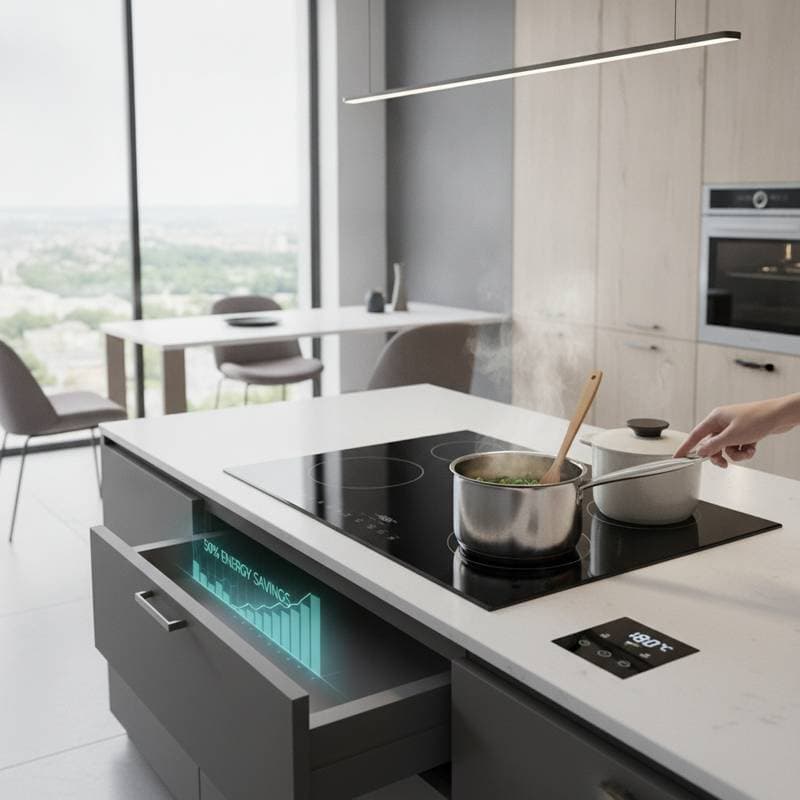
Induction converts 85 to 90 percent of electrical energy into direct pan heating, far exceeding gas's 40 percent efficiency. This leads to decreased utility statements, particularly in homes with solar installations or renewable energy plans.
Capabilities:
In controlled evaluations, induction surpasses gas in speed for tasks like water boiling, often completing them in half the duration. Precision extends to one-degree temperature adjustments on advanced models. Enhanced safety arises from the cool-touch surface, minimizing burn risks and supporting family-friendly environments.
Guide to Electrifying Your Kitchen
-
Evaluate Existing Infrastructure.
Inspect your electrical panel for an available 240-volt circuit. Absence requires professional installation, representing the primary conversion expense, though the process remains routine. -
Review Ventilation Requirements.
Induction generates no combustion byproducts, yet effective exhaust for steam and aromas remains essential. Consider a smaller hood, as gas venting demands prove unnecessary. -
Design Your Cooking Area.
Induction ranges accommodate 30-inch standard spaces, while cooktops pair with independent wall ovens. Factor in daily usage patterns, accessibility, and available counter space. -
Select an Appropriate Unit.
Entry-level options begin around $1,000, with high-end models featuring smart interfaces or flexible zones reaching $3,500. Prioritize intuitive controls, low-noise operation, and resilient glass construction. -
Arrange Expert Installation.
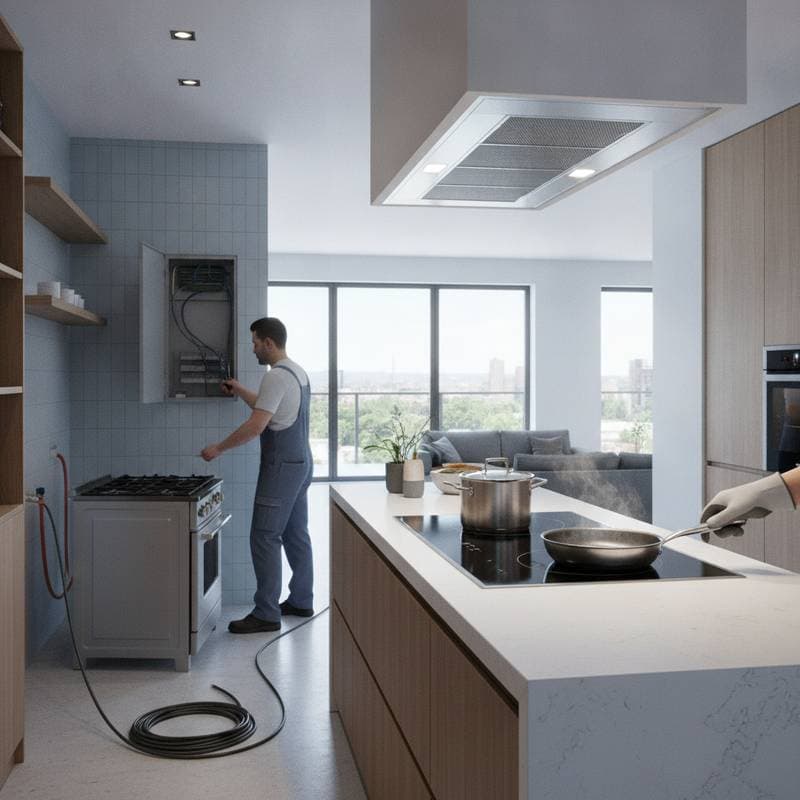
Engage a certified electrician; for gas conversions, include a plumber to secure the line. This approach guarantees adherence to regulations and eliminates potential risks.
Key Factors in the Conversion Process
Regulatory Compliance:
Certain locales mandate permits for gas-to-electric transitions. Consult your local building authority. Full gas line removal may necessitate official inspections.
Safety Protocols:
Avoid personal alterations to wiring or gas systems. Induction units house delicate components vulnerable to improper handling.
Project Duration:
Installations typically span one to two days post-equipment delivery. Panel enhancements extend timelines, requiring coordinated contractor scheduling.
Financial Returns:
Energy savings and elevated property values offset initial outlays. Induction emerges as a desirable element in contemporary, all-electric residences.
Addressing Induction Misconceptions
-
Misconception 1: Induction Delivers Inferior Power to Gas.
Incorrect. It supplies robust, immediate heat and frequently exceeds gas in performance benchmarks. -
Misconception 2: Costs Prohibit Accessibility.
Unit prices continue to decline, with incentives offsetting substantial portions of expenses. -
Misconception 3: Specialty Cookware Like Woks Poses Challenges.
Contemporary designs incorporate adaptable zones or adapters to accommodate diverse shapes effectively. -
Misconception 4: Surfaces Lack Durability.
Reinforced glass withstands regular demands. Gentle handling prevents surface damage from abrasive movements.
Implement Your Upgrade
Adopting induction extends beyond trends; it fosters a cleaner, more effective kitchen with reduced operational costs and enhanced functionality. Identify models aligned with your routines and request an electrician's preliminary assessment.
For greater precision, simplified maintenance, and a secure cooking space, the transition to electric merits consideration. Armed with targeted guidance and expert support, execute the upgrade with assurance and reap enduring advantages.