The Transition to Electric Kitchens: Induction Surpasses Gas
A significant change occurs in kitchens worldwide. The move toward electric cooking gains momentum, with induction technology at the forefront. For many years, gas stoves represented the preferred choice for dedicated home cooks due to their visible flames and perceived control. Induction demonstrates superior cooking through magnetic heating rather than combustion, offering enhanced speed, cleanliness, and efficiency.
This evolution extends beyond temporary fashions. It reflects a broader commitment to intelligent, secure, and environmentally responsible methods. Induction accommodates diverse financial plans, from high-end installations to modest updates, delivering strong functionality and aesthetic appeal.
Reasons Induction Dominates
Induction technology employs electromagnetic fields to heat pots and pans directly, bypassing ambient air heating. This approach yields immediate responsiveness, minimal energy loss, and absence of flames. The design proves elegant, secure, and user-friendly after initial familiarity.
Speed and Precision
Gas requires time to warm cookware, whereas induction activates instantly. Transition from low heat to high occurs in moments, appealing to professional chefs who value such command. For instance, melt chocolate evenly without additional equipment or maintain sauce consistency without burning.
Cleanliness and Temperature Control
Homeowners often appreciate the cooler kitchen environment. Induction targets only the cookware, preserving comfort during extended preparations, particularly in compact or open layouts. Cleaning simplifies to wiping the glass surface with a damp cloth, as spills do not adhere or char.
Energy Savings
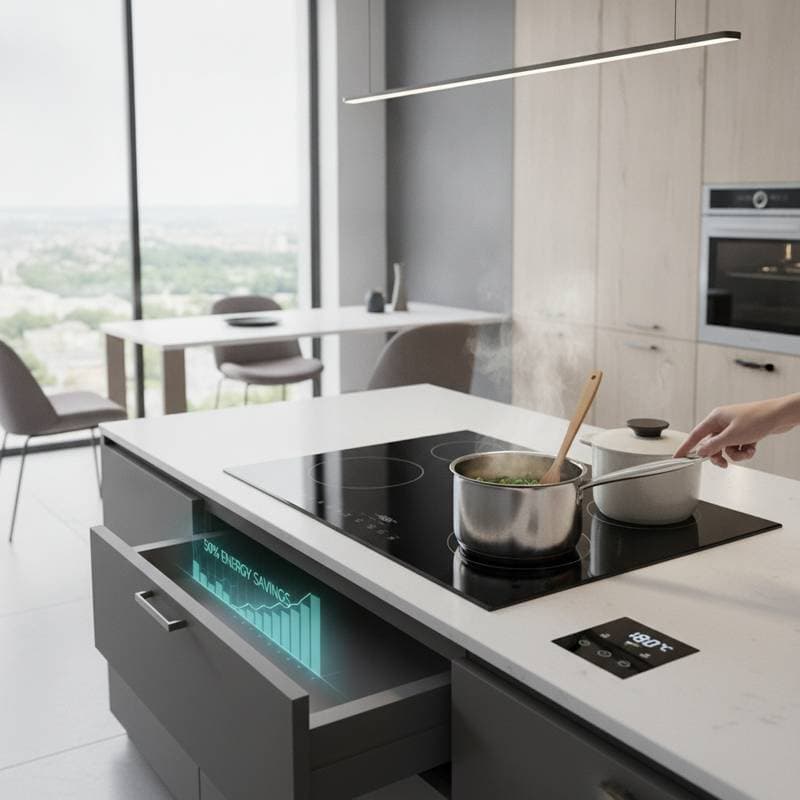
Induction maximizes efficiency by directing nearly all energy to the cookware. This reduces electricity consumption and eliminates the need for additional cooling. The benefits extend to lower utility bills and reduced environmental impact.
Safety Features and Environmental Benefits
Safety stands out as a key advantage. Induction surfaces remain cool except under the cookware, ideal for households with children or pets. Without flames or gas risks, concerns diminish significantly. In one renovation project for a young family, the increased security proved transformative.
Environmentally, induction avoids indoor pollution from gas combustion. Research indicates gas stoves emit nitrogen dioxide and similar contaminants, compromising air quality. Induction generates no indoor emissions, fostering healthier living spaces and sustainable practices.
Affordable Induction Choices
Accessibility defines induction adoption. Various options suit different budgets and installation needs.
Basic Entry Points
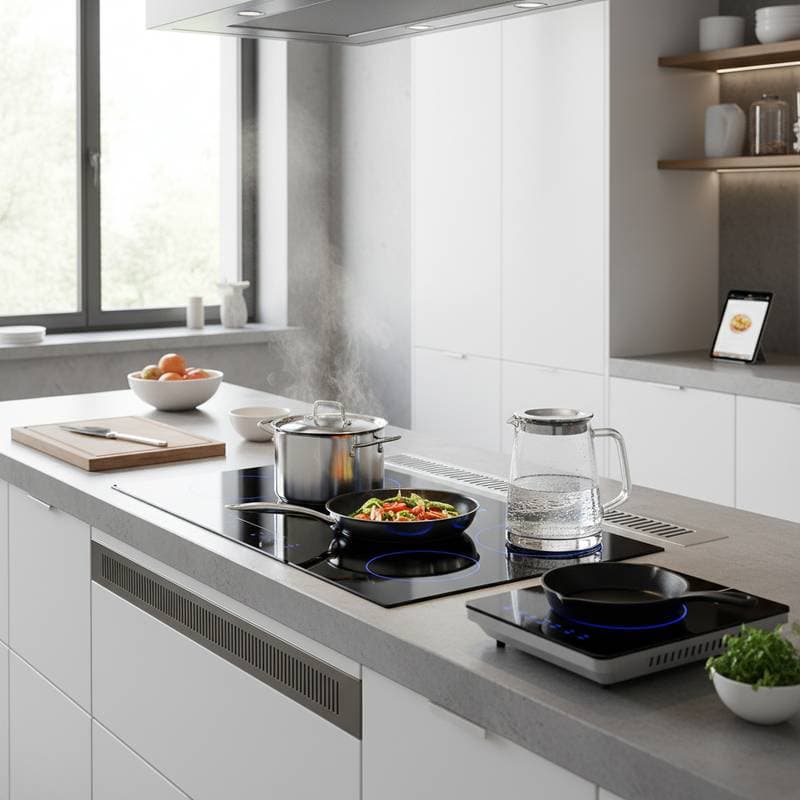
Renters or those avoiding major changes benefit from portable single or double induction burners. Models under $100 available at stores like IKEA or Amazon connect to standard outlets. These units suit introductory use, performing reliably in demonstrations or small-scale cooking.
Moderate Enhancements
Replacing an existing cooktop calls for a 30-inch built-in induction model. Options from GE, Frigidaire, and Samsung range from $800 to $1,500 and fit standard spaces. Combined with an efficient hood, they elevate kitchen sophistication.
High-End Selections
Enthusiasts seek brands like Bosch, Miele, and Thermador for advanced capabilities. Features include accurate sensors, app integration, and adaptive zones. Costs span $2,000 to $5,000, matching professional standards observed in competitive settings.
Selecting Compatible Cookware
Induction demands ferromagnetic materials, but compatibility checks prove straightforward. Use a magnet to test: adhesion to the base confirms suitability.
Recommended Materials
- Cast iron and enameled cast iron offer superior retention for slow cooking and browning.
- Magnetic stainless steel provides longevity and versatility for daily tasks.
- Carbon steel responds quickly, suiting high-heat methods like wok cooking.
Materials to Avoid
Pure copper, aluminum, or glass lack magnetism unless modified with a compatible layer.
Budget-conscious shoppers find complete sets under $100 from T-fal or Cuisinart, ensuring dependable results.
Design Advantages of Induction
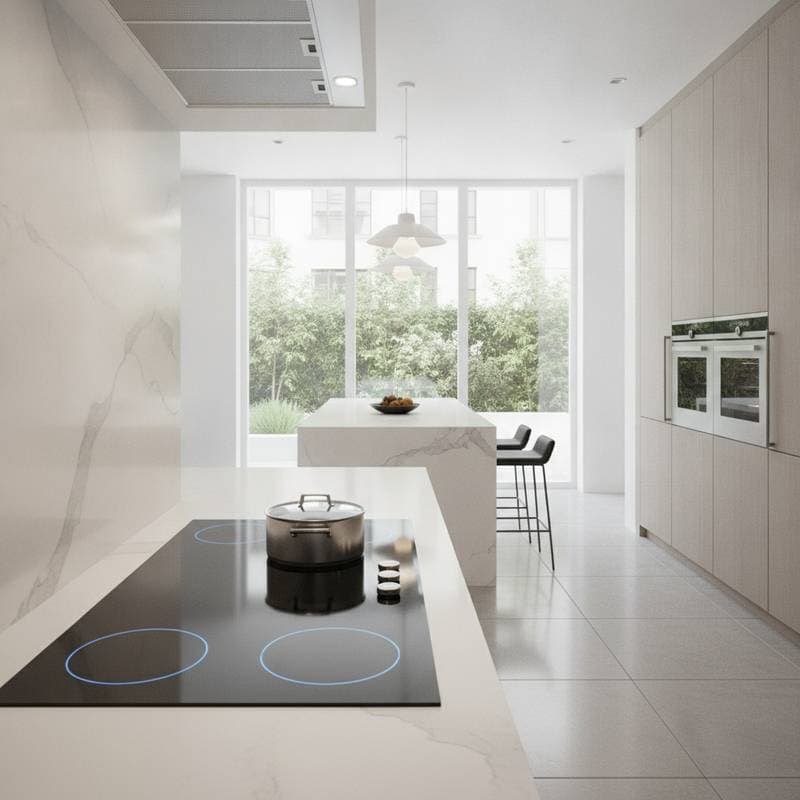
Induction enhances creative possibilities in kitchen layouts. The flat glass expanse conveys modernity and simplicity. Installations range from flush integrations to portable setups, allowing seamless adaptations.
Optimizing Space
Slim profiles and under-venting preserve storage below the cooktop. This proves valuable in constrained areas, accommodating cookware or appliances.
Aesthetic Harmony
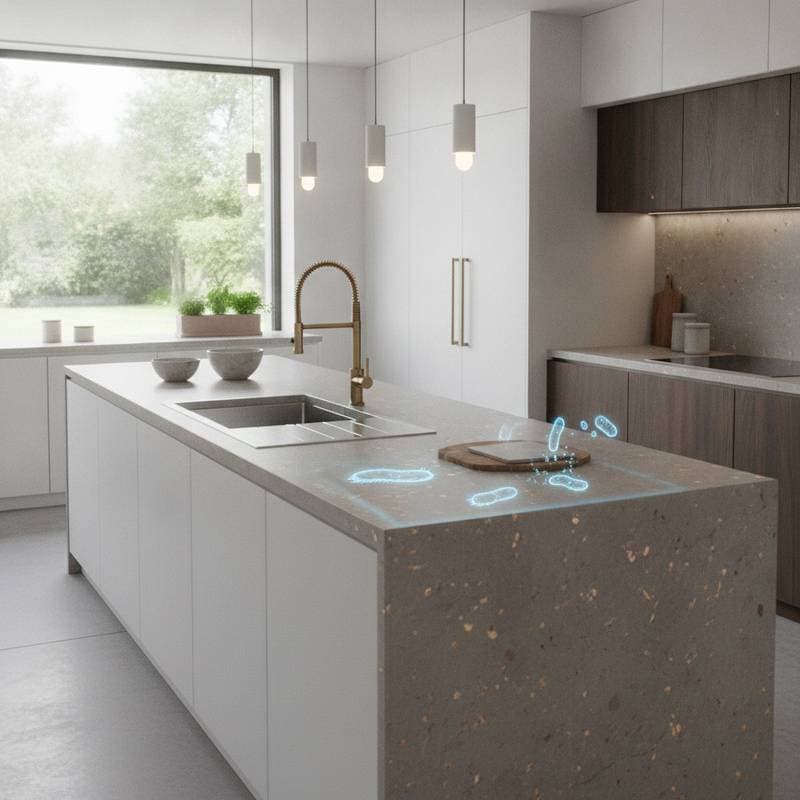
Pair with quartz, concrete, or solid surfaces for depth and openness. The absence of grates contributes to a streamlined appearance.
Innovative Integrations
Combine with integrated ovens, discreet vents, or modular elements. Custom designs, such as retractable panels, expand functionality in dynamic spaces.
Opportunities in the Electric Kitchen Market
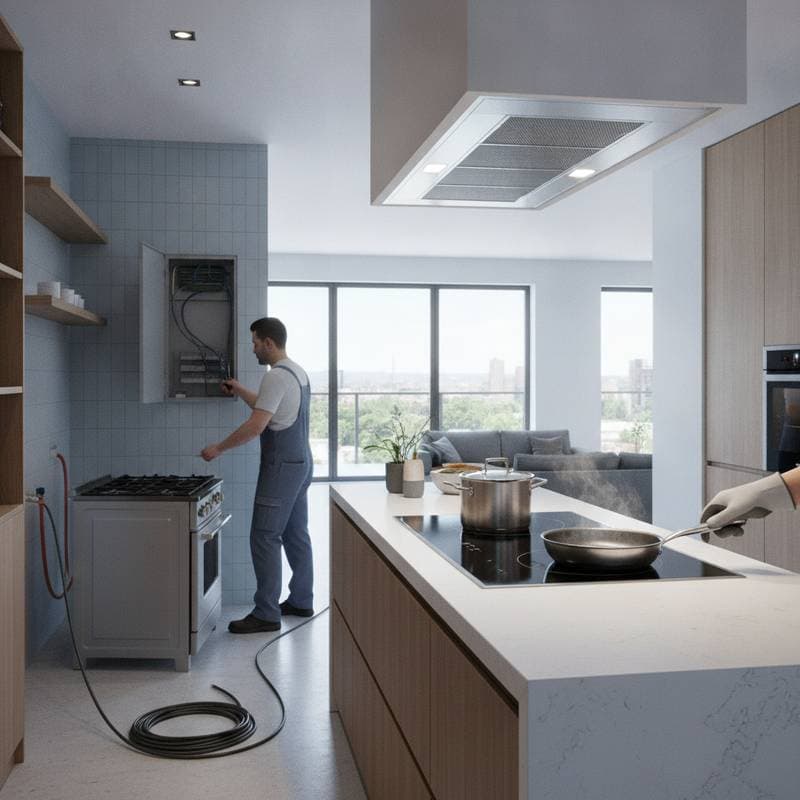
Professionals in renovation and product development recognize the potential. Demand rises for specialized electrical work, design consultations, and retail expansions. Induction supports refined forms and user-centered arrangements.
Innovations include tailored accessories and connected systems. Collaborations yield cookware optimized for induction, blending form and efficiency.
Addressing Misconceptions
Persistent doubts about induction warrant clarification.
- Claim: Gas alone achieves proper searing. Incorrect; induction heats rapidly to high levels, producing crisp results swiftly.
- Claim: It suits only contemporary designs. Untrue; styling adapts it to classic or countryside themes with complementary elements.
- Claim: Costs remain prohibitive. Prices have decreased, offset by long-term savings.
Practical Maintenance and Daily Use
Adapting to induction enhances routine cooking. The responsive heat, simple care, and modern profile integrate effortlessly. Clean spills immediately with gentle tools to maintain the surface.
For mobile users, portable models facilitate transitions. Overall, induction elevates efficiency, air quality, and convenience.
Steps to Adopt Induction
Begin exploration with a portable unit or plan a comprehensive update. This choice aligns with advancing standards in cooking innovation. Witness the quiet efficiency firsthand to appreciate its transformative impact.