Embracing the All-Electric Kitchen with Induction Technology
Homeowners increasingly replace traditional gas ranges with smooth glass cooktops that heat cookware in seconds. Many individuals ponder if such a transition merits the effort. The trend toward fully electric kitchens accelerates, with induction cooking emerging as a pivotal element. These advantages prove tangible, yet a thorough comprehension precedes any commitment.
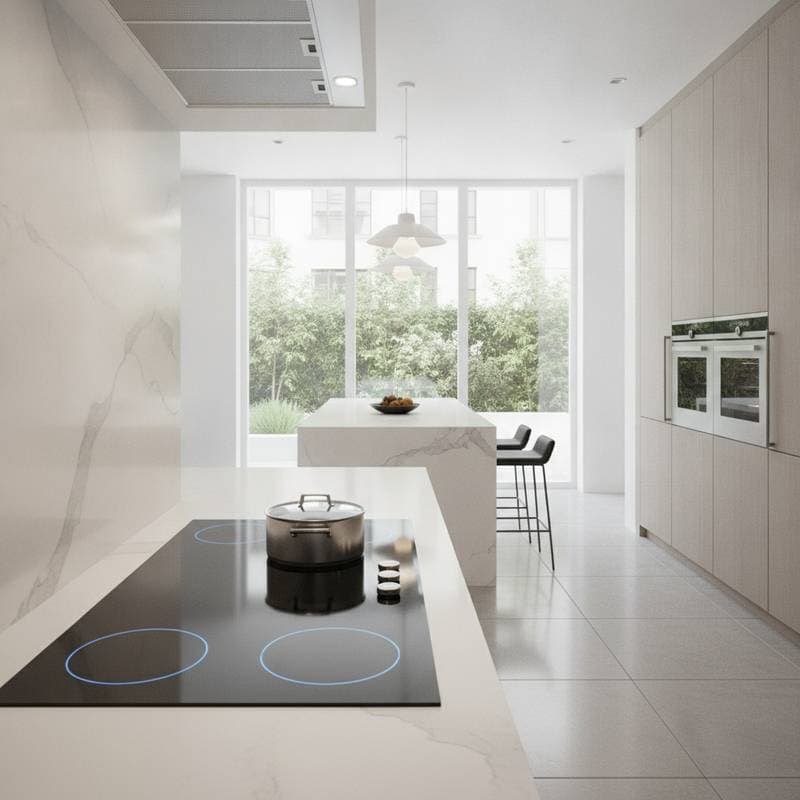
Induction technology employs electromagnetic fields to generate heat directly within pots and pans, bypassing the need to warm surrounding air. This approach yields quicker boil times, stable heat levels, and a kitchen that remains cooler overall. For instance, water reaches a rolling boil in approximately 90 seconds, while delicate sauces maintain consistent temperatures without the fluctuations common in gas or coil-electric systems. Because heat activates only in ferromagnetic materials, the cooktop surface stays lukewarm, minimizing burn hazards during use.
Core Principles of Induction Cooking
At its foundation, induction relies on coils beneath the glass surface that create oscillating magnetic fields. These fields induce electrical currents in the base of compatible cookware, producing heat through resistance. Unlike radiant electric elements that cycle on and off, induction delivers immediate response to adjustments, allowing chefs to sear meats at high heat one moment and reduce to a gentle poach the next. This precision suits both novice cooks and professionals seeking reliable performance.
The process also enhances environmental control in the kitchen. Excess heat dissipates minimally into the room, preserving comfortable ambient temperatures even during extended meal preparations. In warmer climates or small spaces, this feature prevents unnecessary air conditioning demands, contributing to overall household energy management.
Efficiency Gains in Everyday Use
Induction cooking achieves 85 to 90 percent energy transfer efficiency, directing nearly all power to the food rather than the stove or surroundings. In contrast, gas stoves utilize only 40 to 50 percent of their energy effectively, with the remainder escaping as exhaust or unused heat. Over time, these differences accumulate into noticeable reductions in utility expenses, particularly in homes with frequent cooking routines.
Cleanup presents another practical benefit. Without exposed heating elements, spills remain on the flat surface and wipe away effortlessly with a soapy cloth once the unit cools. This simplicity saves time after meals and maintains a pristine appearance, appealing to busy households that value low-maintenance appliances.
Safety Enhancements for Modern Homes
Absence of open flames eliminates ignition sources for grease fires, a common concern in traditional setups. Integrated sensors detect the presence of cookware and deactivate power if items are removed or absent, preventing unattended heating risks. These safeguards prove invaluable for households with children, elderly members, or pets, fostering a secure cooking environment without constant supervision.
Many models incorporate additional protections, such as child locks and overheat indicators, that alert users to potential issues. Emergency shutoff buttons provide quick access during unexpected situations, further bolstering reliability. Overall, these features align with broader home safety standards, reducing insurance concerns related to kitchen hazards.
Investment Breakdown for Induction Adoption
Entry-level induction ranges begin at approximately $1,000, with high-end models reaching $4,000 based on features like smart connectivity or multiple burners. Built-in cooktops offer flexibility for custom installations, often priced between $800 and $2,500. Selecting units with at least four burners ensures versatility for family meals or entertaining.
Compatible cookware requires ferromagnetic properties, such as those found in cast iron skillets or stainless steel pots. Test existing items by attaching a magnet to the base; firm adhesion confirms suitability. If replacements become necessary, budget $200 to $400 for a basic set including saucepans, frying pans, and stockpots, prioritizing pieces with flat, smooth bottoms for optimal contact.
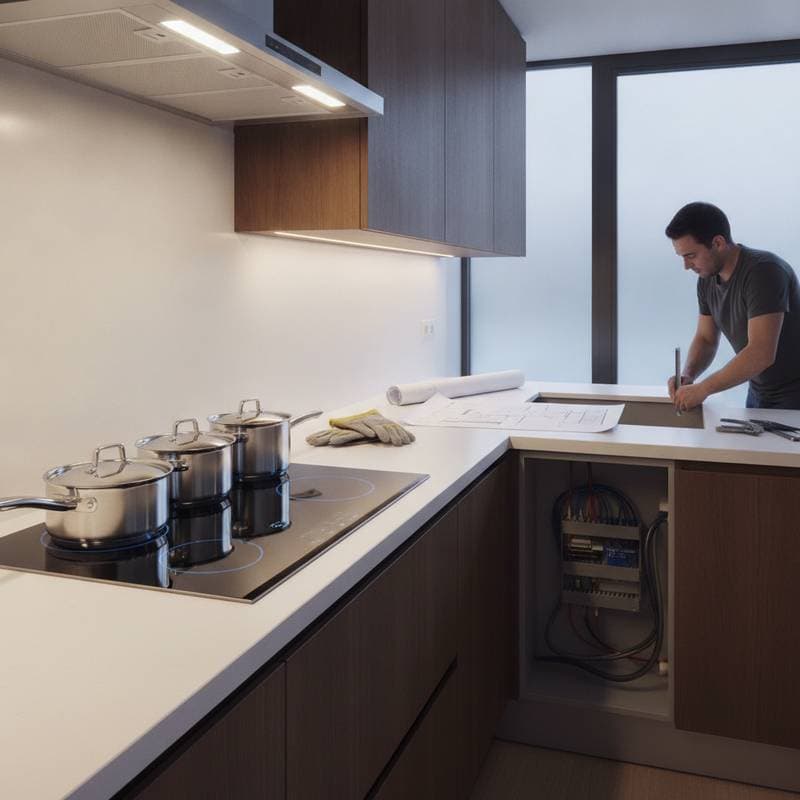
Transitioning from gas involves electrical modifications. Professional installation of a 240-volt outlet typically ranges from $200 to $600, influenced by wiring accessibility and circuit breaker capacity. In older residences, panel upgrades might add $500 to $1,500, so consult a licensed electrician for a site assessment prior to purchase. These upfront costs offset through energy efficiencies within two to five years, depending on usage patterns.
Essential Preparations Prior to Purchase
-
Evaluate electrical infrastructure. Induction demands 40 to 50 amps; verify panel capacity to avoid overloads or costly rewiring.
-
Assess cookware inventory. Magnet testing identifies usable pieces; invest in adapters for non-compatible items if full replacement seems excessive.
-
Consider ventilation needs. Steam, smoke, and aromas persist regardless of heat source; ensure a range hood with at least 300 cubic feet per minute extraction rate.
-
Familiarize with operation. Practice on demonstration models in stores to grasp responsive controls; begin recipes at 50 percent power to build confidence.
-
Review warranty and support. Opt for units with at least a two-year coverage on electronics and glass surfaces for long-term assurance.
-
Factor in rebates. Utility companies or local incentives may subsidize costs for energy-efficient appliances; check eligibility through provider websites.
Integrating Induction for Optimal Results
Begin experimentation with a portable induction burner, available for $50 to $150, to test compatibility across recipes like stir-fries or pasta boils. This low-risk entry reveals preferences for heat patterns and cookware performance without full commitment. Once proficient, install a complete range to unify kitchen operations.
Professional delivery and setup streamline the process, often included with premium purchases. Post-installation, recalibrate habits for induction's immediacy, such as preheating cookware briefly for even distribution. These adjustments enhance cooking outcomes, from perfectly browned roasts to flawlessly emulsified sauces.
Ultimately, induction elevates daily routines by streamlining energy use, safeguarding well-being, and simplifying maintenance. Households experience not only financial relief from reduced bills but also the joy of intuitive, high-performance cooking. This shift toward all-electric efficiency supports sustainable living while delivering tangible improvements in kitchen functionality.