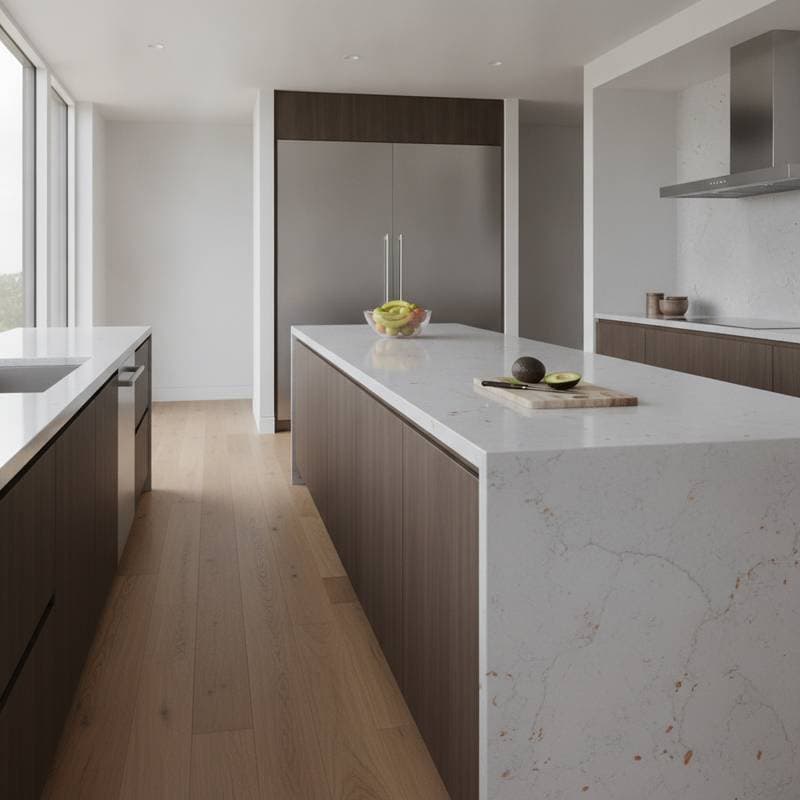
Antimicrobial Countertops Revolutionize Modern Kitchens
In every kitchen renovation, one challenge stands out. Keeping surfaces clean and safe requires more than routine scrubbing. The kitchen serves as a central hub where raw foods, moisture, and frequent use create conditions for bacterial growth. Traditional countertops can harbor germs in microscopic pores unless maintained with precision.
Antimicrobial countertops address this issue directly. These surfaces incorporate protective agents that inhibit bacteria, mold, and mildew continuously. Homeowners gain reduced cleaning demands along with extended material durability. The result is a practical upgrade that supports daily hygiene without added effort.
How Antimicrobial Protection Works
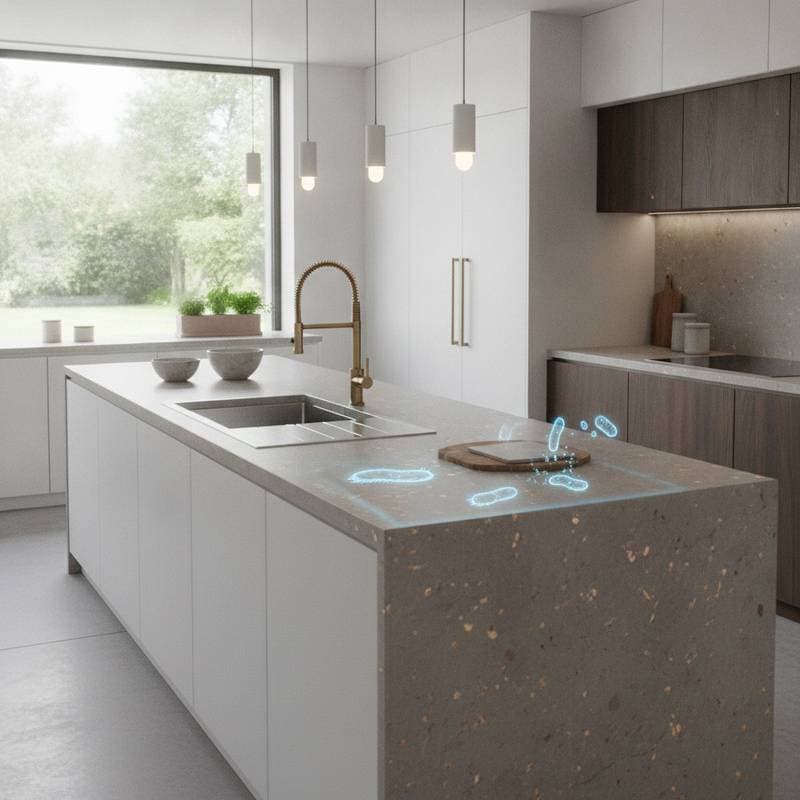
These countertops embed antimicrobial agents such as silver ions or copper compounds into the material during manufacturing. The agents disrupt microbial cell functions to prevent reproduction. Protection remains active throughout the surface life rather than fading like applied sprays.
This built-in approach limits bacterial presence even in small scratches or seams. Users still perform regular cleaning, yet the surfaces resist harboring organisms between sessions. Verification of embedded technology comes through manufacturer certifications.
Popular Material Options
Several countertop types integrate antimicrobial features effectively. Quartz combines nonporous qualities with added agents for strong stain and bacteria resistance. Solid surface materials blend protection into resins and allow seamless installation to eliminate crevices.
Stainless steel with copper infusion suits high-use areas through proven durability. Ceramic and porcelain slabs feature antimicrobial glazes that withstand heat and scratches. Natural stone receives treatment via specialized sealants that require periodic renewal.
Practical Benefits for Households
Increased kitchen activity raises the need for reliable hygiene. Families with children report fewer visible stains and odors after switching to protected surfaces. Those caring for elderly members or individuals with weaker immune systems find reduced cross-contamination risks during food preparation.
Antimicrobial action covers mold and mildew in addition to bacteria. This broader coverage proves valuable in humid conditions near sinks. Surfaces maintain appearance longer while supporting overall kitchen safety.
Installation and Maintenance Steps
Confirm product documentation to ensure genuine embedded protection rather than surface coatings. Professional fabrication prevents weak seams that could compromise performance. Follow manufacturer guidance on resealing treated stone at recommended intervals.
Clean with mild soap and water on a regular schedule. Avoid abrasive products that might damage the finish. Use trivets and cutting boards to protect against heat and scratches.
Selecting Materials by Need
Busy households benefit from quartz or solid surface options that require minimal upkeep. Gourmet setups perform well with stainless steel or porcelain for heat and knife resistance. Design-focused projects suit treated natural stone for visual variety.
Rental properties gain from solid surface durability that withstands multiple users. Always request laboratory test results confirming bacterial reduction rates before purchase.
Cost Considerations and Value
Initial prices exceed standard materials yet deliver savings through lower maintenance and fewer replacements. Reduced reliance on harsh cleaners adds further economy. These surfaces also decrease potential warranty claims related to staining or odor.
Compare the investment to quality fixtures that prevent future expenses. Proper care preserves both function and home value over time.
Ongoing Care Practices
Clean surfaces weekly with approved solutions. Inspect seals on stone materials during routine checks. Store all product warranties for reference during future service needs. These habits sustain protection and appearance for years.