AI Simplifies Bathroom Paint Matching by 2026
Visualize entering your bathroom and immediately identifying the ideal paint shade for wall renewal. This scenario approaches reality through advanced AI color-matching systems. These tools accelerate the selection process, enhance accuracy, and eliminate uncertainties such as mismatched tones under varying light or unexpected color shifts after drying.
Challenges in Bathroom Paint Selection
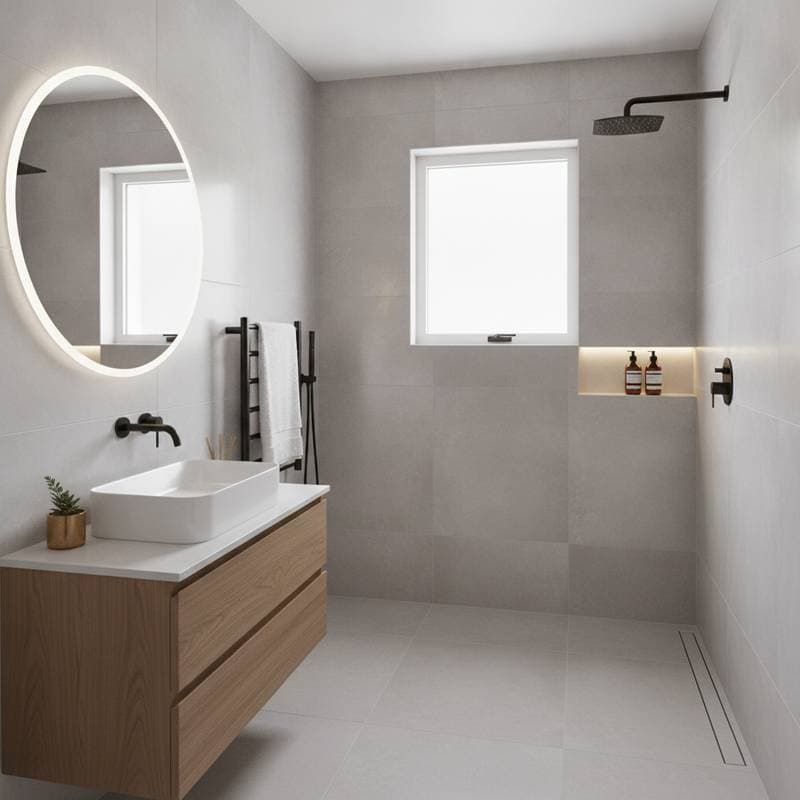
Bathrooms present unique difficulties for color matching due to environmental factors. High humidity alters paint appearance over time, while combinations of natural and artificial light create shifting effects. Reflections from mirrors, tiles, and fixtures further complicate predictions. Traditional methods often fail because a shade that appears ideal in a store may transform unexpectedly in the home environment.
AI addresses these issues by evaluating the precise conditions of the space. The system analyzes lighting intensity, moisture levels, and surface interactions to forecast color performance. This real-time adjustment ensures recommendations align with actual usage, preventing costly errors.
Mechanics of AI Paint Matching
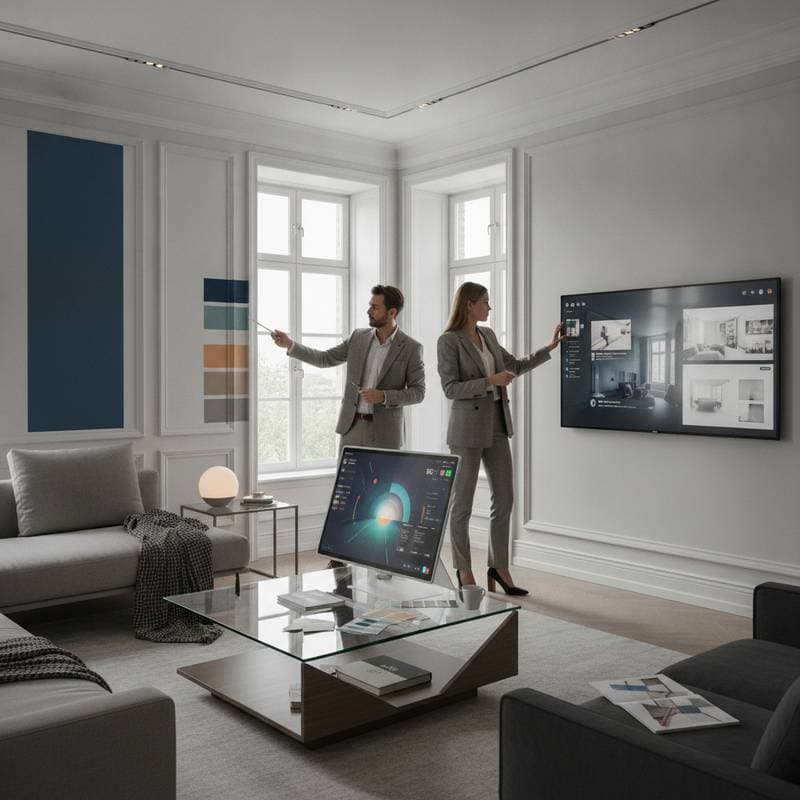
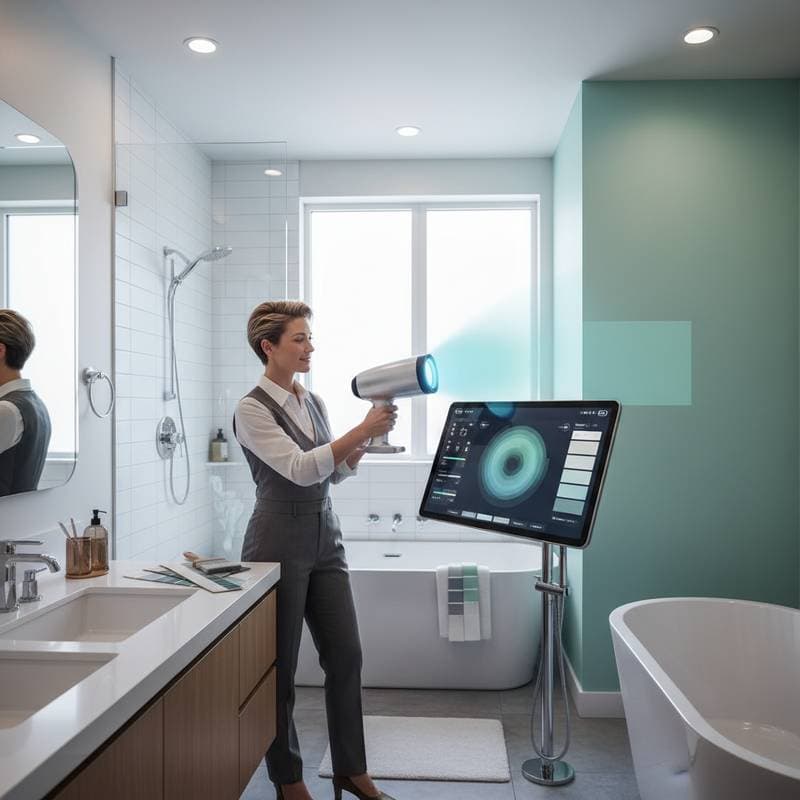
AI paint matching employs sensors and image recognition to capture existing colors in the bathroom. The technology scans elements like tiles, grout lines, vanity surfaces, and fabrics to detect subtle undertones and textures. It then cross-references this information against extensive databases of paint formulations from leading manufacturers.
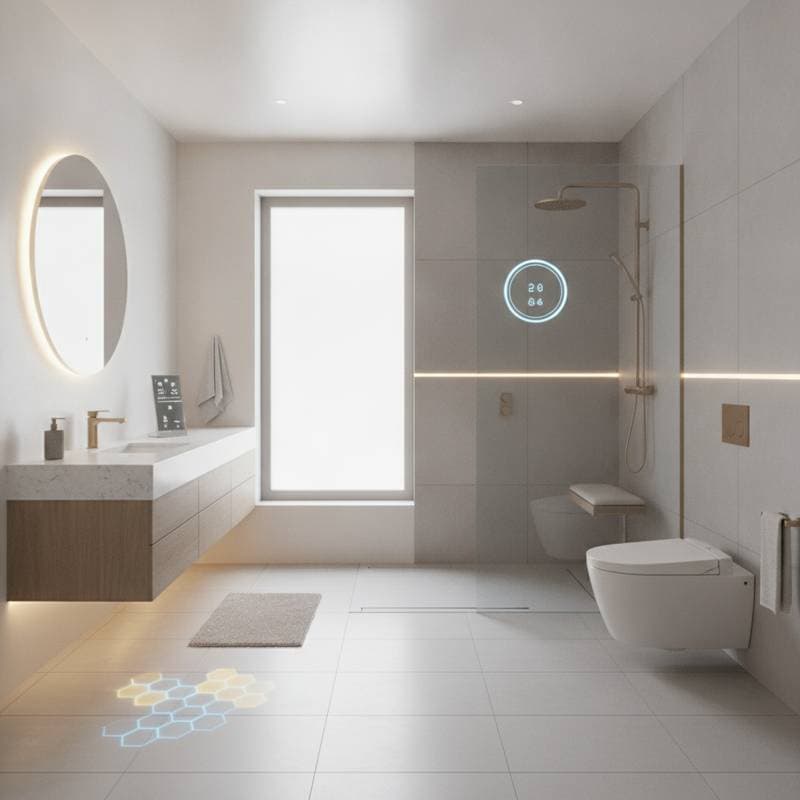
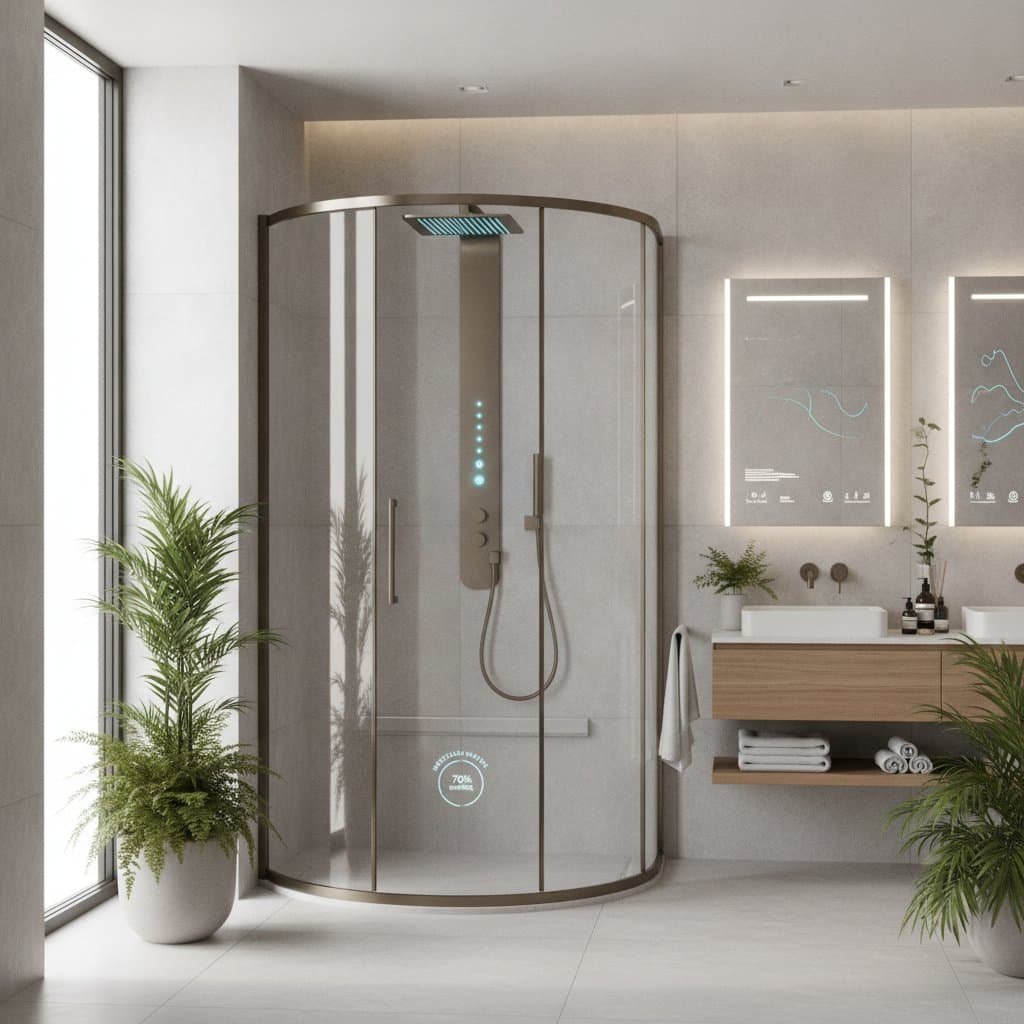
Results appear within moments, offering exact matches and harmonious alternatives tailored to personal aesthetics and financial constraints. Users access the system via mobile applications, portable scanners, or integrated smart mirrors that project virtual samples onto walls. The platform extends beyond single brands by comparing options across premium and economical lines, providing side-by-side evaluations of quality, coverage, and pricing.
For instance, select a high-end formulation at approximately $100 per gallon for superior durability, or opt for a budget option under $30 that maintains solid performance. Calibration steps include positioning the device steadily and capturing multiple angles to account for light variations.
Accessibility Across Budget Levels
Effective design remains achievable regardless of financial resources, and AI tools reinforce this principle. Individuals with limited funds can utilize complimentary smartphone applications that leverage built-in cameras for basic analysis. Retailers from major paint suppliers provide these digital aids, which yield reliable outcomes when users adjust for ambient light during scans.
For greater detail, invest in portable color analyzers priced between $60 and $150. These devices pair with applications to deliver enhanced precision through spectral analysis. Professional-grade setups, favored by contractors, involve higher initial costs but reduce material waste and project timelines, often recouping expenses through efficiency gains.
To maximize value, begin with free trials from app stores, then upgrade based on project scale. Always verify compatibility with chosen paint types to ensure seamless integration.
Practical Insights from Design Projects
In television production for bathroom renovations, rapid decision-making proves essential. Time constraints preclude repeated store visits or sample testing. AI matching streamlines this workflow significantly.
Consider a recent episode where the team scanned an antique tile installation. The system promptly suggested a warm off-white shade that harmonized with the patina of the grout. This selection performed exceptionally both on screen and in daily use, a result that previously demanded extensive trial applications and adjustments.
Such experiences highlight the shift from labor-intensive processes to streamlined operations. Designers now allocate more time to creative elements rather than corrective measures.
Integrating Innovation into Daily Design
The appeal of this technology lies in its capacity to encourage experimentation among homeowners. Fear of color missteps diminishes as AI simulates outcomes under diverse conditions, such as golden daylight or stark fluorescent glow. It also models humidity impacts to anticipate long-term appearance.
This purposeful advancement conserves resources while fostering inventive spaces. Homeowners gain tools to visualize transformations before commitment, blending technology with practical aesthetics.
Emerging Business Prospects
From an entrepreneurial perspective, AI paint matching unlocks innovative ventures. Retail outlets could introduce subscription services for dynamic color databases, updating with seasonal trends. Contractors might standardize AI scanners for site assessments, enhancing bid accuracy and client satisfaction.
Developers already explore sustainable integrations, such as paints that sync with AI for automated inventory management or degradation monitoring. This fusion of analytics, creativity, and environmental responsibility propels forward-thinking home enhancement solutions.
Sustaining Your Bathroom Design
After selecting the optimal shade, AI applications continue to support maintenance. Track coverage durability and receive alerts for refreshes based on usage patterns. Advanced features adapt to user tastes, proposing coordinated elements like linens or hardware.
This ongoing assistance functions as a personal design consultant, accessible anytime. Apply it to temporary updates in leased properties using peelable finishes or comprehensive overhauls in owned homes. Embrace the process: assess your surfaces, evaluate options, and proceed with assured results. Attainable elegance awaits in every bathroom renewal.