AI Color Matching Transforms Kitchen and Bath Interiors
Color serves as a language of emotion and intention in design. In kitchens and baths, where light, material, and utility intersect, the right color defines both atmosphere and function. AI color matching technology has redefined how designers, homeowners, and painters select palettes. What once required multiple samples and consultations now proceeds through a lens, a screen, and a precise algorithm.
Capture Exact Shades from Existing Elements
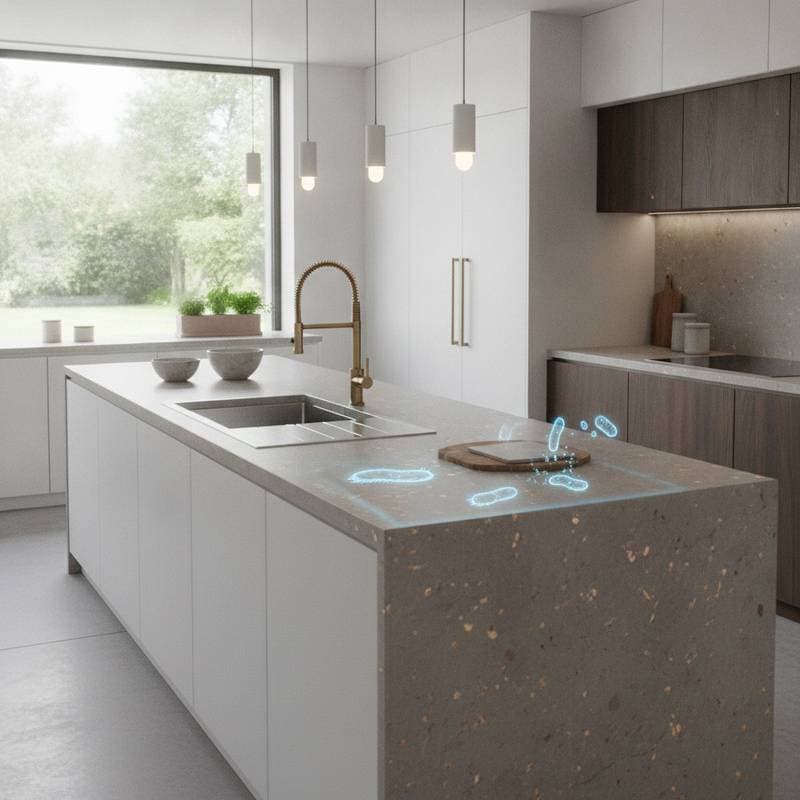
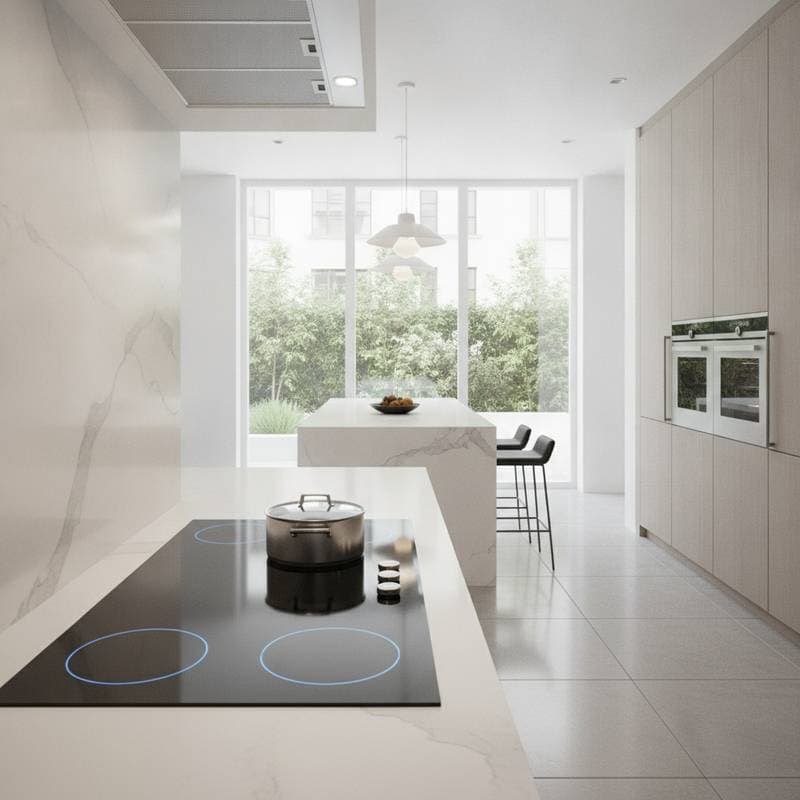
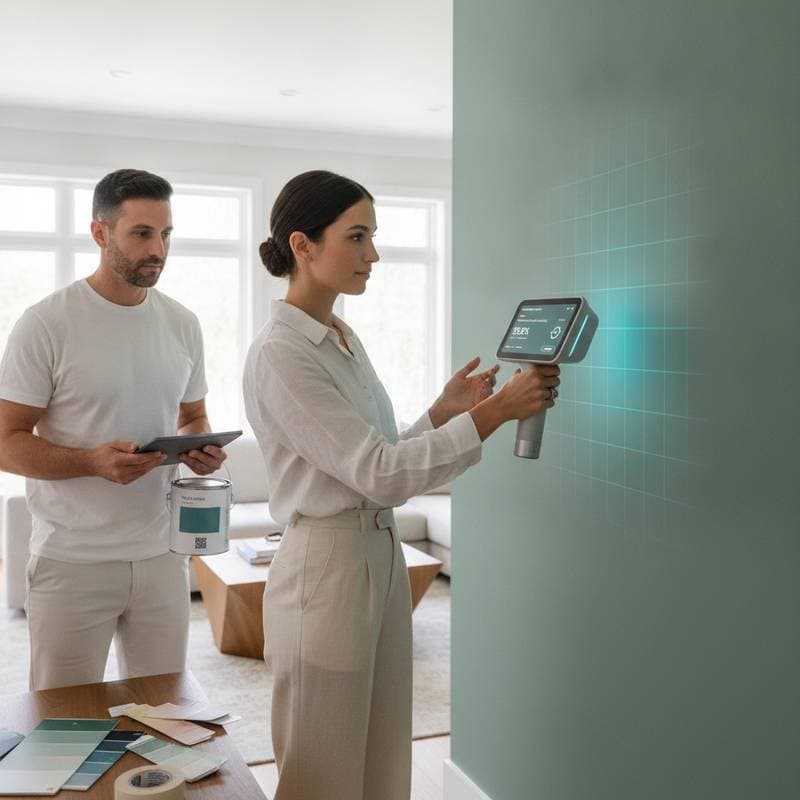
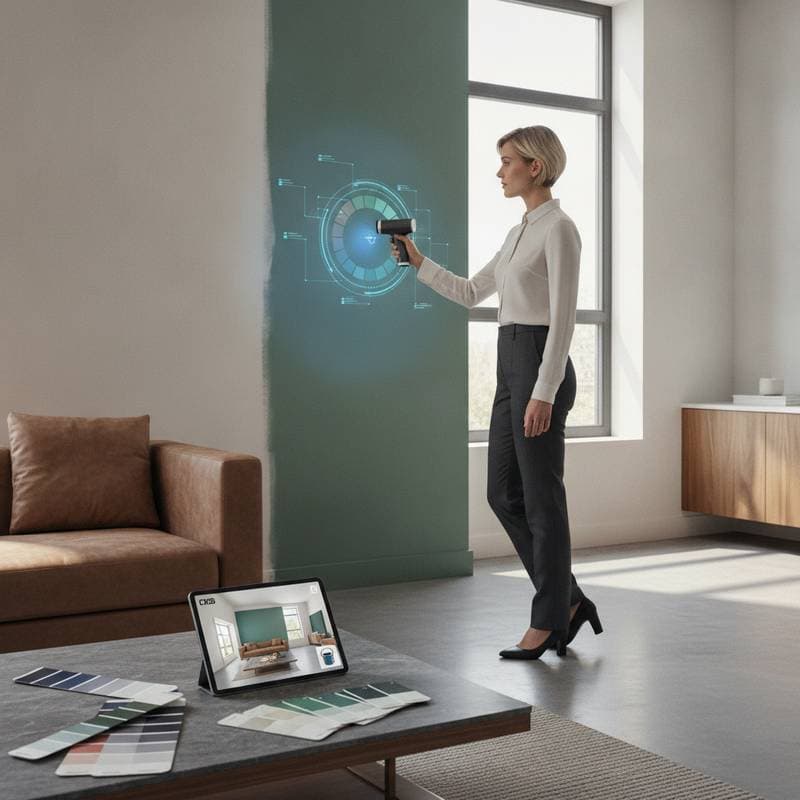
AI color matching applications analyze images of spaces, materials, or inspiration sources to identify exact shades and equivalents from major paint brands. Tools such as Benjamin Moore Color Portfolio and Sherwin-Williams ColorSnap Visualizer interpret undertones in quartz countertops, brushed brass fixtures, or Calacatta marble. They then suggest complementary hues that maintain harmony across surfaces.
Accuracy marks the most significant change. AI evaluates light temperature, texture, and finish to keep selected colors consistent under varying conditions. This process gives designers assurance that a chosen blue-gray will hold true beside stainless steel or walnut cabinetry.
Generate Personalized Palettes from Inspiration Images
Kitchen and bath projects require both precision and individual expression. AI tools let users upload photos of vintage ceramics or stone samples to create curated palettes instantly. The system learns preferences over repeated use and refines suggestions accordingly.
Interior designer Clara James of Studio C Interiors calls the process a collaboration between intuition and intelligence. She notes that uploading a kitchen photo allows the app to read every subtle tone, including the warmth of European oak flooring or faint taupe in a porcelain backsplash. This detail previously demanded hours of manual comparison.
Match Materials Across Finishes
Material interplay defines function and beauty in modern kitchen and bath design. AI color matching creates precise connections between finishes. A designer can pair Farrow and Ball Skimming Stone cabinetry with a quartz countertop that shares the same undertones. The outcome is a space where every element feels deliberate.
Contractors gain efficiency when suppliers mix paint directly from digital color data. This reduces waste and maintains consistency across cabinetry, trim, and walls in large projects.
Preview Options Without Physical Samples
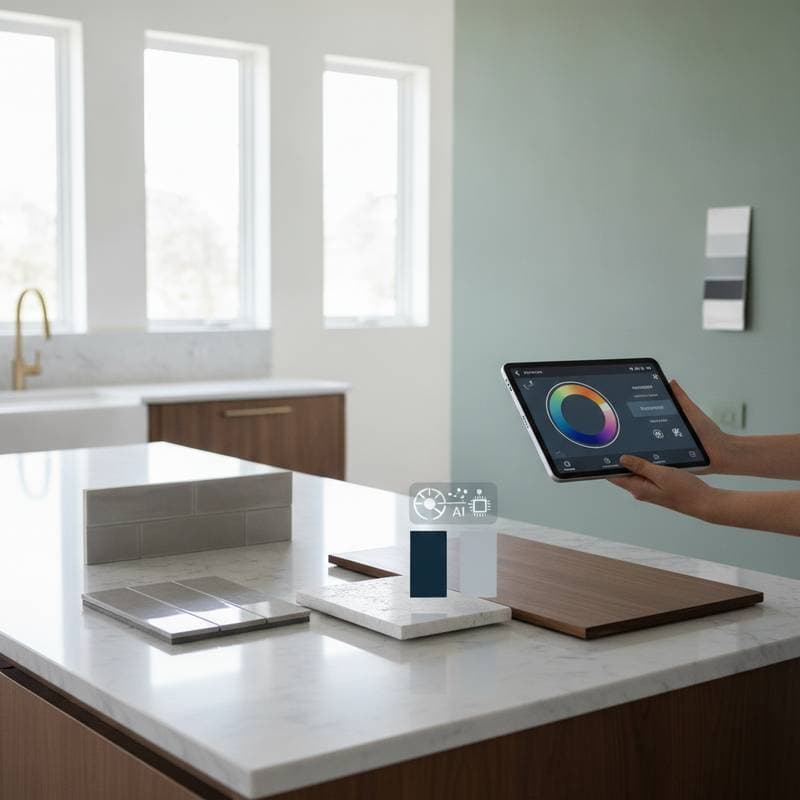
Homeowners can scan a tile sample in a showroom to view matching or contrasting paint choices from Behr or Valspar. The method supports experimentation without risk and allows full palette previews before any application begins.
Designers observe that this access encourages bolder selections. Deep tones such as Farrow and Ball Hague Blue or Benjamin Moore Kendall Charcoal are chosen with greater assurance once AI confirms compatibility with existing finishes.
Bridge Vision to Execution in Presentations
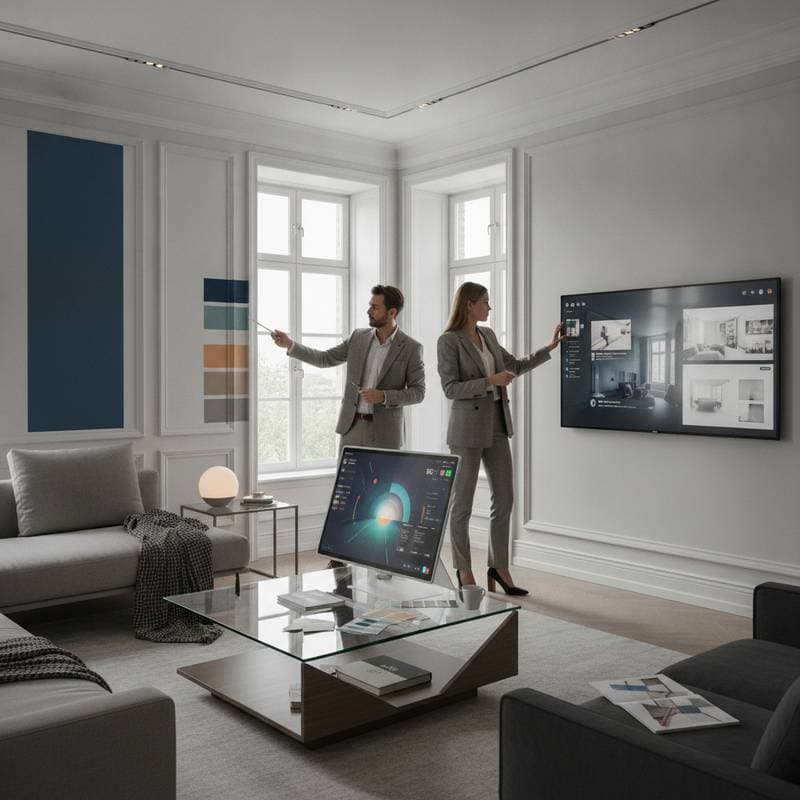
AI converts inspiration from digital boards or travel photos into actionable specifications. A single image of a weathered door can produce a palette that suits modern cabinetry. Designers project real-time simulations onto rendered models during client meetings. Clients move from hypothetical questions to specific approvals.
Apply AI Insights to Daily Design Decisions
AI color matching builds understanding of color relationships and supports design that respects architecture and lifestyle. In kitchens and baths, where function often takes priority, the technology returns artistry to color selection. Every tone serves a purpose, and every surface contributes to overall mood.
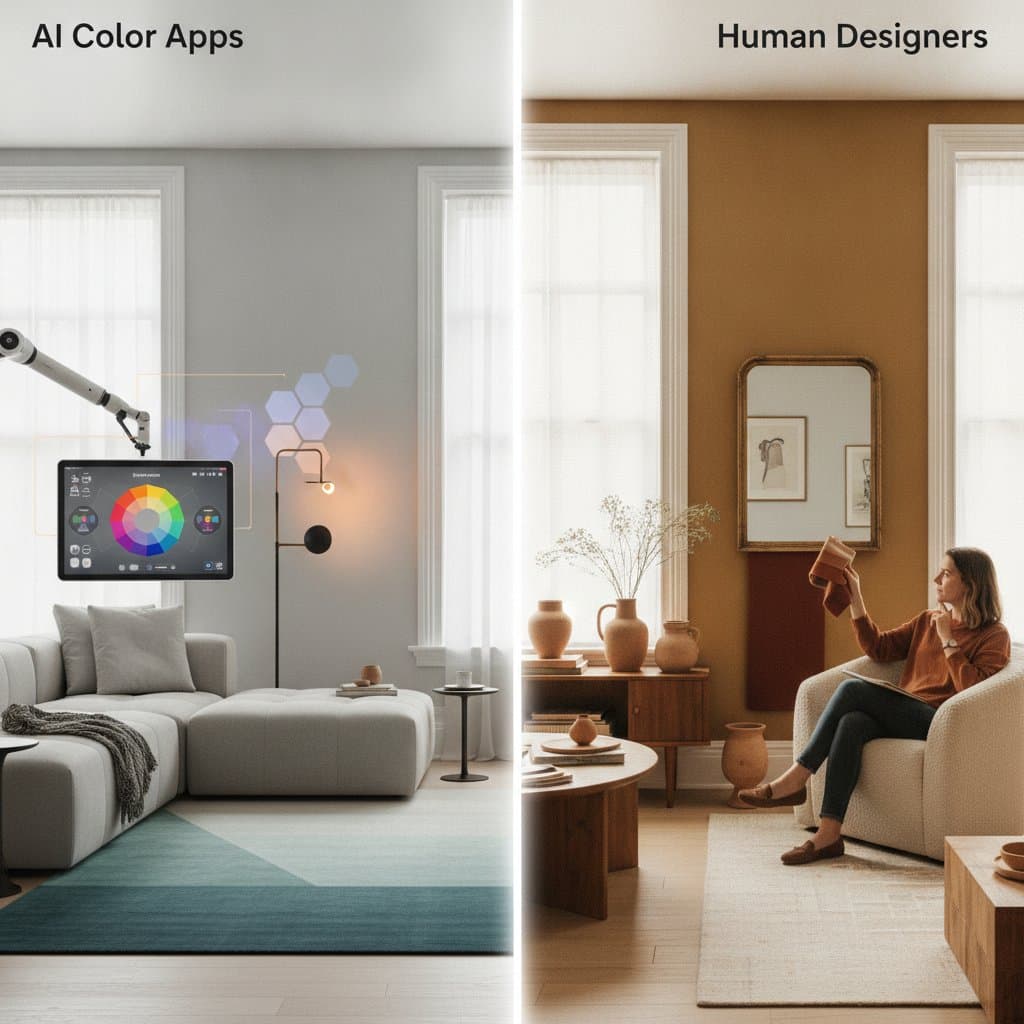
Designers continue to interpret how a shade appears in morning light and how it interacts with texture. Technology identifies the shade, yet human judgment determines its role in daily living.