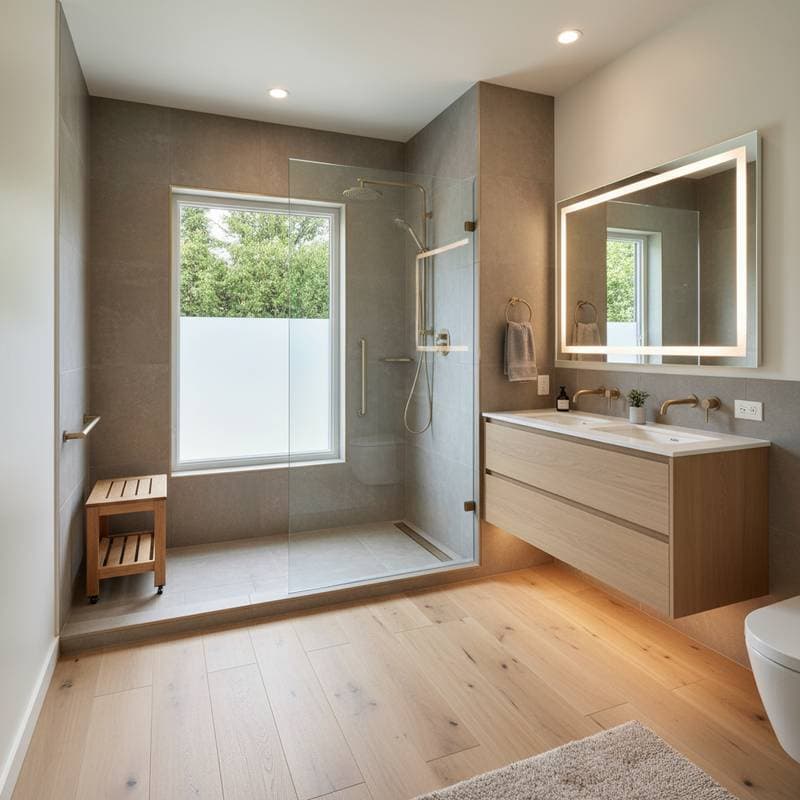
Universal Design Transforms Bathrooms for Long-Term Living
Homeowners nationwide reevaluate bathroom remodeling with a focus on universal design. This approach supports extended home occupancy by prioritizing accessibility alongside comfort. In my remodeling experience, clients increasingly seek designs that maintain appeal today while ensuring usability for decades ahead.
Universal design extends beyond basic aids like grab bars or widened doorways. It creates bathrooms suitable for all ages and abilities, integrating features that enhance safety without compromising aesthetics. Proper implementation ensures these elements harmonize with the home's overall decor.
Consequences of Postponing Remodeling
The most common error occurs when homeowners delay until a medical issue or accident necessitates changes. Such scenarios demand immediate action, heightening stress and expenses. Rushed projects often overlook meticulous planning or thorough contractor evaluation, leading to suboptimal outcomes.
Postponement also restricts feasible modifications. Adjustments such as repositioning plumbing for walk-in showers or strengthening walls for potential grab bars prove simpler and less costly during scheduled work. Later additions frequently double labor expenses and prolong completion times.
Financial Advantages of Universal Design
A prevalent assumption holds that universal design elevates upfront costs, yet evidence suggests otherwise. Incorporating accessibility during initial phases eliminates subsequent demolition expenses. For instance, a barrier-free shower incurs minimal additional cost at the outset, whereas converting a traditional setup later demands thousands in unforeseen fees.
Considerations like insurance premiums and property resale value further underscore benefits. Thoughtfully designed accessible bathrooms boost enduring worth and attract diverse purchasers. Real estate professionals increasingly emphasize these attributes when targeting senior or multigenerational households.
Frequent Challenges in Aging-in-Place Remodels
Projects falter most often due to inadequate preparation or misconceptions about spatial dynamics. Based on my observations, these five issues arise repeatedly:
-
Flawed Shower Configurations
Improperly sloped curbless showers lead to drainage failures and water intrusion. Such errors damage underlying structures and foster mold growth. Verify that contractors master linear drain installation and comprehensive waterproofing techniques for the shower base. -
Insufficient Maneuvering Area
Spaces appearing spacious initially may pose risks as mobility declines. Target a minimum five-foot turning radius for unobstructed movement. This provision simplifies routines for all users, including those reliant on mobility aids. -
Inadequate Illumination and Visual Cues
Dim lighting exacerbates visibility loss over time, elevating accident probabilities. Employ multilevel lighting for uniform brightness and steer clear of reflective finishes that produce glare. Differentiated hues on walls, floors, and fixtures delineate boundaries and minimize tripping hazards. -
Overlooked Support and Accessibility Ranges
Positioning towel bars in locations ideal for grab bars proves problematic, as they fail under weight. Fortify walls near toilets and showers preemptively, regardless of immediate installation plans. This preparation facilitates seamless future adaptations. -
Substandard Materials in Demanding Zones
Durable construction proves essential for sustained performance in aging-in-place settings. Shun lightweight doors, fragile flooring, or inexpensive fittings. Opt for robust surfaces, traction-enhanced tiles, and ergonomic lever handles to minimize upkeep demands.
Essential Elements of Universal Design Bathrooms
Effective universal design bathrooms harmonize security, ease, and visual appeal. I advocate these foundational components for clients:
-
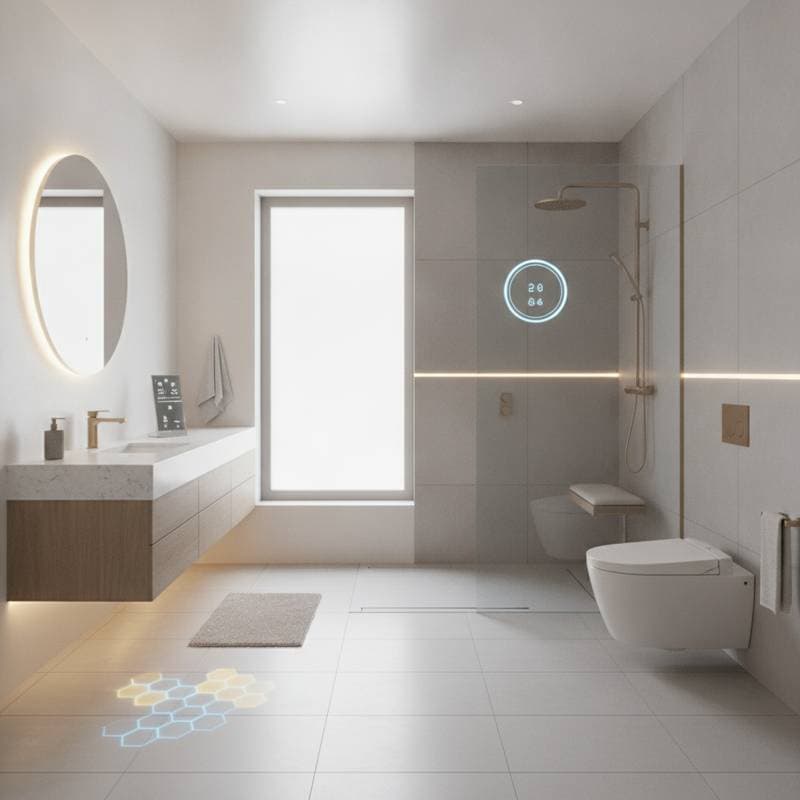
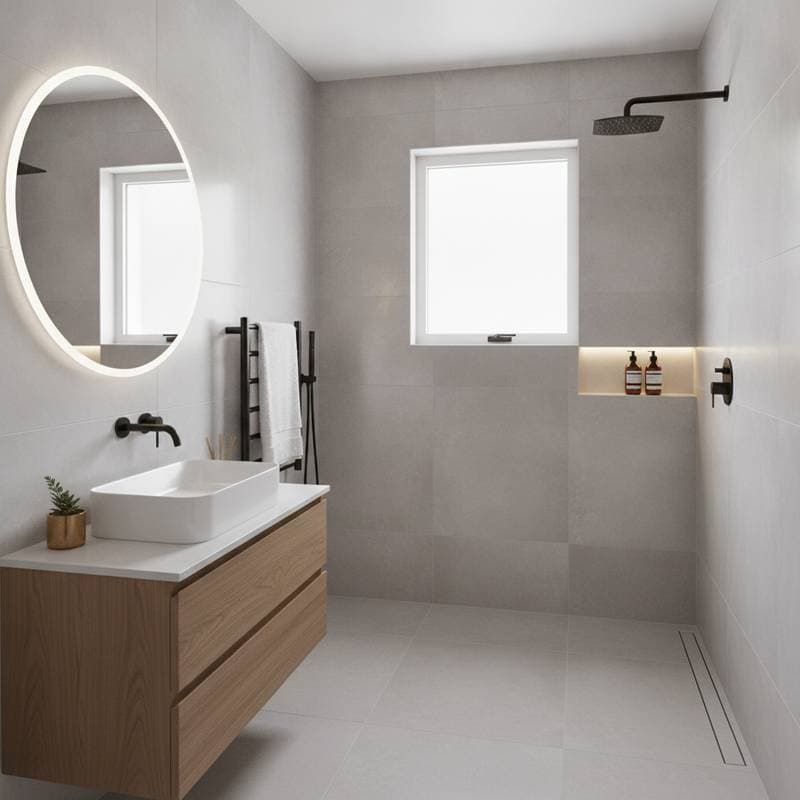
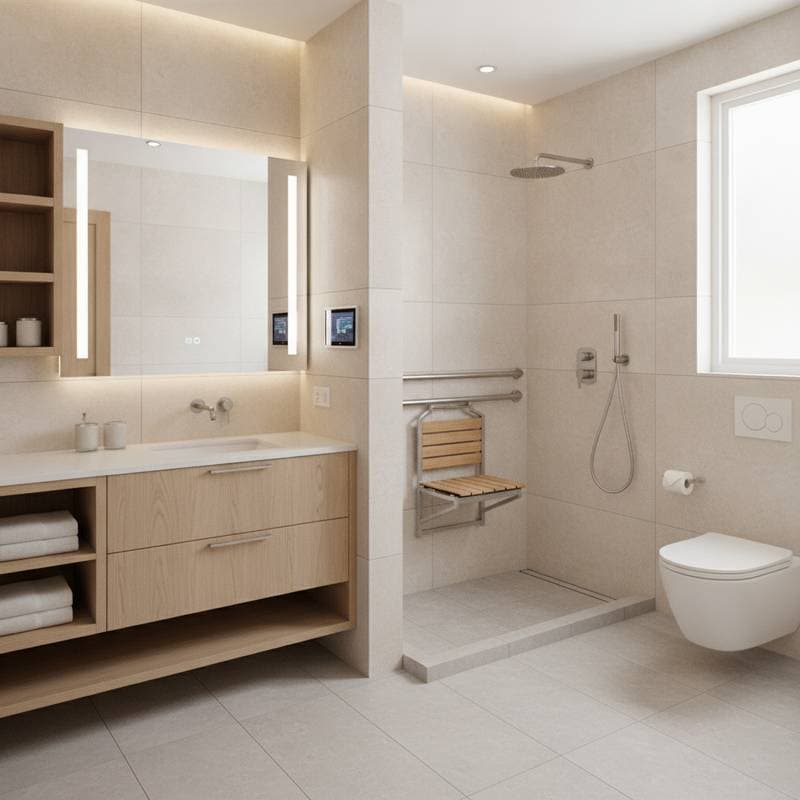
Zero-Threshold Showers
Removing entry steps curtails fall risks and accommodates varying mobility levels. Integrate trench or linear drains to direct water efficiently. -
Adjustable Handheld Showers
Slide bars enable height customization and support for seated showers. Select units featuring pause functions and textured grips for secure handling. -
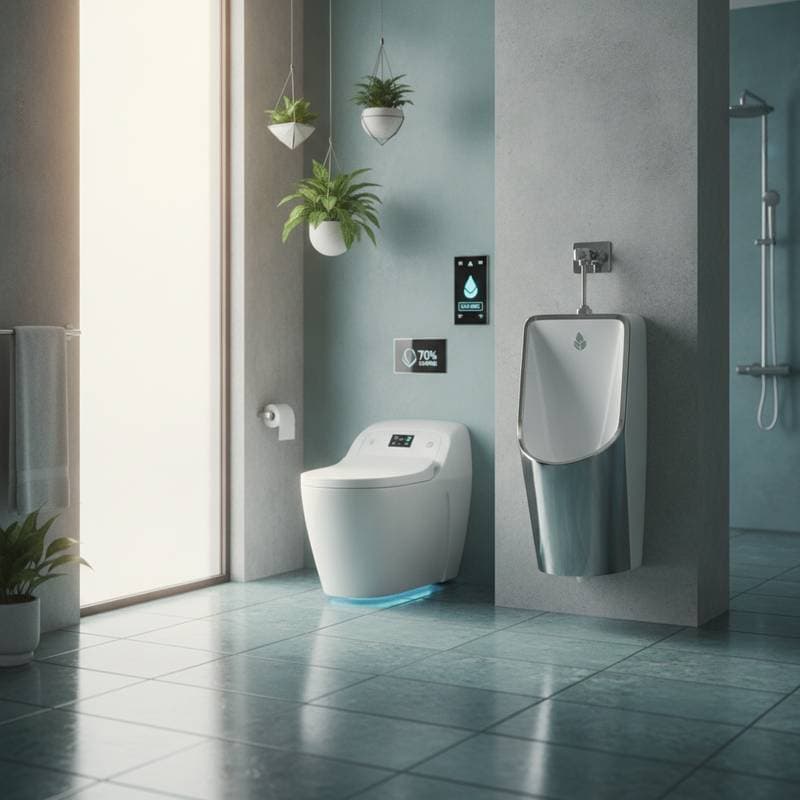
Elevated Comfort Toilets
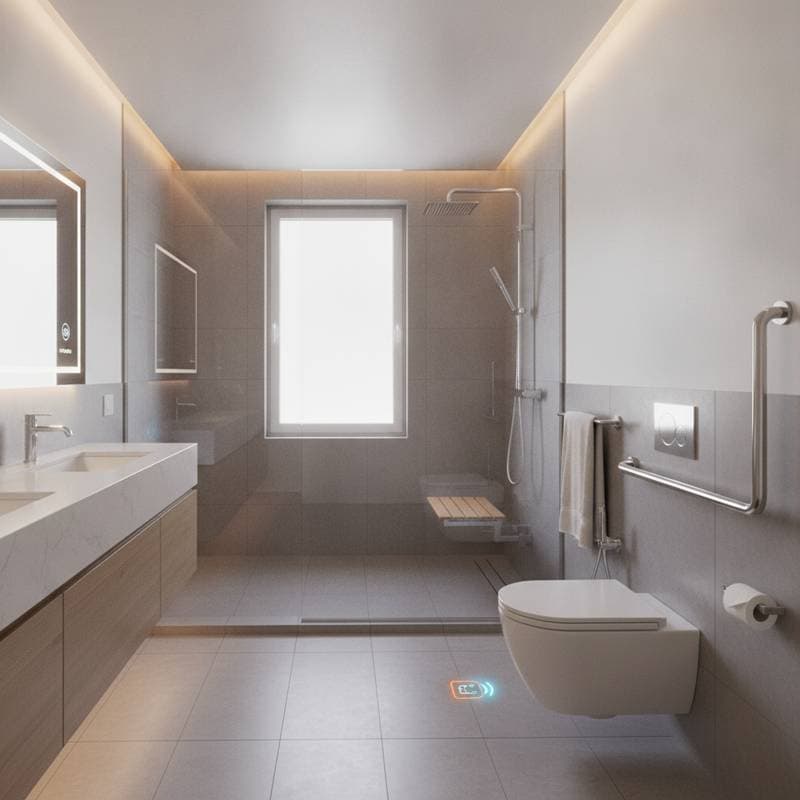
Seats measuring seventeen to nineteen inches high ease transitions. Complement with reinforced grab bars or built-in armrests for stability. -
Slip-Resistant Floor Surfaces
Choose matte porcelain or resilient vinyl certified for moist environments. Test material samples under wet conditions to assess grip reliability. -
Comprehensive Lighting Solutions
Layer ambient overhead lights with task-oriented sconces and low-level night illumination. Sensor-triggered options enhance nocturnal navigation. -
Spacious Entryways and Space-Saving Doors
Thirty-six-inch clearances suit assistive devices. Sliding pocket doors or outward-swinging variants optimize interior room without impeding access. -
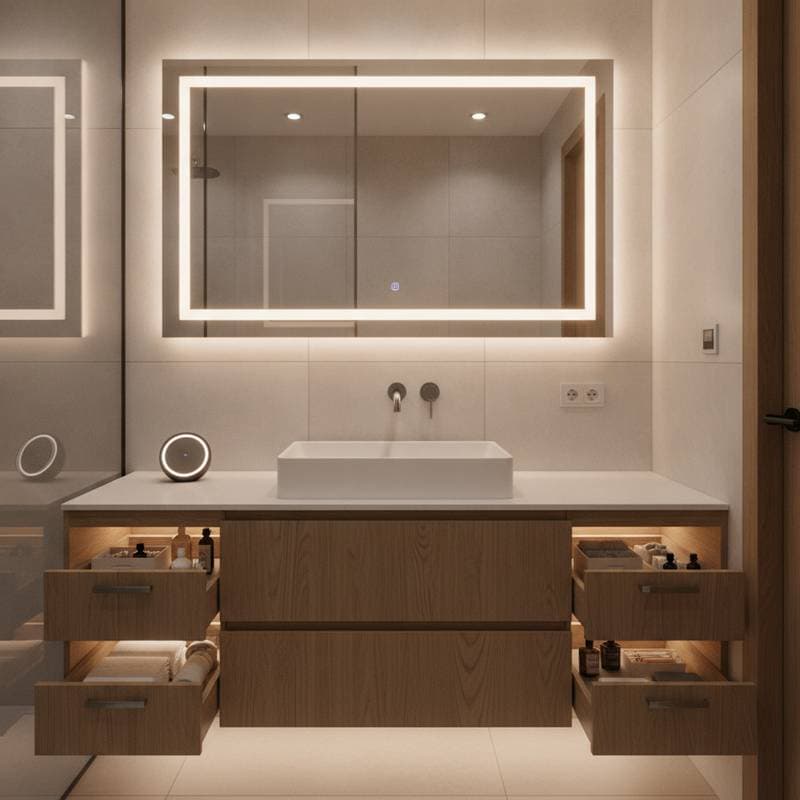
User-Friendly Vanity Setups
Pedestal or wall-hung sinks with open undersides permit wheelchair approach. Incorporate lever-operated or sensor-based faucets for effortless use.
Selecting and Vetting Contractors
Contractor choice rivals design importance in achieving success. Not all professionals grasp accessibility integration or aesthetic subtlety. Pose these inquiries prior to commitment:
- Do you possess experience with universal design or aging-in-place initiatives?
- Are you versed in guidelines from remodeling industry bodies?
- How do you address waterproofing, drainage, and structural reinforcements?
- Can you furnish references from comparable endeavors?
- Do you hold valid licensing, insurance, and bonding for local residential work?
Reputable contractors embrace such scrutiny. In my operations, I supply detailed plans, coverage documentation, and timelines before any payments. Demand equivalent professionalism from hires.
Fostering Effective Collaboration
Misalignments between clients and teams undermine even superior concepts. Universal design demands precise orchestration across plumbing, electrical, and finishing trades. Minor errors, such as inaccessible valve placements, undermine accessibility goals.
Document all specifications in writing, from fixture elevations to electrical layouts. Conduct frequent site reviews and voice concerns promptly. Skilled contractors value proactive involvement and provide candid progress reports.
Integrating Aesthetics with Practicality
Outdated views portray accessible bathrooms as utilitarian, yet modern options disprove this. Sleek grab bars serve dual purposes as towel holders, while patterned tiles elevate curbless showers. Custom-like vanities now support seated use without visual sacrifice. Prioritize utility first, then select finishes that echo your home's character.
Safeguarding Your Remodel Investment
Routine care preserves the longevity of accessibility upgrades. Examine seals, grout, and fixtures quarterly for wear. Tighten supports and refresh bulbs to sustain safety standards.
Embracing universal design for aging in place represents a strategic investment in well-being and equity. These bathrooms deliver enduring security, enjoyment, and market edge, demonstrating that thoughtful adaptation elevates living spaces for all.