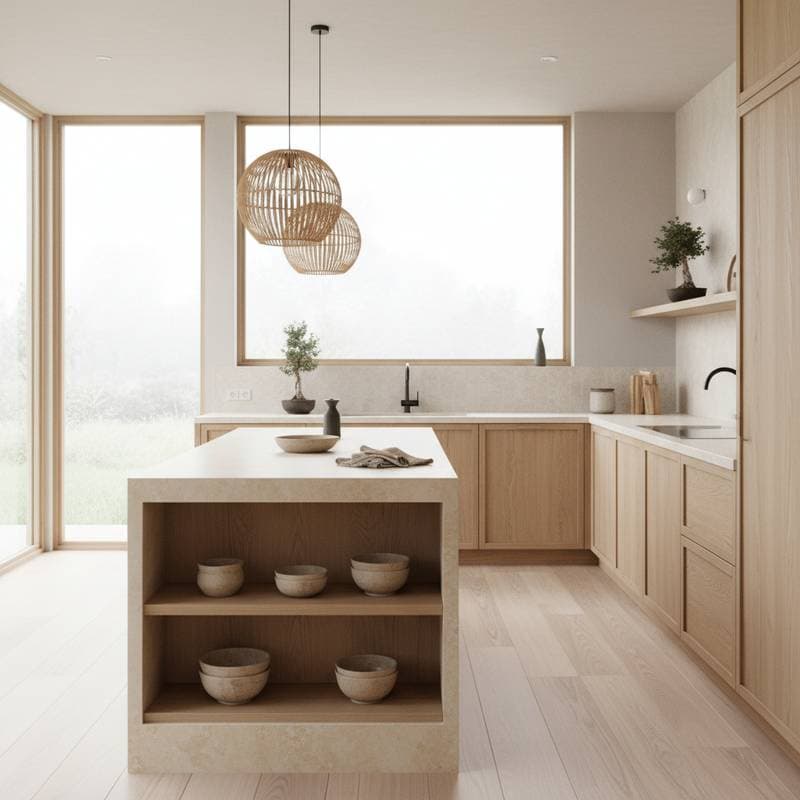
How Japandi Kitchens Infuse Warmth into Minimalist Design for 2025
Minimalism offers clarity through simplicity, but it sometimes lacks emotional depth in residential settings. Japandi design addresses this by combining Japanese wabi-sabi principles of imperfection and transience with Scandinavian hygge's emphasis on comfort and well-being. In kitchens, this blend manifests through tactile materials, deliberate spatial arrangements, and subtle craftsmanship that invite daily interaction. As design trends evolve toward 2025, Japandi kitchens emerge as a sophisticated evolution of minimalism, prioritizing warmth without excess.
These spaces balance form and function, creating environments that feel both contemporary and rooted in tradition. Natural elements ground the design, while thoughtful details enhance usability. The result is a kitchen that serves as a sanctuary, encouraging presence and connection amid routine tasks.
The following ten features illustrate how Japandi principles elevate minimalist kitchens. Each element contributes to an atmosphere of calm sophistication, guiding homeowners toward practical implementation.
1. Muted Color Palettes that Comfort
Japandi relies on subdued hues to establish a soothing backdrop. Soft neutrals such as Farrow & Ball's Skimming Stone or Benjamin Moore's Revere Pewter form the foundation, layered with subtle tonal shifts for depth. These colors steer clear of harsh whites, opting instead for warm grays and beiges that mimic natural landscapes.
Pair these wall treatments with backsplashes in clay-toned ceramics or linen-inspired tiles to ensure seamless transitions. This approach creates a unified visual field that envelops the space in tranquility, making the kitchen feel expansive yet intimate.
2. Natural Wood Elements for Organic Texture
Wood serves as a cornerstone in Japandi kitchens, introducing warmth through its inherent grain and patina. Select species like oak or walnut for cabinetry and countertops, finished with oils that highlight natural variations rather than uniform stains.
Integrate open shelving with reclaimed timber to display select pottery or herbs, fostering a sense of lived history. This material choice not only softens stark lines but also promotes sustainability, as responsibly sourced woods age gracefully over time.
3. Sustainable Materials and Honest Craft
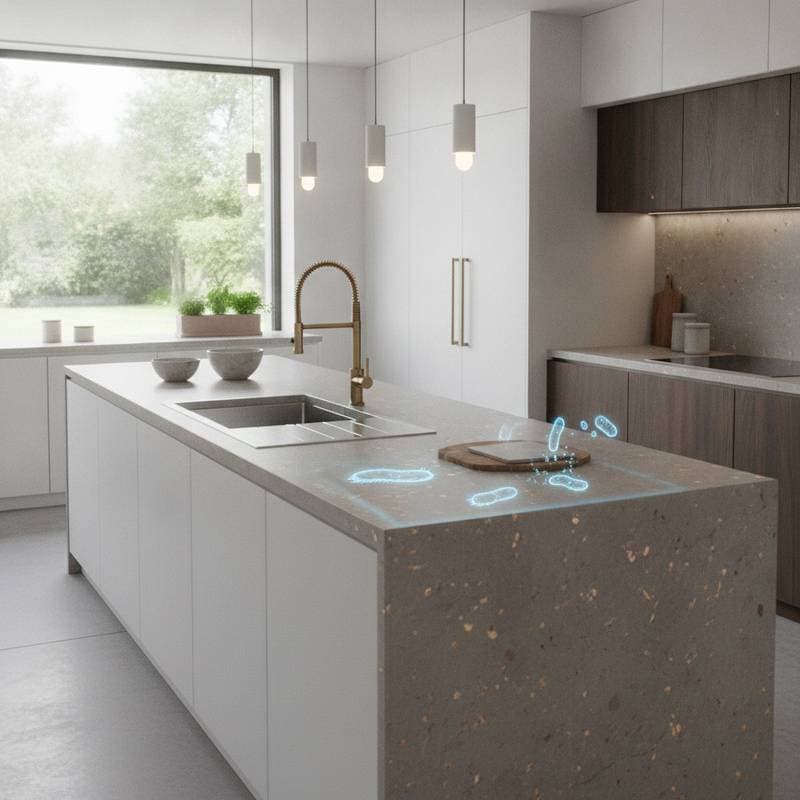
Sustainability underpins Japandi philosophy, emphasizing materials that endure without environmental cost. Kitchens by Reform Copenhagen exemplify this with cabinet fronts from recycled wood fibers and eco-certified veneers, paired with countertops in terrazzo or sintered stone for resilience.
Focus on modular systems that allow future adaptations, reducing waste. Such choices align craftsmanship with longevity, resulting in spaces that support ethical living while maintaining aesthetic integrity.
4. Handcrafted Details for Subtle Artistry
Artisanal touches elevate Japandi kitchens beyond mass production. Incorporate hand-thrown ceramic sinks or forged metal hardware to add unique imperfections that celebrate human skill.
These elements, like a custom wooden cutting board integrated into the island, invite tactile engagement. They transform functional areas into expressions of creativity, ensuring the design remains personal and evolving.
5. The Power of Negative Space
Drawing from Zen influences, Japandi embraces emptiness as an active design component. Keep countertops mostly clear, reserving space for a single vase or cutting board to emphasize presence over accumulation.
Edit shelving to feature only essential items, arranged with deliberate spacing. This practice cultivates mindfulness, allowing the architecture to breathe and users to focus on the moment without distraction.
6. Integrated Lighting for Gentle Ambiance
Lighting in Japandi kitchens favors layered, diffused sources over bright overhead fixtures. Pendant lights in rice paper or frosted glass cast soft glows, while under-cabinet strips in warm LEDs highlight textures without glare.
Incorporate natural light through strategically placed windows or skylights, framed by sheer linen curtains. This setup enhances the serene mood, making evening meal preparations feel inviting and restorative.
7. The Art of Concealed Functionality
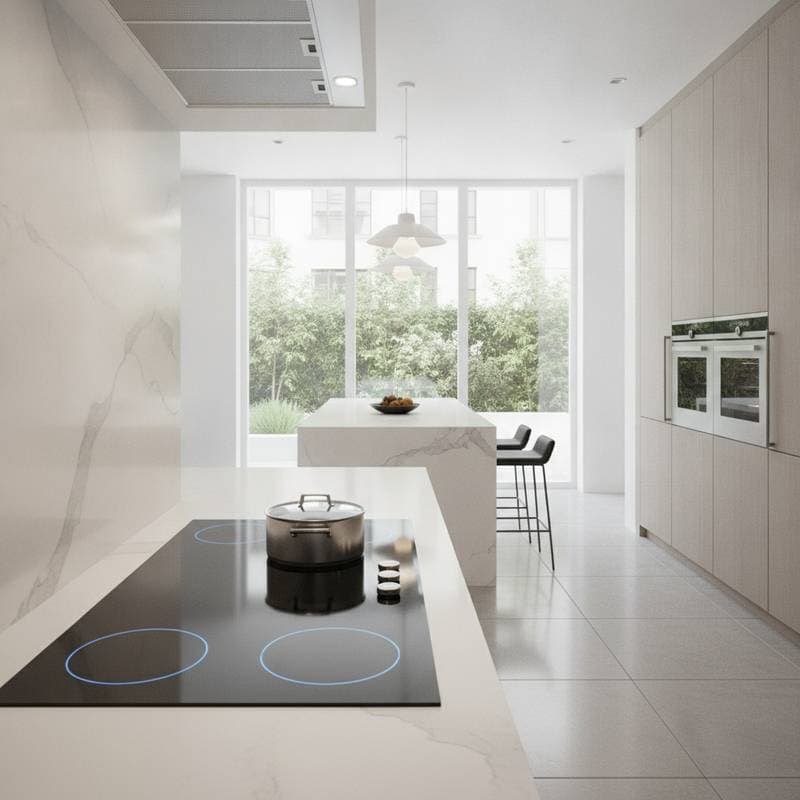
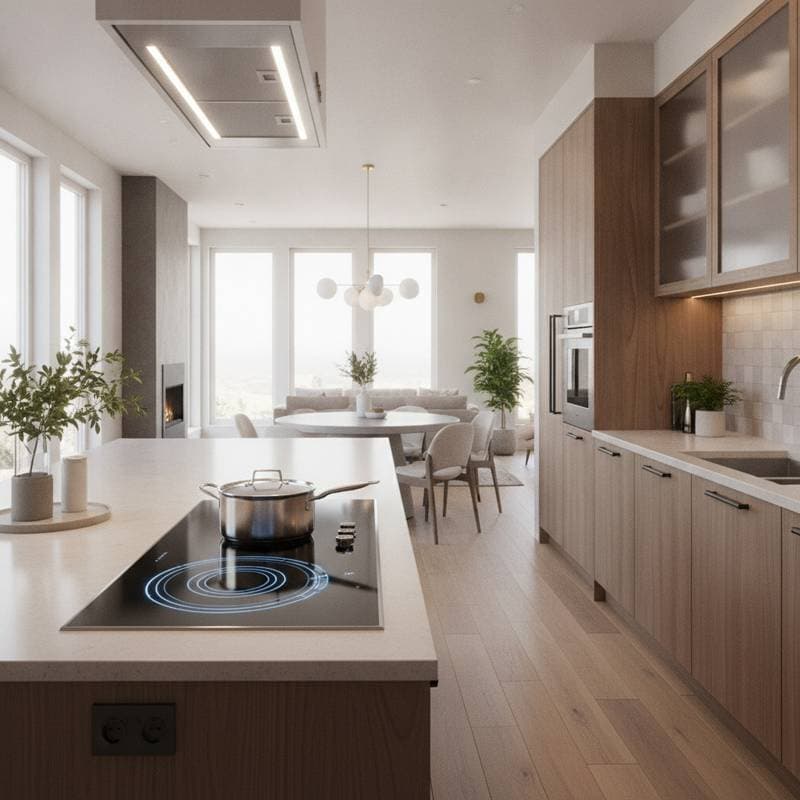
Japandi refines minimalism by embedding utility within clean surfaces. Cabinetry from Norm Architects or Studio KO hides appliances behind seamless panels, using handleless designs with subtle finger pulls.
Apportion storage zones for pantry items and utensils, ensuring accessibility without visual disruption. This method preserves the room's rhythmic flow, supporting efficient workflows in a clutter-free environment.
8. Organic Forms and Fluid Lines
Straight edges yield to gentle curves in Japandi aesthetics, softening the rigidity of traditional minimalism. Opt for rounded cabinet corners or ergonomic handles shaped from bamboo, which guide movement intuitively.
Islands with tapered legs or arched aprons introduce subtle dynamism. These forms promote comfort during prolonged use, harmonizing with the body's natural contours for a more empathetic space.
9. Textural Layers for Tactile Depth
Varied textures prevent monotony, adding richness through contrast. Combine smooth stone surfaces with woven rattan drawer fronts or linen-upholstered stools, each contributing to sensory interest.
Introduce elements like cork flooring underfoot or pebble mosaics in splash zones for grip and warmth. This layering invites touch and exploration, deepening the emotional connection to the kitchen.
10. Mindful Layouts for Intuitive Flow
Spatial planning in Japandi prioritizes efficiency rooted in daily habits. Arrange the work triangle with ample clearance around the sink, stove, and refrigerator, incorporating zones for prep and serving.
Use low dividers or half-walls to delineate areas without enclosing them, preserving openness. This configuration supports collaborative cooking, turning the kitchen into a hub for family interaction.
Incorporating Personal Elements
Japandi design thrives on restraint, yet it accommodates subtle personalization to reflect individual stories. Introduce a heirloom knife block or a collection of mismatched ceramics on an open shelf, ensuring they complement the palette.
Select accents like a patinated copper faucet or a handwoven basket for linens, which evolve with use. These additions infuse character, preventing the space from appearing impersonal while upholding overall harmony.
Building Lasting Kitchen Harmony
Japandi kitchens redefine minimalism by emphasizing human-centered design. Honest materials and intentional layouts foster environments that adapt to life's rhythms, promoting well-being through simplicity.
Homeowners gain practical strategies for creating resilient spaces that withstand trends. Ultimately, these designs nurture daily rituals, transforming the kitchen into a source of enduring comfort and inspiration.