Why Induction Ranges Are Surpassing Gas Stoves in 2025
Imagine standing in your kitchen, preparing to cook dinner. You ignite the gas cooktop, and a blue flame appears. This method feels familiar, yet you may question if a superior alternative exists. Induction ranges offer faster heating, greater energy efficiency, and cooler kitchen conditions. The time to transition might be now.
Homeowners across the country share this consideration. Induction cooking rises in popularity as municipalities impose stricter regulations on gas connections and individuals seek cleaner, more efficient options. If uncertainty persists about induction's advantages, this guide provides a detailed explanation of its operation, expenses, and reasons for the growing adoption.
How Induction Technology Functions
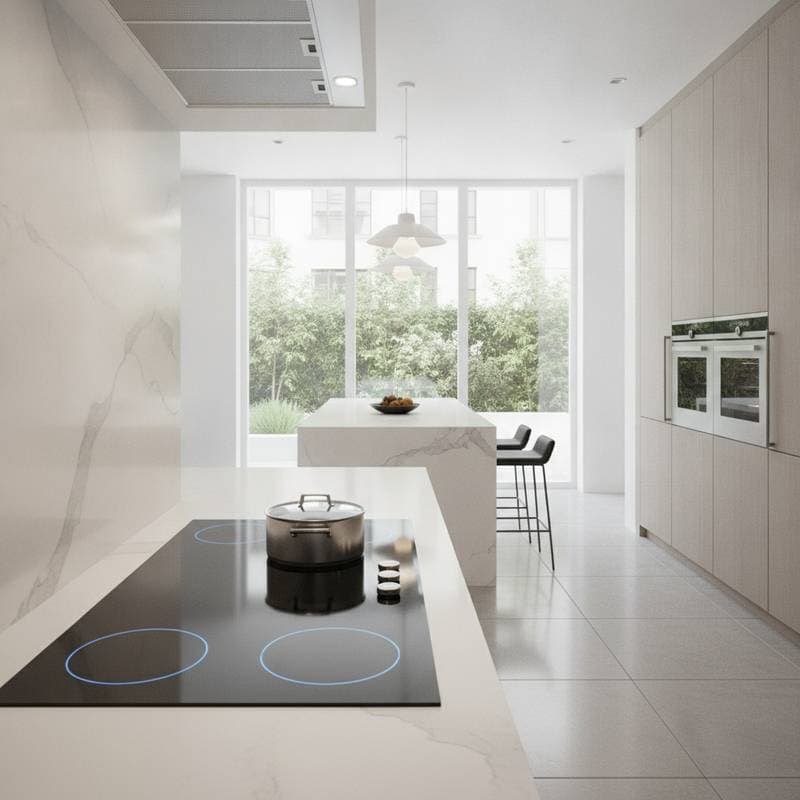
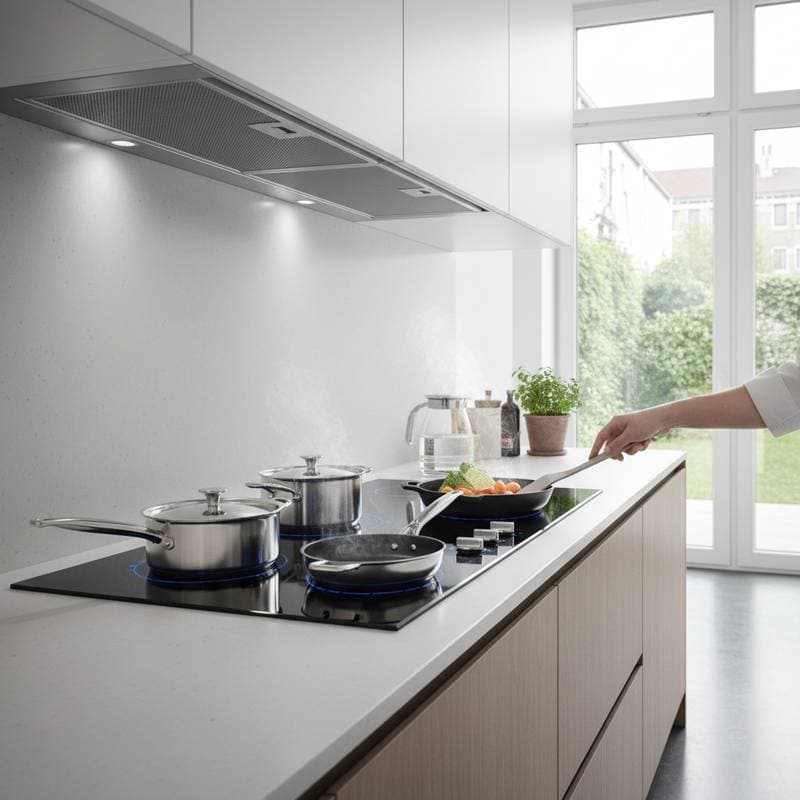
Induction ranges employ electromagnetic fields to heat cookware directly, bypassing the need to warm the surrounding air or burner surface. The cooktop remains cool during operation, with the pan serving as the primary heat source. This approach ensures rapid heating, accurate temperature regulation, and minimal energy loss to the environment.
Gas stoves rely on combustion of natural gas or propane to produce flames that heat food. While this method allows immediate flame adjustment, it also emits carbon dioxide, nitrogen dioxide, and excess moisture indoors. Traditional electric coil or radiant glass-top stoves heat gradually and diminish in efficiency with use. Induction merges gas-like responsiveness with electric precision, eliminating emissions and open flames.
Everyday Advantages of Induction Cooking
Homeowners select induction over gas for several compelling reasons. These benefits enhance daily cooking routines:
- Rapid and Accurate Heating: Water reaches a boil up to twice as quickly on an induction surface. Adjustments to settings produce instant temperature shifts, reducing risks of overcooked dishes and improving results for searing meats or simmering sauces.
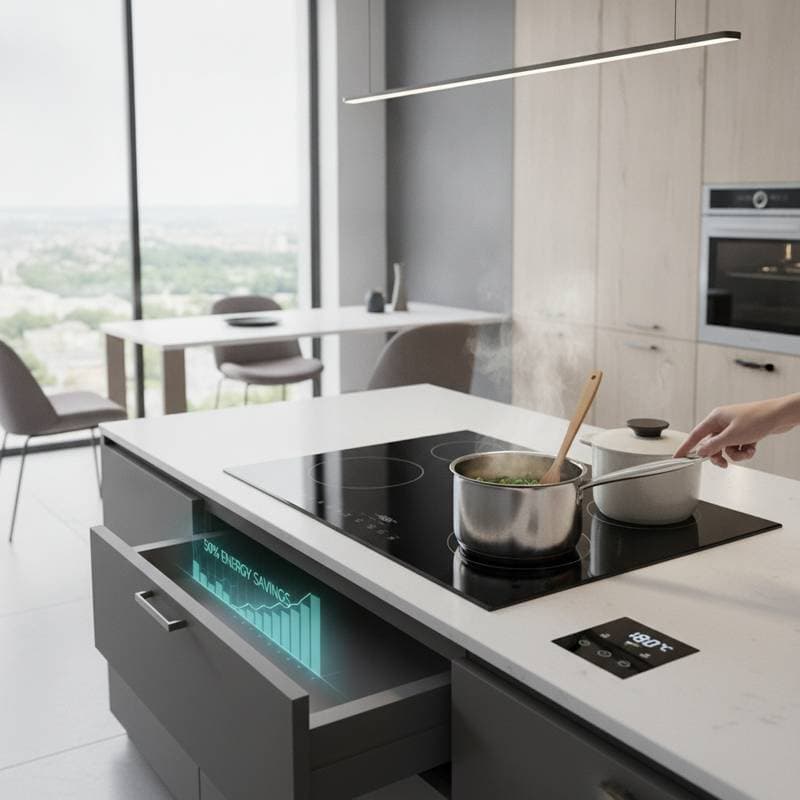
- Superior Energy Use: Approximately 90 percent of energy transfers directly to the cookware. In contrast, gas achieves only about 40 percent efficiency, with much of the heat dissipating unused.
- Improved Indoor Air Quality: Without combustion, induction avoids releasing harmful pollutants. This feature proves especially valuable for households managing asthma, allergies, or respiratory sensitivities.
- Comfortable Kitchen Temperatures: The cooktop surface heats minimally, preserving a cooler ambient space. This advantage shines in warmer regions or during extended cooking sessions.
- Simplified Maintenance: Spills remain easy to remove since they do not adhere to a hot surface. A simple wipe-down suffices for most cleaning tasks, saving time and effort.
Expenses Involved in the Transition
Prices for induction ranges have become more accessible, though initial investments exceed those for gas models. Consider this breakdown for informed planning:
- Basic Models: Expect $1,000 to $1,400 for a freestanding unit with standard features.
- Intermediate Choices: Prices range from $1,800 to $2,800 for ranges with additional burners, convection capabilities, and enhanced controls.
- High-End Selections: Units start at $3,000, incorporating smart technology, adaptable cooking zones, and sleek designs suited for professional kitchens.
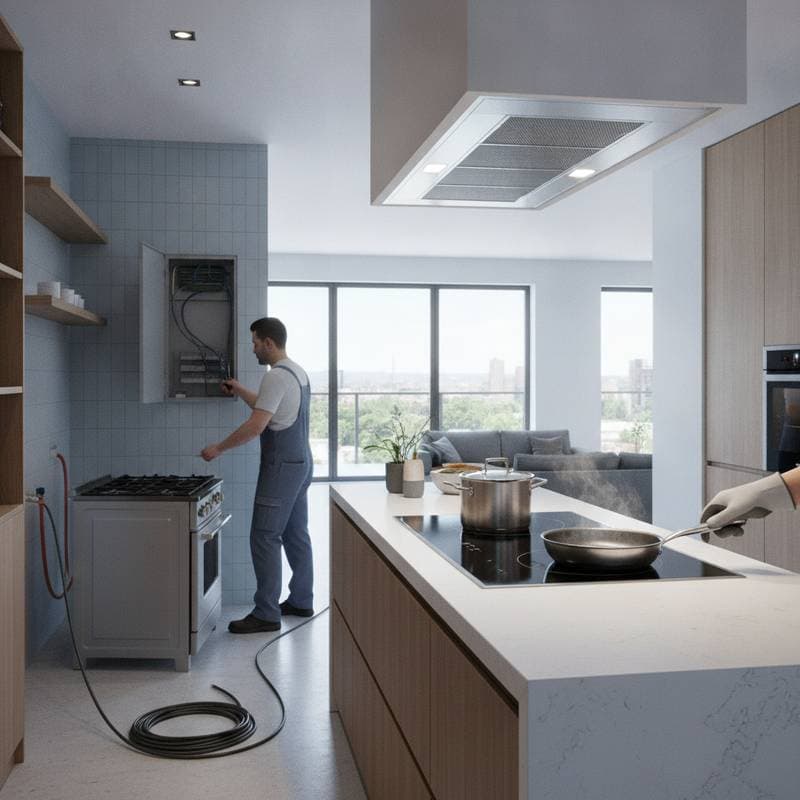
Upgrading from an existing electric range requires minimal effort, as most induction models connect to a standard 240-volt outlet. Switching from gas involves hiring an electrician to install a dedicated circuit, costing $300 to $600. Capping or removing the old gas line adds $100 to $200.
Compatible cookware represents another consideration. Pots and pans must feature ferromagnetic bases, such as cast iron or specific stainless steel alloys. Test existing items by checking if a magnet adheres securely to the bottom. If replacement becomes necessary, a starter set of induction-compatible cookware ranges from $150 to $300.
Safety Features and Upkeep
Induction stands out as one of the safest cooking methods available. The absence of open flames eliminates risks of gas leaks or direct burns. Surfaces cool rapidly after deactivation, minimizing injury from accidental touches. Even so, observe these guidelines for optimal safety:
- Avoid placing metal utensils or aluminum foil near energized zones.
- Select cookware that fully spans the induction area to ensure even heating.
- Engage a certified electrician for all electrical modifications.
Upkeep remains straightforward. Clean the glass top promptly after use with a soft cloth and mild cleaner, steering clear of abrasives. Without gas components like burners or grates, routine maintenance demands far less effort than traditional stoves.
Broader Environmental and Policy Influences
Numerous areas now promote or mandate gas-free appliances in new constructions to curb greenhouse gas emissions. Induction aligns seamlessly with these requirements, functioning on electricity that integrates with solar panels or other renewables. For those contemplating kitchen updates, adopting an all-electric setup supports long-term compliance and sustainability goals.
Assessing Value Over Time
The initial outlay for induction may seem substantial, yet sustained savings and enhanced performance provide strong returns. Reduced utility expenses, lower repair needs, and healthier living spaces contribute to overall worth. Homeowners who value meticulous control, expedited preparation, and tidy environments find induction enhances their routines.
For cooks favoring curved vessels like woks or the visual appeal of flames, hybrid ranges offer a compromise. These models combine one gas element with multiple induction zones, blending traditions with innovation.
Steps to Adopt Induction Successfully
Switching to induction requires deliberate preparation rather than complexity. Begin by evaluating your home's electrical setup and financial parameters. Experiment with a portable induction unit, priced under $100, to experience the technology firsthand before committing to a full installation.
Induction ranges extend beyond passing fads through their efficiency, security, and air purity benefits. They enable a forward-thinking approach to cooking that streamlines daily tasks while promoting well-being in the home.