The Transition to Induction Cooking in 2025
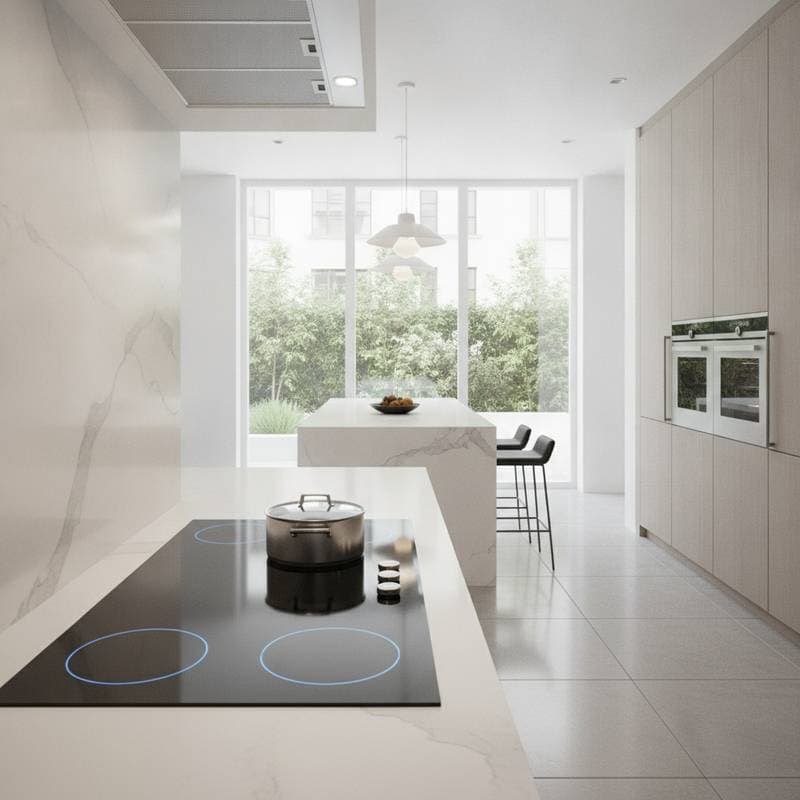
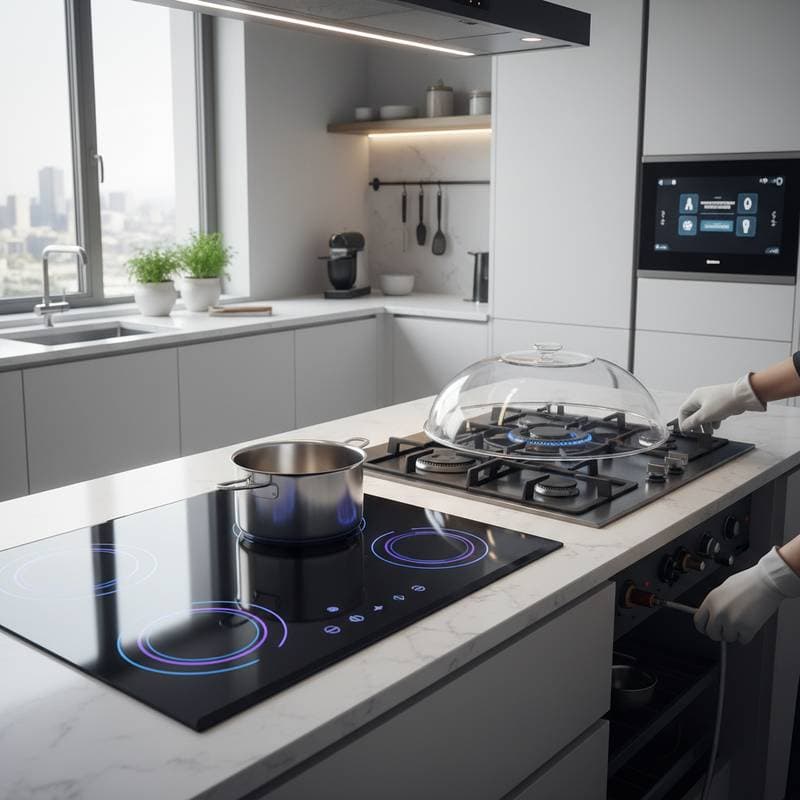
Appliance retailers increasingly display modern glass surfaces rather than traditional gas ranges. Homeowners who previously valued the precision of open flames now appreciate the responsiveness of electromagnetic heating and reduced utility expenses. Numerous individuals contemplate replacing gas burners with induction models amid this evolving landscape.
Gas stoves have represented professional-grade performance for decades. However, heightened awareness of indoor air pollution, energy conservation, and environmental responsibility prompts many to explore induction alternatives. The shift toward electrified cooking solutions accelerates, influenced by technological advancements and regulatory measures.
This resource examines the factors propelling the decline of gas cooking, delineates induction mechanics, outlines conversion expectations, and estimates expenses. Readers gain insights into selecting appropriate equipment and readying their kitchens for this change.
Fundamentals of Induction Technology
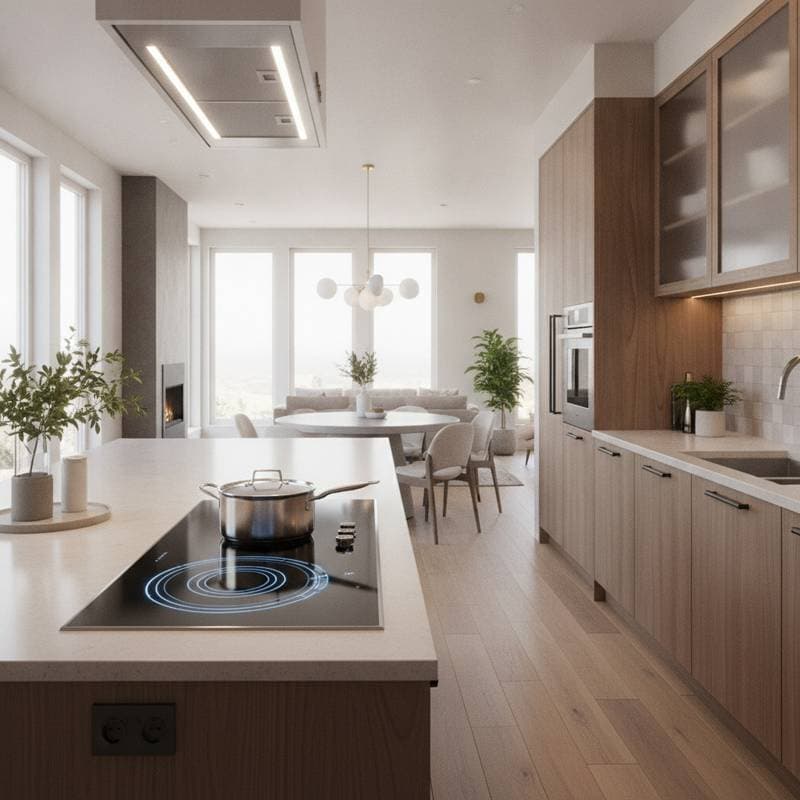
Induction cooktops employ electromagnetic induction to generate heat within compatible cookware. This method differs from gas flames or resistive electric coils, as the underlying surface remains cooler during operation. Heat transfers solely to the pot or pan base.
Daily cooking experiences improve in several ways with this technology.
- Precise temperature adjustments occur rapidly, offering control comparable to gas with enhanced granularity.
- Heating accelerates tasks such as bringing liquids to a boil or browning proteins.
- Safety enhances due to the absence of exposed flames, minimizing burn and ignition hazards.
- Maintenance simplifies, as residues do not adhere firmly to the surface, allowing quick wiping with a damp cloth.
Compatibility requires ferromagnetic materials in cookware. Test by attaching a magnet to the vessel base; secure adhesion confirms suitability. Non-magnetic options like pure aluminum, copper, or glass demand specialized bases for induction use.
To maximize performance, select pots and pans sized to match burner dimensions. This ensures efficient energy transfer and uniform cooking results. Over time, users often acquire full induction-compatible sets to optimize their setups.
Evaluating Expenses and Efficiency
A thorough cost analysis includes initial outlays and ongoing operational impacts. Induction systems present a balanced investment when viewed holistically.
Initial Expenses
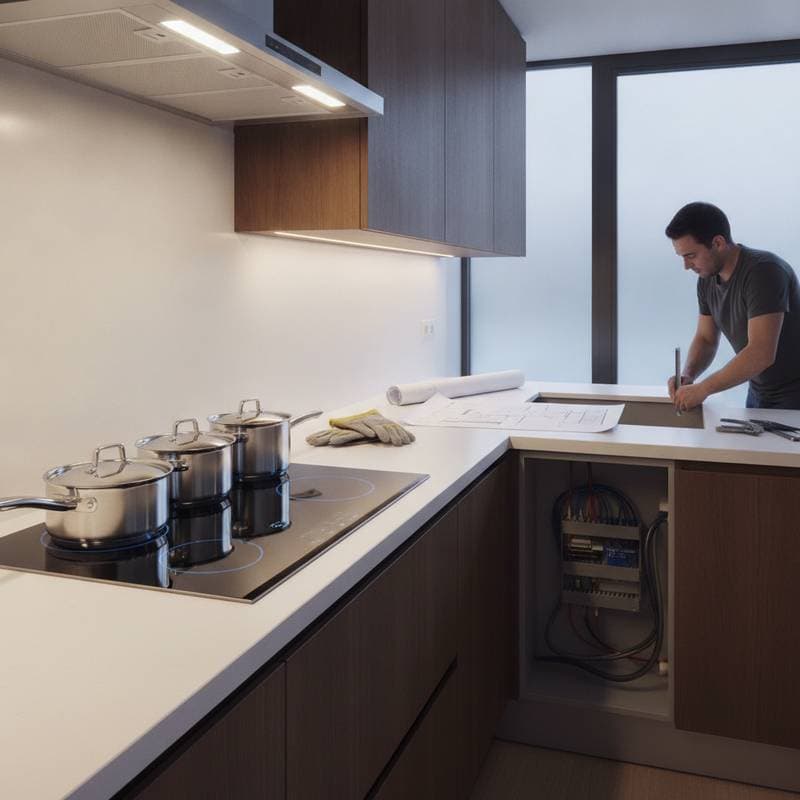
Professional installation varies by home configuration and local labor rates. Budget for comprehensive electrical assessments to avoid surprises.
| Component | Cost Range |
|---|---|
| Induction Cooktop Unit | $1,000 - $2,500 |
| Electrical Panel or Wiring Upgrade | $300 - $1,200 |
| Gas Line Disconnection and Capping | $150 - $400 |
| Professional Installation Fees | $200 - $500 |
| Total Estimated Cost | $1,650 - $4,600 |
Factors influencing these figures include kitchen layout complexity and existing infrastructure. Homes with adequate 240-volt circuits may incur lower electrical costs. Consult multiple contractors for accurate quotes tailored to specific needs.
Long-Term Efficiency and Savings
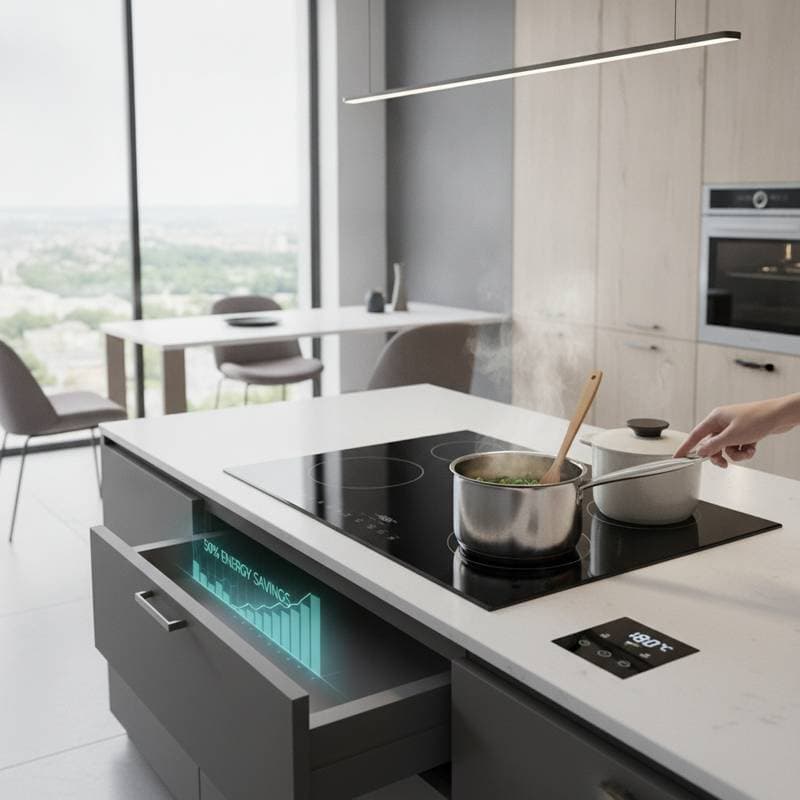
Induction units convert energy to heat more effectively than gas counterparts, often consuming 10 to 20 percent less overall. Electricity pricing fluctuates by region, yet many report negligible monthly increases offset by other gains. Kitchens require less ventilation and air conditioning, further lowering household energy demands.
Annual savings accumulate through reduced waste and maintenance. For instance, efficient boiling reduces cooking times by up to 50 percent compared to gas. Over a decade, these efficiencies can recoup a portion of the upfront investment, particularly in areas with rising gas prices or efficiency rebates.
Navigating Safety and Regulatory Requirements
Treat the upgrade as a code-compliant endeavor involving electrical and potential plumbing adjustments. Local building authorities mandate permits for circuit modifications and gas disconnections in most jurisdictions. Engage certified professionals to manage applications and coordinate inspections.
Prioritize contractors experienced in induction projects. Verify credentials through licensing boards, request client testimonials, and review liability insurance. Proper execution prevents hazards like electrical overloads or residual gas leaks, which demand costly remediation.
Post-installation, conduct functionality tests under supervision. Ensure circuit breakers align with unit specifications, typically 40 to 50 amps. Adhering to these protocols safeguards occupants and preserves warranty validity.
Adapting to Induction in Everyday Use
Adjustment to induction cooking proves swift for most users. The immediate response facilitates delicate tasks like maintaining gentle simmers or achieving perfect sears. Simplified cleaning encourages more home-prepared meals, as evenings conclude with minimal effort.
Preserve the cooktop's longevity through these practices.
- Employ vessels with flat, smooth bases for optimal heat distribution.
- Lift rather than slide cookware to avoid surface abrasions.
- Address spills promptly using non-abrasive cleaners.
- Utilize protective mats for resting heated items outside active zones.
Experiment with built-in features such as boost modes for rapid heating or timers for unattended operations. These elements enhance versatility, accommodating diverse culinary techniques from baking preparations to gourmet frying.
Steps to Upgrade Your Kitchen
Begin the process by assessing current setup compatibility. Measure available space and evaluate electrical capacity with a qualified inspector. Research models from reputable brands, focusing on burner configurations that suit family cooking patterns.
Secure financing options if needed, including manufacturer incentives or utility rebates for energy-efficient appliances. Schedule installations during off-peak seasons to minimize disruptions. With careful planning, the switch to induction equips kitchens for sustainable, high-performance cooking well into the future.