The Transition to Induction: Why Gas Stoves Are Fading by 2025
In my role as a remodeling contractor, I have observed numerous shifts in kitchen design over the years. Countertops evolved from granite to quartz, lighting progressed from fluorescents to recessed LEDs, and now gas cooking yields to induction technology. This evolution stems from priorities beyond aesthetics: safety, regulatory compliance, and sustained efficiency. Homeowners who overlook this change may commit resources to an outdated system facing obsolescence.
The Reasons Gas Cooking Is Declining
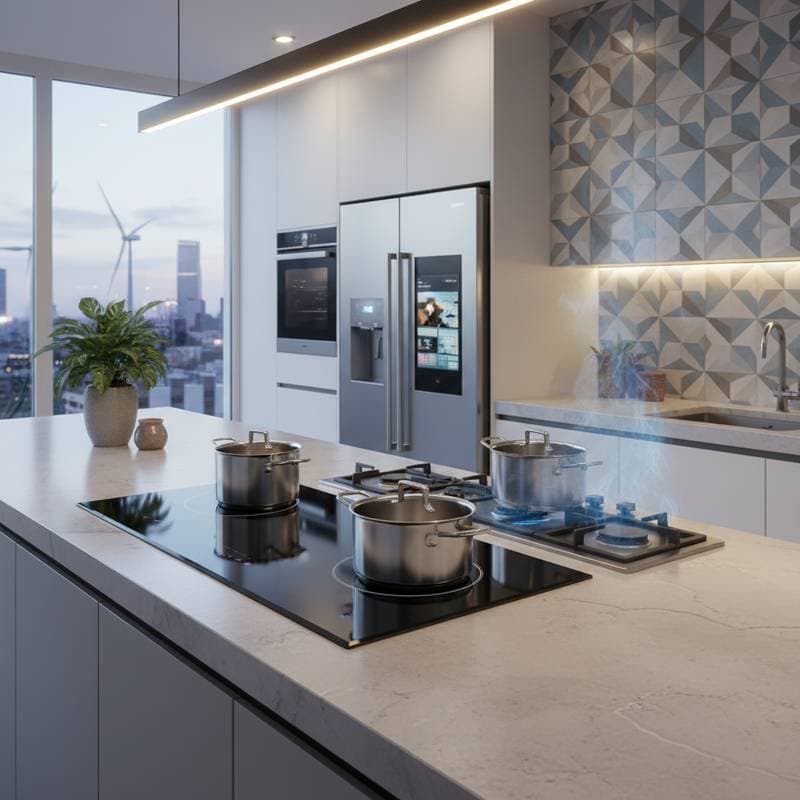
Gas stoves long held appeal for their visible flames and responsive heat adjustment, attracting both professional chefs and dedicated home cooks. However, the combustion process emits nitrogen dioxide, carbon monoxide, and additional pollutants that compromise indoor air quality. With stricter building codes emerging, numerous cities and states prohibit new gas infrastructure, promoting electric alternatives instead.
Beyond environmental considerations, practical factors drive this decline. Gas infrastructure demands regular maintenance, leak inspections, and periodic replacements. Electric setups require far less attention after initial installation. Coupled with escalating natural gas prices and the broader movement toward electrified residences, these elements render gas less viable from a cost and convenience standpoint.
Understanding Induction Cooktop Mechanics
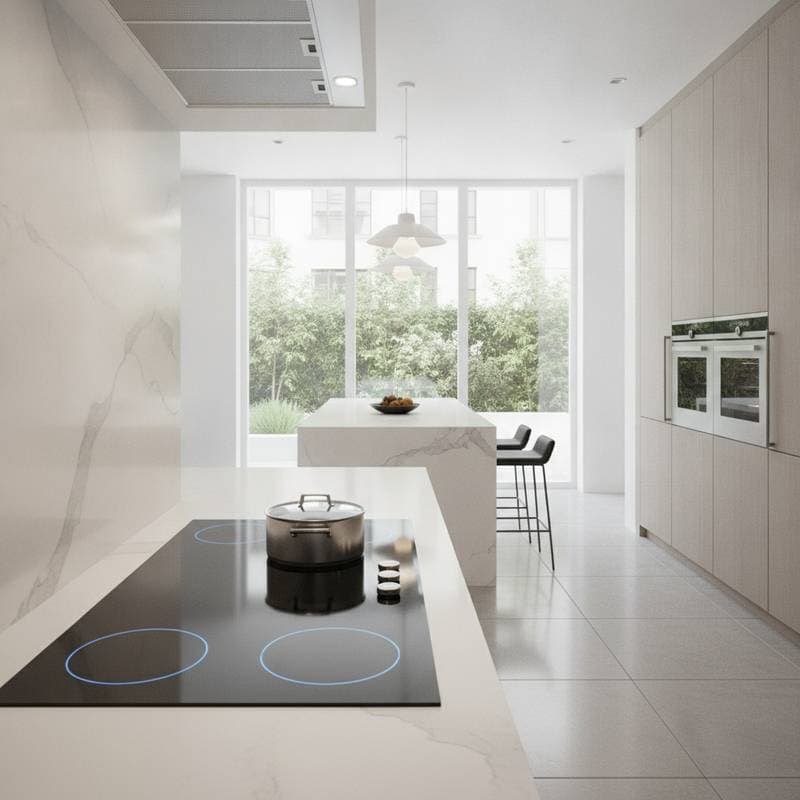
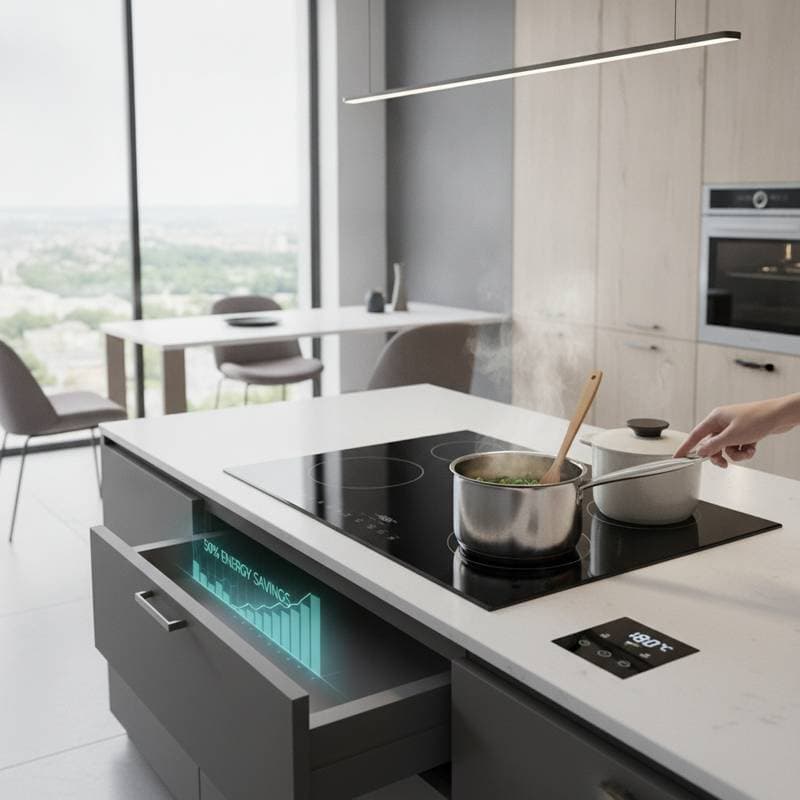
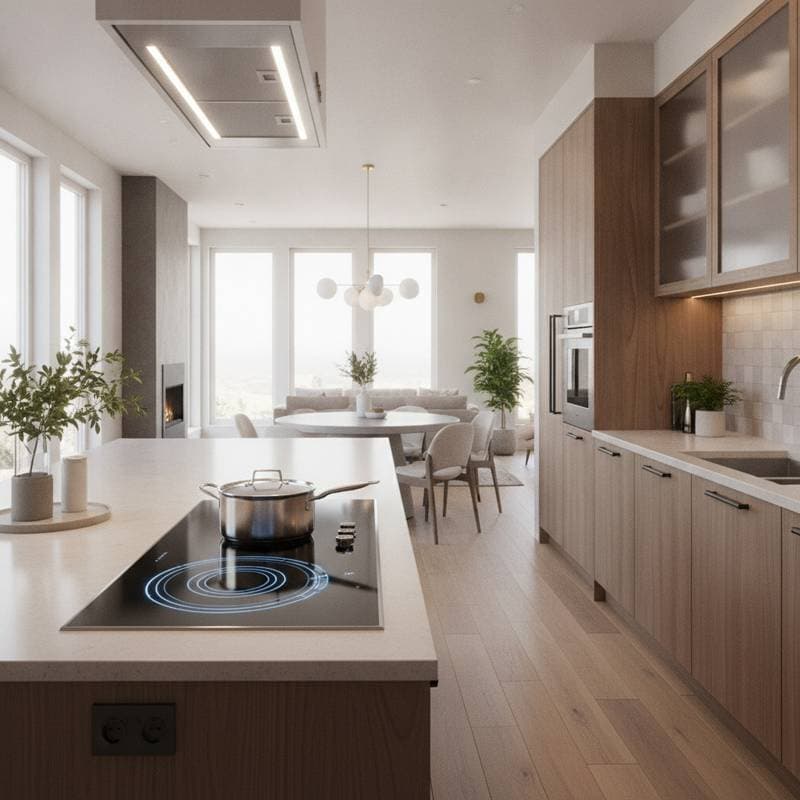
Induction cooktops employ electromagnetic fields to generate heat directly within compatible cookware. Rather than warming the cooktop surface first, the technology induces currents in the metal pot or pan, producing heat at the source. This approach yields quicker boil times, exact temperature regulation, and reduced energy loss.
During installations, I frequently note homeowners' astonishment at the responsiveness. Removing the cookware halts heating instantly, while the glass surface remains cool to the touch outside the contact area. This characteristic significantly lowers burn risks, providing substantial reassurance for families with young children.
Key Benefits in Everyday Use
From an installation viewpoint, induction systems streamline both setup and ongoing care. Absent gas lines and combustion venting, options for kitchen layouts expand, particularly in compact spaces or multi-family dwellings.
-
Energy Efficiency: Induction channels approximately 90 percent of energy to the cookware, minimizing dissipation. Gas stoves, by contrast, waste over 50 percent through surrounding heat, which impacts utility expenses over time.
-
Enhanced Safety: The absence of open flames eliminates ignition sources for fires. Concerns over pilot lights or gas leaks disappear entirely.
-
Ease of Maintenance: The flat glass tops clean effortlessly with a simple wipe. No residue from soot, accumulated grease, or removable grates complicates the process.
-
Improved Air Quality: Lacking combustion byproducts, induction prevents pollutant release into the home. Cooking smells diminish, allowing for more compact and effective ventilation designs.
Overcoming Common Hurdles in Adoption
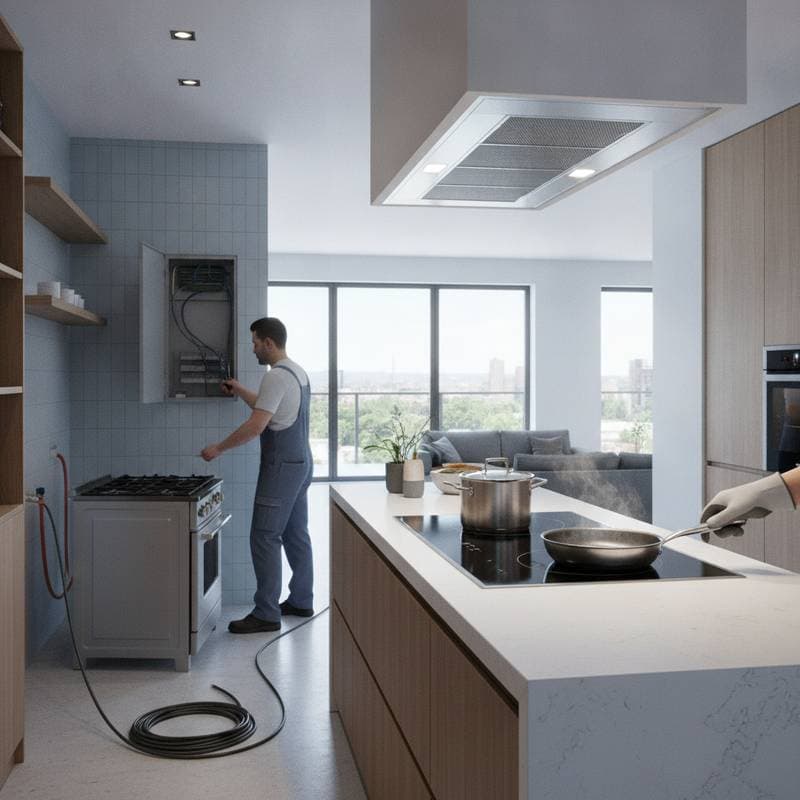
Transitioning to induction involves more than selecting a new appliance. Many older homes lack sufficient electrical capacity for the necessary 240-volt circuits. Upgrading panels or wiring might incur costs ranging from a few hundred to several thousand dollars, based on existing infrastructure. I advise consulting a licensed electrician for a thorough assessment prior to any purchase.
Cookware presents another consideration. Induction requires ferromagnetic materials like cast iron or iron-infused stainless steel. Non-magnetic options such as aluminum, copper, or glass fail to respond unless equipped with a compatible base layer. Verify induction readiness by attracting a magnet to the pan's base, and note that contemporary sets often carry explicit compatibility markings.
Strategies for a Seamless Kitchen Upgrade
For those embarking on a remodel or new build, incorporating induction compatibility from the outset proves wise, even if retaining gas temporarily. Install dedicated 240-volt wiring to the cooking zone and select cabinetry adaptable to varying cooktop sizes. Hybrid models blending induction with conventional electric elements serve as effective bridges during the adjustment period.
In current designs, I routinely advocate omitting gas lines in fresh constructions. This avoids combustion exhaust needs and eases adherence to impending energy standards. Such choices safeguard resale value and align kitchens with evolving norms.
Investing in Induction for Long-Term Gains
The progression from gas to induction signifies a fundamental reorientation in residential energy use and construction practices. Induction surpasses gas in speed, accuracy, and hazard reduction, delivering tangible improvements for daily cooking.
Homeowners contemplating renovations should view induction as a strategic enhancement that bolsters functionality and foresight. With maturing technology, dependable performance, and declining costs, early adoption circumvents future retrofit expenses and disruptions.