Why Flexible Induction Cooktops Dominate in 2026
Flexible induction cooktops have become the preferred choice for modern kitchens due to their adaptability, precision, and efficiency. These surfaces use magnetic fields to heat cookware directly, which delivers rapid temperature changes and reduces energy waste compared with traditional gas or electric options. Homeowners and professionals alike appreciate the ability to configure cooking zones dynamically across the entire surface.
How Magnetic Heating Works
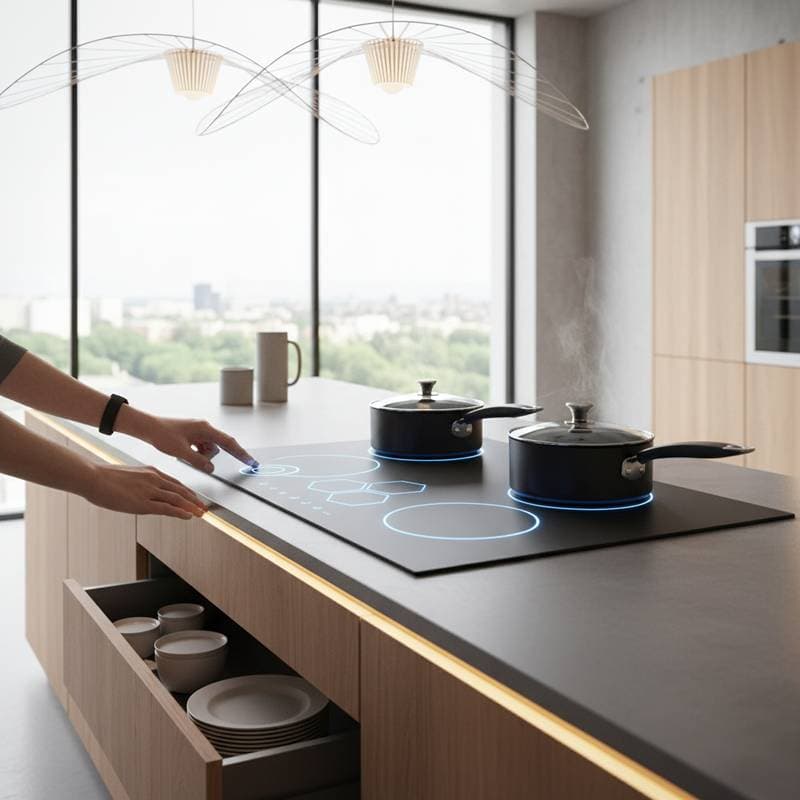
Induction technology generates heat only within compatible cookware, leaving the surrounding surface relatively cool. Flexible models extend this principle by eliminating fixed burner boundaries, allowing users to place pots and pans anywhere on the cooktop. Sensors detect the cookware position and size instantly, directing energy precisely where needed.
This setup supports simultaneous tasks such as boiling water in one area while simmering sauce in another. Temperature consistency improves because the system responds to real-time feedback rather than relying on manual adjustments.
Adapting to Different Kitchen Layouts
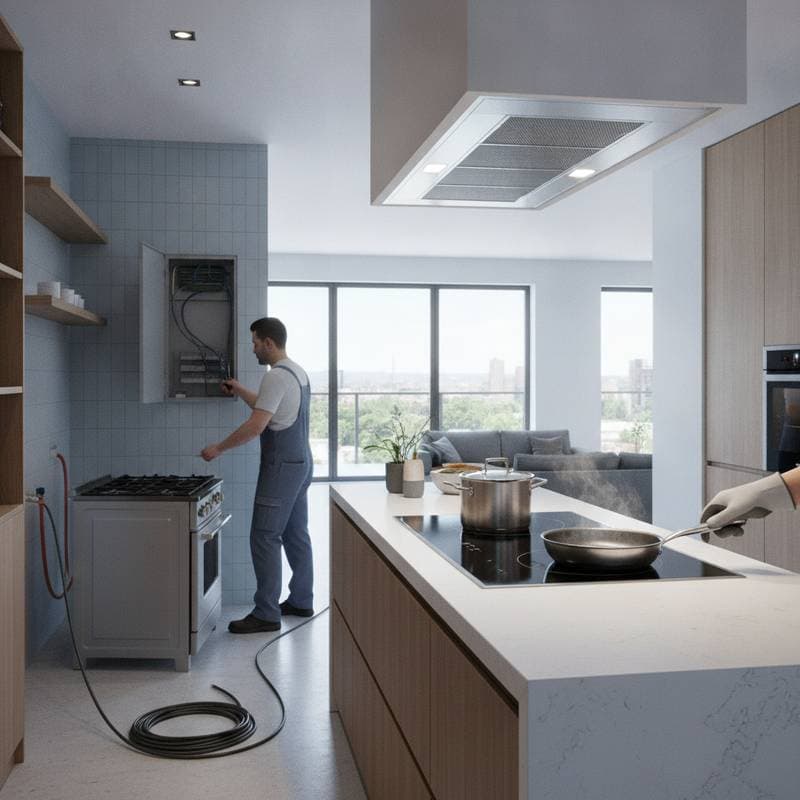
Compact flexible units fit small apartments and replace multiple conventional burners without sacrificing capability. Larger installations span full counter widths in spacious homes, creating multiple independent zones on a single surface. Portable plug-in versions provide an entry point for renters who want the technology without permanent modifications.
Entry-level models start at prices comparable to mid-range conventional stoves, while advanced units with integrated sensors and connectivity command higher investment. Modular designs allow component upgrades over time, extending appliance lifespan and reducing replacement costs.
Performance in Professional Settings
Television production teams rely on these cooktops for live demonstrations because the surface stays cool enough for immediate cleanup between segments. The frameless glass or ceramic finish reflects studio lighting evenly and maintains a polished appearance on camera. Chefs can slide cookware across zones without interrupting heat application, which streamlines complex recipes during timed segments.
Technology Features That Improve Results
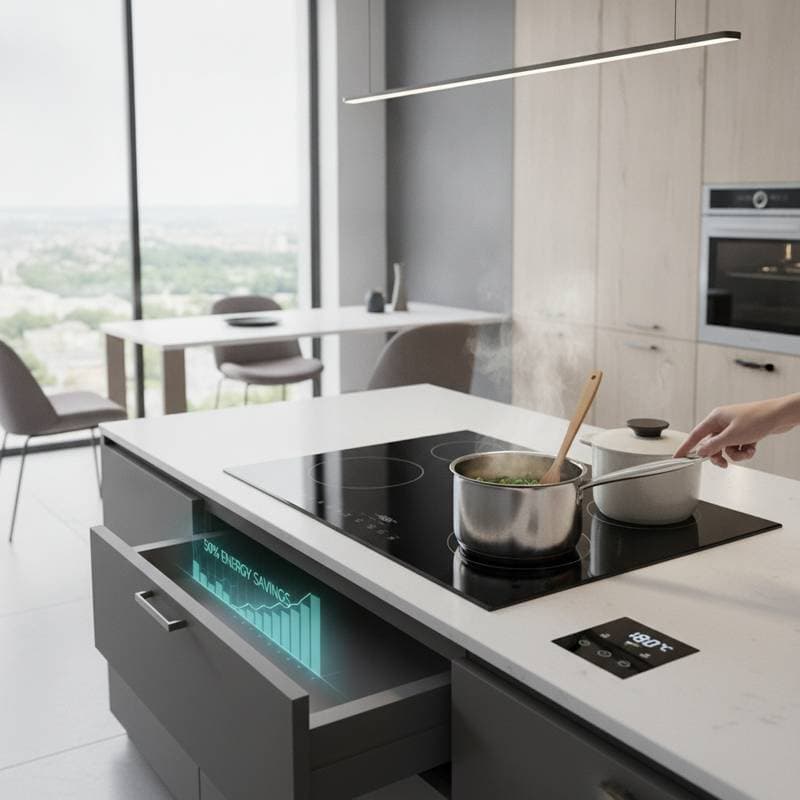
Touch controls and automatic pan detection reduce guesswork during cooking. Some models connect to companion applications that guide users through preset temperature profiles for specific dishes. Energy distribution adjusts automatically to cookware dimensions, which lowers electricity consumption and minimizes overcooking incidents.
Energy Efficiency and Material Choices
Because heat targets only the cookware base, kitchens remain cooler and utility costs decrease. Manufacturers increasingly incorporate recyclable components and low-emission finishes that align with sustainable building standards. These choices support long-term environmental goals without compromising cooking performance.
Selecting the Right Model
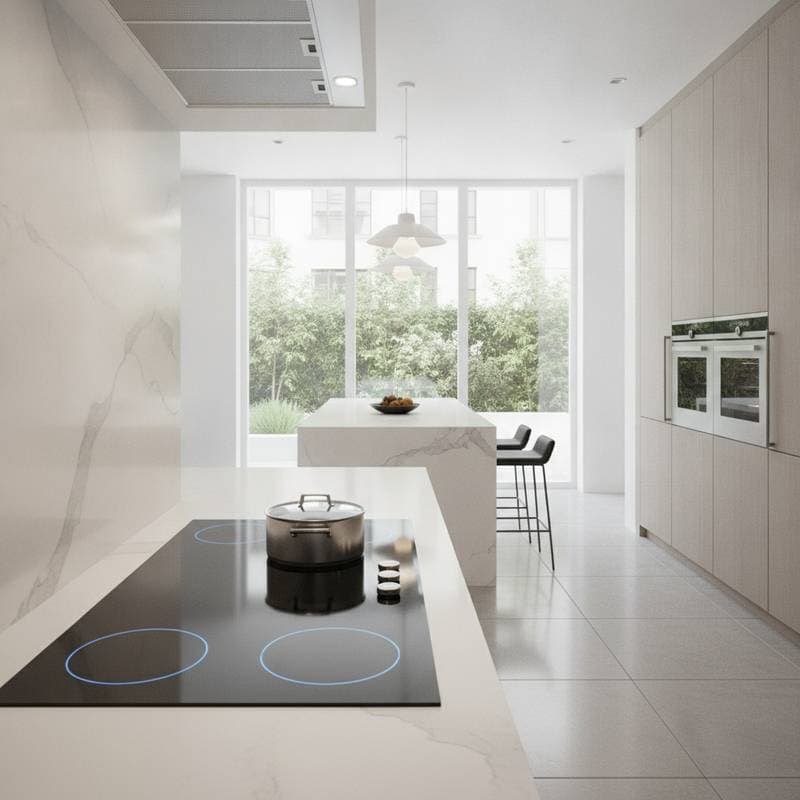
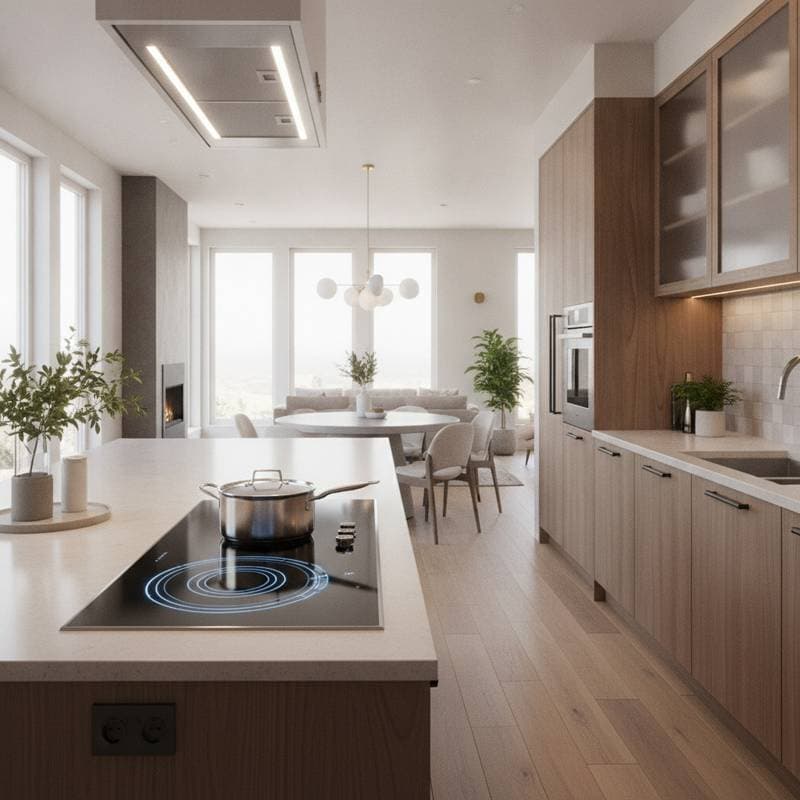
Single-zone portable burners suit small households and first-time users seeking affordability. Multi-zone countertop units accommodate two or more pans at once for growing families. Full-surface built-in options integrate with stone, quartz, or stainless countertops for complete kitchen renovations.
Design Integration and Daily Use
The absence of raised grates or protruding knobs preserves clean sight lines and maximizes usable counter space. When not in use, the cool surface doubles as a preparation area in space-constrained urban kitchens. Regular maintenance requires only a soft cloth and mild cleaner to preserve the finish over years of service.
Induction-compatible cookware in varied finishes complements the minimalist aesthetic. Users report that the combination of responsive controls and flexible zoning encourages more frequent home cooking and experimentation with new techniques.