Wet Rooms: Transforming Small Bathrooms into Spacious Retreats
Bathrooms continue to evolve with innovative designs that prioritize functionality and aesthetics. The wet room emerges as a leading trend for 2025, replacing traditional shower enclosures with open, curbless layouts. These designs create an illusion of expanded space, enhance accessibility, and simplify maintenance, making them ideal for compact areas.
Defining the Wet Room Concept
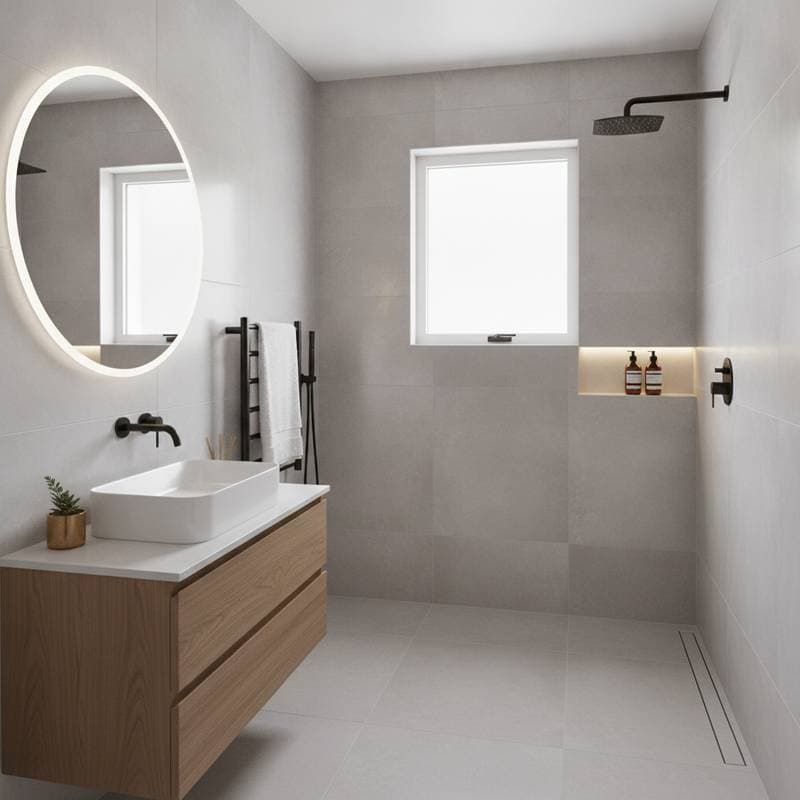
A wet room integrates the shower area seamlessly into the bathroom floor plan, eliminating barriers such as curbs or doors. The floor slopes gently toward a central or linear drain, allowing water to disperse efficiently across the waterproofed surface. This approach fosters an open environment that feels larger and more inviting.
Such configurations suit diverse households, including those with mobility considerations or multi-generational needs. The result combines practicality with a luxurious, spa-inspired atmosphere, adaptable to various spatial constraints and financial plans.
Key Advantages of Wet Rooms
Wet rooms offer multiple benefits that align with contemporary design principles.
-
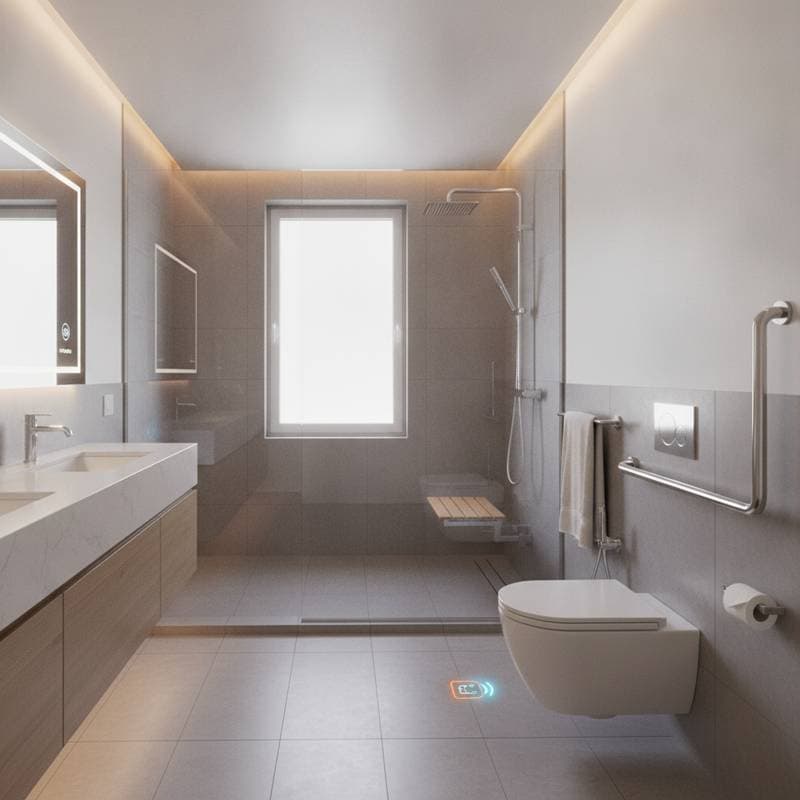
Enhanced Accessibility: The absence of thresholds facilitates easy entry for individuals using wheelchairs, walkers, or those with limited mobility. This universal design element ensures safety without compromising visual appeal.
-
Simplified Maintenance: Waterproof surfaces and open layouts reduce areas prone to grime accumulation. A simple wipe-down or squeegee application suffices to maintain cleanliness, saving time for busy households.
-
Illusion of Space: By removing partitions, wet rooms create uninterrupted sightlines that amplify perceived room size. Large-format tiles or seamless coatings further enhance this effect in smaller bathrooms.
-
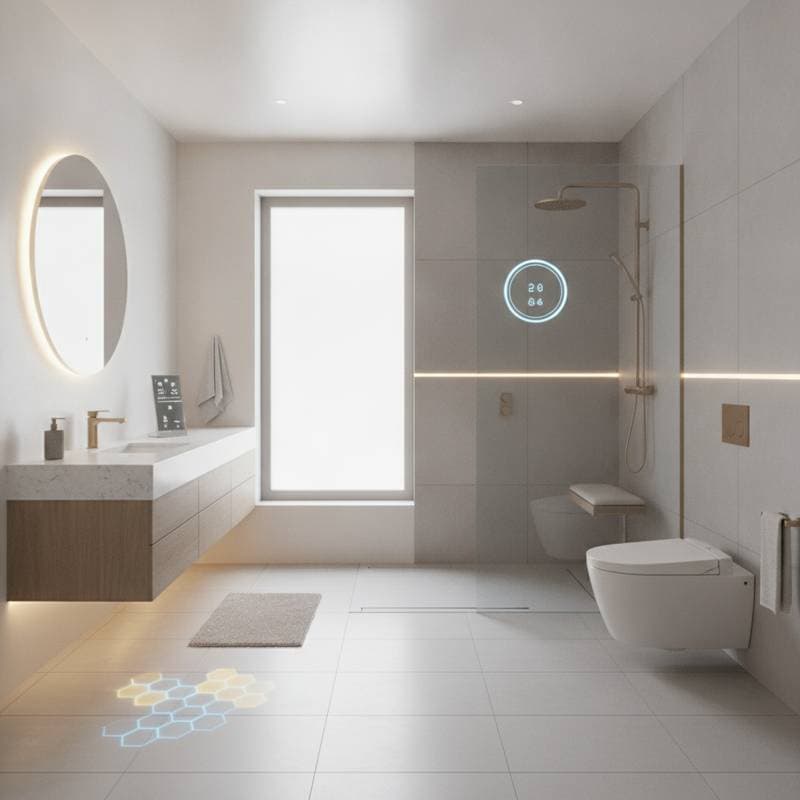
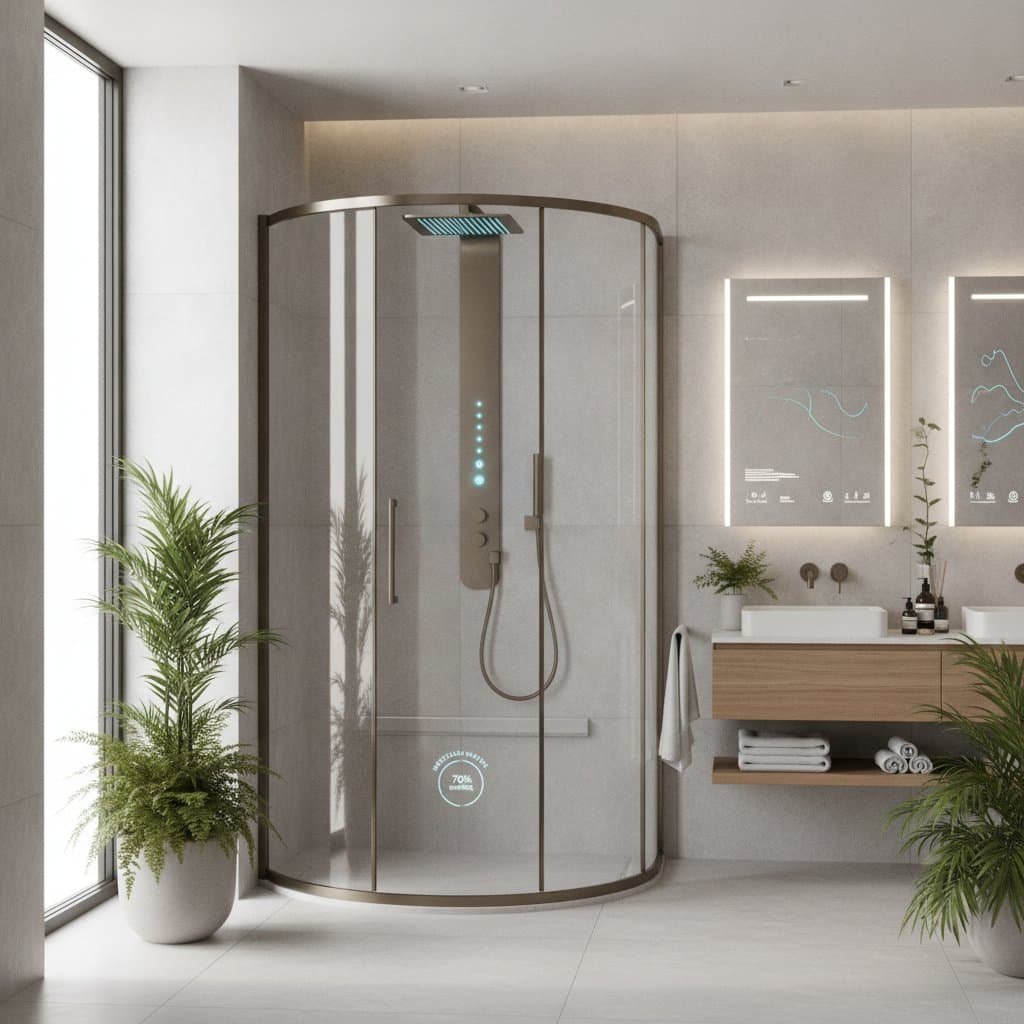
Contemporary Aesthetic: These spaces evoke high-end spa environments through features like frameless glass screens and integrated lighting. The minimalist style pairs well with modern materials, delivering timeless elegance.
-
Increased Property Appeal: Prospective buyers value low-maintenance, inclusive designs. A thoughtfully installed wet room can elevate a home's marketability while remaining cost-effective.
Budget Considerations for Wet Room Installation
Wet rooms accommodate a range of budgets through strategic material and fixture selections. Professional guidance ensures compliance with building codes, particularly regarding waterproofing and drainage.
Entry-Level Options (Under $2,000)
- Opt for waterproof vinyl flooring paired with prefabricated drainage channels.
- Install affordable wall panels mimicking stone or tile patterns.
- Use a fabric curtain or low-profile screen to manage splashes.
- Incorporate energy-efficient LED lighting beneath vanities for ambient illumination.
Intermediate Options ($2,000–$8,000)
- Select porcelain tiles with anti-slip properties for floors and walls.
- Integrate a linear drain to streamline water flow and aesthetics.
- Choose fixtures in durable finishes like matte black or brushed nickel.
- Employ a partial glass divider to balance openness and water containment.
Premium Options (Over $8,000)
- Utilize natural stone or microcement for a monolithic, luxurious surface.
- Add radiant floor heating to promote comfort and dryness.
- Install thermostatic shower controls and expansive rain heads.
- Incorporate recessed niches, built-in seating, and wall-mounted storage.
Regardless of budget, prioritize certified waterproofing to safeguard structural integrity.
Essential Waterproofing Practices
Waterproofing forms the critical foundation of any wet room project. Apply a tanking membrane across the floor and up the lower walls to form an impermeable barrier against moisture intrusion. This step prevents issues like leaks or mold, extending the lifespan of the installation.
For professional results, hire certified contractors familiar with local regulations. In DIY scenarios, adhere strictly to manufacturer guidelines, verifying a minimum 1/4-inch slope per foot toward the drain. Proper preparation yields a durable, visually cohesive space.
Layout Strategies for Different Spaces
Effective layouts maximize utility while preserving the open feel of wet rooms. Consider plumbing locations and traffic flow during planning.
-
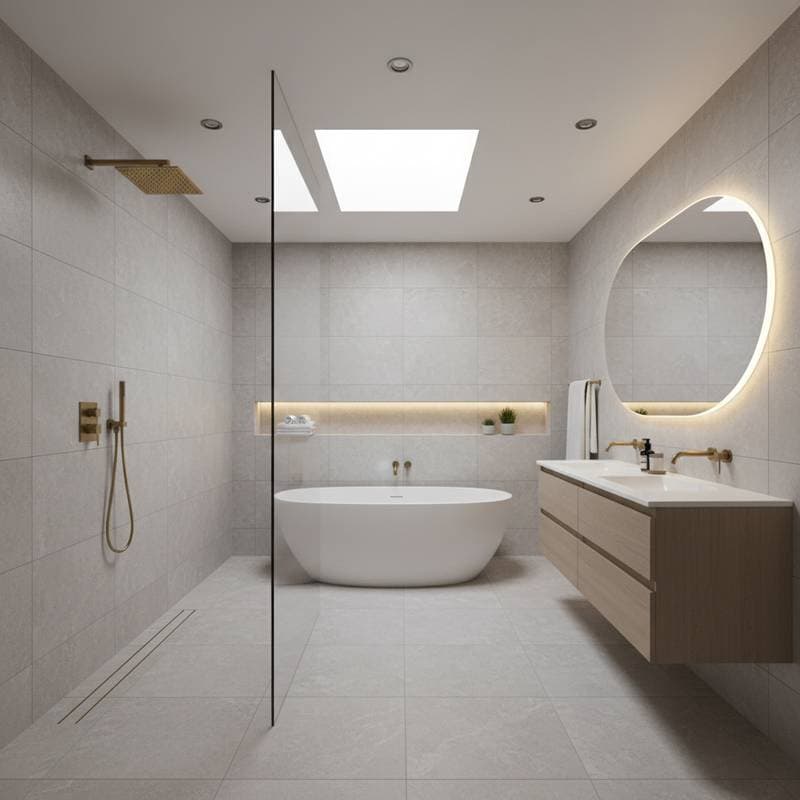
Small Bathrooms: Place the shower zone at the room's end, screened by a single glass panel. Position the vanity and toilet along drier walls to optimize dry areas.
-
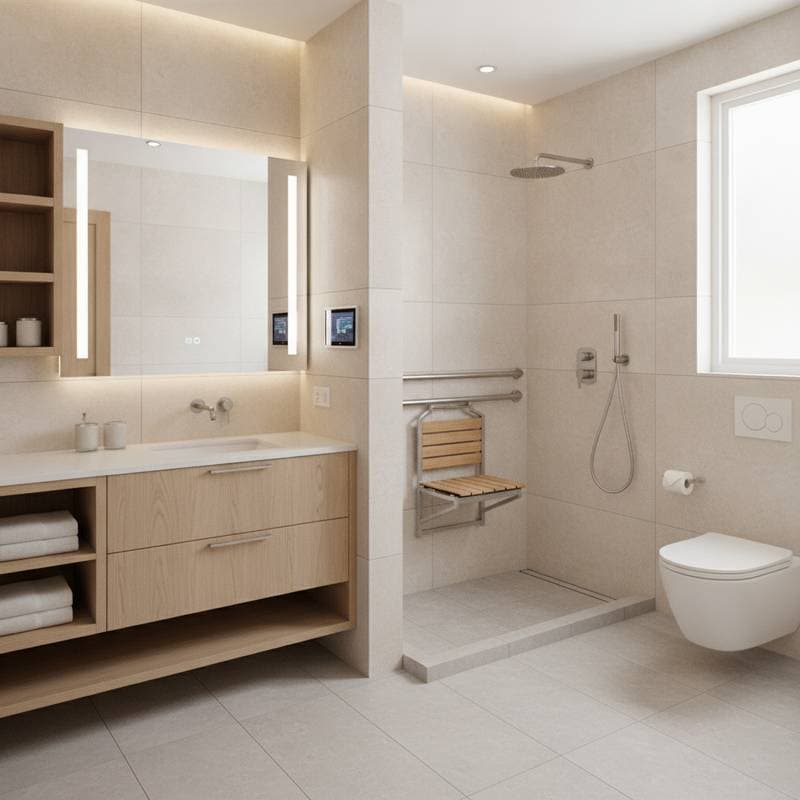
Medium-Sized Bathrooms: Suspend the vanity for legroom and add a foldable bench. Extend uniform tiling across floors and walls to promote cohesion.
-
Expansive Bathrooms: Define functional zones with subtle material shifts or low partitions. This maintains fluidity while organizing elements like soaking tubs or dual vanities.
Layered lighting enhances these arrangements: combine overhead recessed fixtures with task-oriented sconces and subtle LED accents to highlight architectural details.
Recommended Materials for Durability and Style
Material choices must withstand constant humidity while contributing to design intent. Focus on non-porous, slip-resistant options.
-
Porcelain Tiles: Versatile and resilient, these suit floors and walls with varied sizes and textures.
-
Microcement Overlays: Provide a seamless, modern finish that resists water and simplifies cleaning.
-
Natural Stone: Offers organic beauty but demands periodic sealing to maintain performance.
-
Composite Panels: Deliver cost-effective waterproofing with realistic imitations of premium surfaces, ideal for rapid installations.
Balance textures by combining matte floors with reflective walls, fostering depth and preventing visual monotony.
Optimizing Lighting for Ambiance
Strategic lighting elevates wet rooms from utilitarian to experiential. Employ a multi-tiered approach to illuminate tasks and features effectively.
-
Functional Lighting: Position adjustable fixtures near mirrors for precise grooming visibility.
-
Feature Lighting: Install linear LEDs along shelves or recesses to accentuate textures.
-
General Illumination: Use diffused ceiling or cove lights for uniform, welcoming brightness.
Select bulb temperatures thoughtfully: warmer hues (around 2700K) complement organic materials, while cooler tones (3000K+) suit sleek, contemporary palettes.
Incorporating Inclusive Features
Wet rooms excel in promoting accessibility without aesthetic trade-offs. A level-entry floor supports seamless navigation for all users.
Enhance usability with elements like adjustable-height shower seats, ergonomic handheld sprayers, and strategically placed grab bars. Modern hardware integrates these into the design, such as bars finished to match fixtures or benches tiled to blend with surroundings. This approach ensures long-term adaptability and comfort.
Business Opportunities in Wet Room Innovations
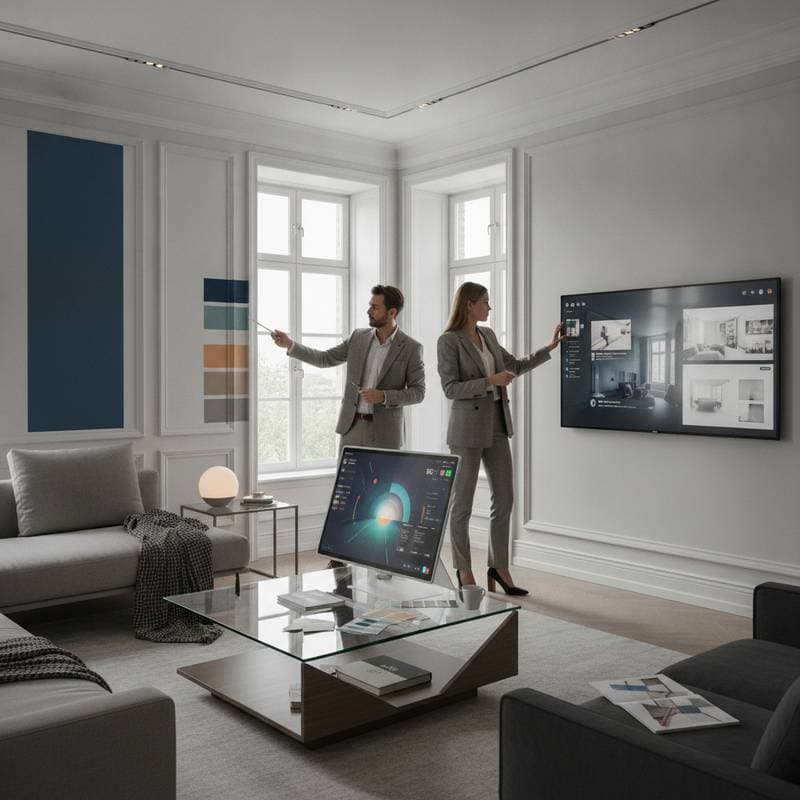
The rising popularity of wet rooms presents avenues for professionals in design and manufacturing. Demand for user-friendly solutions encourages development of streamlined products like customizable drainage systems or prefabricated waterproof modules.
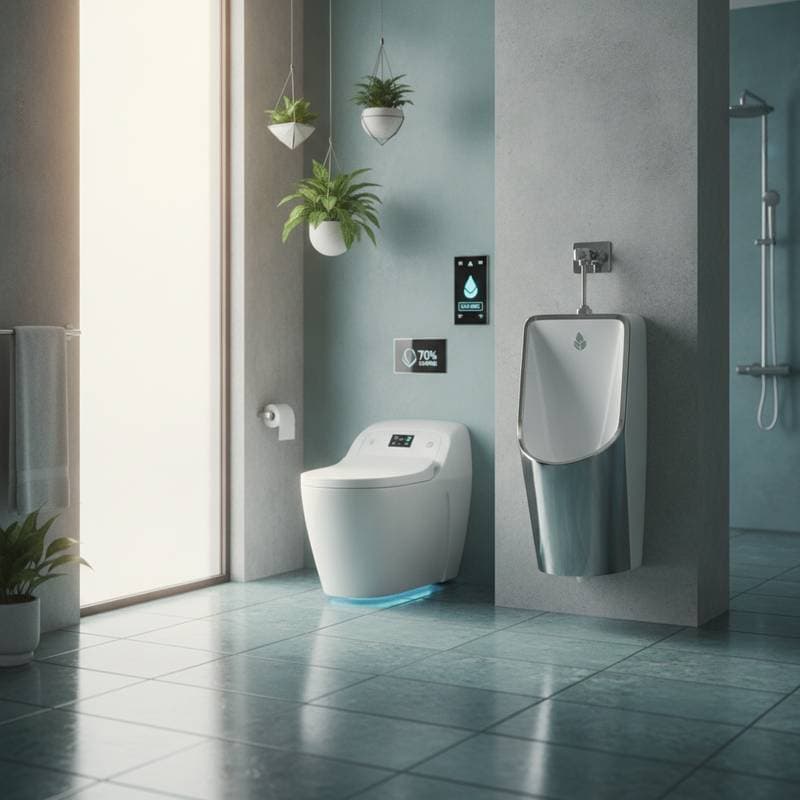
Entrepreneurs can explore partnerships to refine installation techniques or introduce eco-friendly materials. By addressing real-world challenges, such innovations streamline renovations and expand market reach.
Maintenance and Long-Term Enjoyment
Sustaining a wet room requires minimal effort. Regularly clear drains of debris, inspect seals annually, and clean surfaces with mild, non-abrasive solutions. Introduce subtle decor, such as moisture-tolerant greenery, to infuse personality.
These spaces adapt to evolving lifestyles, offering enduring style and convenience that enhance daily routines.
Steps to Implement Your Wet Room
To embark on a wet room project, evaluate your bathroom's dimensions and existing plumbing. Engage a specialist to assess waterproofing needs and drainage feasibility. Then, select materials and fixtures that align with your vision, ensuring a harmonious blend of form and function.
Wet rooms embody progressive design that fosters inclusivity and luxury. They transform routine spaces into personalized sanctuaries, benefiting every occupant through thoughtful, enduring enhancements.