Bathroom Technology for Safe and Stylish Aging in Place
Aging at home gracefully becomes achievable through innovative bathroom designs that prioritize safety and aesthetics. Technology integrates seamlessly with thoughtful architecture to enhance comfort and independence for individuals of all ages and abilities. The bathroom evolves from a basic utility space into a sophisticated environment that supports daily routines while maintaining visual appeal.
Advancements in fixtures and materials address common challenges associated with mobility and hygiene. These solutions range from budget-conscious updates to comprehensive renovations, ensuring accessibility without compromising elegance. Homeowners can select options that align with their needs and financial plans to foster long-term usability.
Intelligent Fixtures Enhancing Daily Comfort
Intelligent fixtures incorporate user-friendly features that anticipate needs and promote safety. These technologies, once limited to luxury settings, now offer affordable alternatives suitable for widespread adoption. They facilitate easier aging in place by reducing physical effort and minimizing risks.
Advanced Toilets and Bidet Attachments
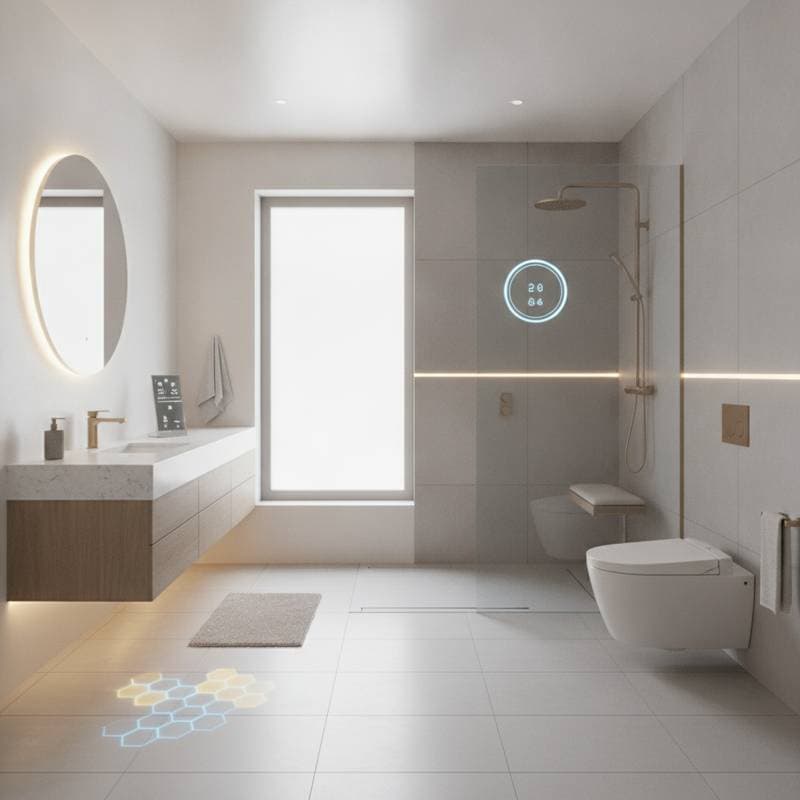
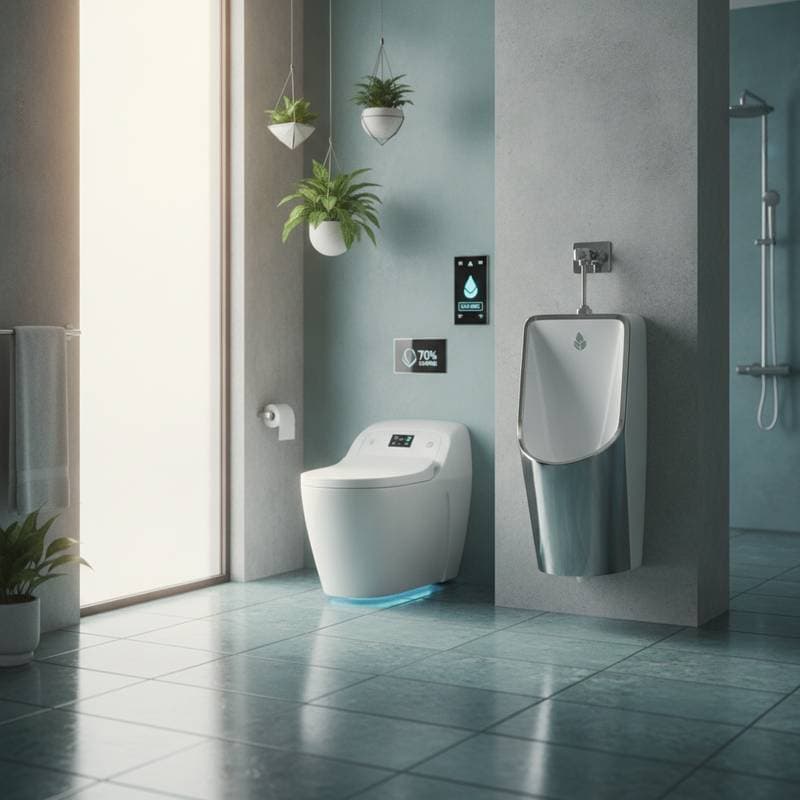
Modern toilets and bidet seats provide automated functions such as lid operation, seat warming, integrated illumination for nighttime use, and personalized cleansing options. Entry-level models begin at approximately $250, while premium units with advanced customization can cost up to $2,500. These features promote hygiene and autonomy, integrating smoothly into contemporary bathroom aesthetics.
Thermostatic Controls for Water Temperature
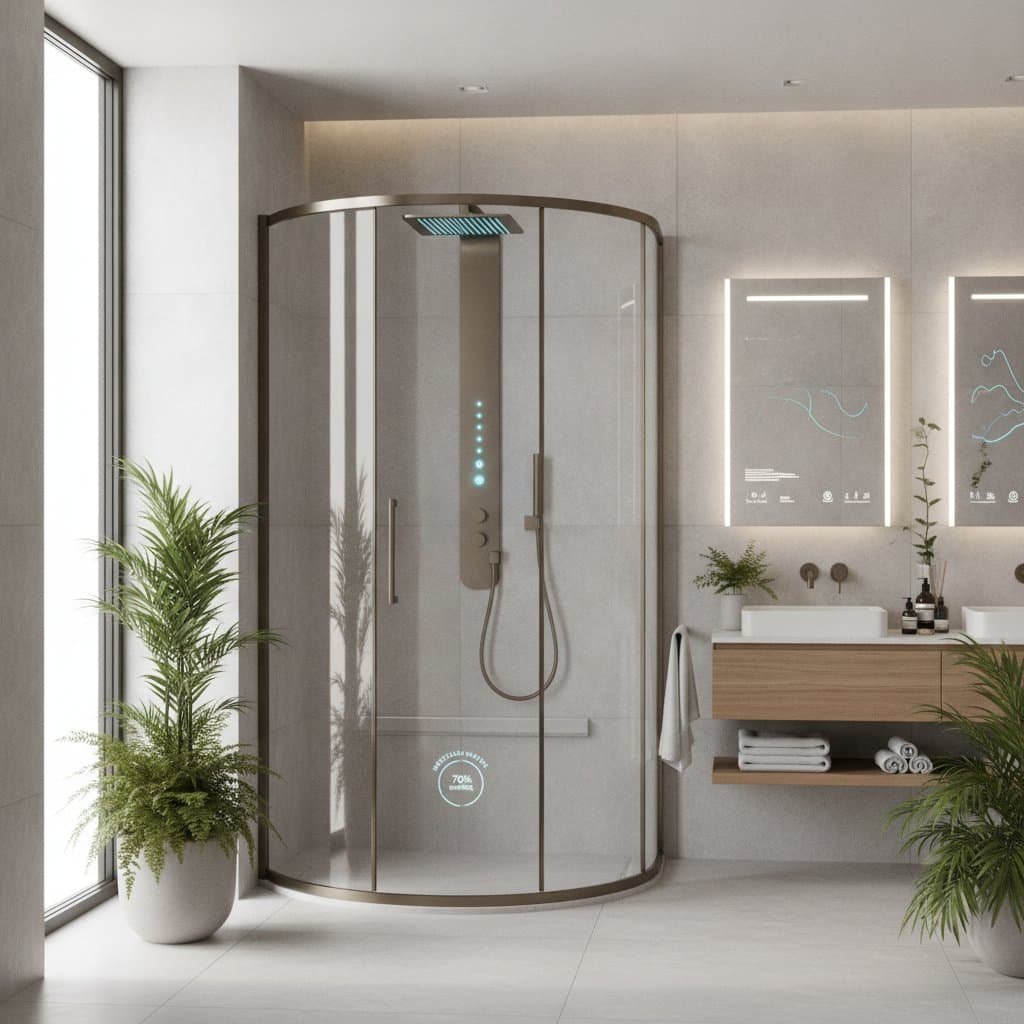
Thermostatic faucets and shower systems prevent scalding by maintaining consistent water temperatures. Advanced versions store user preferences and adjust settings automatically for added convenience. A basic thermostatic mixing valve installs for less than $100, whereas digital panels offer enhanced control and modern styling for higher investments.
Voice-Controlled Illumination and Airflow
Voice-activated systems enable hands-free operation of lights and exhaust fans, ideal for situations involving wet hands or limited mobility. These controls also manage moisture levels to reduce fogging on mirrors and prevent slippery conditions. Integration with smart home ecosystems enhances overall efficiency and user empowerment.
Universal Design Principles for Seamless Accessibility
Universal design principles ensure bathrooms accommodate diverse users without apparent modifications. This approach emphasizes functionality that endures over time, drawing from collaborations between designers and accessibility experts. Such strategies create spaces that feel inclusive and refined.
Barrier-Free Shower Configurations
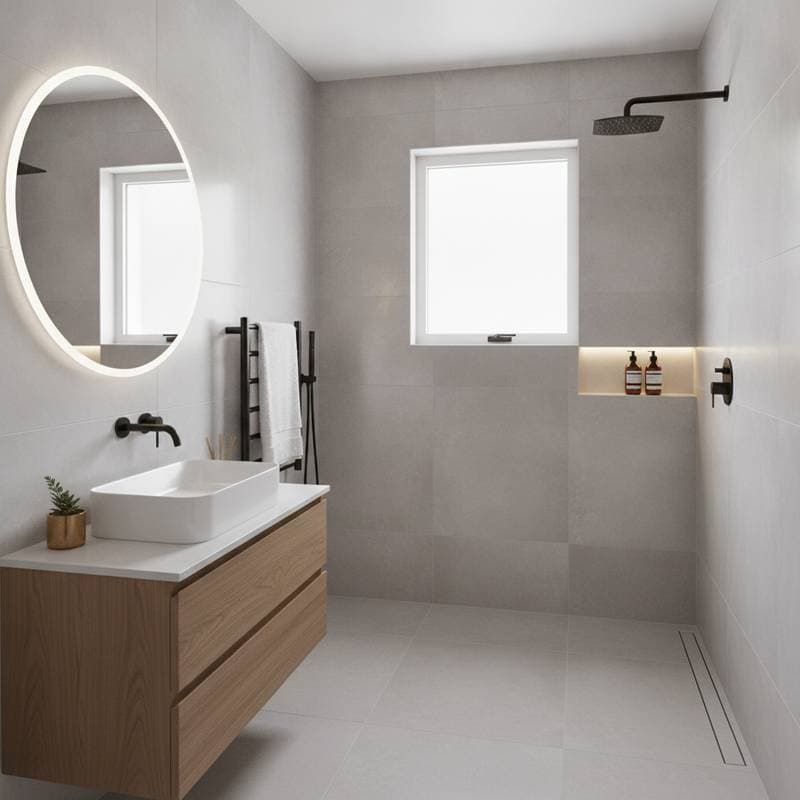
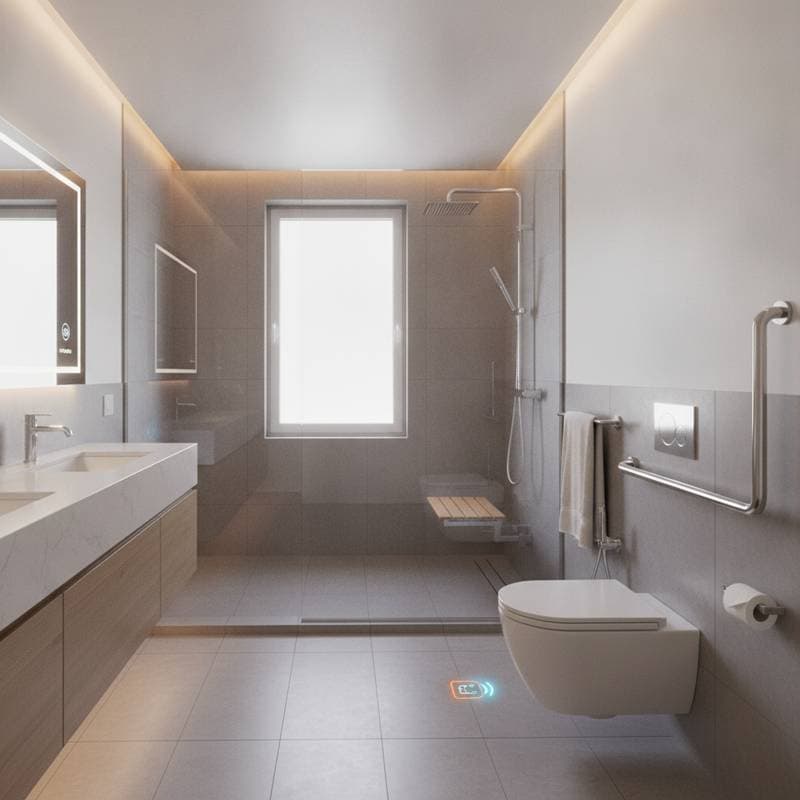
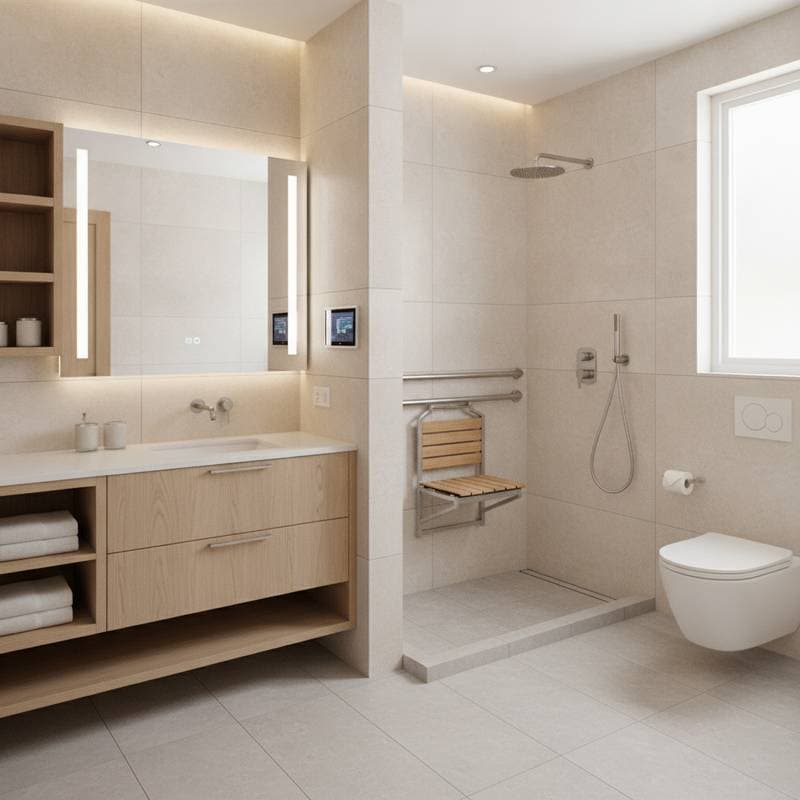
Zero-threshold showers eliminate steps for effortless entry, combining practicality with spa-like appeal. Linear drains facilitate efficient water management and simplify maintenance. These installations support mobility while expanding the perceived size of the room.
Height-Adjustable Storage Solutions
Motorized vanities adjust to optimal heights via simple controls, benefiting households with varying user needs. For cost-effective alternatives, floating vanities accommodate seated access without complex mechanisms. These adaptations maintain a clean, minimalist look.
Stylish Support Elements
Contemporary grab bars serve dual purposes as safety aids and decorative features, resembling towel bars or artistic elements. Available in finishes like brushed nickel, matte black, or brass, they coordinate with existing hardware. Basic models start at $40, with premium designs reaching $200, blending security with sophistication.
Advanced Materials for Durability and Hygiene
Material innovations focus on performance characteristics that enhance safety and ease of care. These developments extend beyond digital elements to transform surfaces into proactive safeguards. Selection of appropriate materials ensures lasting benefits with minimal upkeep.
Traction-Enhanced Floor Coverings
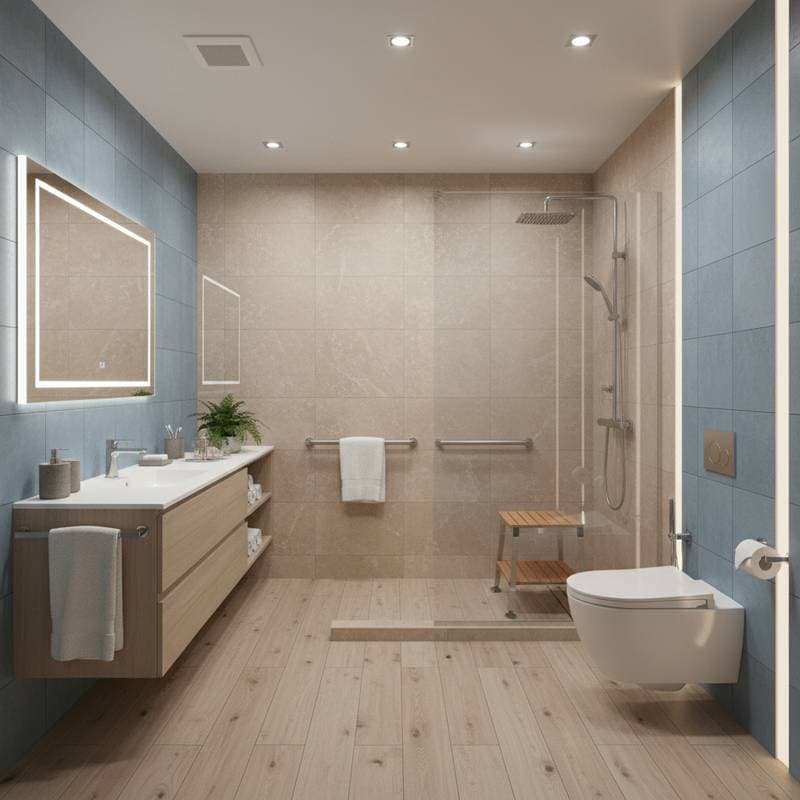
Porcelain tiles featuring micro-textured surfaces deliver superior grip without compromising comfort. Budget options include peel-and-stick vinyl planks with anti-slip treatments, priced below $2 per square foot. Both choices mitigate fall risks while supporting diverse design preferences.
Bacteria-Resistant Countertops and Fixtures
Antimicrobial quartz and solid-surface materials inhibit bacterial growth on high-touch areas like counters and seats. These surfaces require less intensive cleaning and feature seamless edges for thorough sanitation. Incorporation of such elements sustains hygiene standards effortlessly.
Ergonomic Hardware for Ease of Use
Handles, knobs, and faucets with soft-touch coatings or silicone grips alleviate joint stress. These designs improve dexterity for users with reduced hand strength. Subtle yet impactful, they integrate into any bathroom scheme without altering the overall style.
Integrating Aesthetics with Practicality
Effective bathroom updates harmonize form and function to avoid utilitarian appearances. Designers recommend strategies that enhance visibility and navigation through subtle enhancements. These methods elevate the space into a welcoming retreat.
Consider employing color contrasts between floors, walls, and fixtures to aid orientation. Implement layered lighting schemes, including overhead, focused task lights, and subtle accents, to illuminate without harshness. Opt for curbless entries that promote fluid movement and amplify spatial openness.
For modest investments, replace hardware with ergonomic versions, add extendable showerheads, or install illuminated mirrors. Each modification incrementally improves safety and appeal, allowing the bathroom to adapt to evolving requirements.
Opportunities in Accessible Design Innovation
The surge in bathroom technology spurs entrepreneurial ventures focused on inclusive solutions. Emerging products, such as customizable smart mirrors and adaptable shower modules, reflect collaborations across design, engineering, and health sectors. This landscape encourages sustainable practices that prioritize user-centered development.
Professionals in the field can explore integrations of eco-friendly materials with accessibility features. The expanding demand for universal design presents avenues for impactful contributions to residential environments.
Implementing Changes for Enduring Comfort
Successful bathroom enhancements align technology and design with personal lifestyles to minimize daily challenges. Prioritize incremental updates, such as improved lighting or non-slip additions, to build a supportive foundation. Comprehensive overhauls can follow as needs dictate.
Focus on elements that foster confidence and ease, ensuring the space remains intuitive and inviting. Through these targeted improvements, bathrooms become enduring assets that enhance quality of life across all stages.