Introduction to Universal Design in Bathrooms
Universal design focuses on creating spaces that accommodate people of all ages, abilities, and sizes without compromising on aesthetics or functionality. In bathrooms, this approach integrates safety features seamlessly into modern designs, allowing the space to evolve with users' needs over time. By adopting these principles early, homeowners can enhance daily comfort while preparing for potential future requirements, such as mobility changes.
This guide outlines essential elements of universal bathroom design, from foundational layouts to finishing touches. Each recommendation emphasizes practicality, ensuring the result feels contemporary and inviting rather than institutional. Implementing these strategies not only promotes independence but also broadens the home's appeal to future buyers.
Establishing a Foundation with Shower and Entry Design
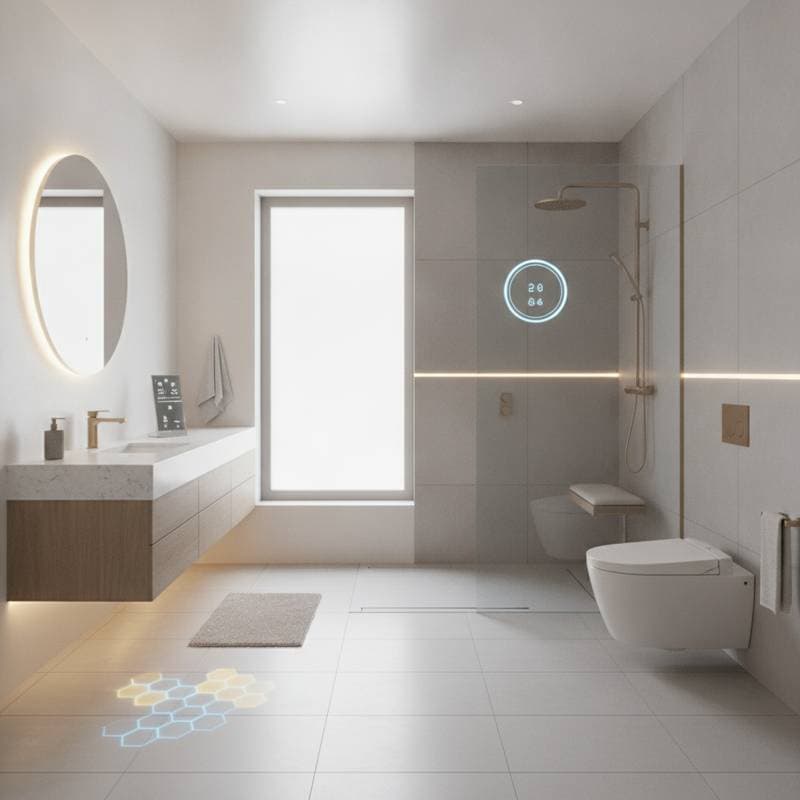
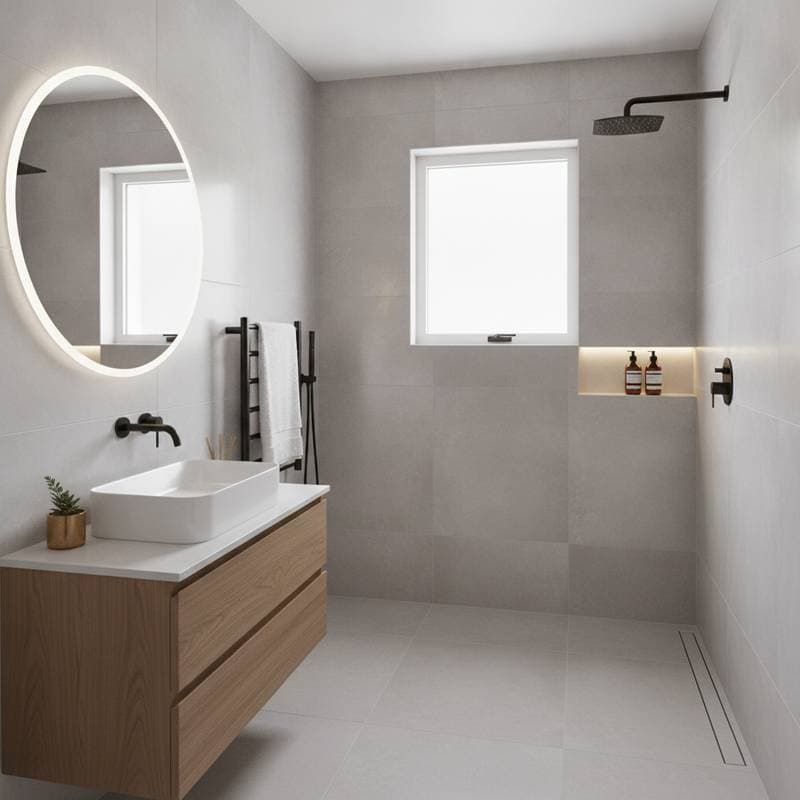
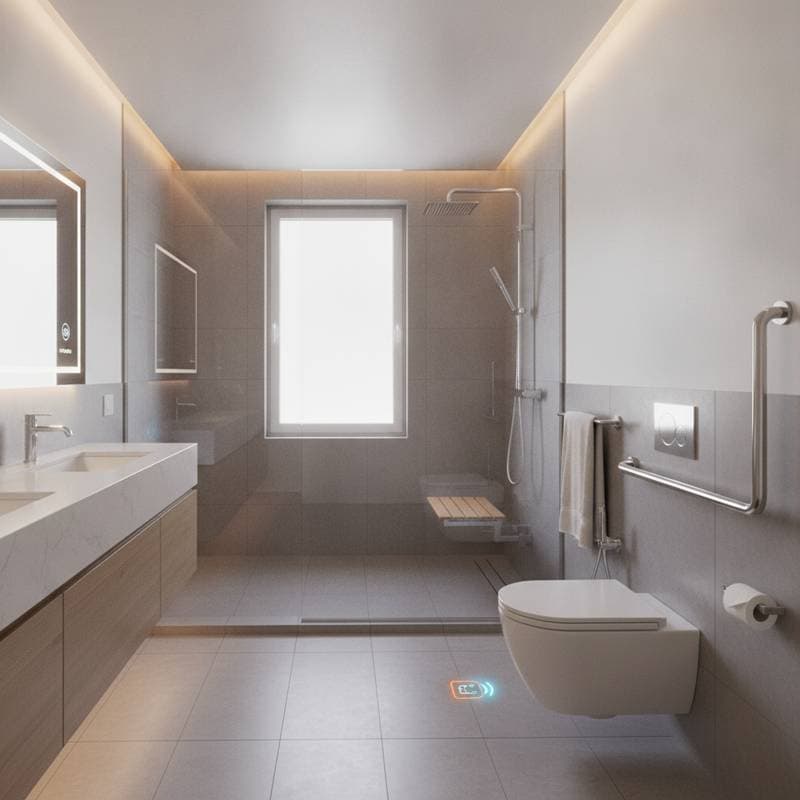
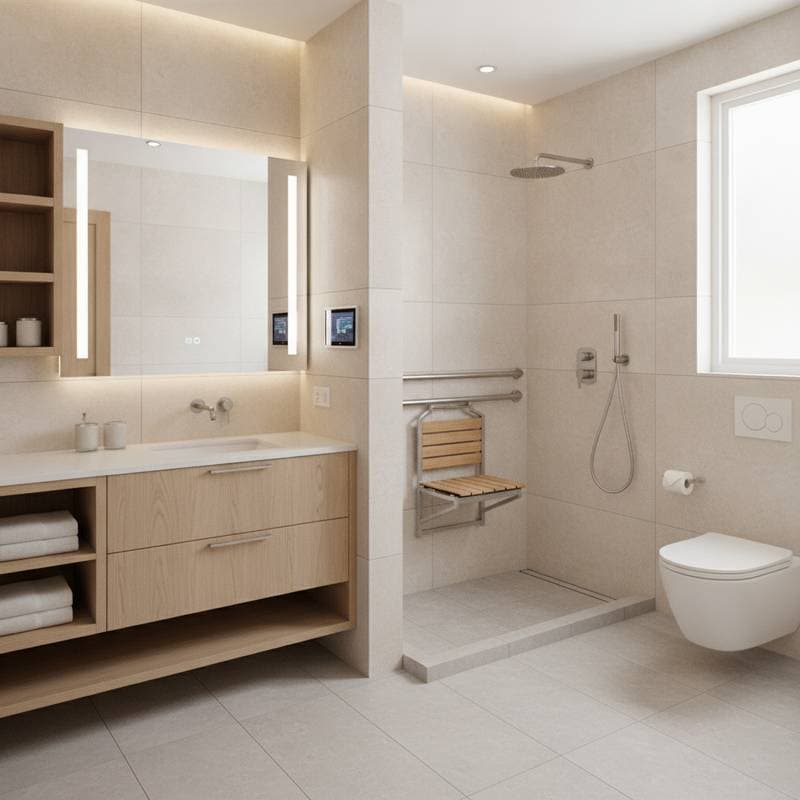
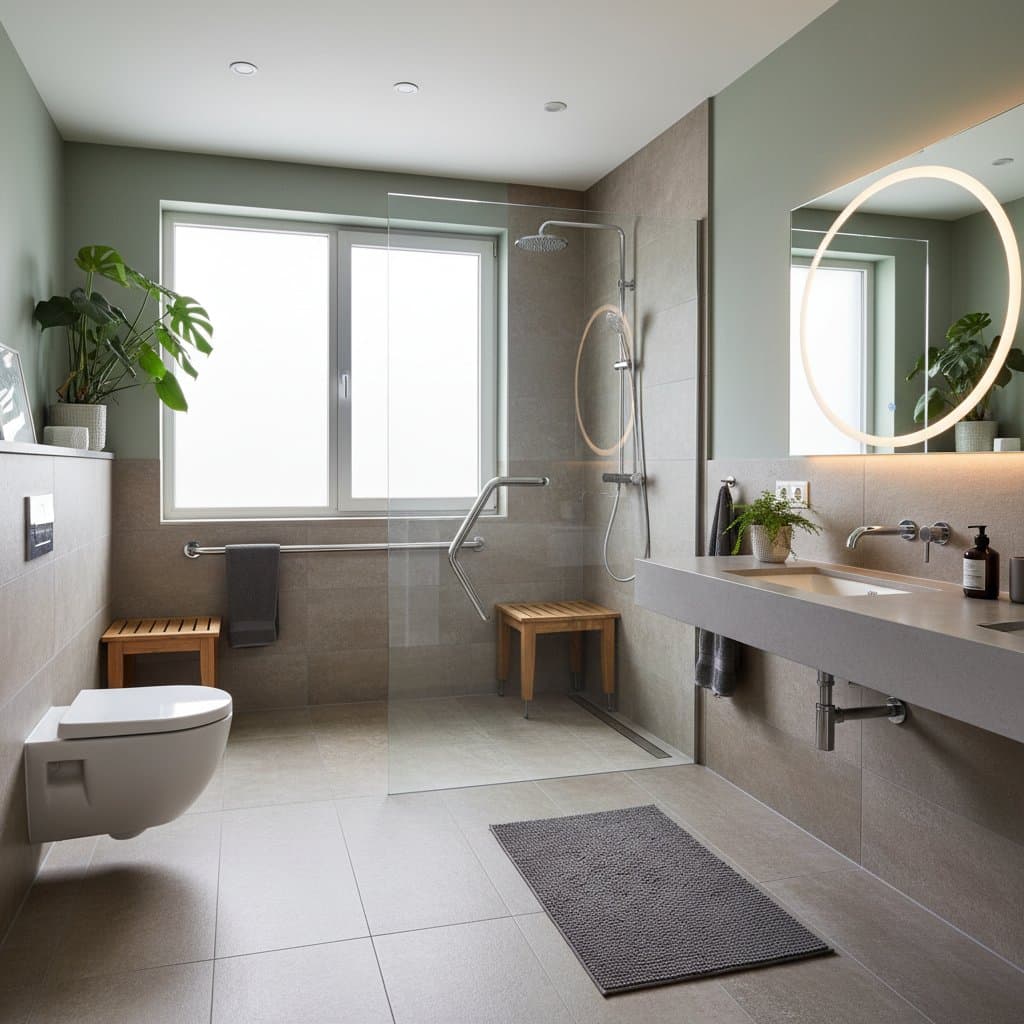
A curbless shower represents a cornerstone of universal design, eliminating barriers that could pose tripping hazards. This setup features a seamless transition from the bathroom floor to the shower area, often with a slight slope for drainage. Opt for a minimum 36-inch by 36-inch shower enclosure to provide ample space for maneuvering, whether using a walker or simply seeking ease of movement.
Pair the curbless entry with a fold-down seat and a handheld showerhead for versatility. The seat allows seated bathing when desired, while the adjustable showerhead supports targeted rinsing. These elements maintain a spa-like atmosphere, using materials like porcelain tile in neutral tones to blend form and function.
During installation, reinforce the walls behind the seat area with plywood blocking. This preparation supports added weight without visible alterations, costing approximately $200 to $500 in materials and labor.
Selecting Slip-Resistant Flooring
Flooring choices significantly influence safety in wet environments. Choose materials with a high coefficient of friction, such as textured porcelain tiles or vinyl composites rated for wet areas. Avoid glossy surfaces that become slick when damp; instead, select options with subtle patterns that disguise water spots while providing reliable traction.
Install flooring with consistent heights throughout the bathroom to prevent uneven transitions. For added durability, incorporate underfloor heating to reduce slip risks from condensation. These selections ensure the space remains comfortable year-round, supporting barefoot use without discomfort.
Budget for professional installation to achieve a level surface, with costs ranging from $5 to $15 per square foot, depending on material quality.
Integrating Grab Bars for Support
Grab bars offer essential stability without detracting from the bathroom's elegance. Select bars with a 1.5-inch diameter for comfortable grip, finished in materials like brushed nickel or stainless steel to match fixtures. Position them strategically for optimal support during routine activities.
Recommended placements include:
- Near the shower entrance and inside the shower for entry and exit assistance
- Beside the toilet for stability when sitting or standing
- At a slight diagonal angle for a natural hand position
To prepare for future needs, install wall blocking now even if you skip the bars initially. That costs little during renovation but saves major rework later.
Cost range: $100 to $400 per bar installed, depending on finish and mounting surface.
Enhancing Visibility with Strategic Lighting
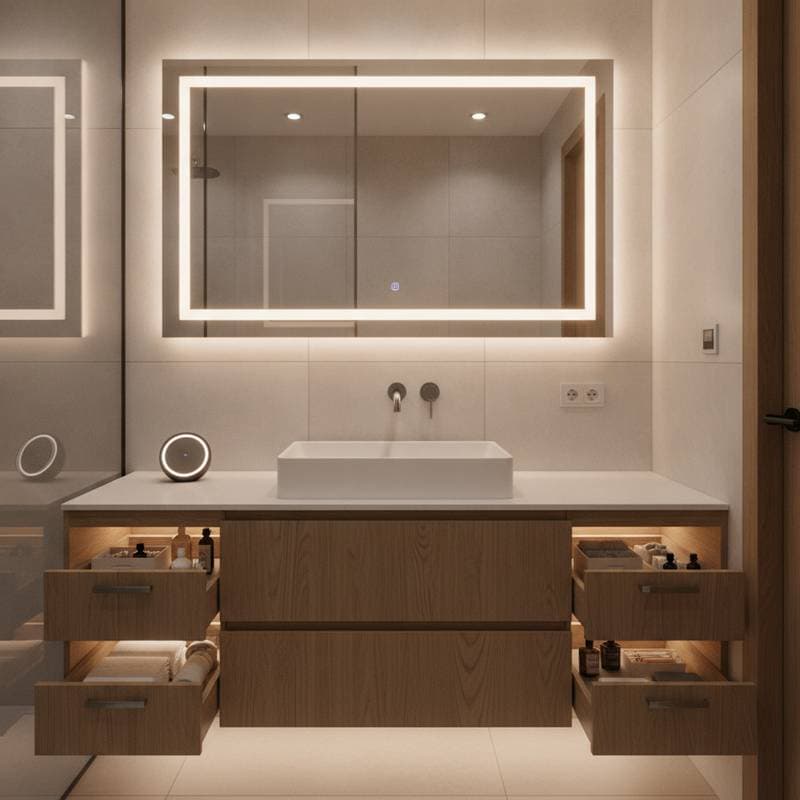
Effective lighting reduces shadows and highlights potential hazards, contributing to a welcoming ambiance. Employ a layered approach: ambient overhead fixtures for general illumination, task lighting near mirrors for grooming, and accent lights to outline pathways.
Incorporate LED fixtures with warm color tones around 2700K to mimic natural light, minimizing glare. Position switches at accessible heights, about 36 to 40 inches from the floor, and consider dimmer controls for adjustable brightness. Motion sensors or low-level night lights activate automatically in low visibility, ideal for nighttime use.
If your bathroom benefits from natural light, frosted glass windows or doors preserve privacy while diffusing brightness evenly.
Cost range: $500 to $1,500 for a full lighting upgrade, including fixtures and wiring.
Additional Accessibility Features
Beyond core elements, consider lever-style faucets and door handles for easier operation, especially with arthritic hands. A comfort-height toilet, positioned 17 to 19 inches from the floor, facilitates transfers without strain. Wide doorways, at least 32 inches clear, ensure unobstructed passage for mobility aids.
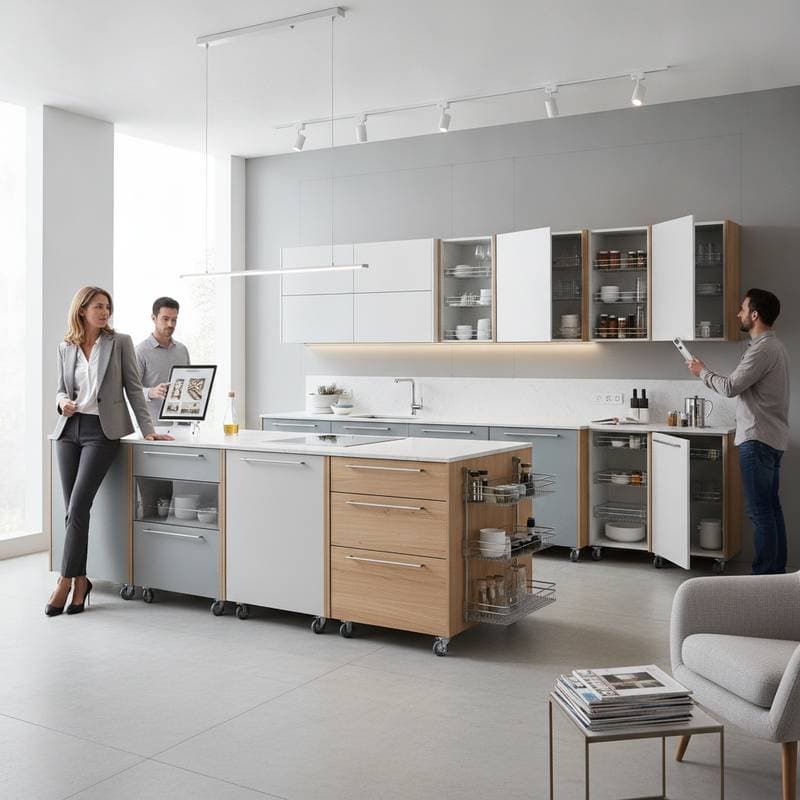
Integrate a storage system with open shelving or pull-out vanities at varied heights to accommodate different reach levels. These details promote organization while supporting independence, using soft-close mechanisms to prevent slams.
For smart integration, add voice-activated controls for lights and fans, enhancing usability without physical effort. Initial setup costs $300 to $800, with long-term energy savings.
Balancing Budget and Longevity
Prioritize safety and access improvements when managing finances, as these yield the most immediate benefits. Focus first on flooring, lighting, and shower modifications, which influence daily interactions profoundly. Defer aesthetic enhancements, such as custom vanities or decorative tiles, until core functionality is secured.
Budget levels:
- DIY: $1,000 to $3,000 for grab bars, lighting updates, and non-structural improvements
- Mid-range: $8,000 to $20,000 for new shower, flooring, and fixtures
- Premium: $25,000 and up for full custom layouts, luxury materials, and integrated smart systems
Universal design enhances resale value by attracting diverse buyers, positioning the home as adaptable and forward-thinking. View these updates as investments that extend usability and marketability.
Sustaining Safety and Efficiency Over Time
Regular maintenance preserves the bathroom's performance and appearance. Inspect caulking and grout annually to seal against moisture intrusion, preventing mold and structural damage. Replace lighting bulbs promptly to maintain consistent illumination, and use non-slip cleaners on textured floors to sustain grip.
Periodically assess grab bar security and adjust placements if mobility needs evolve. Document these features for potential home sales, emphasizing their role in promoting comfort and accessibility for all occupants.
Embracing Adaptable Living Spaces
Universal design transforms bathrooms into resilient environments that support life's transitions. By incorporating these targeted improvements, homeowners foster independence and serenity. Invest in this approach to secure a home that remains relevant and enjoyable for decades.