2026 Universal Design Trends for Aging-in-Place Bathrooms
Designing a bathroom for long-term comfort requires attention to safety, accessibility, and aesthetics. Universal design principles support independence across all ages and abilities. These approaches work within any budget and apply to master baths, guest suites, or future planning.
Core Principles of Universal Design
Universal design extends beyond basic grab bars and slip-resistant surfaces. It incorporates wider doorways, flexible storage, and adaptive technology that maintains visual appeal. The result is a bathroom usable by children, guests, and older adults alike.
Thoughtful layouts prioritize clear pathways and intuitive controls. These choices enhance daily function without drawing attention to accessibility features.
Barrier-Free Showers
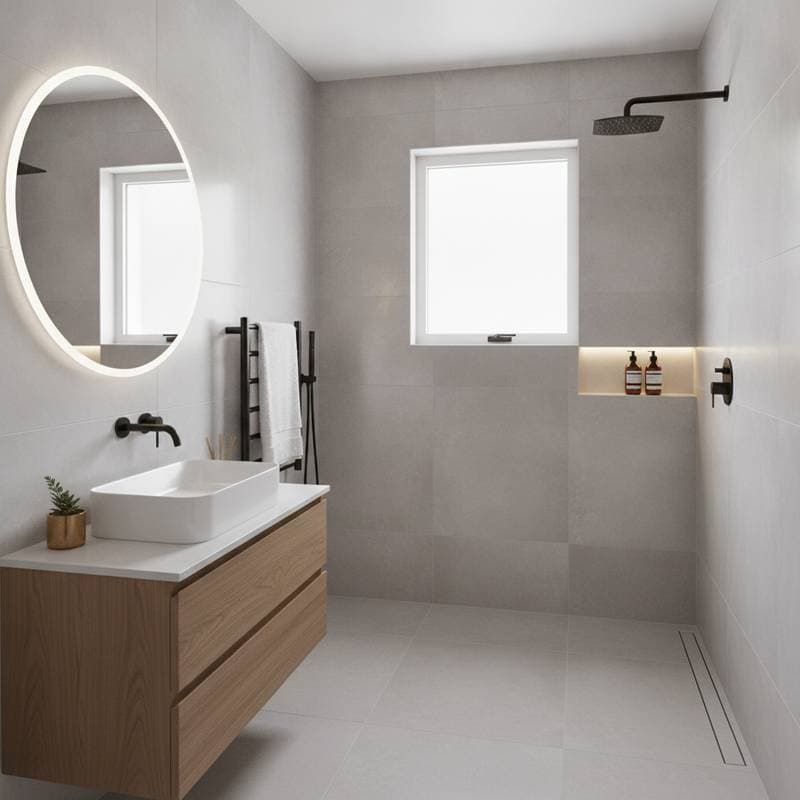
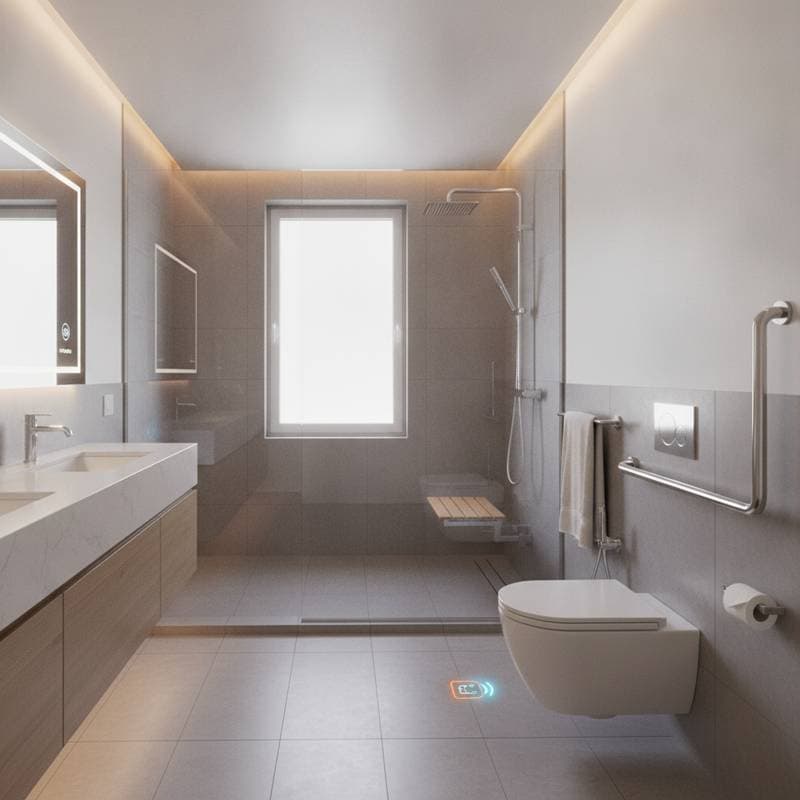
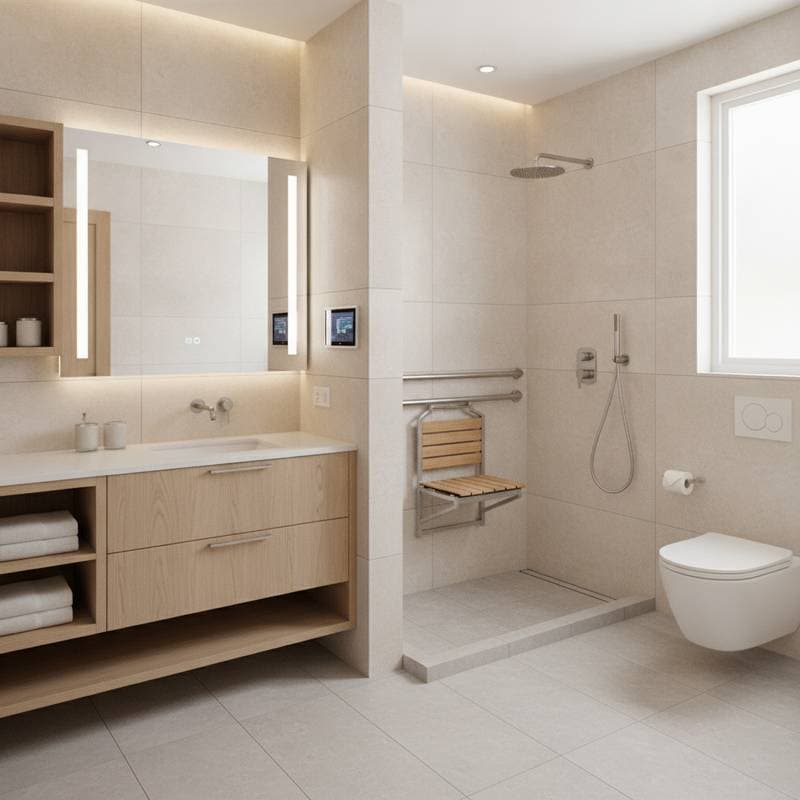
Zero-threshold showers remove trip hazards and create a streamlined appearance. Install large-format tiles or continuous flooring that extends from the bathroom into the shower zone. Prefabricated bases begin at a few hundred dollars, while custom tiled versions deliver a spa-like result.
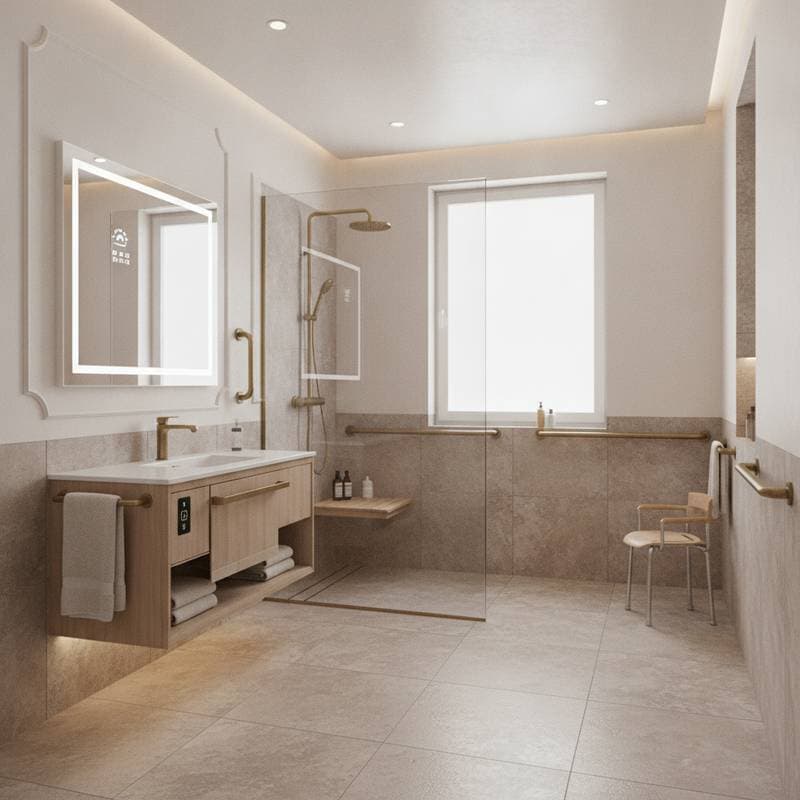
Add a built-in bench or fold-down teak seat for seated use. Apply contrasting tile on floors and walls to define zones for users with limited vision.
Grab Bars as Design Elements
Modern grab bars integrate with other hardware through matte black, brushed brass, or colored finishes. Select models that function as towel bars or shelf supports to preserve style and utility. Quality options range from under fifty dollars to several hundred depending on material and brand.
Comfort-Height Fixtures
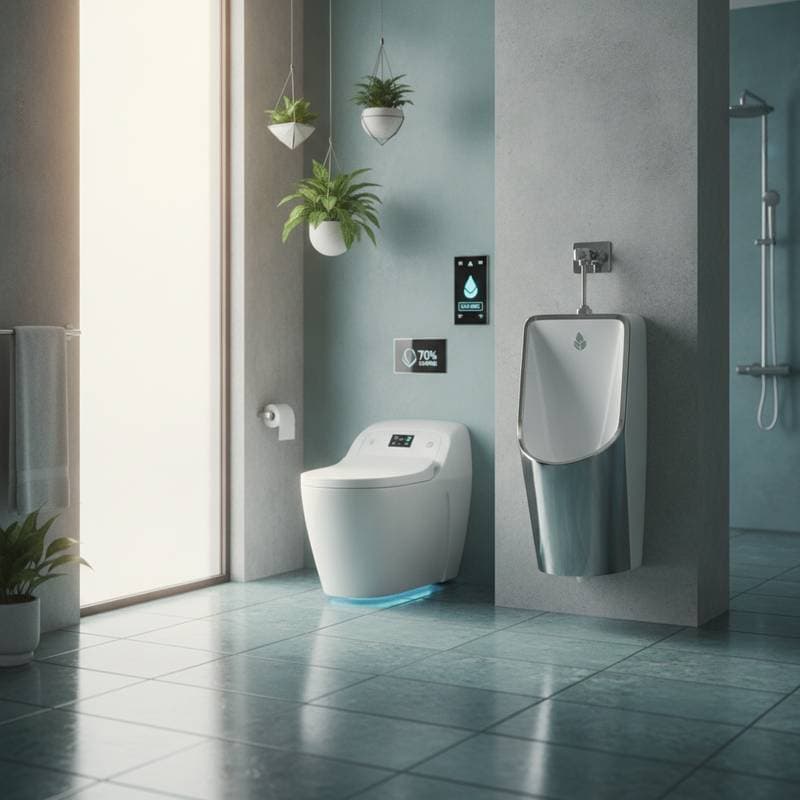
Comfort-height toilets reduce physical strain while preserving a sleek profile. Pair them with touchless flush mechanisms for easier operation. Maintain at least five feet of clear floor space for turning radius and position vanities at floating or adjustable heights.
Adaptive Lighting Systems
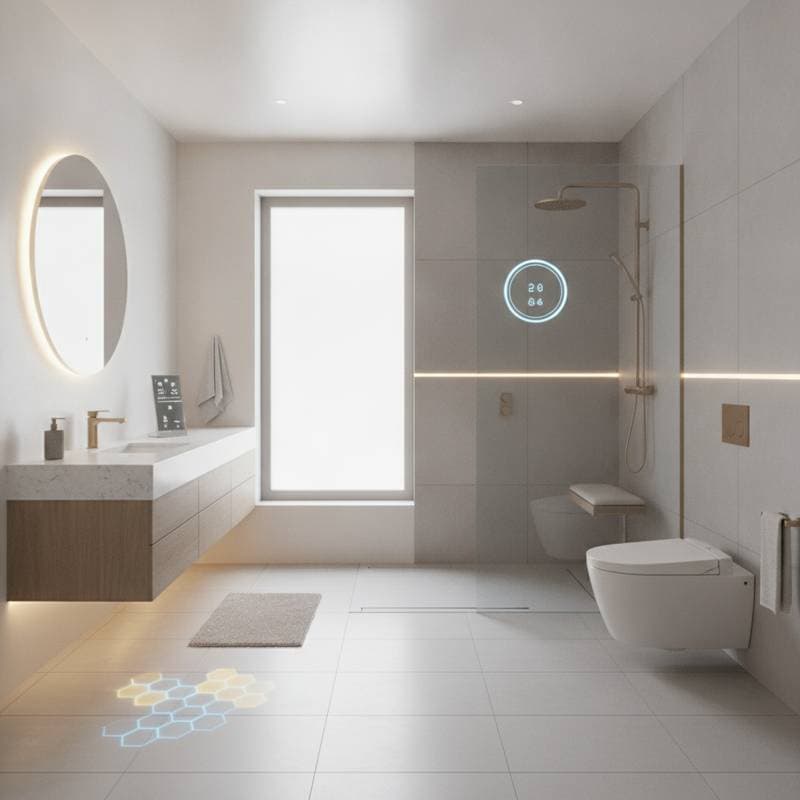
Layered lighting combines overhead fixtures with indirect sources around mirrors and cabinet bases. Motion-activated LED strips provide nighttime guidance and start at twenty dollars. Smart systems adjust brightness according to time of day or user preference.
Smart Technology Integration
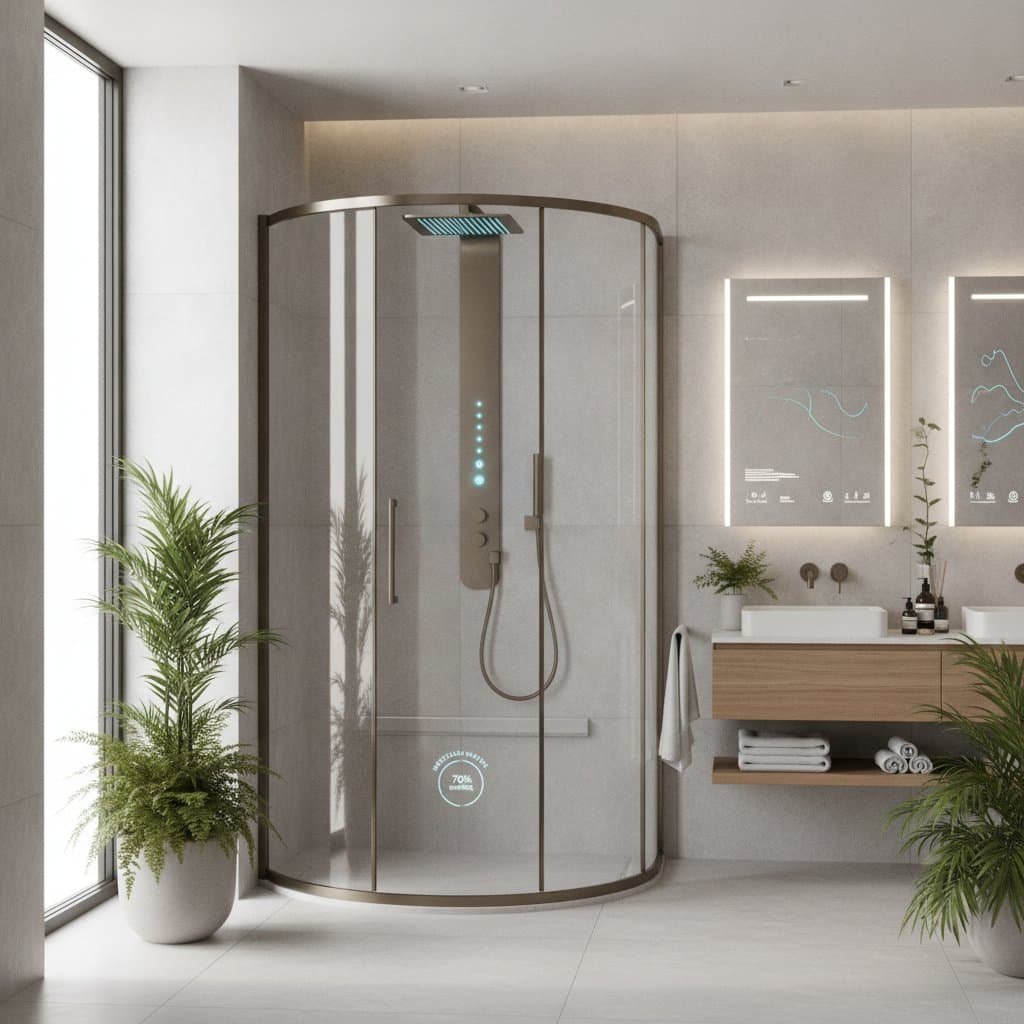
Touchless faucets, voice-controlled lighting, and digital temperature controls simplify routines for users with limited mobility. Begin with a touchless faucet kit under one hundred dollars. Add a Bluetooth mirror for hands-free audio or invest in a digital shower control that stores personalized settings.
Slip-Resistant Flooring Options
Porcelain tile with matte finishes and textured vinyl planks offer safety without sacrificing appearance. Continuous, level surfaces between rooms improve both safety and perceived space. High-quality vinyl sheet flooring provides an affordable, easy-to-clean solution in realistic wood or stone patterns.
Visual Contrast Strategies
Select wall and floor colors that create clear surface distinctions. Light cabinetry against darker flooring, or the reverse, aids navigation. Use accent tiles or colored shower controls as subtle orientation cues that remain visually intentional.
Accessible Storage Solutions
Pull-out drawers, corner lazy susans, and open shelving keep items within reach. Vertical towers and recessed niches maximize space in smaller bathrooms. Install soft-close glides and D-shaped handles for easier grip.
Motorized lift systems in vanities allow future adjustments as needs change.
Durable Material Choices
Quartz, solid-surface sinks, and ceramic tile resist moisture and simplify cleaning. Large-format tiles reduce grout lines. Epoxy grout adds stain resistance. Waterproof luxury vinyl and engineered stone panels replicate marble with lower maintenance demands.
Adapting the Space Over Time
Evaluate the bathroom regularly against daily routines. Add grab bars or a handheld showerhead as requirements evolve. Universal design supports ongoing independence through incremental updates that begin with lighting, flooring, or hardware improvements.