Future-Proof Bathrooms: Universal Design for Aging in Place
Designing bathrooms that combine accessibility with aesthetic appeal presents a rewarding challenge. These spaces must function effectively while adapting to changing needs over time. Universal design principles enable the creation of environments that remain safe, flexible, and visually pleasing for years.
Why Universal Design Benefits All Users
Universal design focuses on creating spaces usable by individuals of all ages, abilities, and sizes. This approach extends beyond accommodations for aging; it enhances daily life for children, guests, and those with temporary limitations. For instance, features like wider doorways and adjustable fixtures support diverse needs without altering the overall style.
Planning ahead ensures long-term usability. Decisions about fixture placement and surface materials influence safety and convenience. Whether updating a small powder room or constructing a primary suite, these principles maintain functionality and elegance.
Optimizing the Layout for Accessibility
An effective layout forms the core of an accessible bathroom. Prioritize at least 36 inches of clearance between fixtures to facilitate movement, whether using mobility aids or navigating with everyday items. This space promotes smooth circulation and reduces congestion.
In compact areas, strategic choices maximize openness. Opt for wall-mounted vanities to expose the floor beneath, or install pocket doors that slide into walls rather than swing outward. Such modifications preserve a sense of spaciousness while accommodating varied users.
Enhancing the Shower for Seamless Access
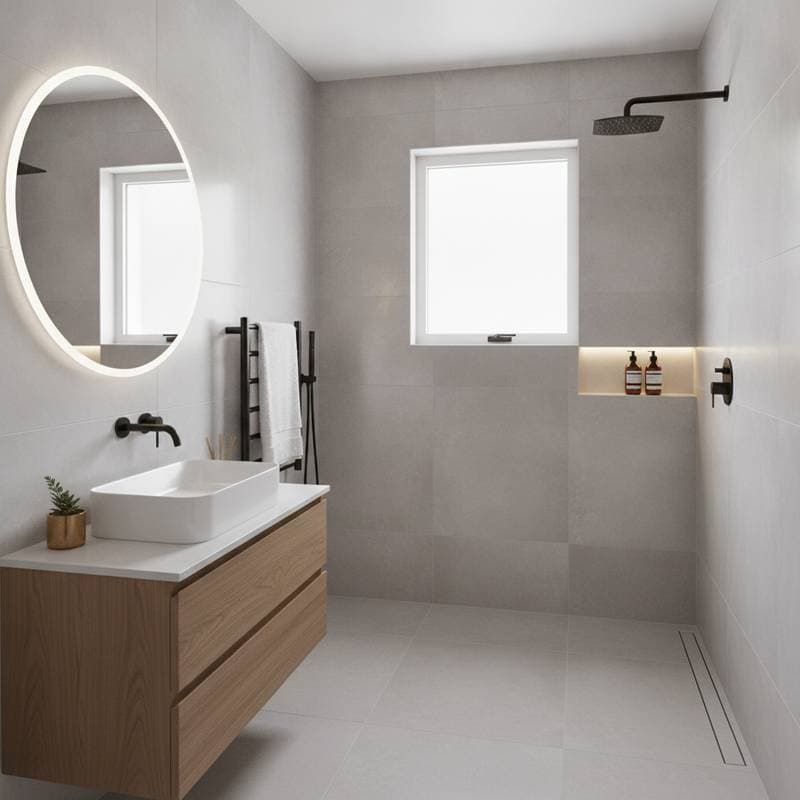
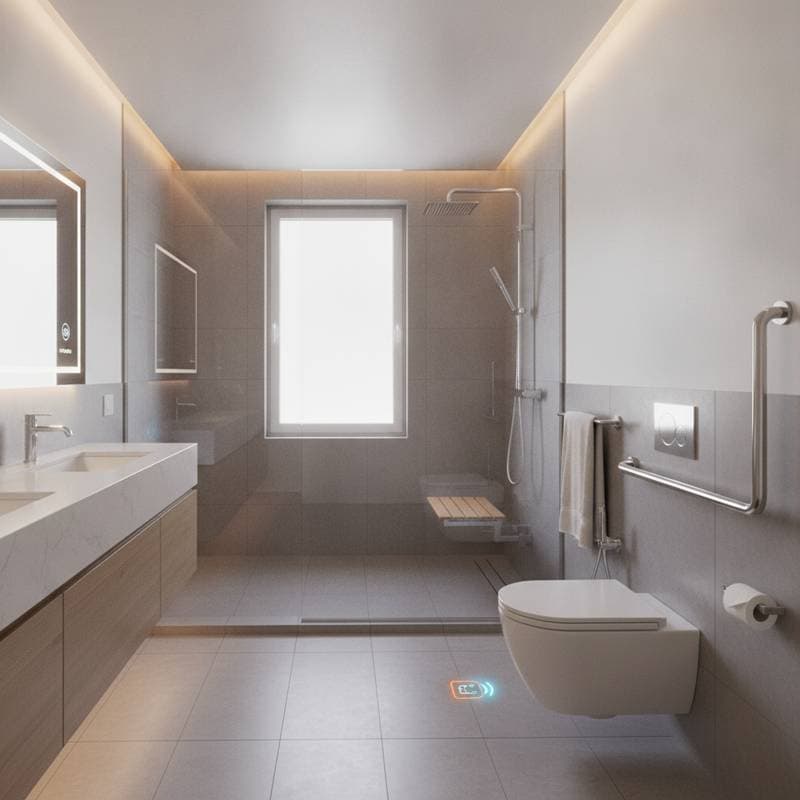
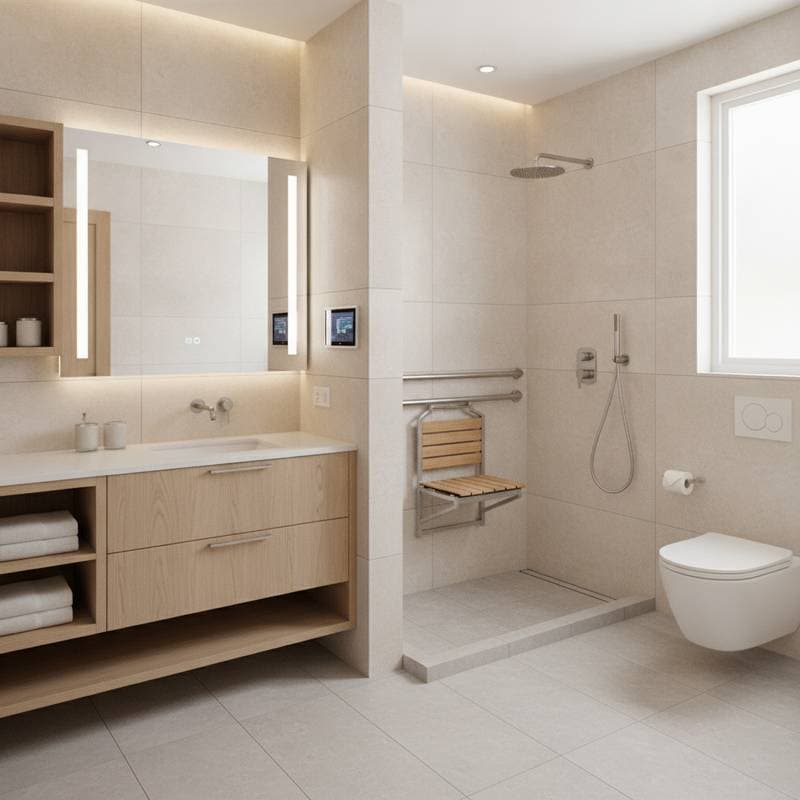
Curbless showers represent a cornerstone of universal design, removing barriers and minimizing fall risks. These installations integrate smoothly with the floor, offering a modern appearance and practical entry for all. Budget considerations allow for scalable implementations.
For basic upgrades, select large-format tiles that create a level surface with a subtle slope to the drain. Incorporate a handheld showerhead on an adjustable rail and install grab bars coordinated with existing hardware. These elements ensure safety without visual disruption.
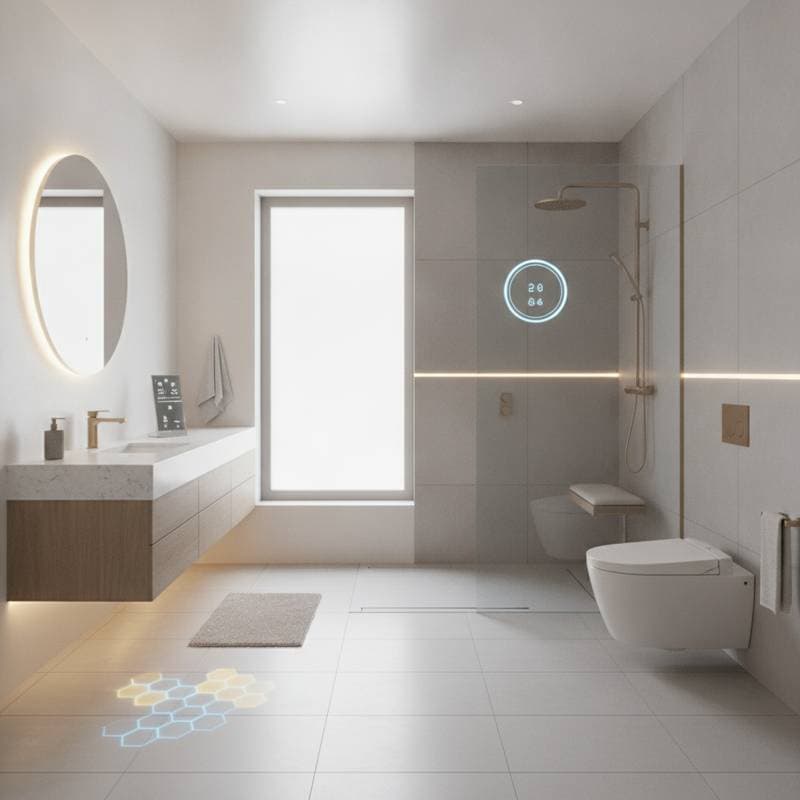
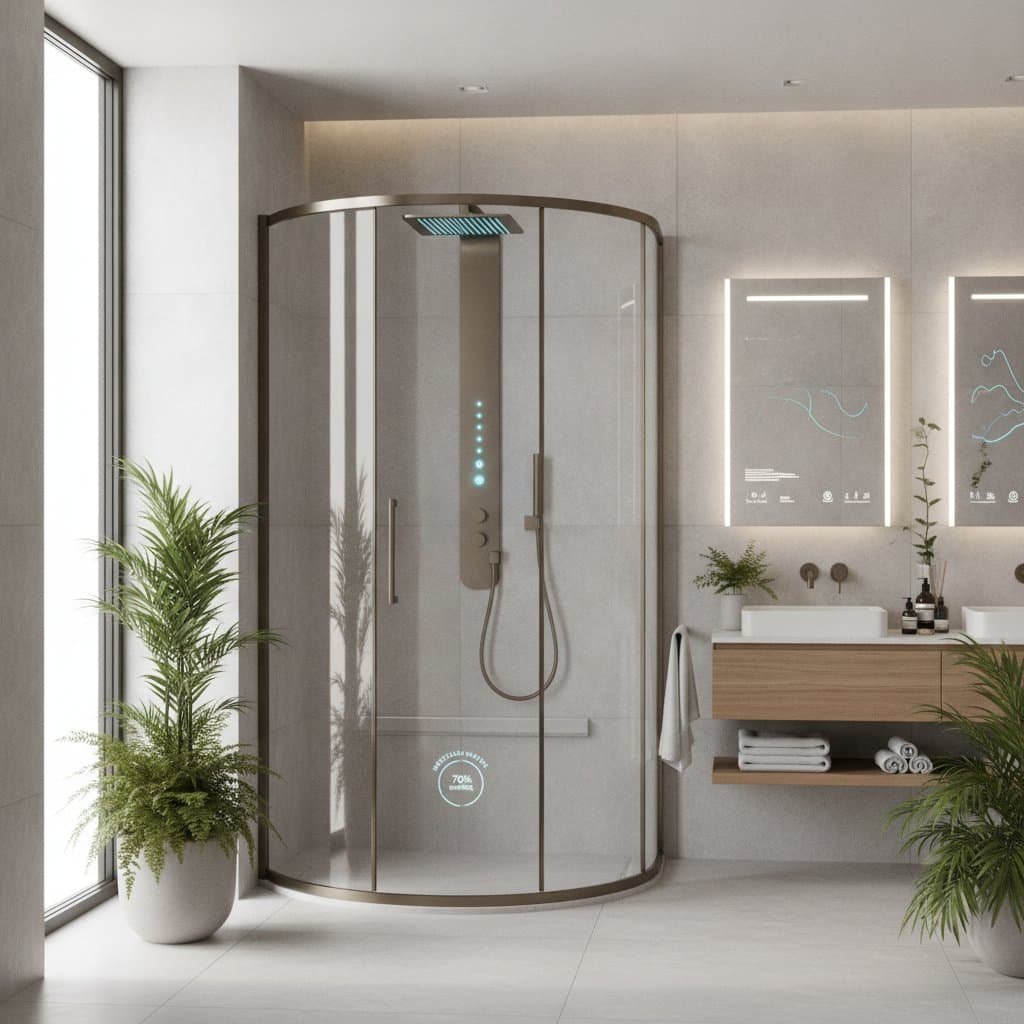
At mid-level budgets, include a foldable bench, linear drainage, and a thermostatic mixing valve to maintain steady temperatures. For premium options, develop a wet room with underfloor heating, extensive tiling, and overhead rainfall fixtures in finishes like matte black or brushed metal. Diffuse lighting within the shower area prevents shadows and enhances visibility.
Selecting Sinks and Vanities for Versatility
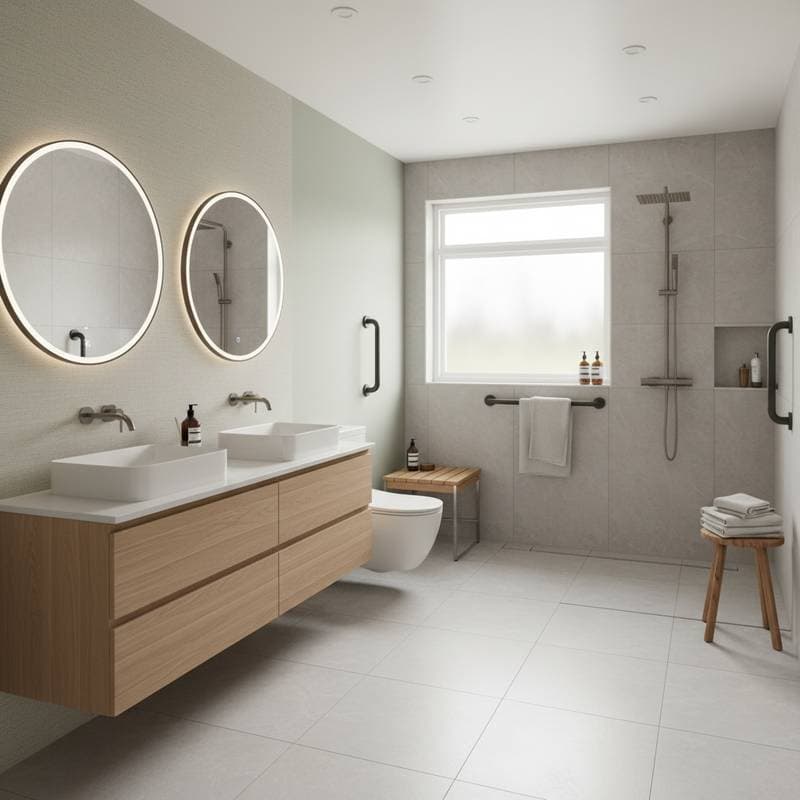
Vanities must accommodate both standing and seated positions to serve multiple users. A wall-mounted design provides clearance below for legroom and simplifies maintenance. This setup supports the addition of stools or wheelchairs as required.
Affordable solutions involve a basic console with undershelf storage and a pivoting mirror for optimal viewing angles. Mid-range vanities feature adjustable heights or extendable sections for grooming tasks. High-end models incorporate electronic adjustments and integrated lighting in mirrors to deliver even illumination.
Choosing Thoughtful Toilet Configurations
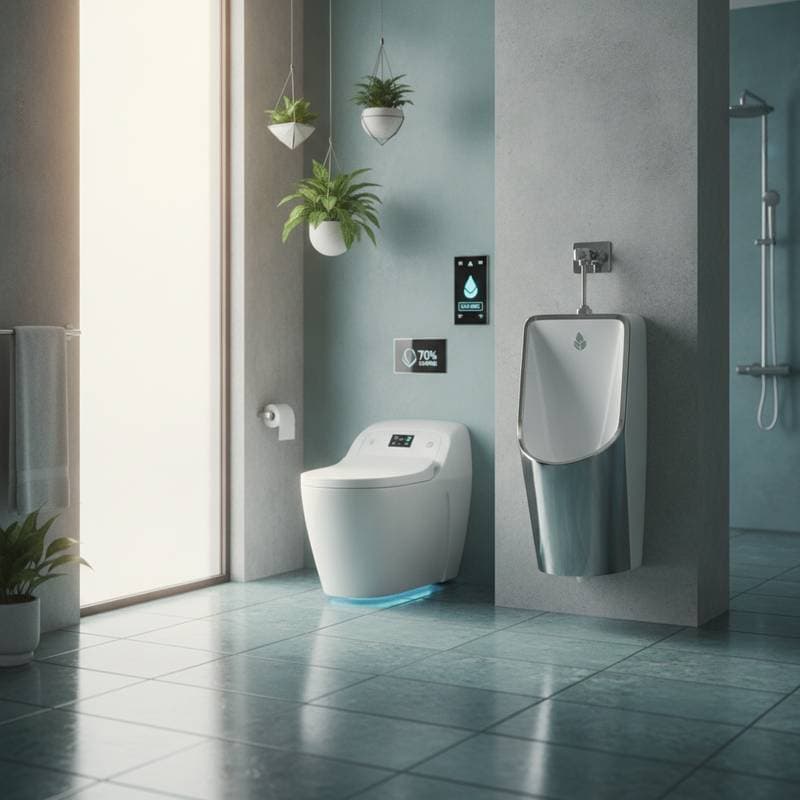
Comfort-height toilets, elevated about two inches above standard models, ease transitions for sitting and rising. Position the fixture with a minimum of 18 inches on either side to allow for support rails or assisted access. This arrangement prepares the space for future adaptations.
Entry-level changes include swapping to a comfort-height unit and attaching temporary grab bars to the wall or tank. Intermediate selections feature wall-mounted designs with concealed reservoirs for a clean profile. Advanced choices encompass intelligent toilets offering bidet washing, seat warming, and automatic operations.
Implementing Adaptive Lighting Strategies
Strategic lighting enhances safety and ambiance in bathrooms. Combine general overhead illumination with focused task lights at mirrors and low-level options for orientation. Dimmable systems allow customization for different times of day or activities.
Motion-activated sensors provide hands-free activation, ideal for low-light conditions. Tunable LED fixtures can shift from bright daylight tones to warmer hues, fostering comfort. These layered approaches eliminate glare and shadows effectively.
Incorporating Accessible Storage Solutions
Effective storage keeps items reachable without excessive effort. Pull-out shelves and drawers outperform fixed cabinets by bringing contents forward. Open shelving suits frequently used goods like linens and toiletries.
Upper cabinets benefit from descending racks, while base units gain from rotating organizers. Select lever-style pulls over round knobs for better grip. Even modest additions, such as wall hooks or adhesive racks, introduce functionality without structural changes.
Prioritizing Safe and Attractive Surfaces
Non-slip flooring remains essential for preventing accidents across all user groups. Materials like matte porcelain, etched stone, or resilient vinyl provide traction while maintaining elegance. Extend matching surfaces from floors into showers for continuity and expanded visual space.
Minimize grout joints to under one-eighth inch to avoid raised edges. Routine additions, such as absorbent rugs with secure backing, offer immediate improvements. These choices balance durability, cleanliness, and style.
Integrating Subtle Detail Enhancements
Minor adjustments yield significant usability gains. Lever faucets require less dexterity than twist handles, and bullnosed counter edges reduce injury risks. Color contrasts between elements aid visual navigation, particularly for those with impaired sight.
These features integrate seamlessly into designs. For example, dark hardware against light backgrounds delineates paths clearly while contributing to a sophisticated palette.
Leveraging Technology for Intuitive Control
Modern technology elevates universal bathrooms through automation. Voice commands operate lights and fans, while sensor-based faucets minimize contact. Humidity detectors activate ventilation to control moisture levels.
Digital interfaces store user preferences for water temperature or lighting scenes. Entry-level integrations include smart plugs for existing devices or wireless speakers for audio assistance. These tools enhance independence and convenience.
Harmonizing Accessibility with Personal Style
Universal design integrates effortlessly with individual tastes. Select tiles with subtle patterns, wood accents, or metallic hardware to infuse character. Greenery introduces organic elements, softening the environment.
Layer textures and tones for visual interest. Neutral bases paired with varied finishes create inviting depth. The result is a sanctuary that prioritizes well-being alongside beauty.
Steps to Implement Universal Design
Begin by assessing current space constraints and priorities. Focus on circulation paths and essential fixtures during planning.
- Measure clearances around toilets, sinks, and showers to ensure adequate maneuvering room.
- Select adaptable fixtures like adjustable vanities and curbless entries.
- Install safety features including grab bars, slip-resistant floors, and layered lighting.
- Choose durable, versatile materials that support long-term use.
- Incorporate stylistic elements such as coordinated colors and textures to personalize the space.
Realizing the Benefits of Universal Design
A completed universal bathroom streamlines routines and promotes confidence. Features operate intuitively, supporting active living without overt emphasis on adaptations. This design philosophy invests in sustained comfort and autonomy, allowing residents to thrive in their homes over time.