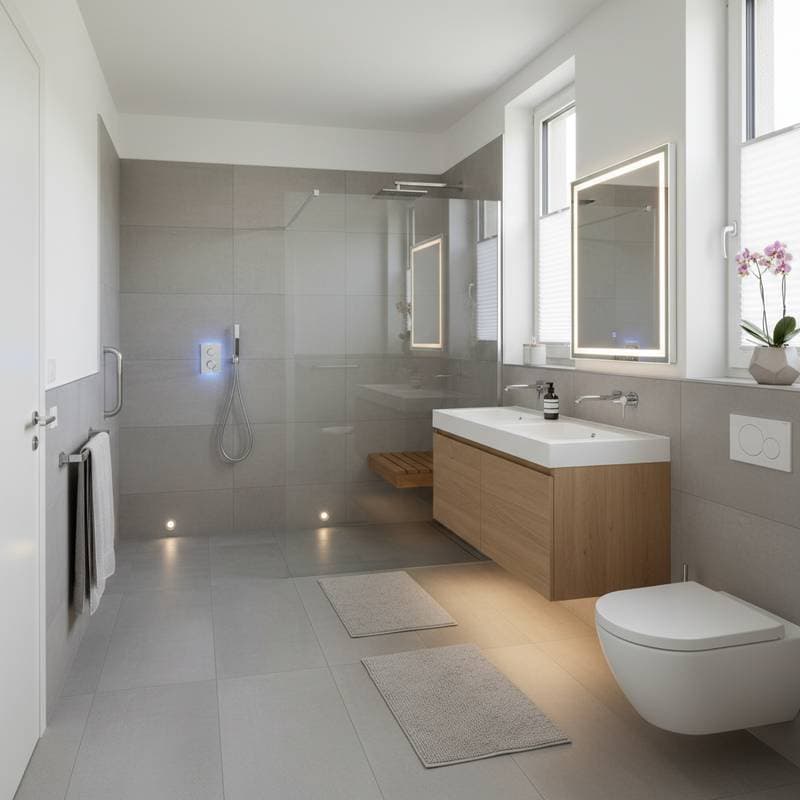
2025 Technologies for Safer Aging-in-Place Bathrooms
Aging in place requires a home environment that prioritizes safety and autonomy. Bathrooms account for the majority of serious falls, and as a contractor specializing in accessibility remodels, this area demands innovative solutions. Recent technological advancements address these needs effectively, offering practical and unobtrusive features that enhance daily routines without resembling a clinical setting.
The following recommendations highlight key tech integrations for long-term bathroom remodels tailored to older adults.
1. Thermostatic Valves for Precise Scald Prevention
Hot water poses a significant burn risk, particularly when response times diminish. Contemporary thermostatic valves feature digital interfaces that maintain exact temperatures and halt flow if limits exceed safe thresholds. These systems ensure consistent warmth during showers.
Professionals often position controls just outside the shower threshold for easy access. Homeowners can preset preferred levels, allowing them to activate water flow from a stable position. This adjustment minimizes both thermal injuries and entry-related slips.
2. Motion-Sensing and Voice-Activated Illumination
Inadequate lighting conceals hazards and disrupts equilibrium. Motion-activated systems address this by illuminating spaces gradually upon entry, providing optimal visibility without glare. Voice commands further empower users with mobility limitations to manage lights effortlessly.
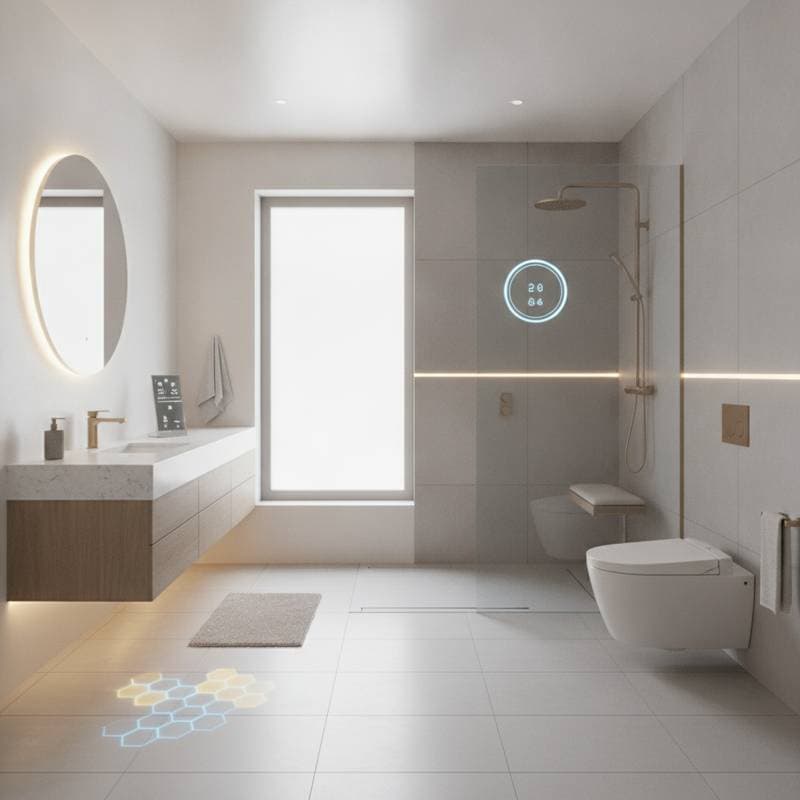
Installations frequently incorporate low-level guides along baseboards and cabinetry undersides. These activate on detection of movement, offering subtle guidance during nocturnal visits. Such measures substantially reduce incidents in low-light conditions.
3. Advanced Slip-Resistant Flooring with Monitoring Capabilities
Standard non-slip surfaces offer basic protection, yet emerging options integrate sensors for proactive alerts. These detect persistent moisture and notify residents or caregivers via connected devices. Additional monitoring of humidity and temperature helps avert mold issues.
Opt for matte-finish vinyl or porcelain tiles certified for wet traction. For enhanced vigilance, incorporate stability-assessing mats that trigger notifications upon detecting instability. These elements combine durability with intelligent oversight.
4. Adaptive Fixtures for Enhanced Accessibility
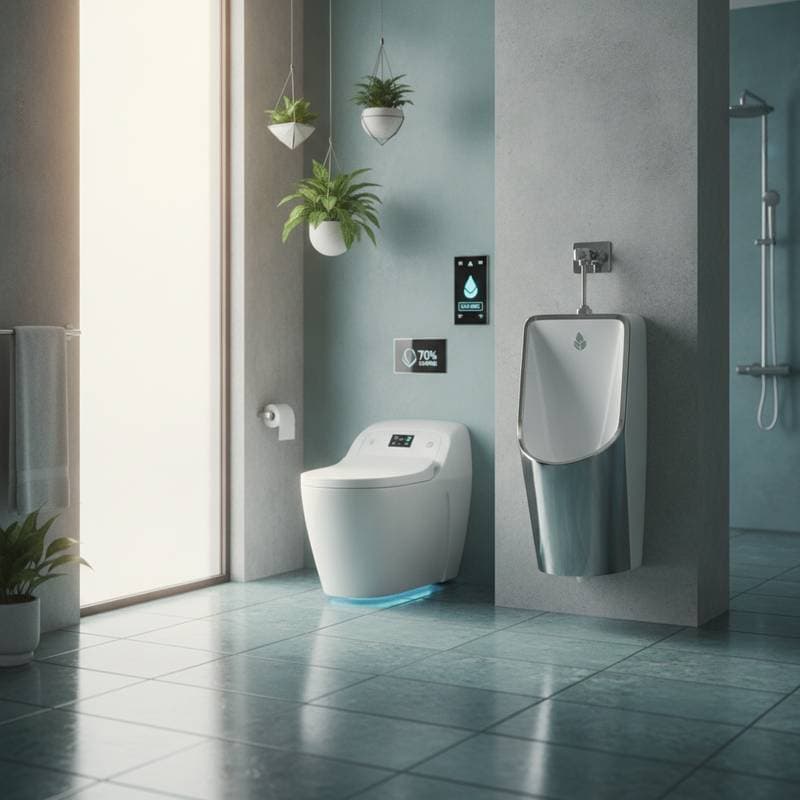
Current faucets, showerheads, and toilets incorporate sensors and automation for user-friendly operation. Sensor-based faucets eliminate manual twisting, easing strain on joints affected by arthritis. Integrated timers automatically cease flow to avoid overflows.
Height-adjustable components accommodate varying needs through remote or button controls. These reduce physical exertion on the spine and legs, supporting prolonged independence. Shared bathrooms benefit from such versatility across users.
5. AI-Enhanced Monitoring and Alert Systems
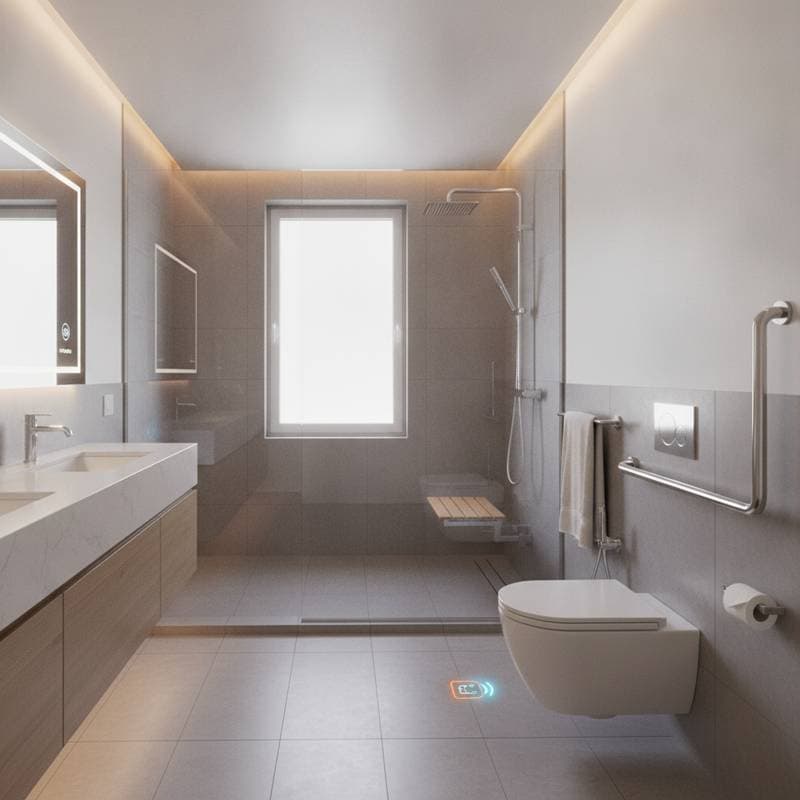
Integrated smart home platforms now deploy bathroom-specific sensors for fall detection. AI analyzes movement patterns to identify anomalies like sudden drops or immobility. This approach functions passively, bypassing the need for manual activation.
In remodel projects for seniors, these systems deliver reassurance to families without compromising privacy. Select models with secure data transmission and customizable alert recipients. Proper configuration ensures reliable performance.
6. Advanced Walk-In Tubs and Shower Configurations
Curbless showers and walk-in tubs form the core of accessible designs. Updated versions include rapid-drain mechanisms to expedite exit times and digital controls to regulate fill levels precisely. These prevent overflows and streamline use.
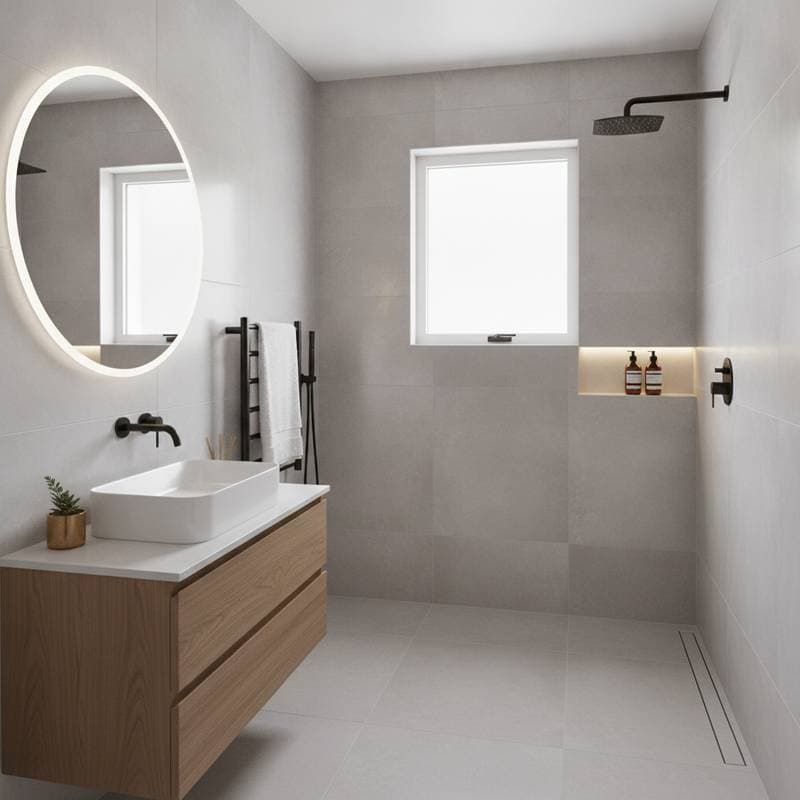
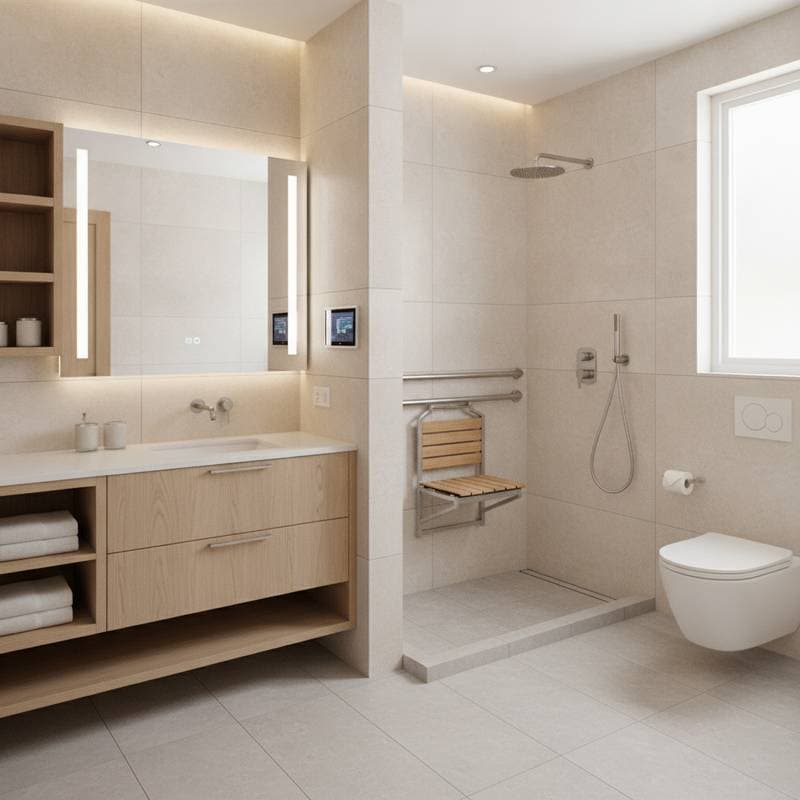
Thermostatic valves in showers maintain steady temperatures alongside intuitive interfaces. Foldable benches and linear edge drains create seamless, stylish entries compliant with accessibility codes. These features balance functionality and aesthetics.
7. Voice Assistant Integration for Seamless Control
Voice assistants extend beyond entertainment to serve as practical safety aids. Users issue commands to modulate lights, activate exhaust fans, or deactivate water sources. Embedding these in remodels provides affordable enhancements to usability.
One project involved programming a system to initiate soothing audio during bathing sessions and issue post-shower medication prompts. Such routines alleviate cognitive loads and foster consistent habits amid age-related changes.
8. Radiant Heating and Visibility Enhancements
Chilled floors heighten slip dangers and discomfort. Radiant underfloor heating resolves this while regulating ambient moisture. Smart thermostats adapt to habits, optimizing efficiency through learned patterns.
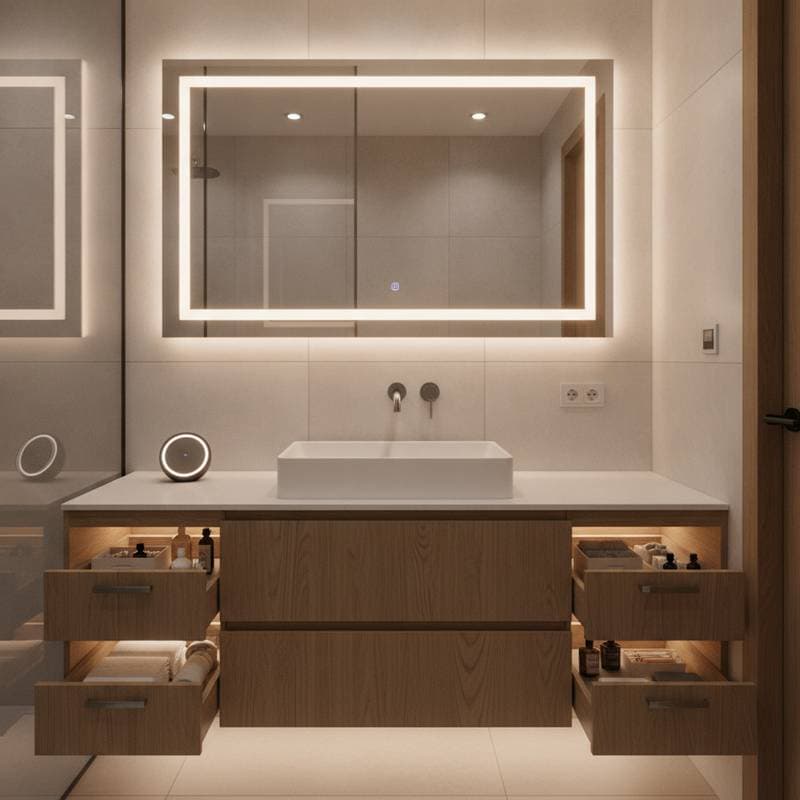
Defogging mirror technologies ensure clear reflections at all times. For those with visual impairments, these paired with uniform lighting simplify personal care tasks. The upgrades elevate both safety and daily convenience.
9. Secure Waterproof Communication Solutions
Accessible waterproof intercoms or panels within the bathroom enable rapid emergency contact. Proximity to standard phones proves insufficient in critical moments. Network-connected units facilitate instant calls for assistance.
Position these near high-use areas like showers or commodes. Motion or voice triggers simplify operation during distress, removing barriers to help-seeking. Integration bolsters overall response capabilities.
Sustaining Safety Through Installation and Upkeep
Technological enhancements significantly fortify bathroom safety for aging in place, provided installation adheres to standards and maintenance remains diligent. Routine checks verify operational integrity across all components.
Engage contractors versed in accessibility and smart systems integration. They confirm compliance with electrical codes, secure plumbing, and harmonious system interactions. These steps safeguard investments and user well-being.
Ultimately, well-designed bathrooms preserve autonomy and comfort while mitigating risks. Strategic tech adoption yields enduring benefits, averting costly interventions and promoting sustained confidence.