Why Aging-in-Place Bathroom Retrofits Are Trending Now
More homeowners choose to remain in their residences as they age. The bathroom often becomes the first area they adapt for long-term use. Aging-in-place design now emphasizes comfort, safety, and style suitable for every life stage. Thoughtful changes in this compact space can improve daily routines significantly.
The Growing Appeal of Aging-in-Place Design
Aging-in-place solutions once carried a clinical tone. Current approaches integrate beauty with function to serve users of all abilities. Homeowners view these projects as investments that enhance both quality of life and property value. Renovations planned for personal use, family members, or future needs deliver lasting returns.
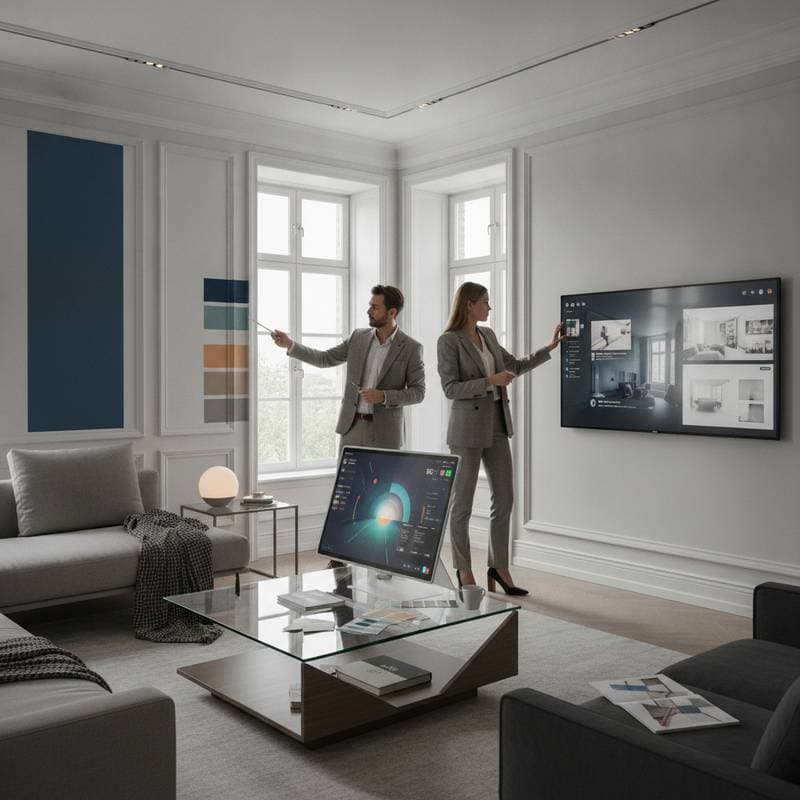
Media demonstrations show how accessibility features can appear luxurious. Viewers observe replacements of traditional tubs with curbless showers and conversions of cramped vanities into open, spa-like layouts. These modifications combine practicality with visual appeal.
Safety Meets Style
Safety forms the core of aging-in-place planning. Effective designs integrate functional elements without creating an institutional appearance. Successful retrofits merge utility and aesthetics so that accessibility features remain unobtrusive.
Key upgrades that support both safety and appearance include the following:
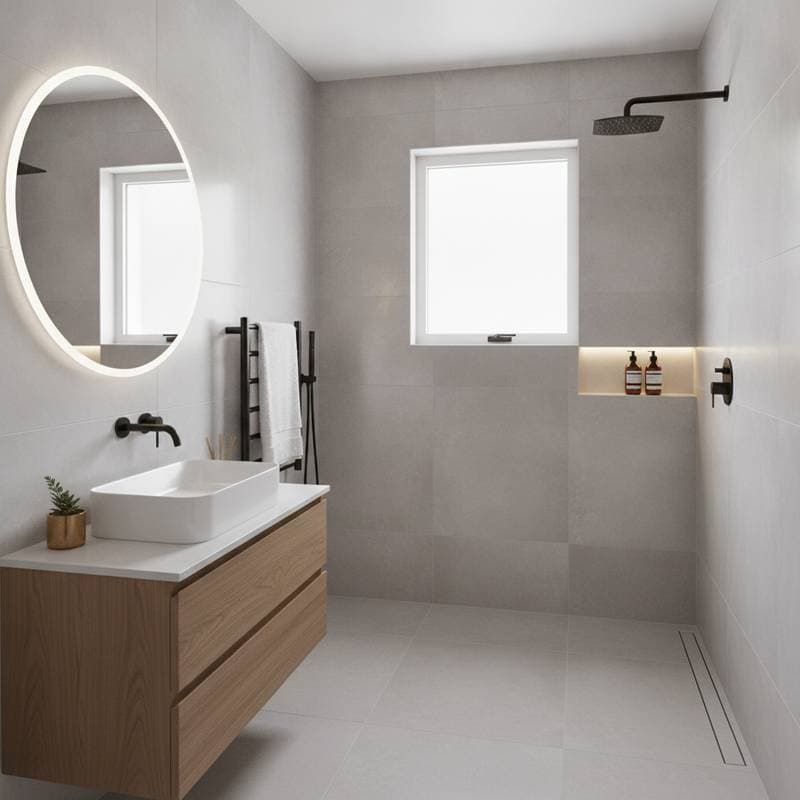
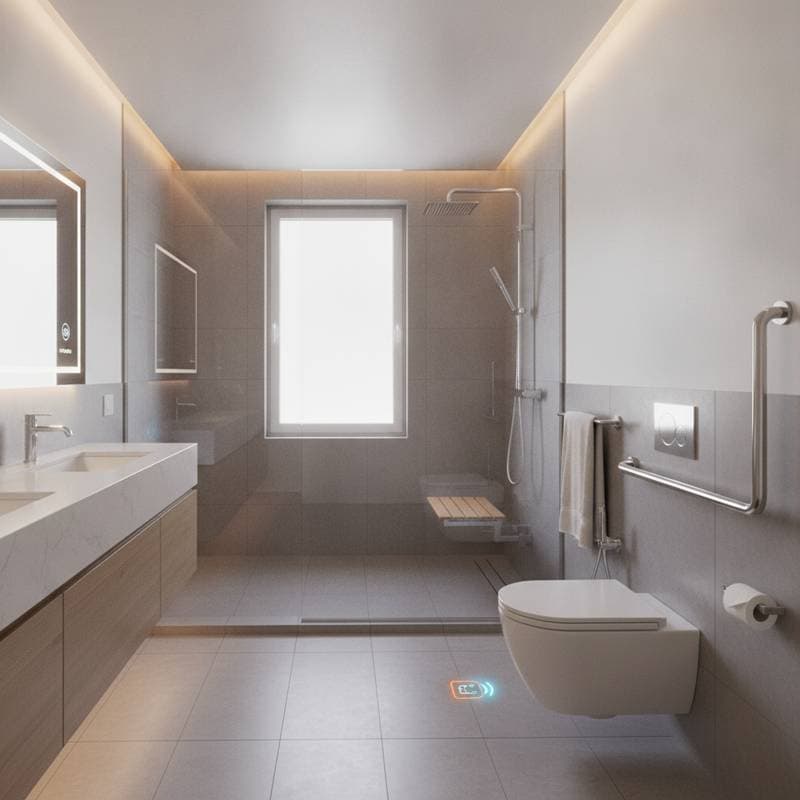
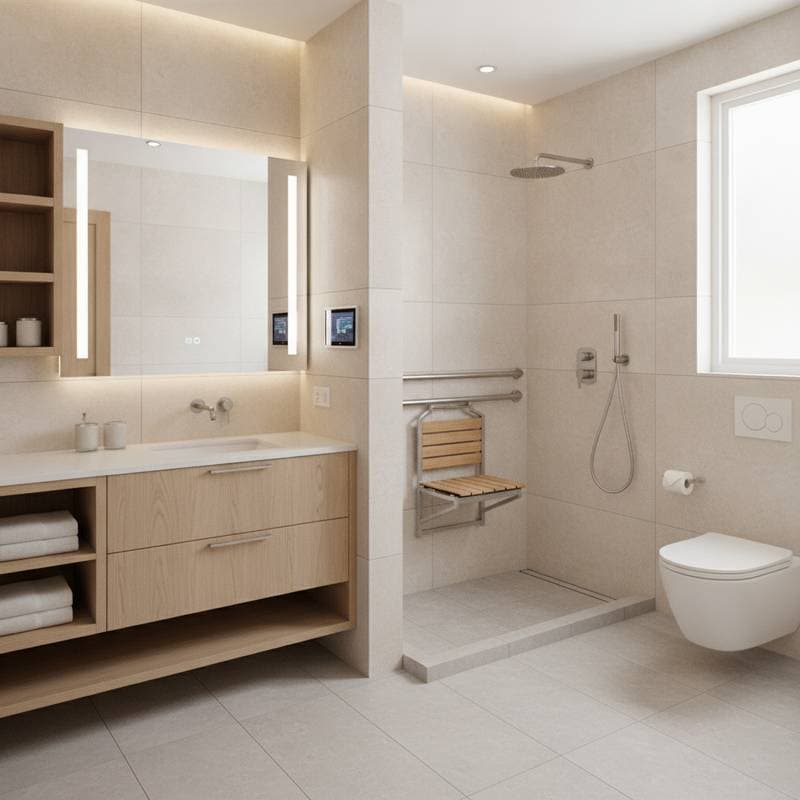
- Curbless showers eliminate trip hazards and expand visual space in smaller rooms. Linear drains add a contemporary detail.
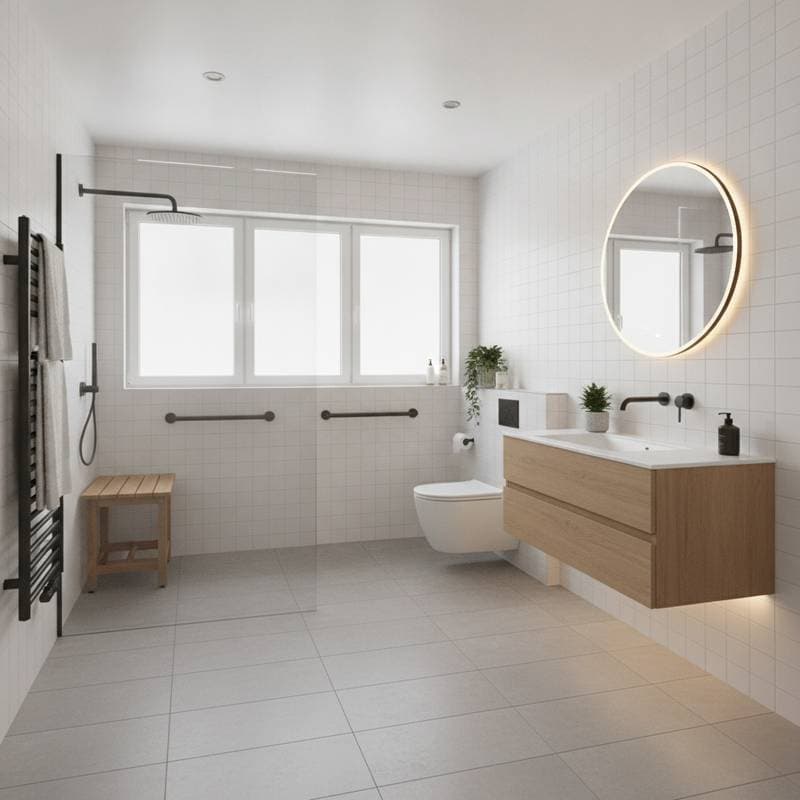
- Grab bars styled as towel racks come in finishes such as brushed brass or matte black and serve dual purposes.
- Slip-resistant porcelain tiles provide durability and water resistance while maintaining a refined surface.
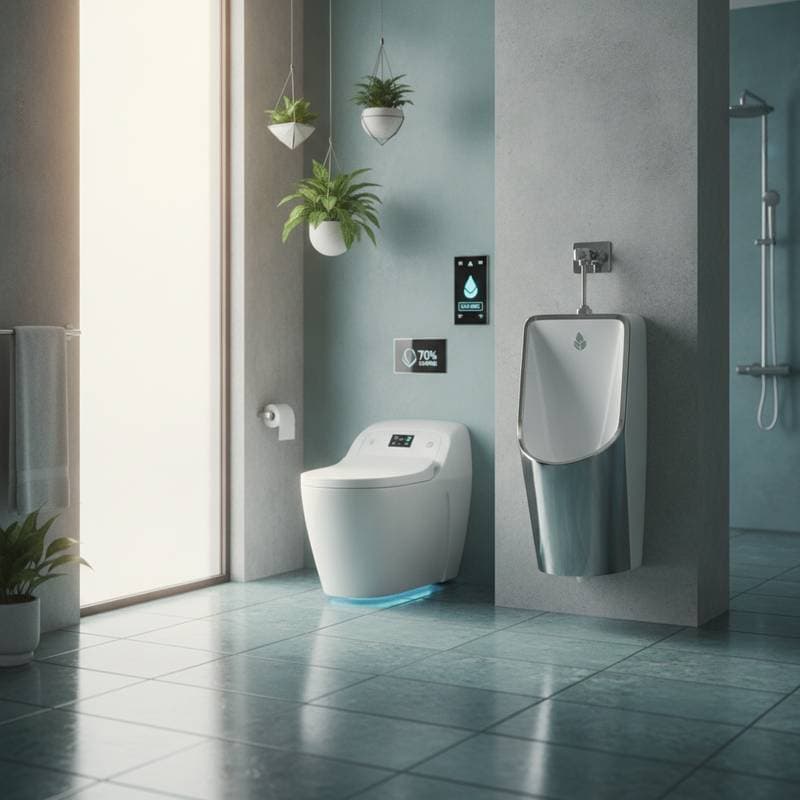
- Comfort-height toilets ease transitions for users across age groups.
These improvements fit varied budgets. A coordinated grab bar can be installed for less than sixty dollars. Slip-resistant vinyl flooring starts below three dollars per square foot. Prefabricated curbless shower units begin near nine hundred dollars.
Design for Every Budget
Essential modifications deliver strong returns even with limited resources. Lever-style faucets improve grip. Brighter LED fixtures reduce shadows. Contrasting tile colors highlight transitions and edges.
Mid-range projects benefit from larger wall tiles that simplify cleaning. Handheld showerheads mounted on adjustable bars allow height customization. Fold-down shower seats can be added for under two hundred dollars.
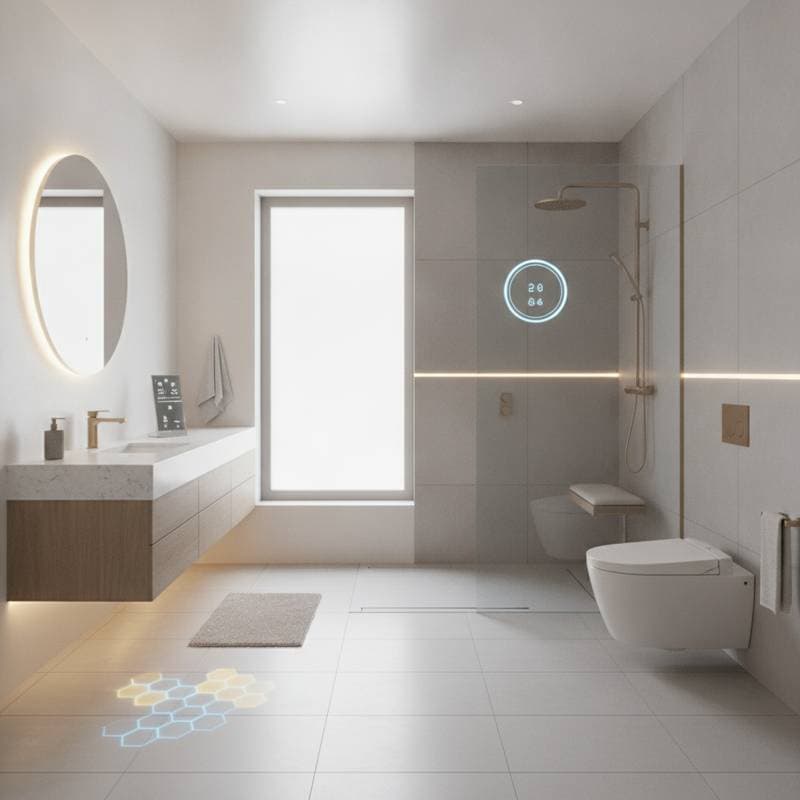
Higher budgets support custom cabinetry with pull-out storage, integrated lighting, and floating vanities. Each selection should reflect actual household routines.
Universal Design Is for Everyone
Universal design creates environments usable by people of any age or ability. The same principles benefit families with children, working professionals, and retirees. Open layouts, ample lighting, and minimal clutter produce spaces that photograph well and function efficiently.
Innovation and Product Development
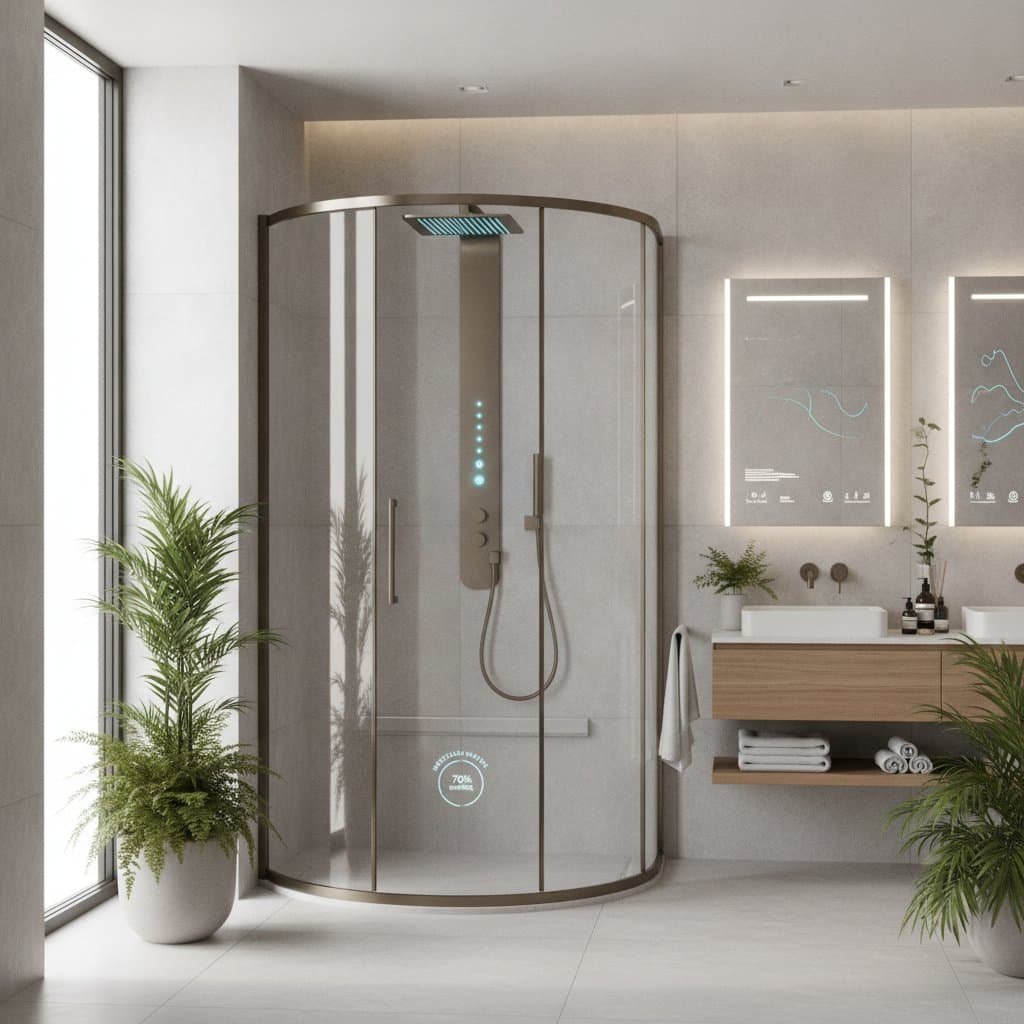
Manufacturers now supply fixtures that combine accessibility with refined aesthetics. Examples include grab bars with integrated shelving, motion-activated faucets, and mirrors with built-in lighting controls. These items moved from specialized offerings to standard selections.
Media Influence and Real-Life Inspiration
Television and digital content have presented aging-in-place solutions as desirable rather than merely necessary. Homeowners see demonstrations of independent movement after targeted updates. Such examples encourage others to pursue similar improvements.
Maintaining the Updated Space
After completion, the bathroom serves as a reliable setting for daily activities. Keep pathways unobstructed. Use accessories that can be changed easily. Preserve consistent lighting levels. These steps allow the design to adapt as needs evolve.