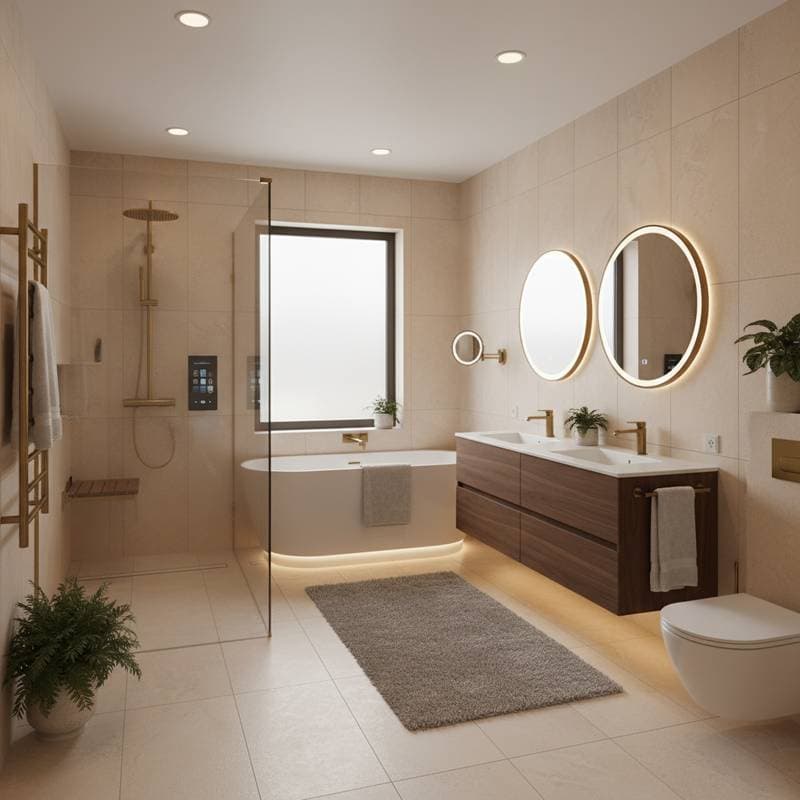
Introduction to Luxurious Accessibility
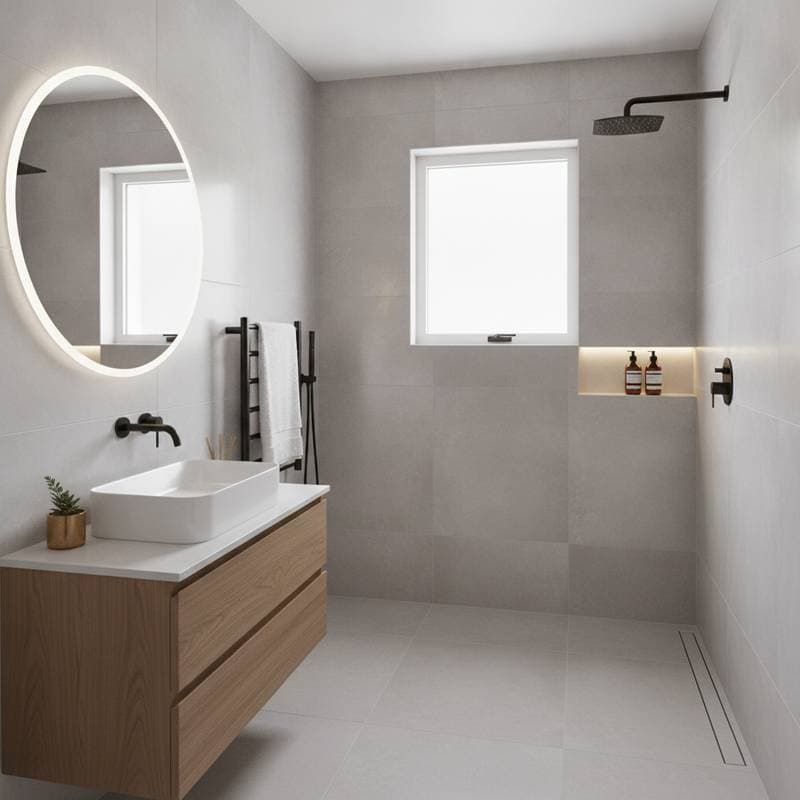
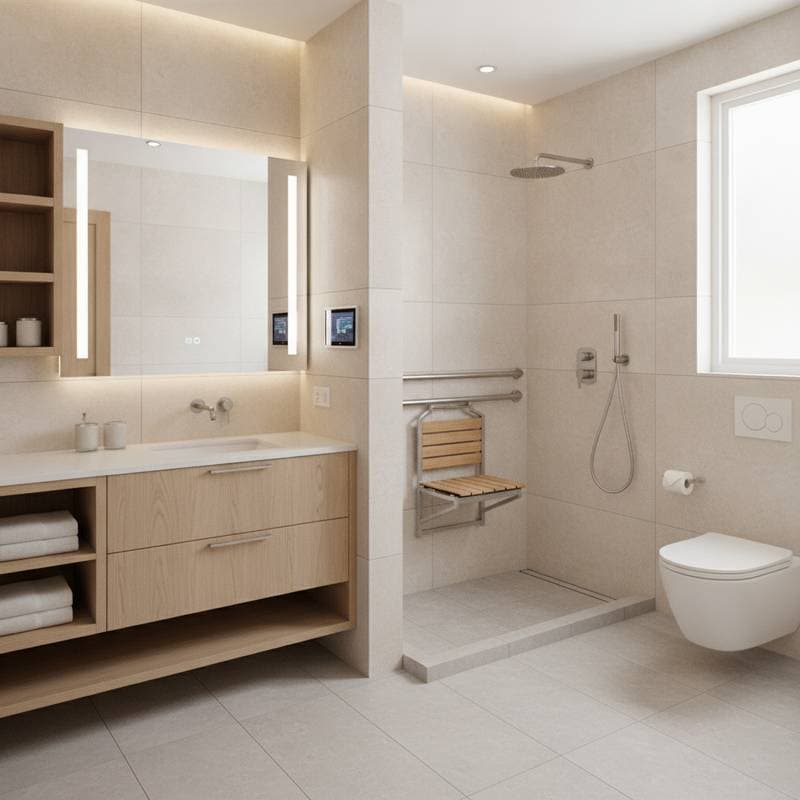
Bathroom renovations focused on aging in place have evolved significantly. These spaces now prioritize both safety and sophistication, allowing individuals to maintain their independence while enjoying spa-like comfort. Designers achieve this balance through universal design principles that incorporate subtle, high-end features. The result is an environment that feels inviting rather than restrictive.
Key elements include wider entryways, adaptive fixtures, and smart technologies that respond to user needs. Professional guidance ensures seamless integration of these components. Homeowners benefit from spaces that adapt over time, supporting long-term wellness and confidence.
Core Accessibility Features for Seamless Mobility
Effective design begins with foundational elements that facilitate movement and ease of use. These features prevent common hazards while preserving an upscale atmosphere. Consider the following essentials when planning a renovation.
-
Doorways measuring at least 36 inches wide. Such dimensions provide unobstructed access for wheelchairs and other mobility aids, ensuring smooth entry and exit.
-
A turning radius of 60 inches. This space allows for complete rotation within the room, accommodating walkers, scooters, or wheelchairs without obstruction.
-
Lever-style handles in place of traditional knobs. These require less grip strength, making doors and cabinets accessible for those with arthritis or reduced dexterity.
-
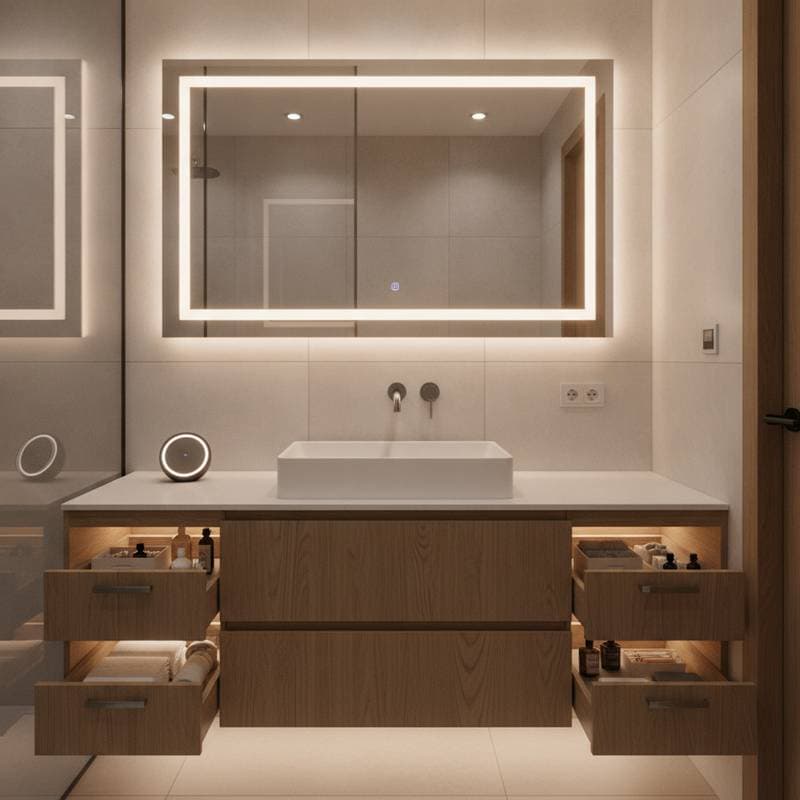
Strategic lighting placement. Position fixtures to eliminate mirror glare and locate switches within reach from seated positions, enhancing visibility and safety.
-
Non-slip mats or integrated traction surfaces. Install these in high-risk areas near sinks, toilets, and showers to minimize fall risks on wet floors.
-
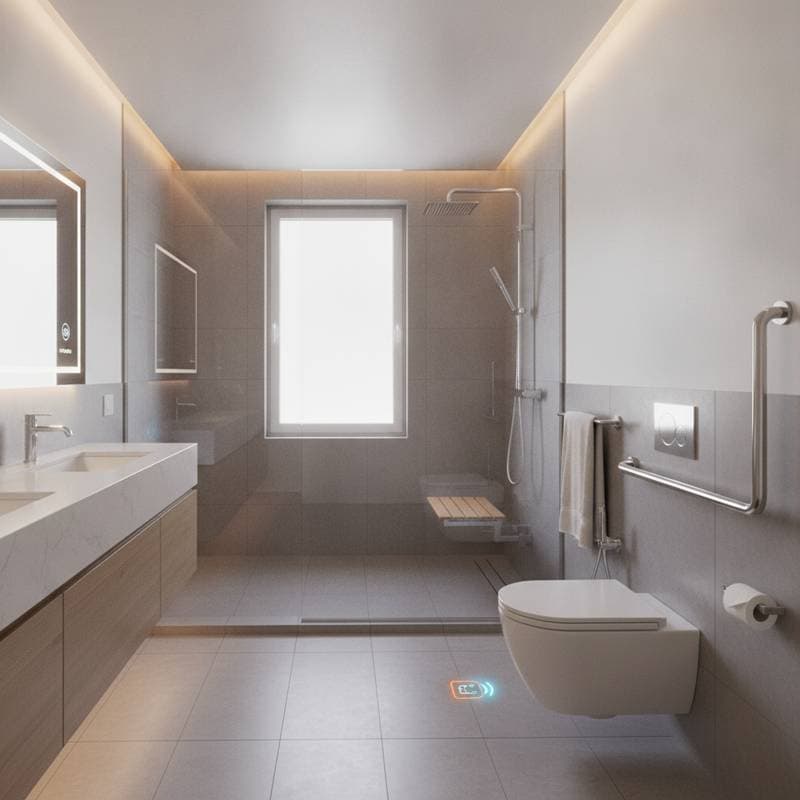
Grab bars with concealed mounting. Opt for sleek, finish-matched bars that provide support without altering the room's aesthetic appeal.
-
Adjustable-height fixtures. Sinks and counters that can be lowered or raised accommodate varying mobility levels, promoting versatility.
These elements form the backbone of an accessible layout. They integrate naturally into luxury designs, avoiding a clinical appearance.
Integrating Smart Technology for Enhanced Safety
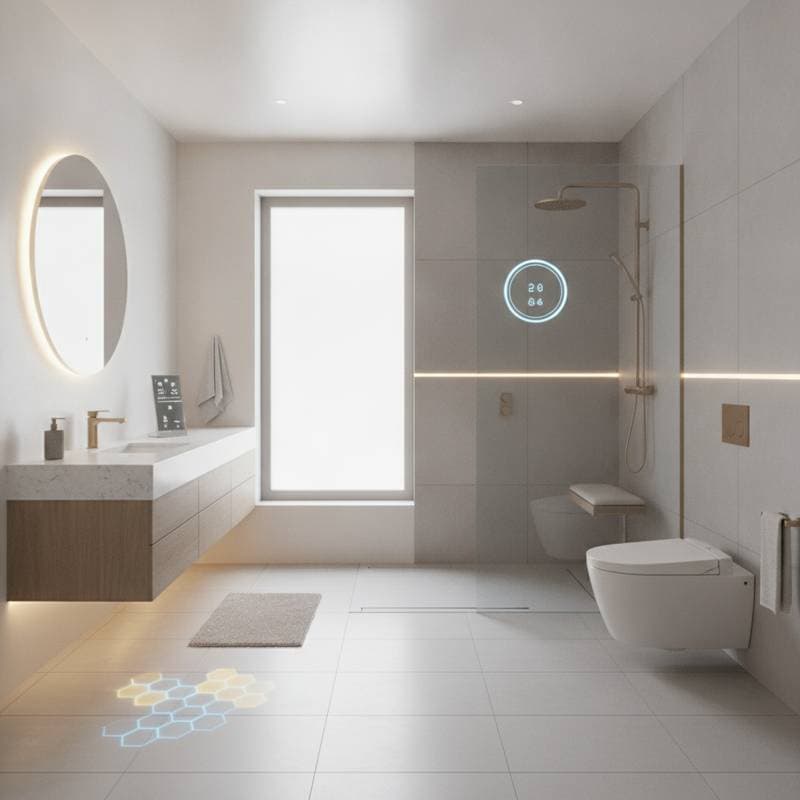
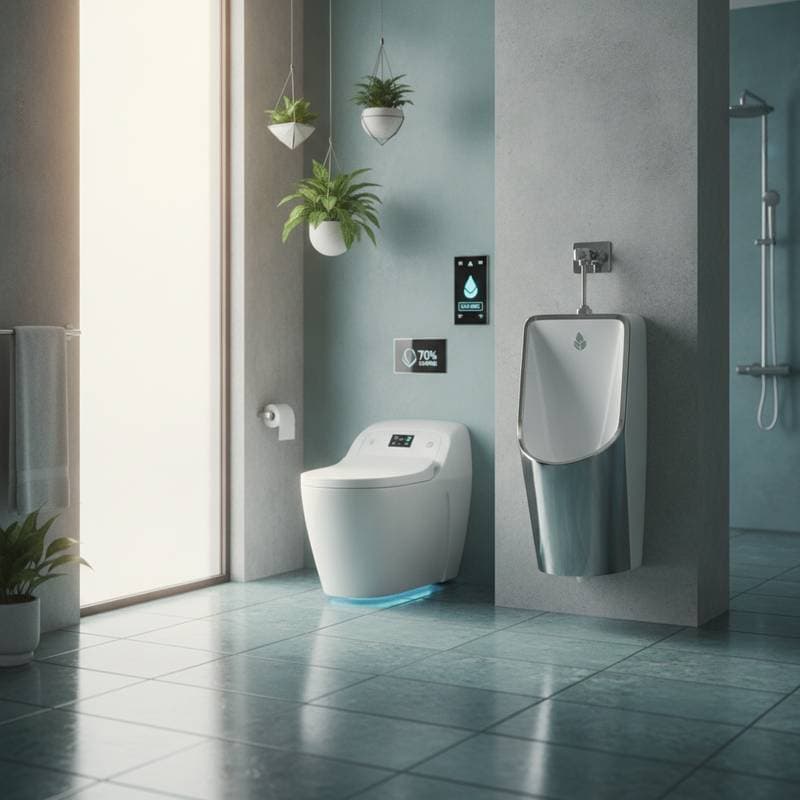
Technology elevates accessibility beyond basic modifications. Voice-activated controls for showers and faucets allow hands-free operation, ideal for those with limited mobility. Motion-sensor lighting activates automatically, reducing the need to fumble in low light.
Heated floors and towel warmers add comfort without visible clutter. Smart mirrors with defogging and magnification features support daily routines efficiently. Waterproof sensors detect leaks or overflows, preventing accidents proactively.
Installation of these systems requires precision to maintain waterproofing and electrical integrity. When selected thoughtfully, they blend into the design, enhancing functionality while upholding elegance.
The Role of Professional Installation
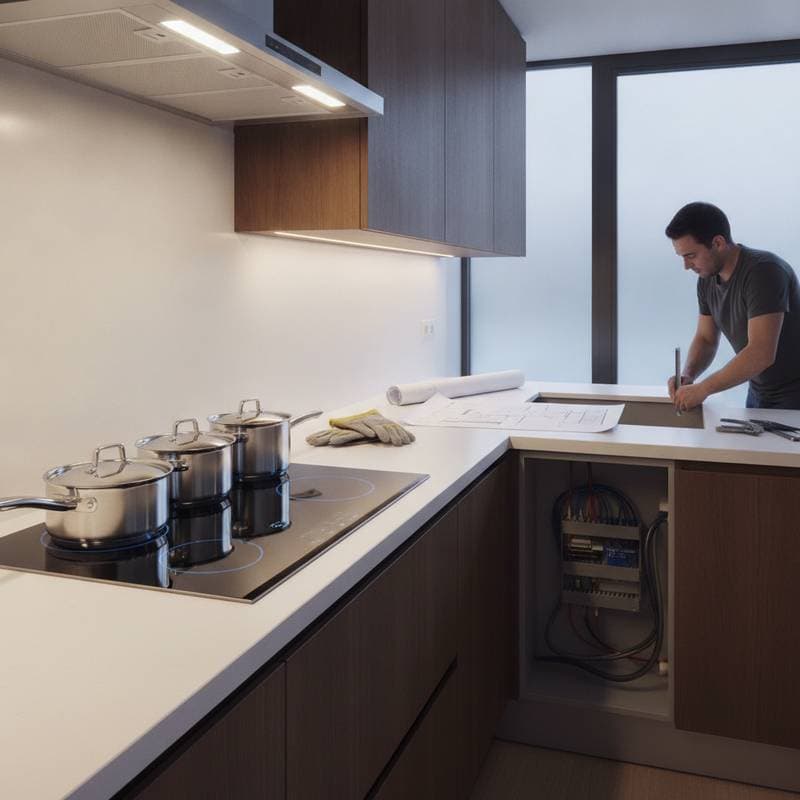
Even the finest products underperform if installation lacks expertise. Poor wiring, inadequate plumbing, or improper waterproofing can compromise safety and longevity. Engage a licensed contractor versed in universal design to oversee all aspects.
This professional coordinates electricians who calculate loads for features like heated floors, plumbers who ensure proper slopes in zero-threshold showers, and tile specialists adept at linear drain integration. Verification of the contractor's liability insurance and workers' compensation coverage is essential.
Request detailed written warranties covering both labor and materials. Comprehensive documentation safeguards against future issues, providing peace of mind throughout the home's lifespan.
Budgeting and Prioritizing for Lasting Value
Achieving luxury accessibility demands strategic financial planning rather than excessive expenditure. Focus on high-impact elements first to maximize safety and usability. Subsequent additions enhance comfort and style without strain.
Allocate resources in this sequence for optimal results:
-
Structural modifications and waterproofing. These form the durable foundation, preventing costly repairs later.
-
Plumbing and electrical enhancements. Upgrades support advanced fixtures and ensure code compliance.
-
Core safety components. Include grab bars, non-slip flooring, and adaptive lighting to address immediate risks.
-
Comfort-oriented features. Heated surfaces and smart mirrors elevate daily experiences.
-
Decorative finishes. Custom tiles and cabinetry complete the luxurious look.
This method delivers functional, valuable outcomes that align with long-term needs. Homeowners avoid unnecessary costs while securing a high-return investment.
Sustaining Your Bathroom's Performance
Long-term success in aging-in-place design relies on diligent upkeep. Inspect seals, grout, and mechanical parts regularly to catch wear early. Test automated systems, including sensors and emergency shutoffs, to verify reliability.
Retain all manufacturer manuals for reference and arrange annual servicing for intricate elements like heated floors or therapeutic tubs. Proactive care prevents minor issues from escalating into significant problems.
View maintenance as a commitment to sustained independence. Routine attention keeps the space safe, efficient, and enjoyable, much like essential home systems require ongoing vigilance.
Designing for Enduring Independence and Joy
Contemporary bathrooms for aging in place transcend mere utility; they become refuges of comfort and autonomy. Advanced integrations of technology and design ensure protection remains discreet, allowing style to shine. Families gain reassurance knowing the space evolves with needs.
Embark on renovations with clear vision, partnering with universal design experts who value both security and aesthetics. The outcome is a bathroom that gracefully accommodates life's changes, delivering daily pleasure and confidence.