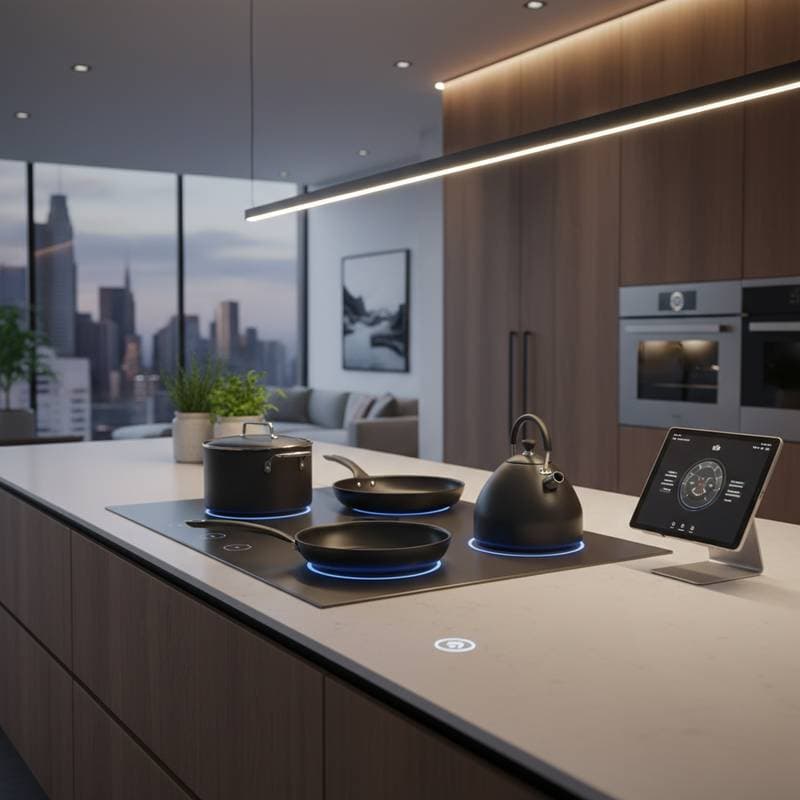
Induction Zones: Redefining Kitchen Cooking Surfaces
Homeowners upgrading their kitchens may need to reconsider traditional stove concepts. Conventional cooktops, including modern glass models, occupy significant counter space and impose rigid layouts. Induction zones, also known as invisible cooktops, eliminate these limitations by enabling cooking on any part of a designated surface, which activates only upon contact with a compatible pan.
As a remodeling contractor experienced in high-end and mid-range projects, I have integrated these systems successfully. They mark a significant evolution in kitchen design, usage, and upkeep. However, like emerging technologies, they involve specific benefits, expenses, and factors that require careful evaluation before investment.
Potential Pitfalls of Inadequate Preparation
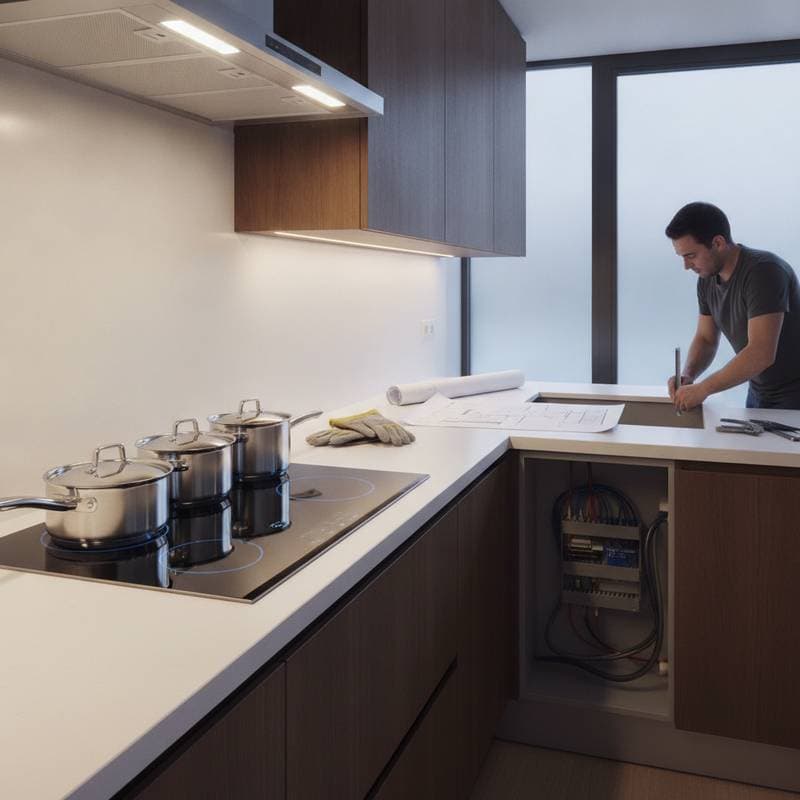
Homeowners often view an invisible cooktop in a showroom and presume it functions as a direct replacement for a standard range. In reality, the process proves more complex. I have encountered multiple installations where clients selected the surface prematurely, only to discover incompatible electrical systems or unsuitable countertop materials for the underlying induction coils.
Such errors lead to substantial costs. Countertops require replacement, wiring demands upgrades, and cabinetry needs alterations. Proper foresight prevents a project budgeted at a few thousand dollars from escalating before the first use.
Understanding the mechanics of induction zones and their prerequisites proves vital. The technology offers remarkable capabilities, yet it necessitates meticulous planning.
Mechanics of Induction Zones
Induction zones employ electromagnetic fields to heat cookware directly, leaving the countertop surface cool. This design enhances safety significantly. Unlike fixed burners, these zones create adaptable fields that identify pan placement automatically.
Upon detecting a ferromagnetic pan, the system directs energy to the metal, resulting in rapid, uniform heating. Tasks such as boiling water or searing proteins complete faster than with gas or conventional electric elements. Removing the pan halts energy flow immediately.
This accuracy minimizes heat loss, prevents countertop damage, and eliminates lingering burn risks. The seamless surface serves as additional preparation area when idle. For those seeking streamlined, contemporary kitchens, the unobtrusive appearance holds strong appeal.
Key Benefits for Homeowners
1. Enhanced Spatial Adaptability
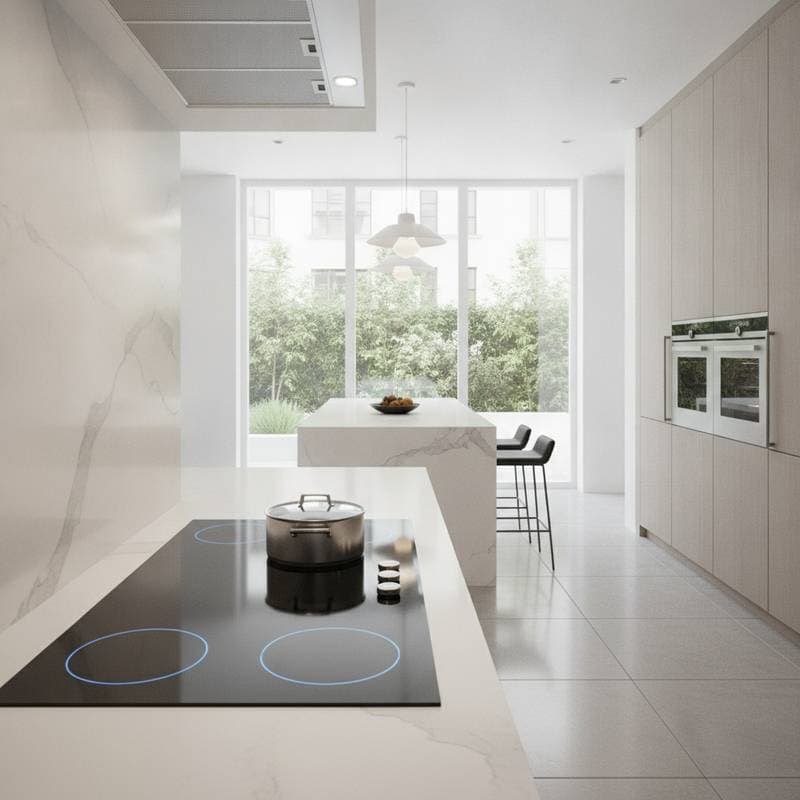
Standard cooktops constrain kitchen configurations. Induction zones embed cooking functionality within the countertop, supporting fully level surfaces resembling stone, quartz, or composite materials that activate as needed.
In compact kitchens, this versatility proves transformative. Preparation, cooking, and serving occur in one unified space without station transitions.
2. Improved Safety and Hygiene
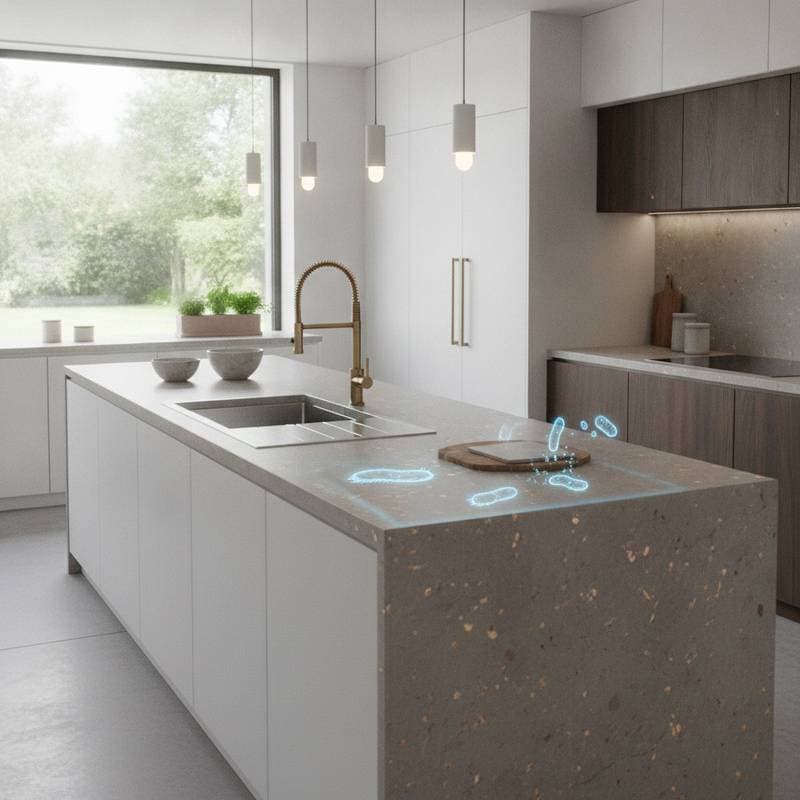
The non-heating surface prevents spills from baking in place. Cleanup requires mere seconds using a soft cloth. Families with young children value the instant cooldown, viewing it as a worthwhile safety enhancement.
3. Superior Energy Performance
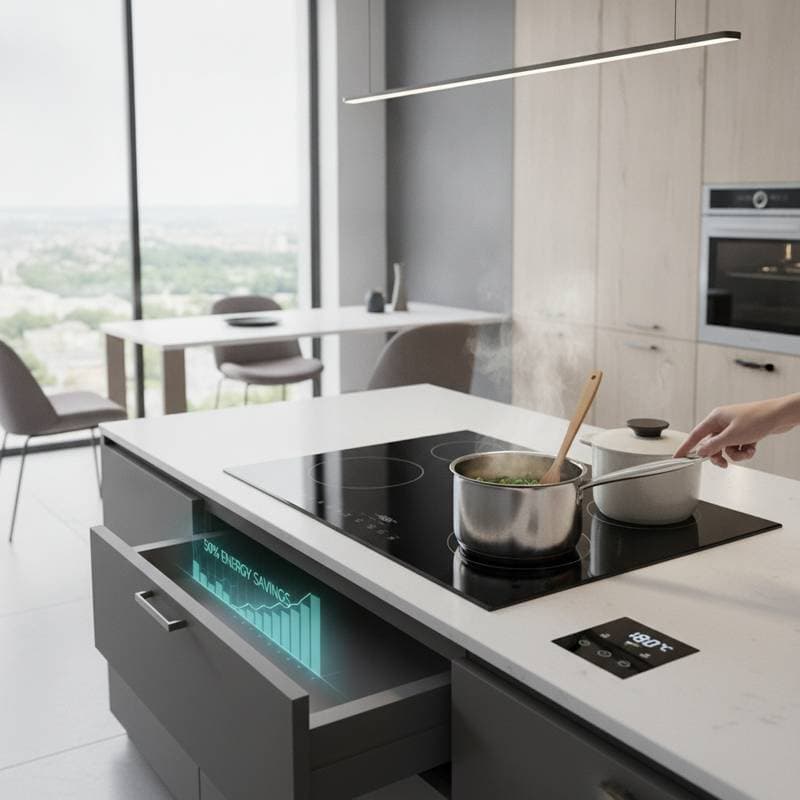
Direct energy transfer to the pan reduces waste. This efficiency lowers utility expenses and maintains a cooler kitchen atmosphere. Cumulative savings gradually recoup portions of the upfront investment relative to traditional setups.
4. Expanded Design Possibilities
Professionals in architecture and interior design favor induction zones for eliminating visual disruptions. Continuous material appearances align with current minimalist aesthetics.
5. Accurate Temperature Management
Digital interfaces enable precise settings. Delicate tasks like melting chocolate bypass double boilers, while water reaches boil in under a minute. Avid cooks prize this control level.
Essential Considerations Prior to Purchase
1. Electrical Demands
Induction systems typically need dedicated circuits with precise amperage ratings. Older kitchen wiring may require enhancements. Engage a licensed electrician to evaluate the panel beforehand.
2. Material Suitability for Countertops
Certain surfaces withstand minimal heat transfer and accommodate embedded coils effectively. Options like engineered stone, porcelain, and select composites perform reliably. Natural stone suitability depends on density and makeup; consult manufacturer-approved lists, and ensure fabricators adhere strictly.
3. Required Cookware
Only ferromagnetic items function with induction. Cast iron and most stainless steel qualify, whereas aluminum or copper needs magnetic bases. Budget for potential cookware replacements to account for this expense.
4. Service Accessibility
Concealed components beneath the counter enhance aesthetics but hinder repairs. Design cabinetry to permit technician access without full surface removal.
5. Initial Investment
These premium systems encompass the unit, compatible countertop, electrical modifications, and professional labor. Establish a comprehensive budget and prioritize installation excellence over shortcuts.
Insights from Actual Installations
During a recent island remodel, a client requested an uninterrupted surface. We selected porcelain with an integrated induction layer. The electrical panel underwent upgrades, and cabinetry adjustments ensured proper airflow.
Coordination among the fabricator and electrician from the outset facilitated a smooth process. The outcome resembled a monolithic porcelain slab. Placing a pan illuminated subtle digital controls through the material.
In contrast, another project involved a homeowner purchasing an online invisible cooktop without expert input. The marble countertop lacked thermal resilience. Despite installer cautions about cracking risks, the client proceeded. Fractures emerged near cooking spots within months, necessitating a full replacement and cost escalation.
Planning and interdisciplinary teamwork distinguished these outcomes. Induction technology demands exactitude, not simplistic appliance substitution.
Contractor Recommendations
Contractors view invisible cooktops as collaborative endeavors spanning electrical, fabrication, cabinetry, and supply trades. Minor discrepancies in measurements or wiring invite future complications.
Expect professionals to manage these intricacies. If a builder lacks induction familiarity, request installation portfolios. Competent experts disclose requirements transparently and avoid haste.
Examine warranty conditions diligently. Certain manufacturers mandate certified installation to uphold coverage. Bypassing this risks invalidation during subsequent issues.
Addressing Frequent Misunderstandings
Induction Zones Mirror Standard Induction Cooktops
This assumption overlooks differences. Conventional models feature predefined zones, while invisible variants employ sensors for pan detection across the field. Integration into countertops alters electrical and thermal specifications.
All Countertops Prove Compatible
Inaccurate; some materials disrupt electromagnetic fields or endure limited heat poorly. Validate pairings with manufacturers prior to fabrication.
Systems Demand No Upkeep
Though simpler than gas or electric alternatives, electronic components remain vulnerable to surges, moisture, or inadequate ventilation. Annual technician reviews safeguard longevity.
Enduring Worth and Eco-Friendly Aspects
Induction zones promote efficiency and resilience. Intact surfaces resist grease buildup in seams or cracks. With routine care, they outlast conventional ranges.
For resale, these features attract buyers, signaling innovation and sustainability. Properties equipped thus often sell more swiftly at premium prices.
Select established brands with robust support networks to ensure ongoing parts availability amid technological advances.
Steps for Effective Installation Planning
-
Conduct Comprehensive Design Review
Involve contractors, electricians, and suppliers early. Address electrical capacity, airflow, and access provisions upfront. -
Validate Component Matches
Confirm countertop and system approvals per manufacturer guidelines. Adherence prevents operational failures. -
Account for Ancillary Expenses
Include wiring, cookware, and cabinet adjustments in projections. Underestimation breeds mid-project surprises. -
Select Trained Professionals
Verify installer certifications from the manufacturer. This secures warranties and optimal setup. -
Perform Pre-Finalization Testing
Trial the system with various pans. Ensure sensor accuracy and control responsiveness before approval.
Preserving System Performance
Post-installation, maintenance remains straightforward. Clean the surface promptly after use with mild solution and soft cloth. Refrain from sliding heavy items to protect the finish.
Arrange regular checks of vents and connections. Address control anomalies through certified service, avoiding self-repairs.
Maximizing Kitchen Functionality
Invisible induction zones elevate daily routines with their blend of form and function. Homeowners gain not only a visually striking space but also practical efficiencies that endure. Invest thoughtfully to unlock these advantages fully.