Transitioning to Induction: A Smarter Approach to Kitchen Cooking
Consider a kitchen upgrade that combines advanced technology, environmental responsibility, and rapid performance. Induction cooking represents such an advancement. Home cooks increasingly abandon gas stoves in favor of induction systems, which offer elegant designs, intelligent features, and uniform heat distribution. Whether renovating a kitchen or replacing an outdated range, induction delivers precision and safety suitable for any household.
The appeal extends to accessibility across budgets. Options range from inexpensive portable cooktops to comprehensive professional induction ranges. This guide examines the transition process and highlights why induction stands as one of the most beneficial kitchen investments.
Evolution from Studio to Home Kitchens
Professionals who design kitchens for television productions recognize the superior qualities of induction cooktops. These units provide clean, contemporary lines that enhance visual appeal during filming. Their reliable performance withstands the demands of fast-paced shoots, prompting frequent viewer inquiries about speed, which induction consistently delivers.
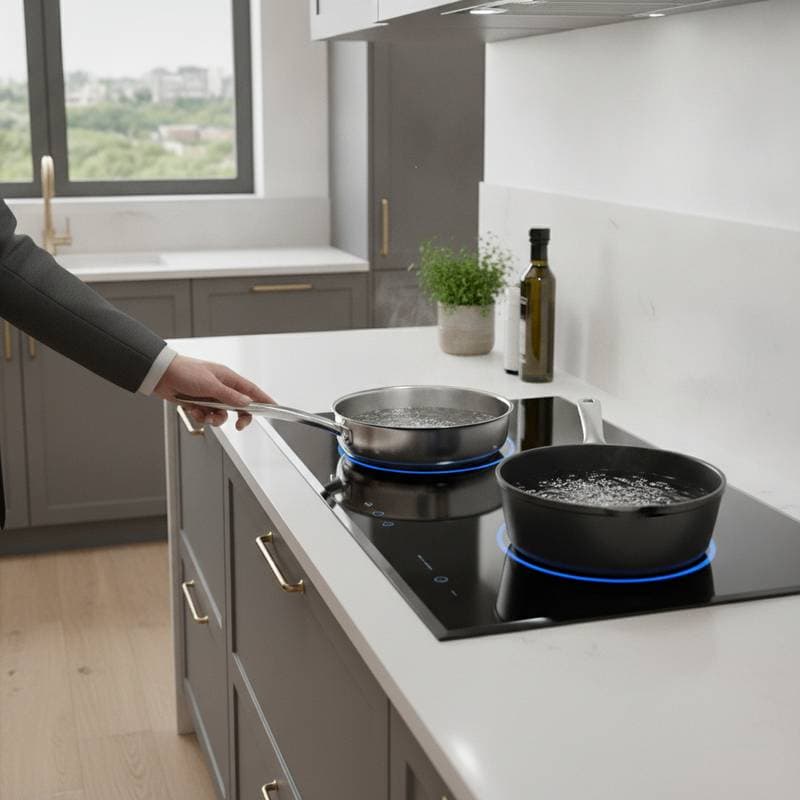
Safety remains paramount in studio environments, where open flames pose risks near materials and costumes. Induction heats cookware directly, leaving the surrounding area unaffected. This principle applies equally to residential settings, ensuring secure operation.
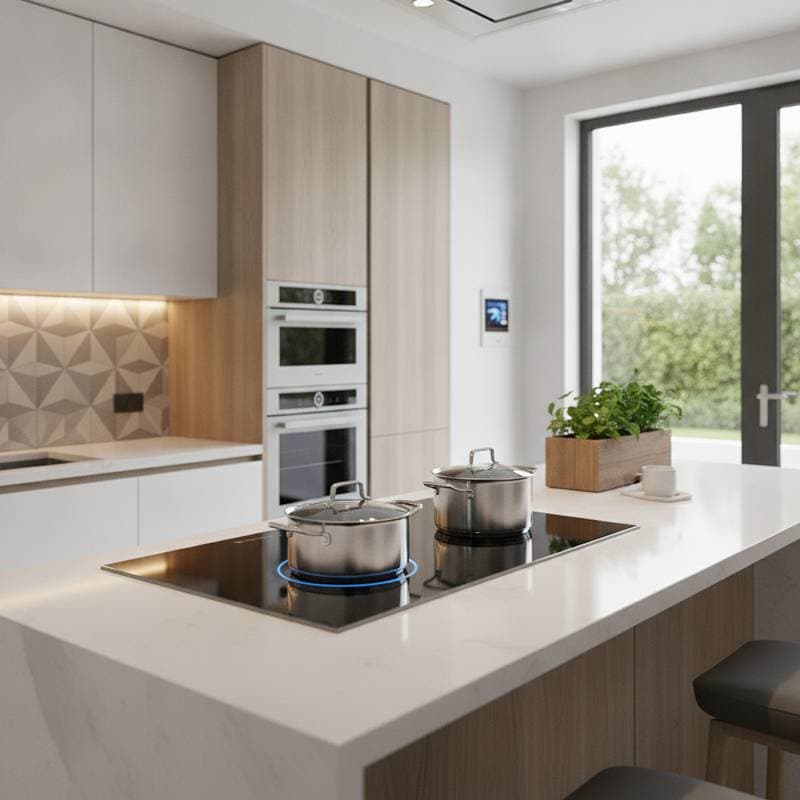
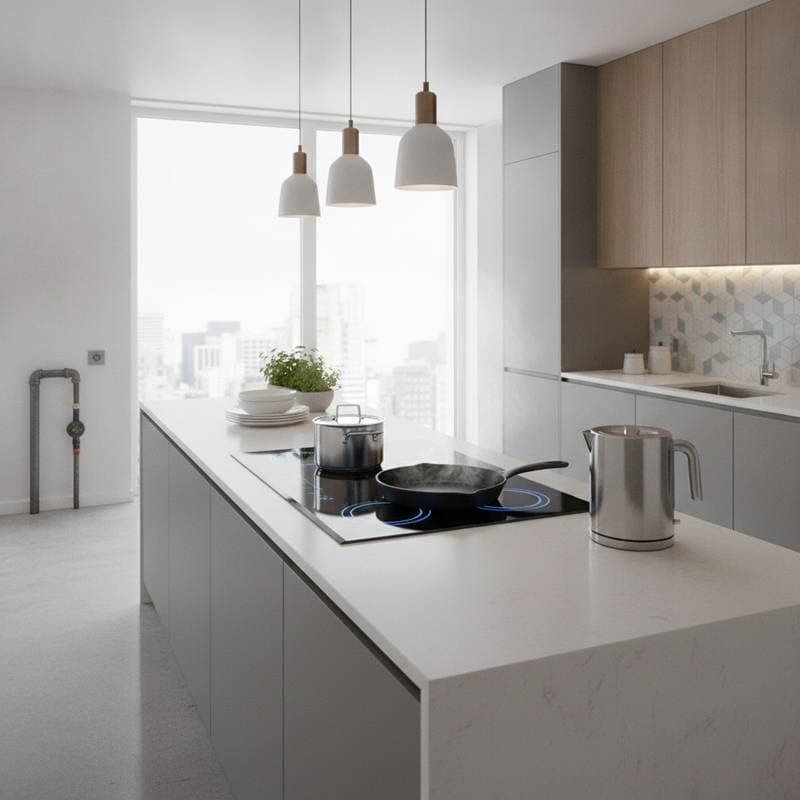
In home installations, users appreciate the intuitive operation. The surface cools rapidly upon removing cookware, a feature valued by families. Design versatility allows integration into various spaces, such as slim units in countertop islands or compact two-burner models in small apartments.
Essential Preparations for an Induction Transition
Converting from gas to induction requires straightforward planning. The following steps ensure a seamless process.
1. Evaluate Electrical Infrastructure
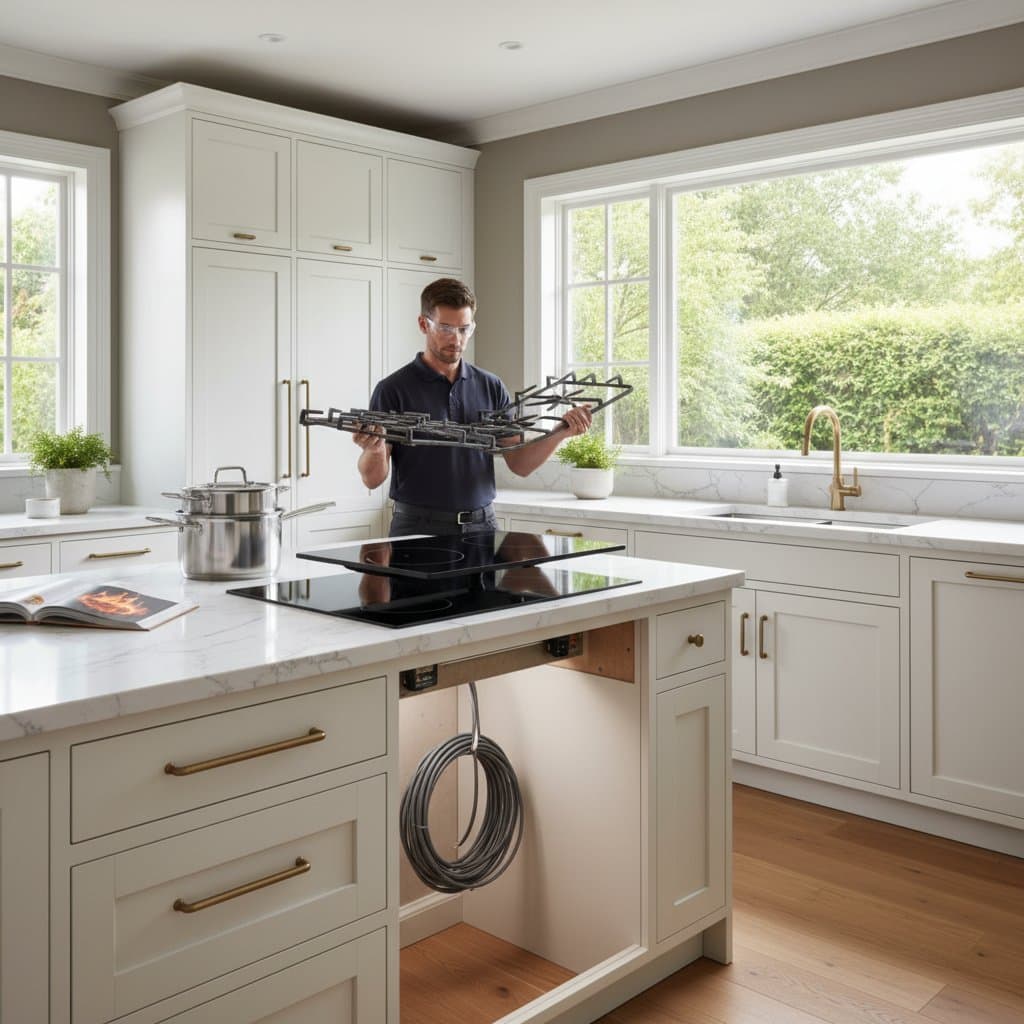
Induction systems operate on electricity and demand a dedicated circuit. Existing gas stove setups may include nearby outlets for ignition, but full induction installations require higher amperage. Engage a licensed electrician for proper wiring. For those in rentals or hesitant about extensive modifications, portable induction cooktops connect to standard outlets, serving as an ideal trial before committing to permanent changes.
2. Verify Cookware Suitability
Induction technology functions exclusively with ferromagnetic materials. Test compatibility by attaching a magnet to the cookware base; adhesion confirms readiness. Suitable options include cast iron, enameled steel, and many stainless steel varieties. Non-magnetic materials like aluminum, copper, or glass require a ferromagnetic layer to work.
Should existing cookware fail the test, replacement proves affordable. Induction-compatible sets begin at approximately fifty dollars, with individual pieces available for less. Retailers such as IKEA and Target clearly mark compatible items, facilitating easy selection.
3. Assess and Adapt Space Requirements
For replacing a complete gas range, precisely measure the current cutout dimensions. Most induction ranges accommodate standard 30-inch or 36-inch spaces, simplifying the swap. In custom designs, pair separate induction cooktops with wall ovens to achieve a contemporary, adaptable configuration.
Accessible Induction Options by Budget
Induction benefits require no excessive expenditure. Consider these tiers to match financial constraints.
Entry-Level Investments
Begin with a single portable induction burner, ideal for rentals, student housing, or compact kitchens. Brands like Duxtop and Hamilton Beach offer units starting at forty dollars. These devices plug into ordinary outlets and demonstrate core induction capabilities.
Complement the burner with a compatible skillet to experience rapid heating and simplified maintenance firsthand.
Mid-Range Upgrades
For cooktop replacements, models from GE, Frigidaire, and Samsung commence at seven hundred dollars. These incorporate multiple burners, touch interfaces, and functions like automatic pan recognition.
Direct countertop installation yields a integrated appearance. Supplement with magnetic cookware to establish a professional-grade kitchen without premium costs.
High-End Configurations
Full commitment yields ranges from Bosch, Miele, and Café, featuring precise controls and refined aesthetics. Capabilities include bridge zones for large cookware, instructional cooking programs, and polished glass surfaces.
Long-term savings arise from reduced energy consumption and minimized kitchen heat, easing demands on cooling systems.
Environmental and Health Advantages
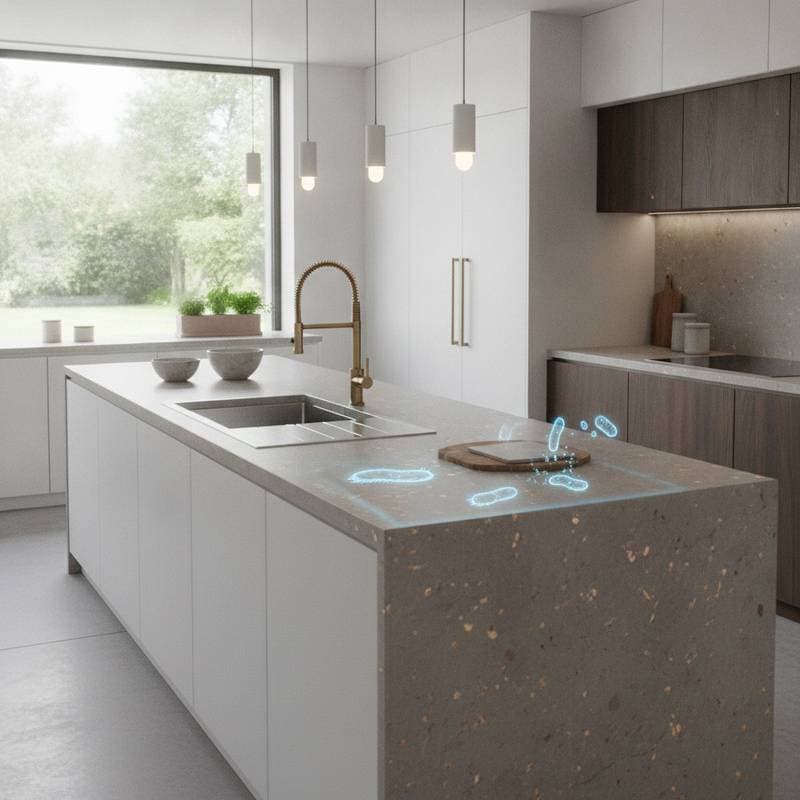
Induction surpasses traditional methods in sustainability and well-being. Gas stoves emit heat, humidity, and contaminants, elevating indoor nitrogen dioxide concentrations and compromising air quality, as indicated by research. Induction avoids combustion entirely, maintaining purer kitchen atmospheres.
The absence of open flames reduces noise and odors, benefiting open-plan layouts where cooking areas connect to living spaces. Efficiency directs nearly all energy to food preparation, shortening cook times, minimizing heat loss, and lowering utility expenses.
Aesthetic and Design Versatility
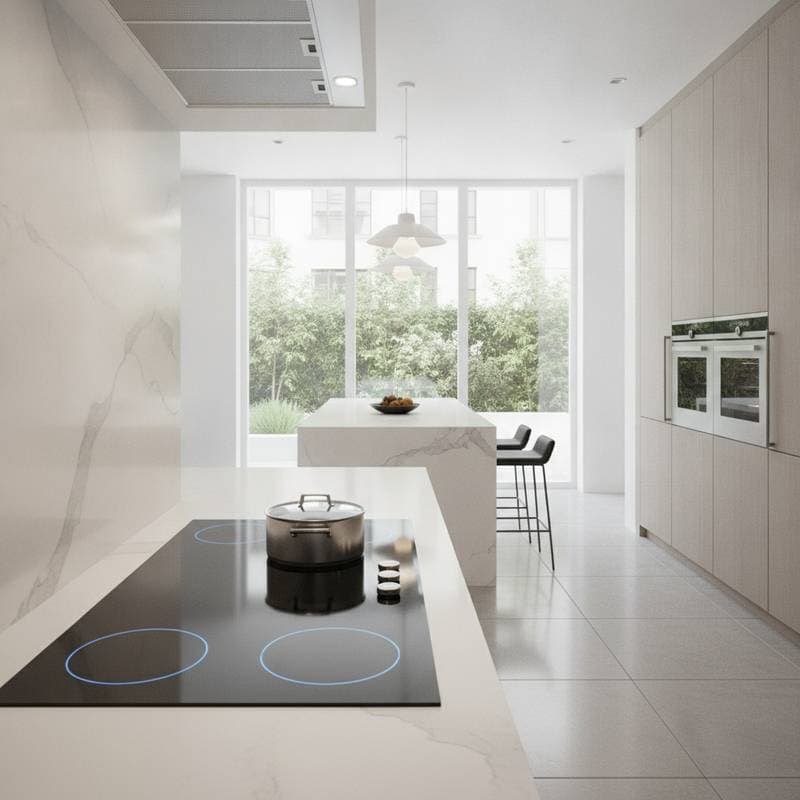
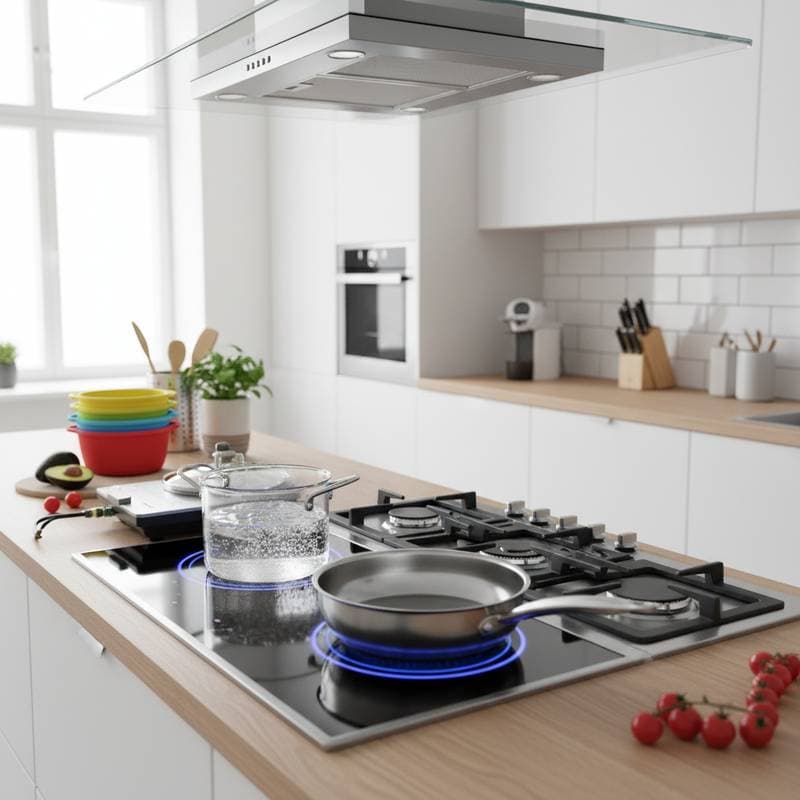
Induction cooktops enhance kitchen aesthetics through minimalist profiles. Smooth glass tops eliminate visible grates or controls, harmonizing with styles from sleek modernism to warm rustic themes.
Pair with countertops in quartz, stainless steel, or sustainable glass for unified visuals. Flush-mounted designs blend seamlessly, revealing functionality only when needed.
Design pairings often feature black glass against matte brass accents or wood elements, creating striking contrasts. In confined areas, the reflective surfaces expand perceived space and amplify light.
Technological Enhancements for Efficient Cooking
Modern induction integrates smart features, connecting to applications or voice controls for temperature settings, timers, and boil notifications. Such innovations render routine tasks engaging and advanced.
In professional settings, these elements streamline demonstrations, enabling flawless simmering or melting. Temperature precision rivals specialized techniques.
Advanced units detect cookware automatically, optimizing heat distribution to prevent energy waste and ensure consistent outcomes, akin to professional assistance.
Installation Guidance: DIY and Expert Approaches
Capable individuals may install drop-in cooktops independently, adhering to electrical codes and verifying circuit capacity. For comprehensive ranges or intricate setups, professional electricians provide optimal results.
Gas conversions necessitate secure line capping. Appliance retailers frequently offer services covering electrical integration and gas disconnection.
Enhance the installation with a backsplash suited to flameless operation, incorporating glass, acrylic, or patterned materials for expanded creative potential.
Everyday Benefits and Maintenance
Adopting induction transforms cooking routines through superior control. Tasks like searing, simmering, and sautéing proceed with ease. Direct pan melting eliminates secondary vessels, while water reaches boils swiftly.
Cleanup simplifies as spills remain removable, given the moderated surface temperatures. A damp cloth suffices for routine care; microfiber tools maintain a pristine finish.
Household members benefit from enhanced safety, allowing supervised participation. Precise regulation averts overflows and burns, building confidence among novice cooks.
Steps to Implement Your Induction Upgrade
Initiate the process by assessing current needs and budget. Select compatible equipment and consult professionals for installations. Experience the efficiency, safety, and style that induction brings to daily meal preparation, yielding lasting kitchen satisfaction.